
Markha Valley
A Journey Through Ladakh’s Untouched Beauty
Altitude
5270 Meters
Difficulty
Moderate
Duration
8 Days
Location
Ladakh
Fee
INR 26,000
Overview
READ MORE
MARKHA VALLEY TREK HIGHLIGHTS
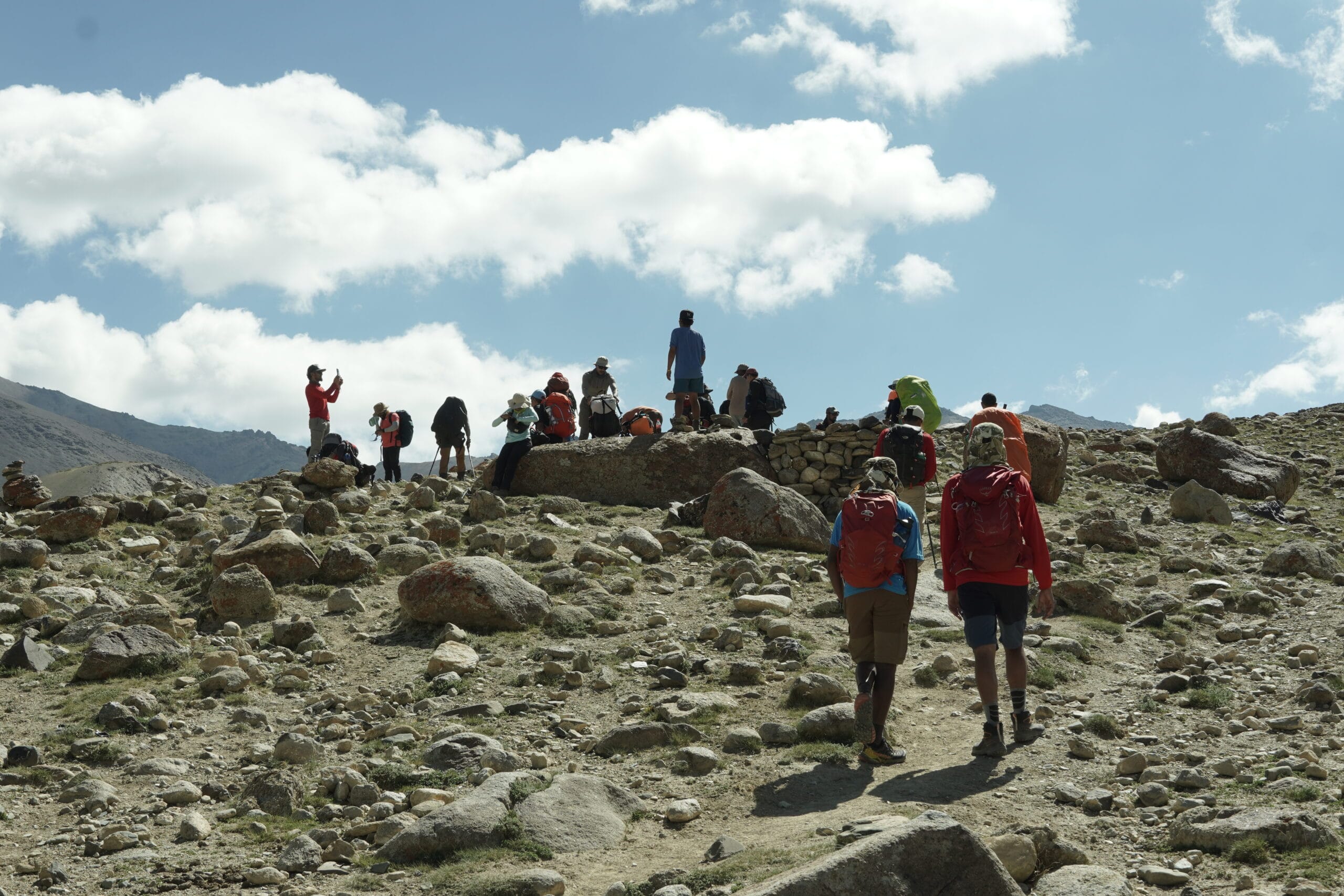
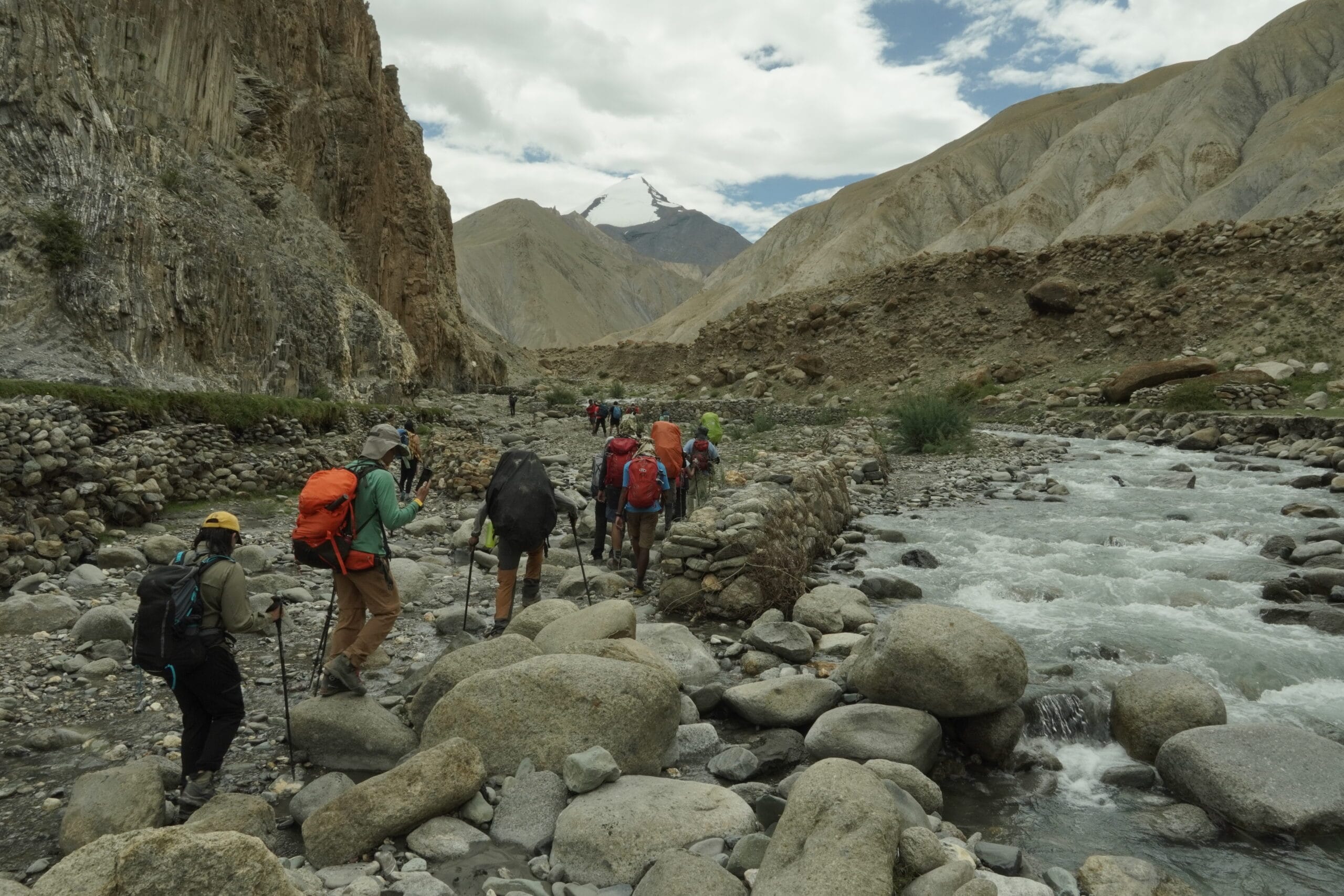
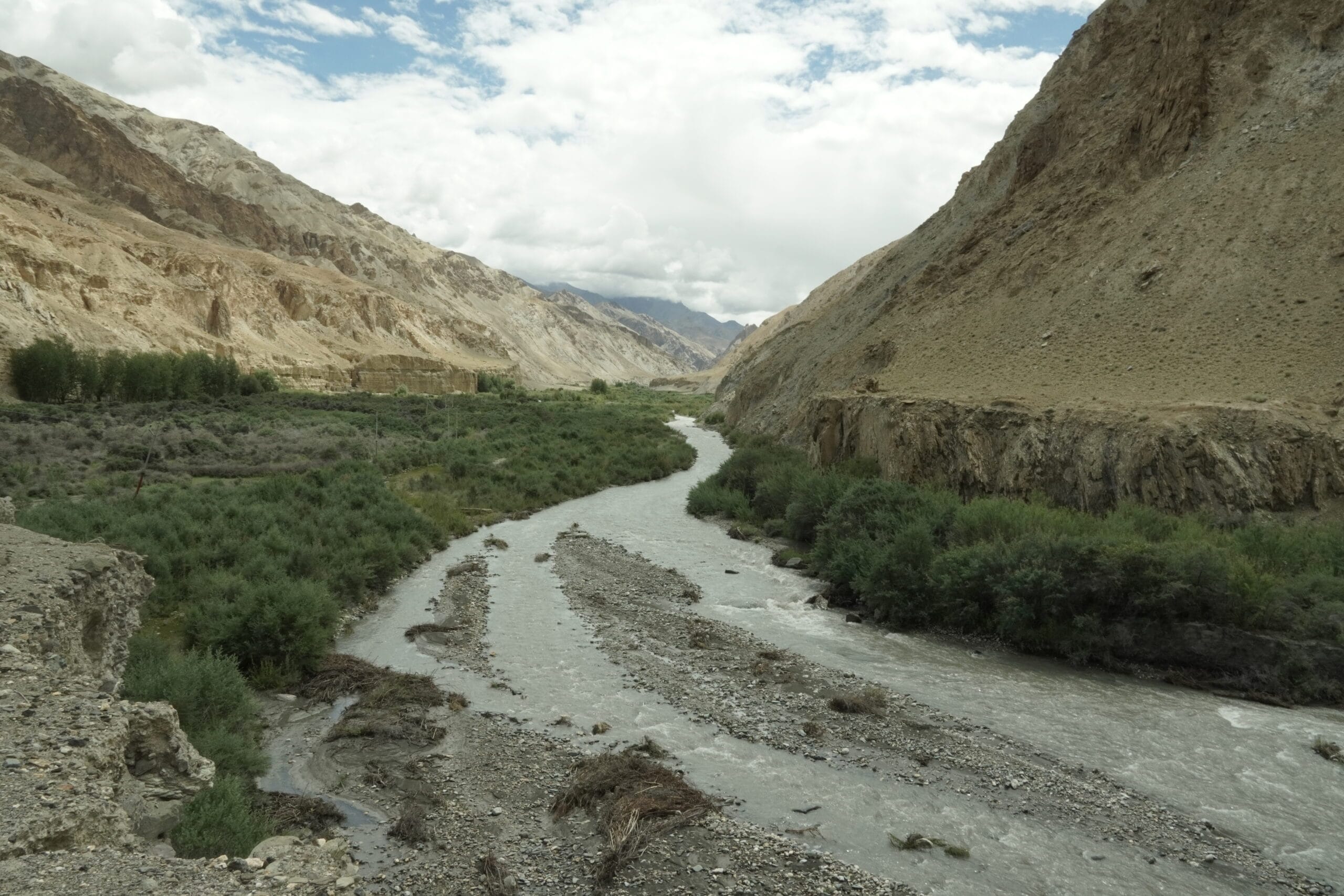
Crossing the Markha River: Experience the thrill of wading through the Markha River, a recurring adventure throughout the trek.
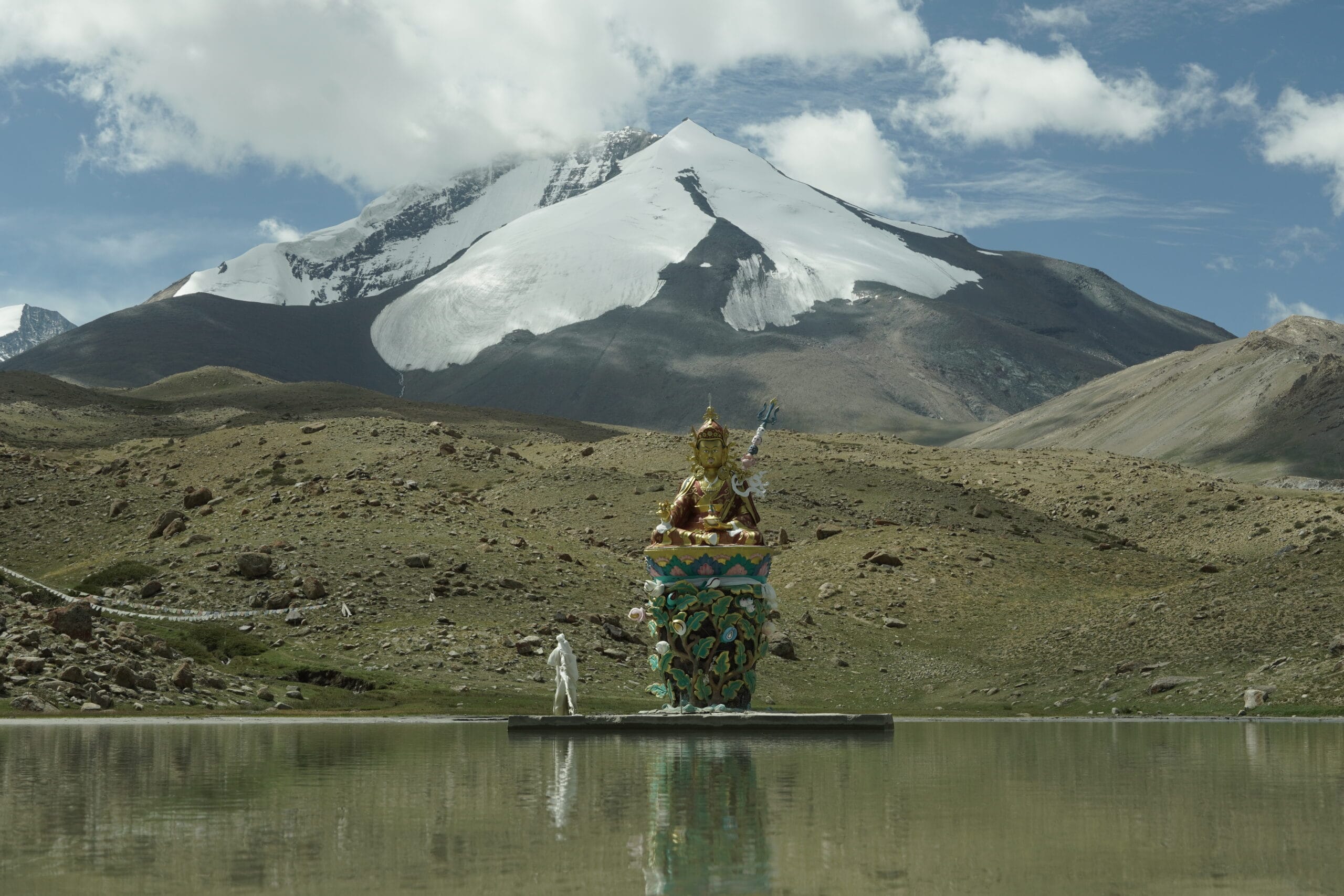
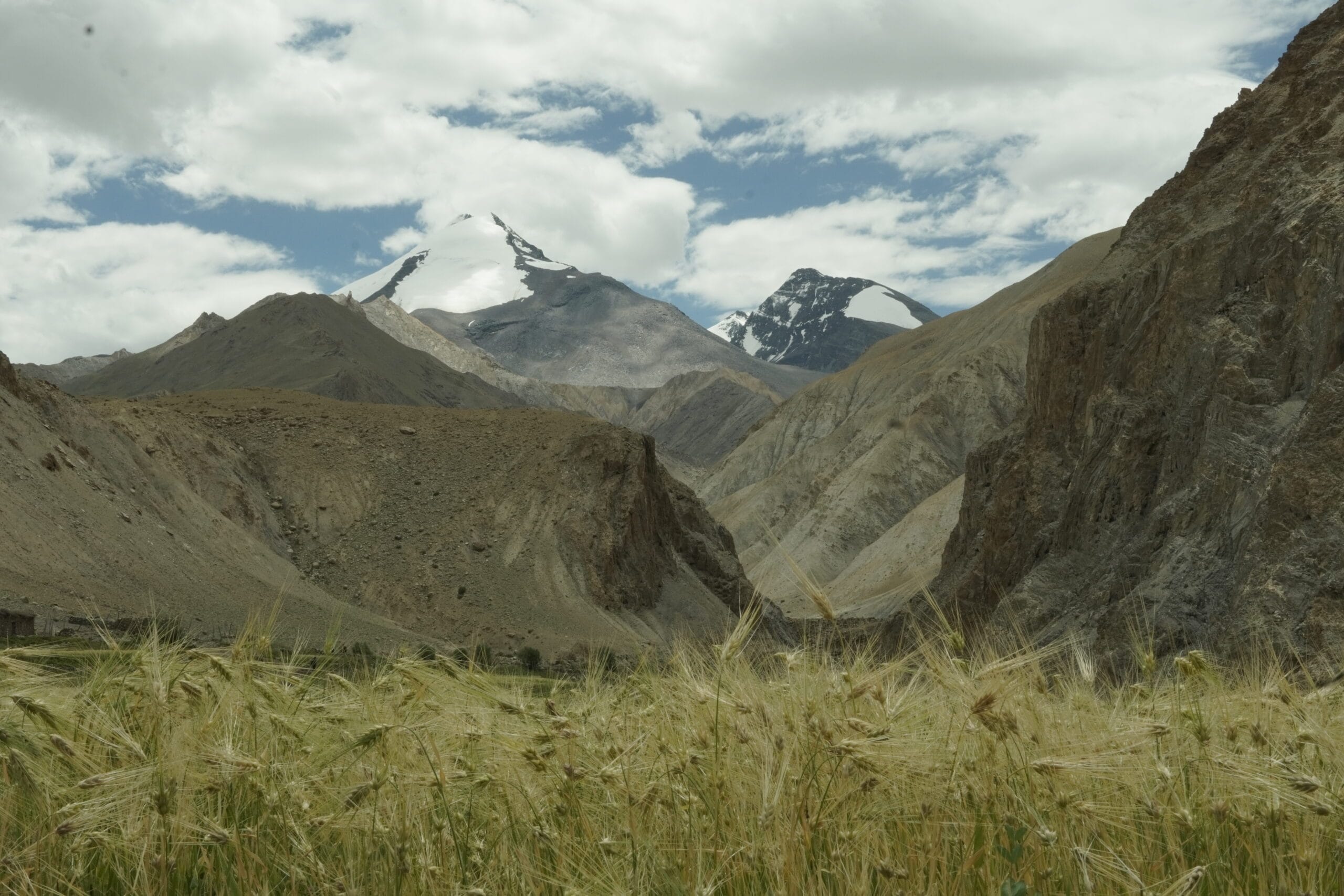
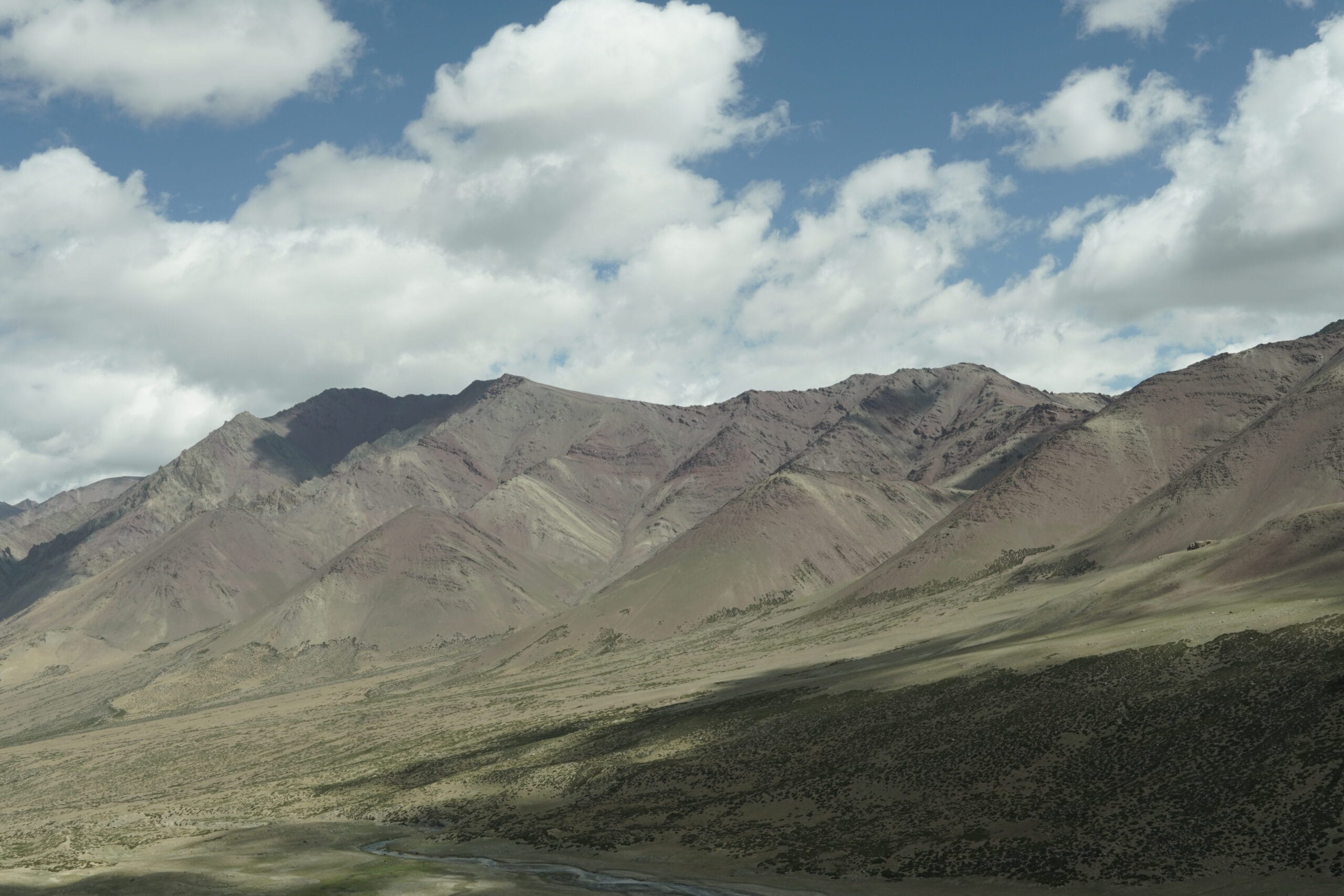
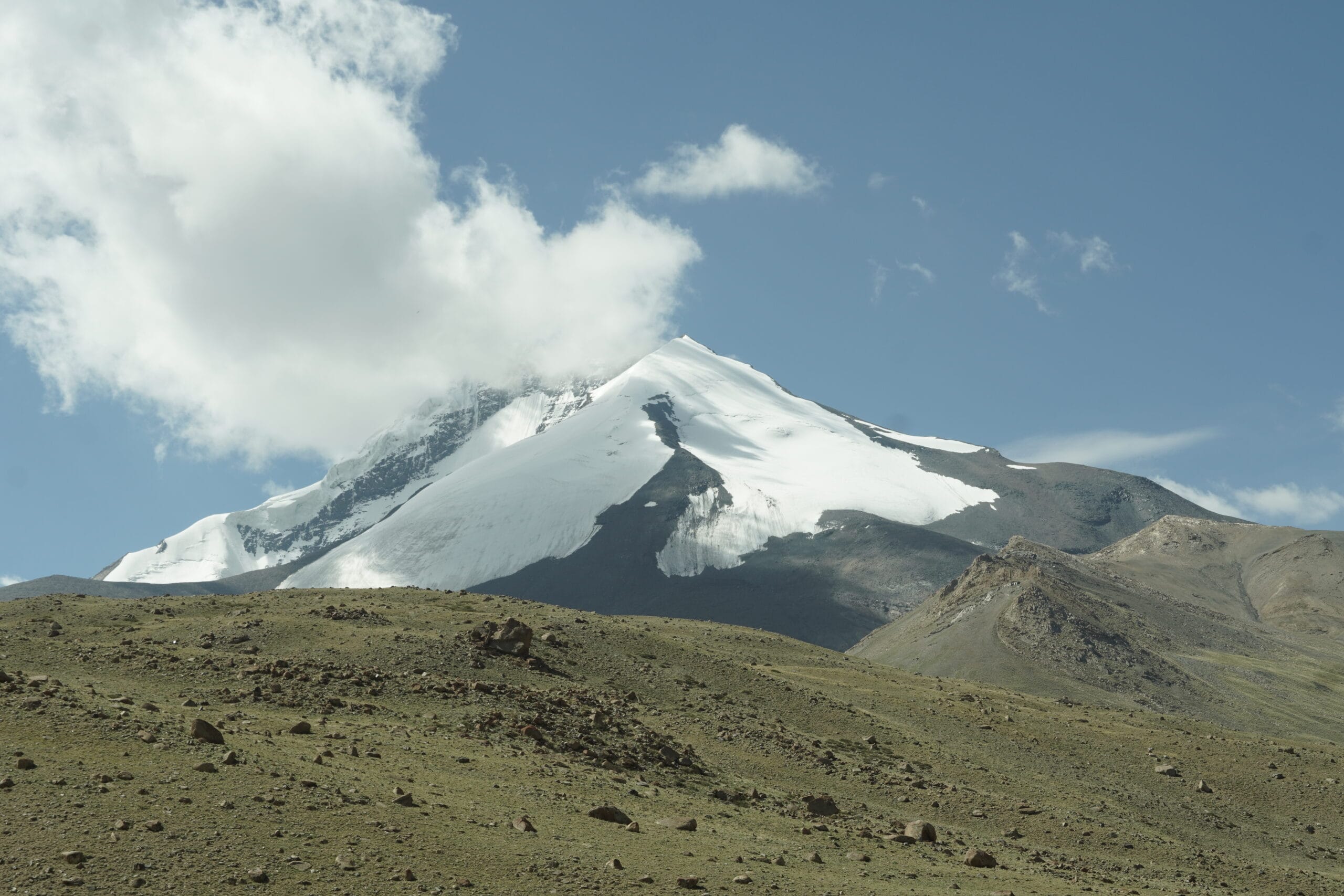
Breathtaking Views of Mt. Kang Yatse: Marvel at the first views of Mt. Kang Yatse as you ascend from Umlung, offering a truly breathtaking sight.
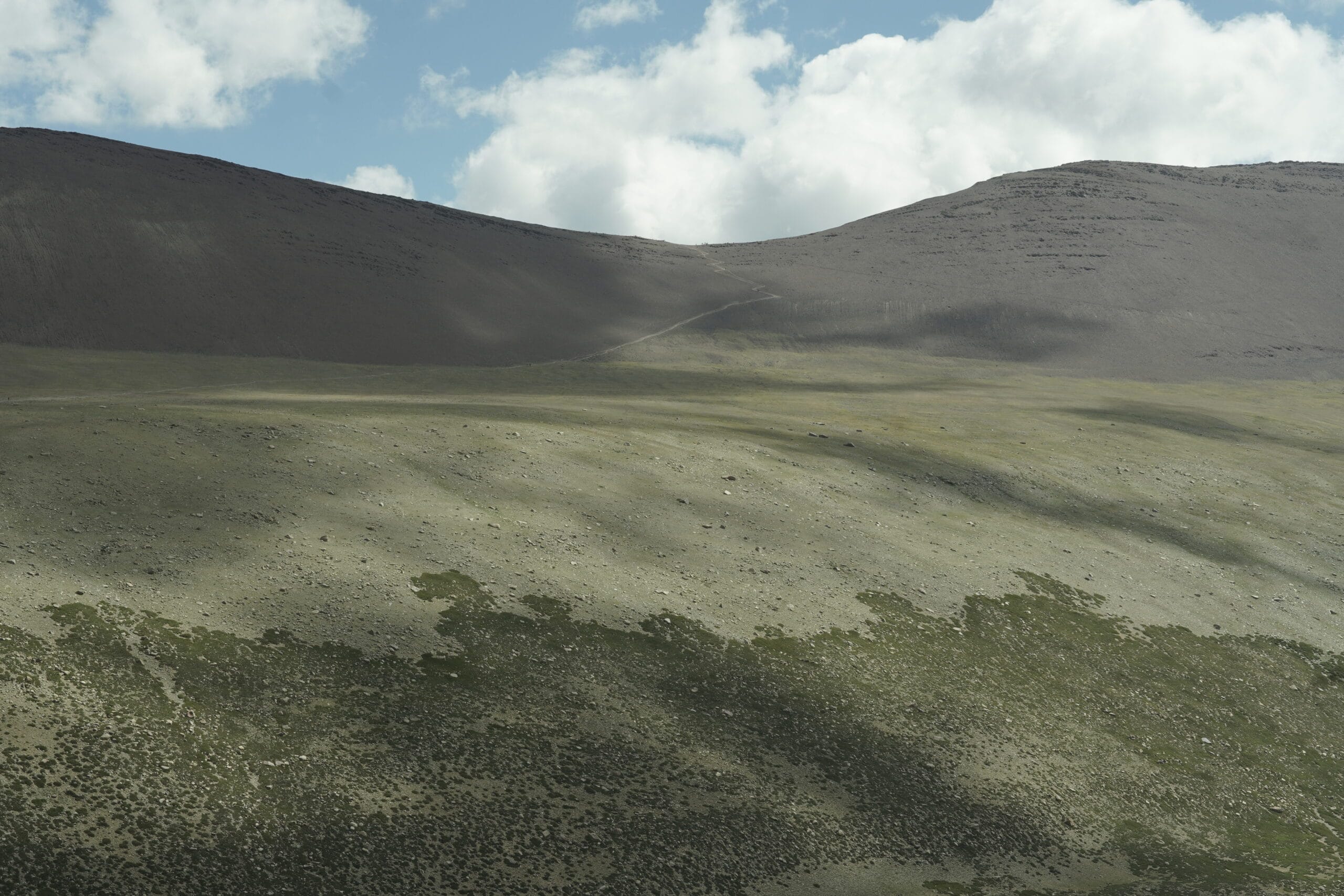
Kongmaru La Pass: At an elevation of 17,060 ft, Kongmaru La offers spectacular views of the Indus Valley and Ladakh ranges, marking the highest point of the trek.
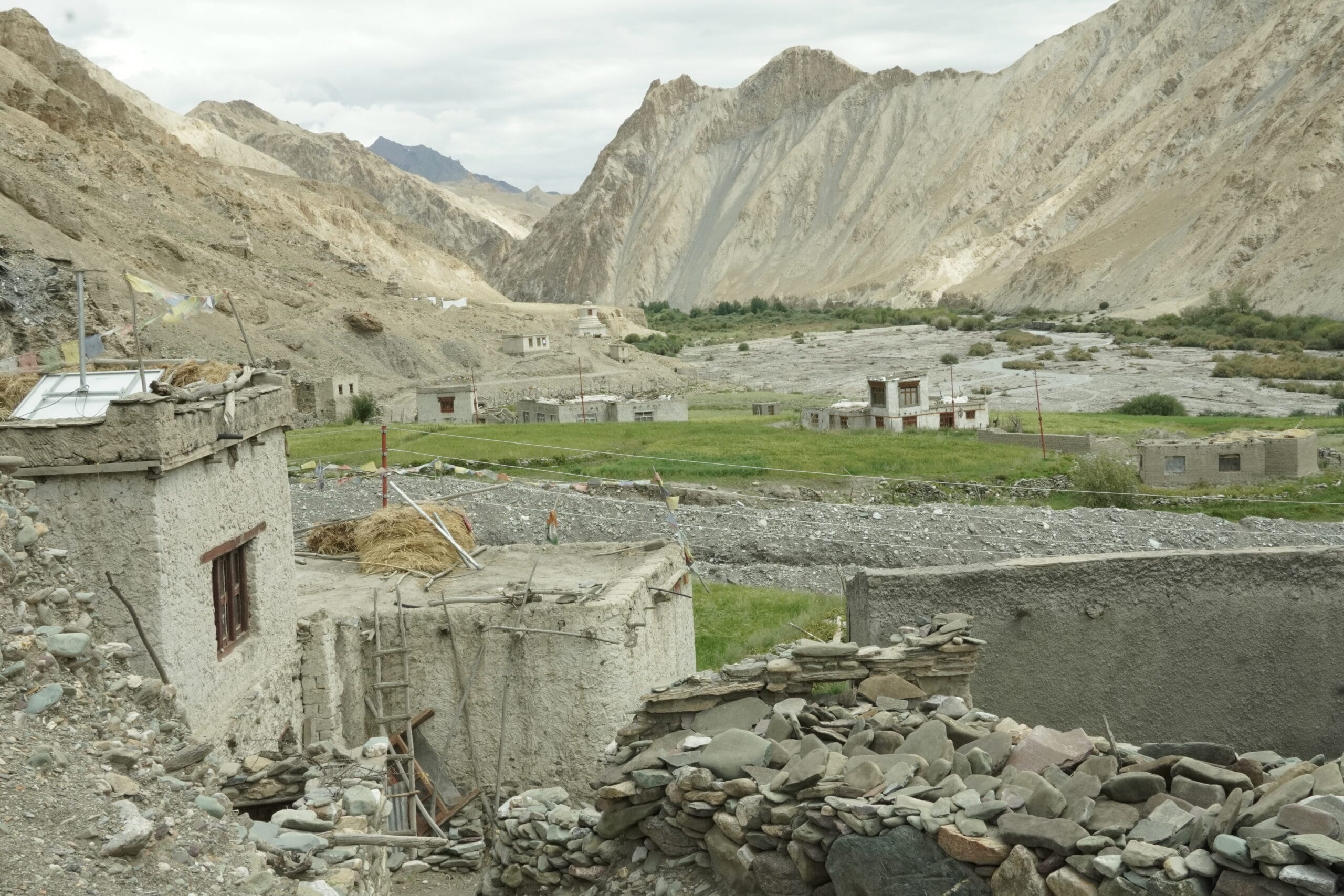
Markha Village: The largest village in the valley, offering homestays and a glimpse into local life alongside the Markha River.
Hankar Village: Known for its awe-inspiring landscapes and a beautiful monastery, it’s one of the most picturesque stops on the trek.
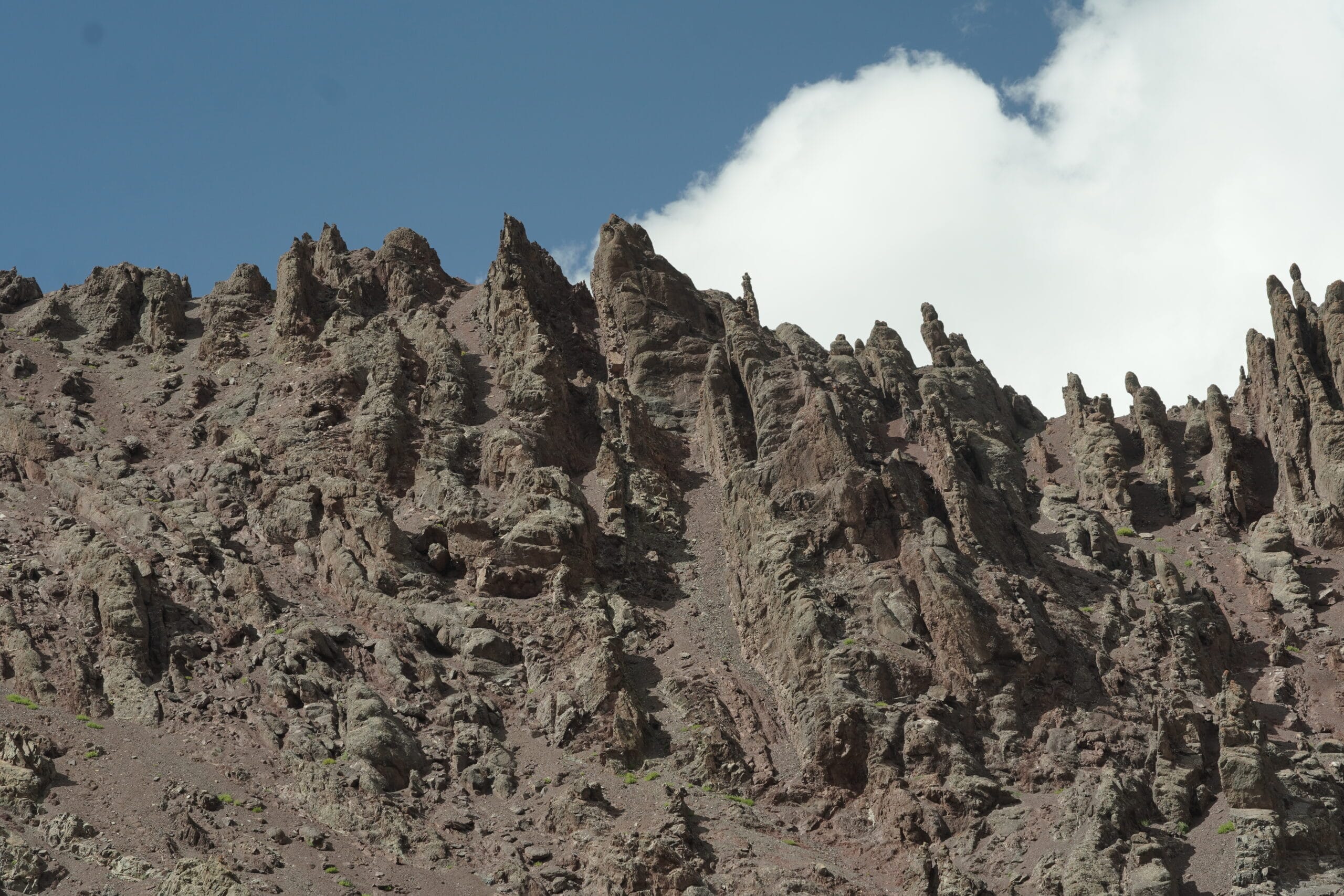
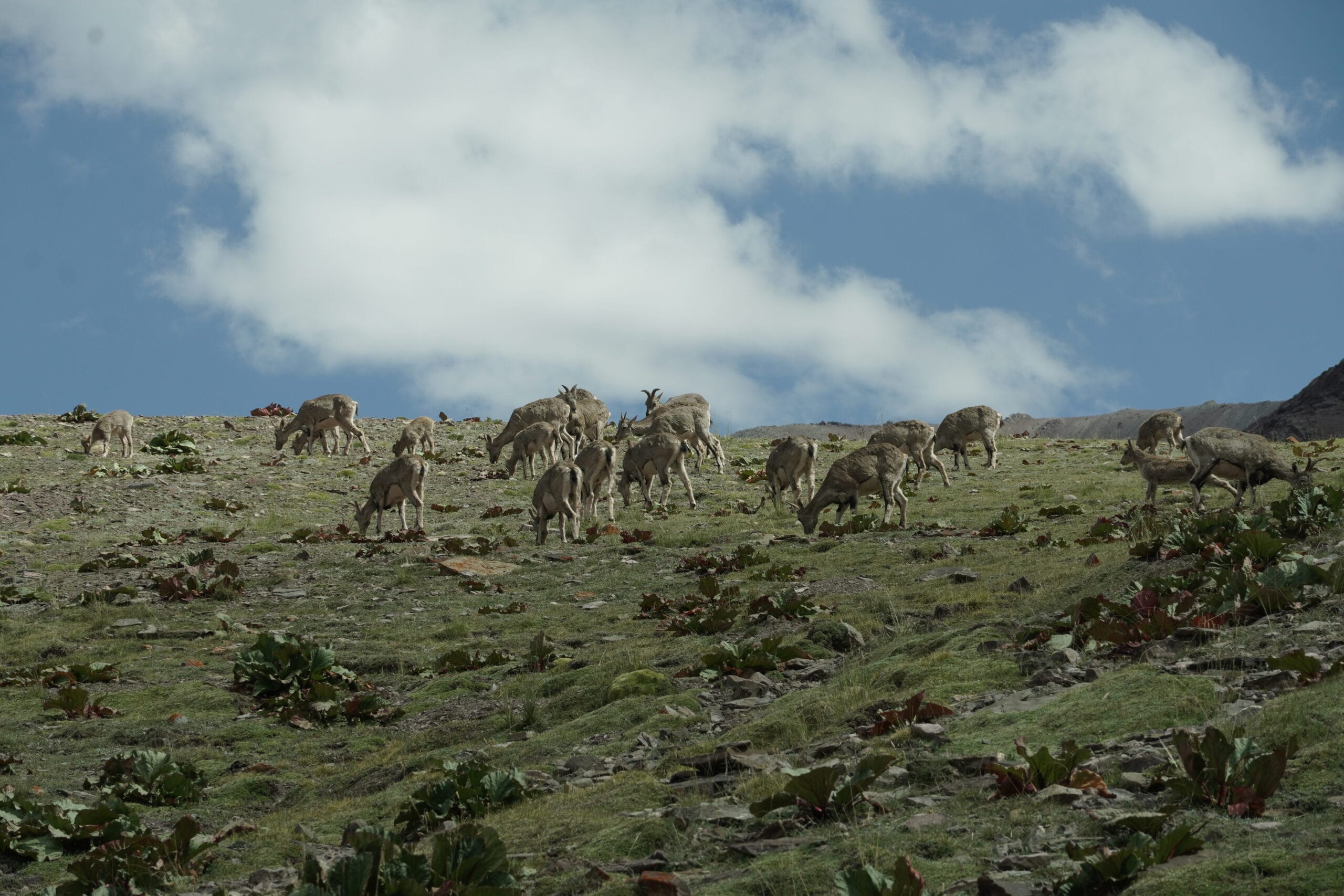
Rich Flora and Fauna: The trek goes inside the beautiful Hemis National Park, allowing trekkers to experience the region’s biodiversity.
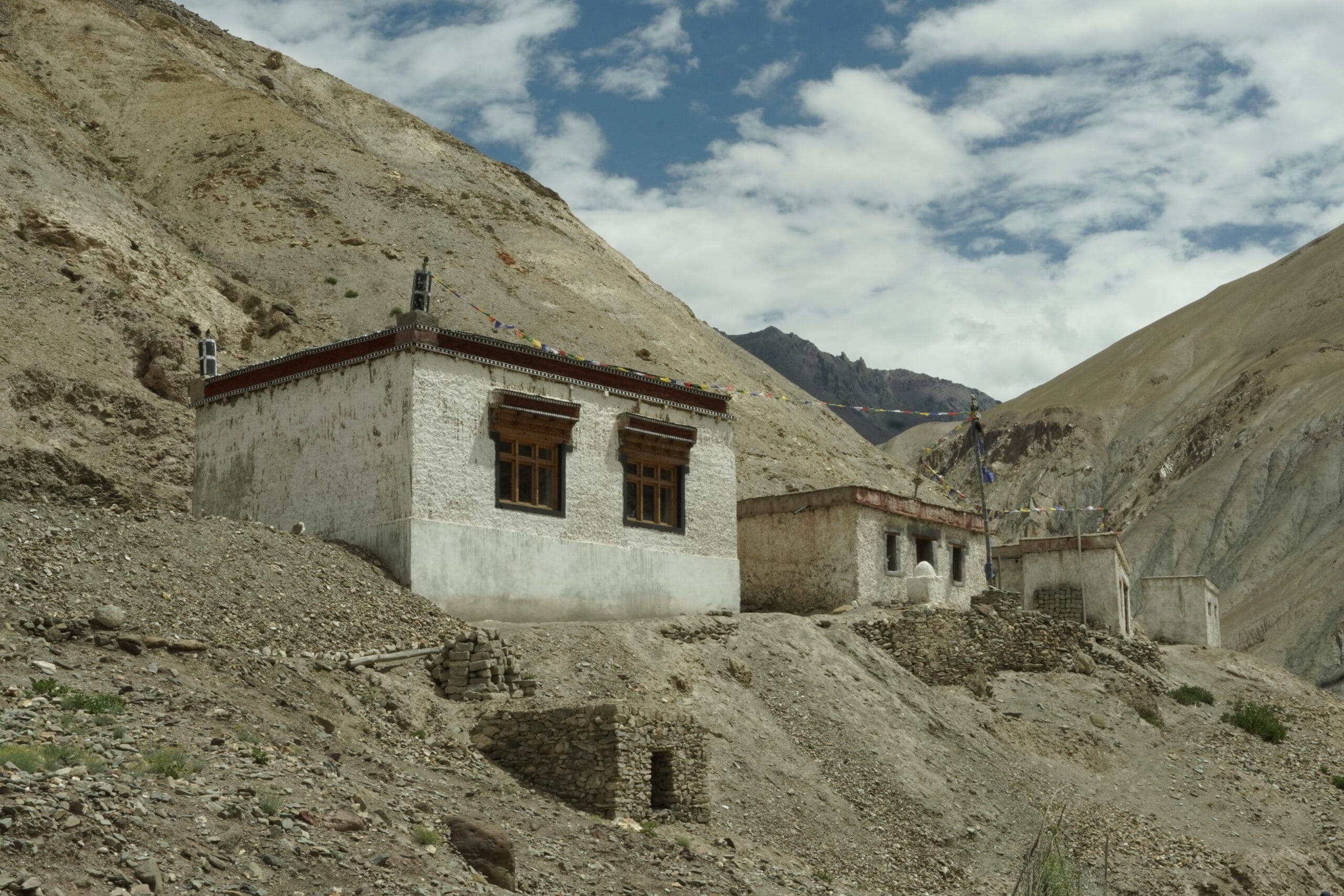
Cultural Heritage: Explore the cultural heritage of Leh-Ladakh with visits to small villages and ancient monasteries along the way.
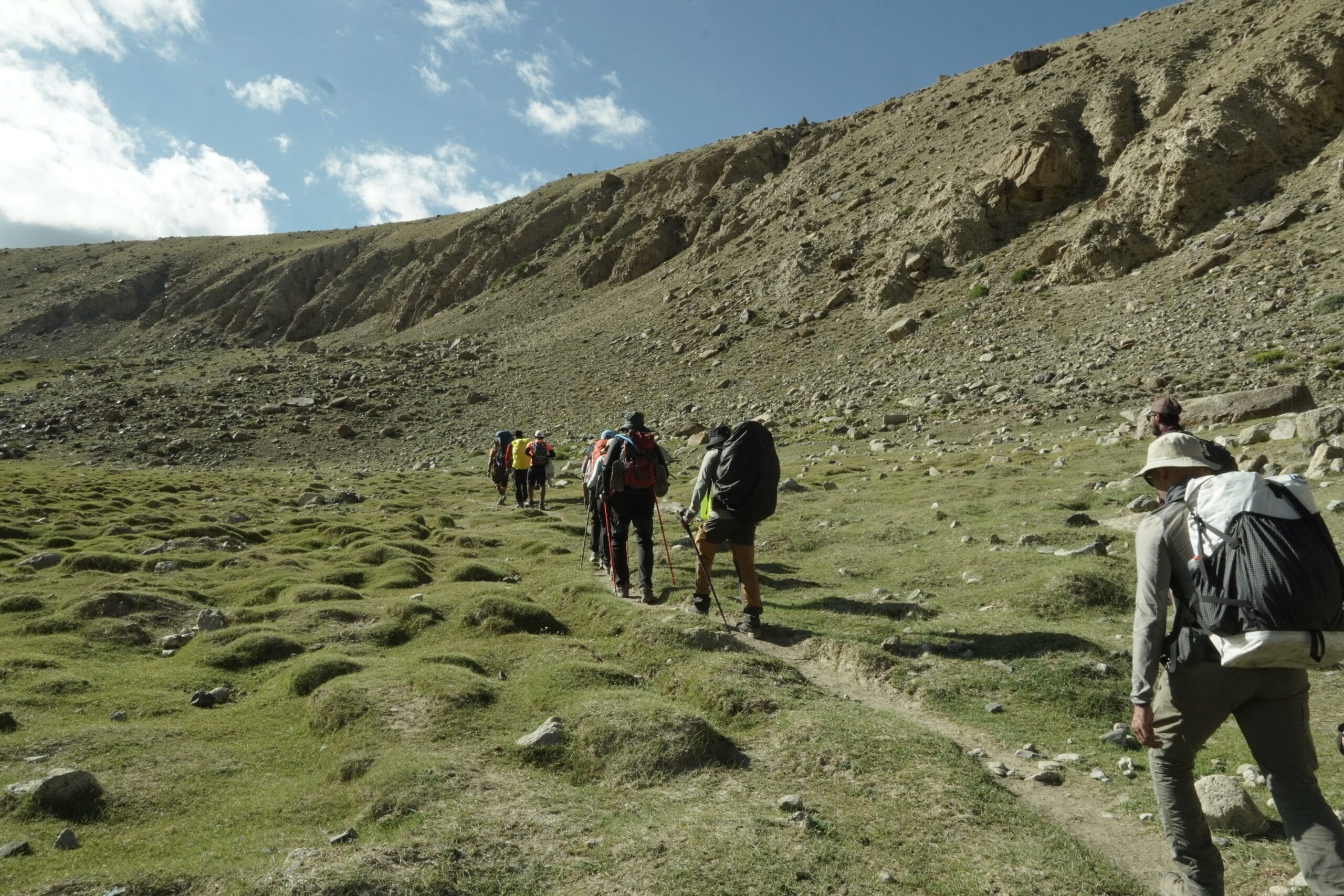
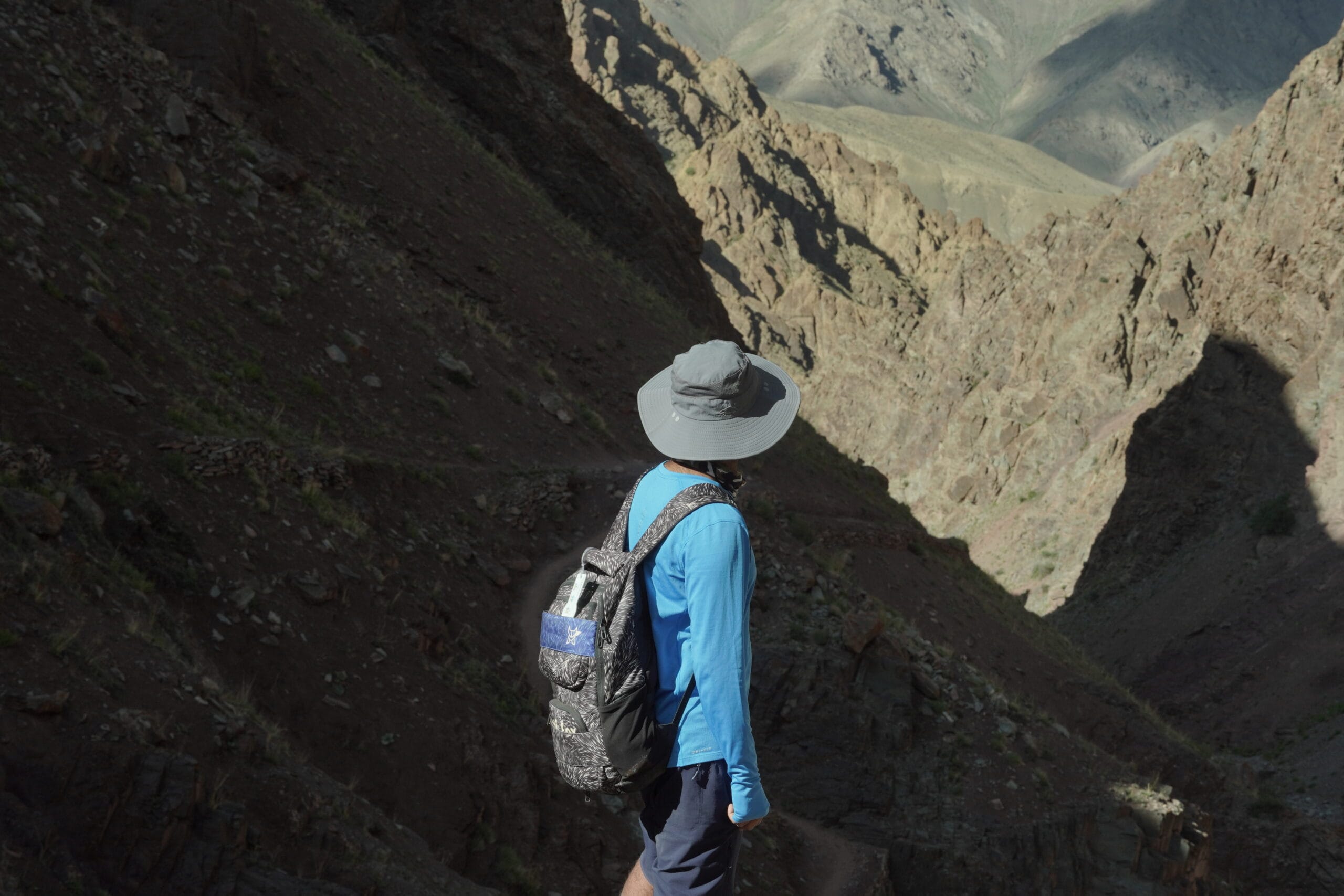
Challenging Adventure: Rated as a difficult trek, it’s ideal for adventurers looking to push their limits, offering a mix of steep ascents, rugged terrain, and high-altitude passes.
Itinerary
Your Markha Valley journey begins in Leh, the ancient high-altitude town in the heart of Ladakh. Landing here is a surreal experience in itself — massive desert peaks, fluttering prayer flags, and the crisp Himalayan air instantly awaken your senses. But at 3,500m, the real priority is acclimatization.
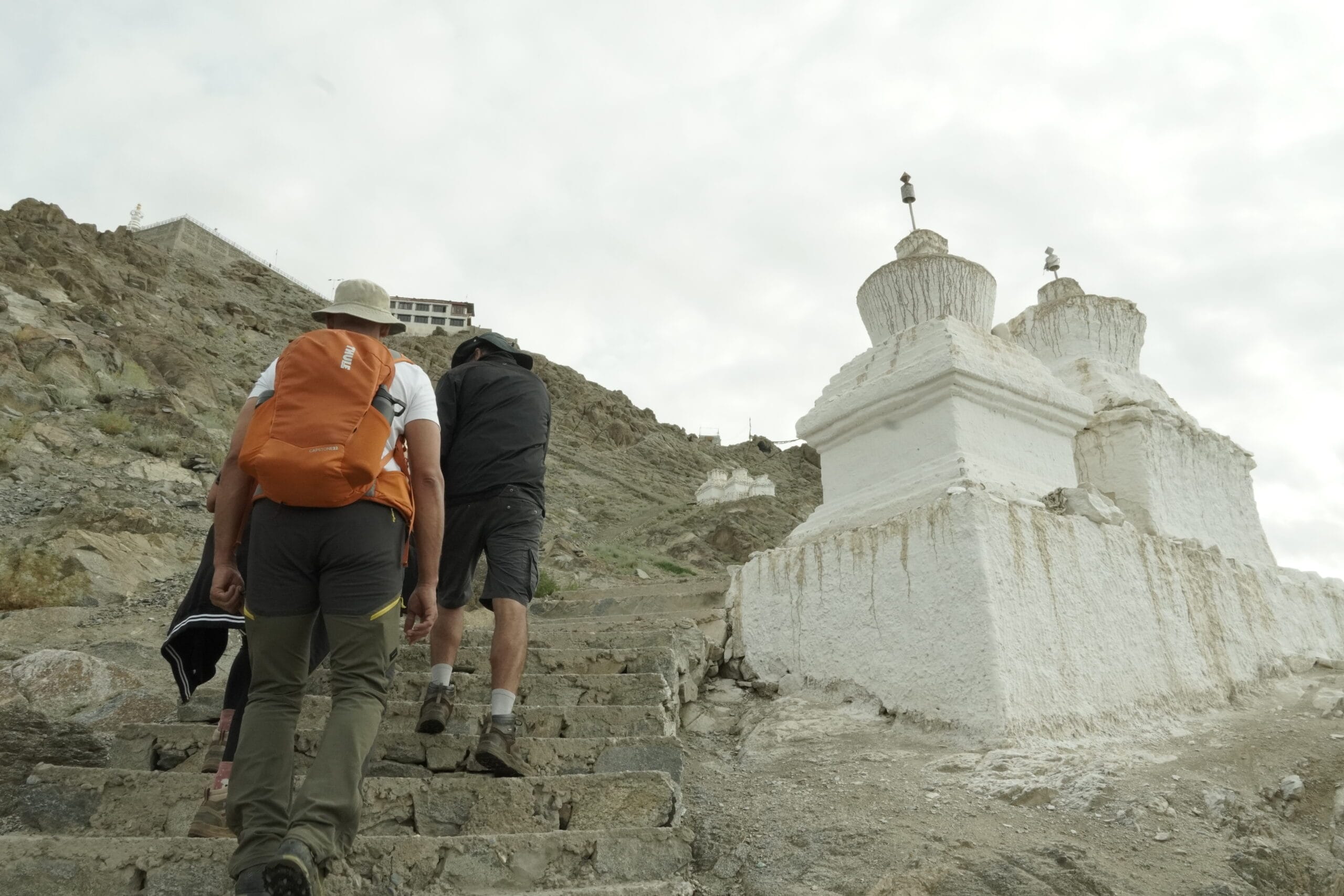
Spend the day resting at your hotel, drinking plenty of fluids, and soaking in the views from your balcony. In the evening, if you feel light, you can stroll to Leh Market or take a gentle walk up to Shanti Stupa for panoramic sunset views of the Indus Valley. Your legs may be idle today, but the excitement begins to build.
Altitude: 3,500m
Activity: Acclimatization + Optional local walk
Altitude Gain: +3,500m (from sea level)
This is an active rest day designed to help your body gradually adapt to high-altitude trekking. We’ll drive to Shey Palace, Thiksey Monastery, and the Stok countryside — giving you a glimpse into Ladakh’s rich Buddhist heritage and lifestyle. The monasteries, perched on cliffs and hilltops, are filled with centuries-old murals, giant prayer wheels, and the faint scent of incense in the air.
These short walks are gentle on the lungs but trigger the essential high-altitude adaptation. After returning to Leh by afternoon, you’ll prep your gear, complete a team briefing, and get excited for the real trail to begin tomorrow.
Altitude: 3,500m
Activity: Light cultural exploration + acclimatization
Altitude Gain: Minimal
Post breakfast, we leave the paved roads of Leh behind and head west toward the trailhead at Chilling — where the Indus and Zanskar rivers meet in dramatic confluence. The road snakes through moon-like gorges, past the Magnetic Hill, and into the wilderness of Hemis National Park, one of India’s largest protected high-altitude zones.
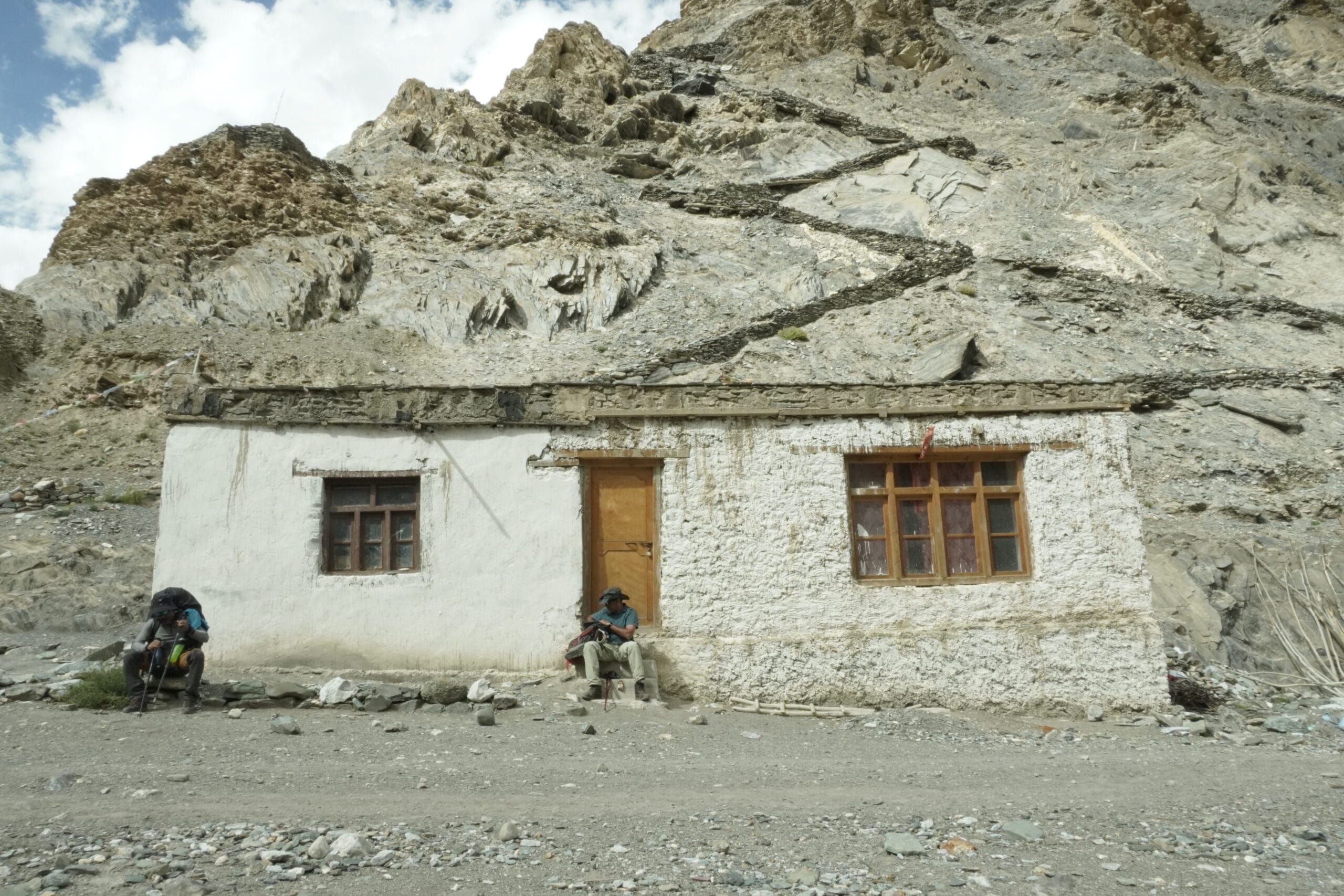
The 7 km trek from Chilling to Skiu begins with a thrilling bridge crossing over the Zanskar River. The trail runs alongside a narrow gorge, offering views of hanging glaciers and jagged cliffs above. You’ll walk on pebbled riverbanks, pass apricot orchards, and reach Skiu, a peaceful Ladakhi village where you’ll stay in a traditional homestay. Expect a hot cup of butter tea and a hearty local dinner.
Altitude: Chilling (3,200m) → Skiu (3,400m)
Trek Distance: ~7 km
Duration: 4–5 hours
Altitude Gain: +200m
Today’s trek takes you deep into Markha Valley, following the gentle yet wild flow of the Markha River. This 20 km stretch is long but not steep, ideal for building momentum. You’ll pass under towering canyon walls, cross wooden bridges, and see prayer flag-draped stupas that seem to appear out of nowhere in the landscape.
The terrain varies from sandy riverbed trails to lush oases lined with willows and wildflowers. Occasional stream crossings splash your boots and refresh your senses. You’ll reach Markha village, the largest settlement in the valley, known for its ancient monastery, barley fields, and mud-brick homes that glow orange at sunset.
Altitude: Skiu (3,400m) → Markha (3,700m)
Trek Distance: ~20 km
Duration: 6–7 hours
Altitude Gain: +300m
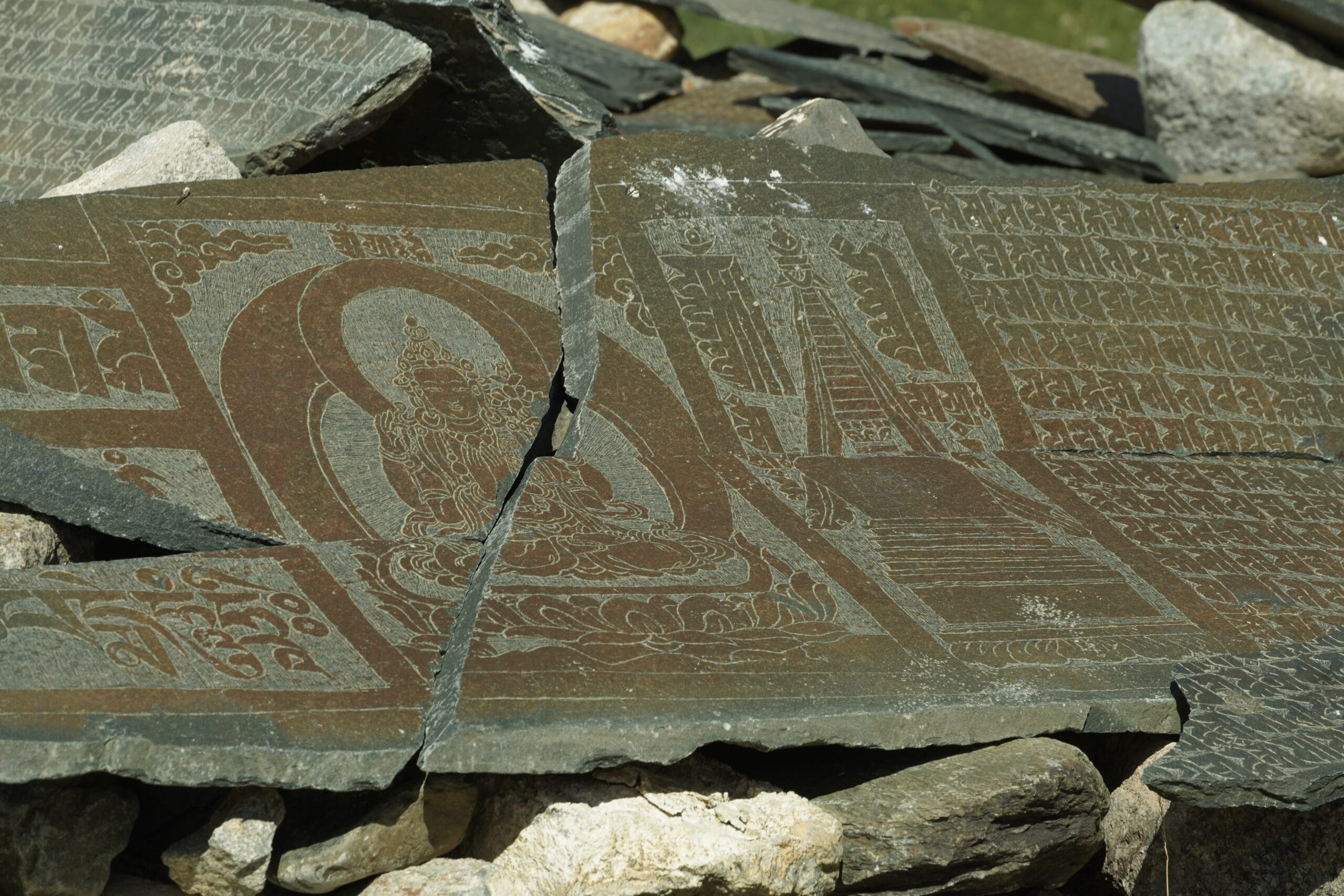
Leaving the village behind, you now enter raw Ladakhi wilderness. The trail gradually ascends as the green gives way to rocky ridges, with prayer walls and mani stones guiding the way. You’ll pass the Techa Gompa, dramatically perched above the valley — a perfect place for a quiet pause.
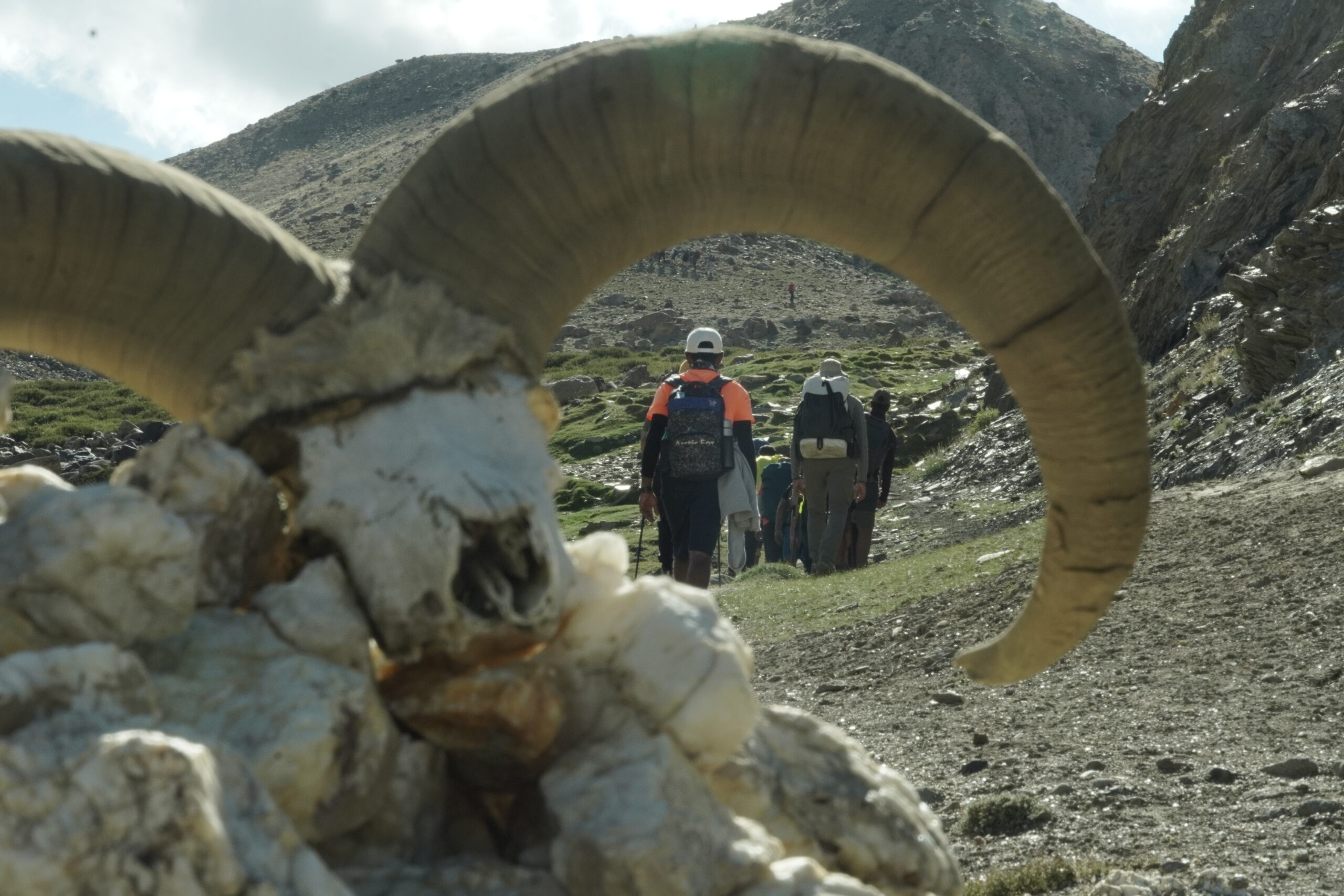
Wildlife sightings are common here — look out for blue sheep, marmots, and golden eagles. As you approach Hankar, the trail narrows and the imposing Kang Yatse massif begins to dominate the horizon. By now, the air is thinner, the silence deeper, and the mountains closer than ever.
Altitude: Markha (3,700m) → Hankar (4,000m)
Trek Distance: ~11 km
Duration: 5–6 hours
Altitude Gain: +300m
This is the day the landscape turns truly alpine. The trail gains altitude quickly, taking you through yak pastures, scree fields, and ridges offering sweeping views of Ladakh’s eastern ranges. The silence here is profound — broken only by the wind and the distant hum of shepherds herding livestock.
You’ll arrive at Nimaling, a legendary high-altitude grazing ground set against the backdrop of Kang Yatse I and II. This massive open plateau sits under the shadow of glaciated peaks and feels like a world unto itself. Tonight, we sleep in tents, surrounded by snow-capped giants and possibly the clearest sky you’ve ever seen.
Altitude: Hankar (4,000m) → Nimaling (4,800m)
Trek Distance: ~10 km
Duration: 6–7 hours
Altitude Gain: +800m
Today marks the grand finale. We start early to conquer the highest point of the trek — Kongmaru La Pass (5,260m). The climb is steep but rewarding. As you reach the pass, you’re greeted with a 360° view that spans the Zanskar Range, Kang Yatse peaks, and distant snowcaps of Tibet. A string of prayer flags flutters in the icy wind, marking your achievement.
The descent to Chokdo is sharp and dramatic — a winding trail carved through colourful mineral-rich rock gorges. Expect multiple stream crossings and changing textures underfoot. After reaching Chokdo, our vehicle awaits to drive us back to Leh, where warm beds and celebratory meals await.
Altitude: Nimaling (4,800m) → Kongmaru La (5,260m) → Chokdo (3,900m) → Leh
Trek Distance: ~16 km
Duration: 7–8 hours trek + 2 hr drive
Altitude Gain: +460m
Altitude Loss: -1,360m
After a week of crossing rivers, walking ancient trails, and breathing in Himalayan silence, it’s time to head home — lighter in baggage, heavier in stories. Enjoy your final breakfast with the team and prepare to depart from Leh. If time allows, grab some prayer flags or apricot jam as souvenirs from the market.
Altitude: 3,500m
Activity: Departure after breakfast
Altitude Gain/Loss: None
Inclusions
- Accommodation in Leh – 3 nights in a 3-star hotel on a twin-sharing basis with breakfast (Days 1, 2 & 7).
- Camping during the trek – Twin-sharing tents at all campsites (Skiu, Markha, Hankar, Nimaling) with high-quality sleeping bags and mats.
- All meals during the trek – From Day 3 lunch to Day 7 lunch, including hot breakfast, packed/hot lunch, evening soup/snacks, and dinner.
- Breakfasts in Leh – On Day 2, Day 3, and Day 8 before departure.
- Group transportation – Drive from Leh to Chilling (start point) and return drive from Chokdo to Leh after the trek.
- Trek leadership and support team – Certified trek leader, local guides, assistant staff, and support crew with high-altitude experience.
- Safety & support gear: Group first aid kit, oximeter for daily health monitoring, and support systems for minor injuries or altitude issues.
- Permits & entry fees: All required wildlife/environmental permits, Inner Line Permit, and village entry permissions for Markha Valley & Hemis National Park.
- Luggage storage in Leh – Facility to safely store your extra luggage during the trek.
Exclusions
- Meals in Leh other than breakfast.
- Travel insurance – Recommended but not part of the package.
- Tips, personal expenses, or evacuation costs – Bottled drinks, snacks, souvenirs, early exits, or medical rescue will be charged extra.
- Extra hotel nights in Leh – If you arrive early or stay beyond the itinerary, additional charges apply.
Additional Expenses
- Backpack offloading – ₹4600 for the entire trek (up to 10 kg). Pre-booking recommended.
- Homestay upgrade in Skiu, Markha & Hankar – Available on request for an additional charge (subject to availability).
- Single room/tent accommodation – Can be arranged in Leh and on trek (wherever possible) at extra cost.
- Extra hotel nights in Leh – ₹2,500–₹4,000 depending on room type, sharing, and availability.
- Personal trekking gear on rent – Down jackets, trekking poles, headlamps, etc., available for rent. Please reach out in advance.
- Travel insurance – Strongly recommended. Must cover high-altitude trekking and emergency evacuation.
Food & Cuisine
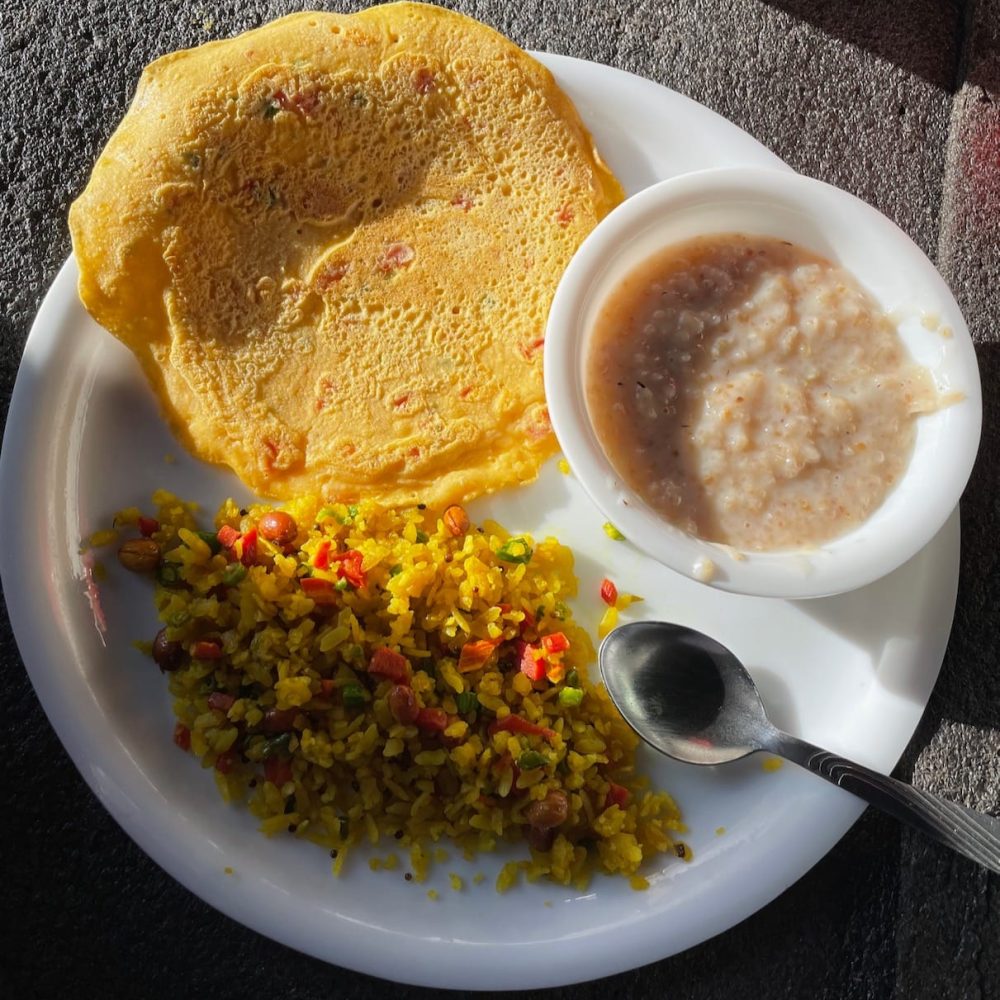
On the Markha Valley trek, we keep your energy levels high with simple, hot, and nutritious vegetarian meals served fresh throughout the trail. From breakfast on Day 3 to lunch on Day 7, all meals are covered. Expect comforting dishes like parathas, poha, oats, and upma in the mornings, with rice, dal, roti, sabzi, khichdi, and soup for lunch and dinner. Evening snacks or soup help you refuel at the end of each day’s hike.
Meals are prepared by our trek kitchen staff and served at the campsite dining tent. For days where we reach homestay locations, meals are served by the host family — often made with homegrown vegetables and served in traditional Ladakhi style. Drinking water is also provided at all campsites and is safe to refill from filtered sources or boiled.
Breakfast is also included on all hotel mornings in Leh (Days 2, 3 & 8), while lunch and dinner in Leh are not part of the package — giving you the freedom to explore some great cafés and restaurants in town.
Accommodation
In Leh (Days 1, 2 & 7), you’ll stay in a comfortable 3-star hotel on a twin-sharing basis with hot water, clean beds, and Wi-Fi at the lobby. Rooms are cozy and functional, perfect for resting before and after the trek.
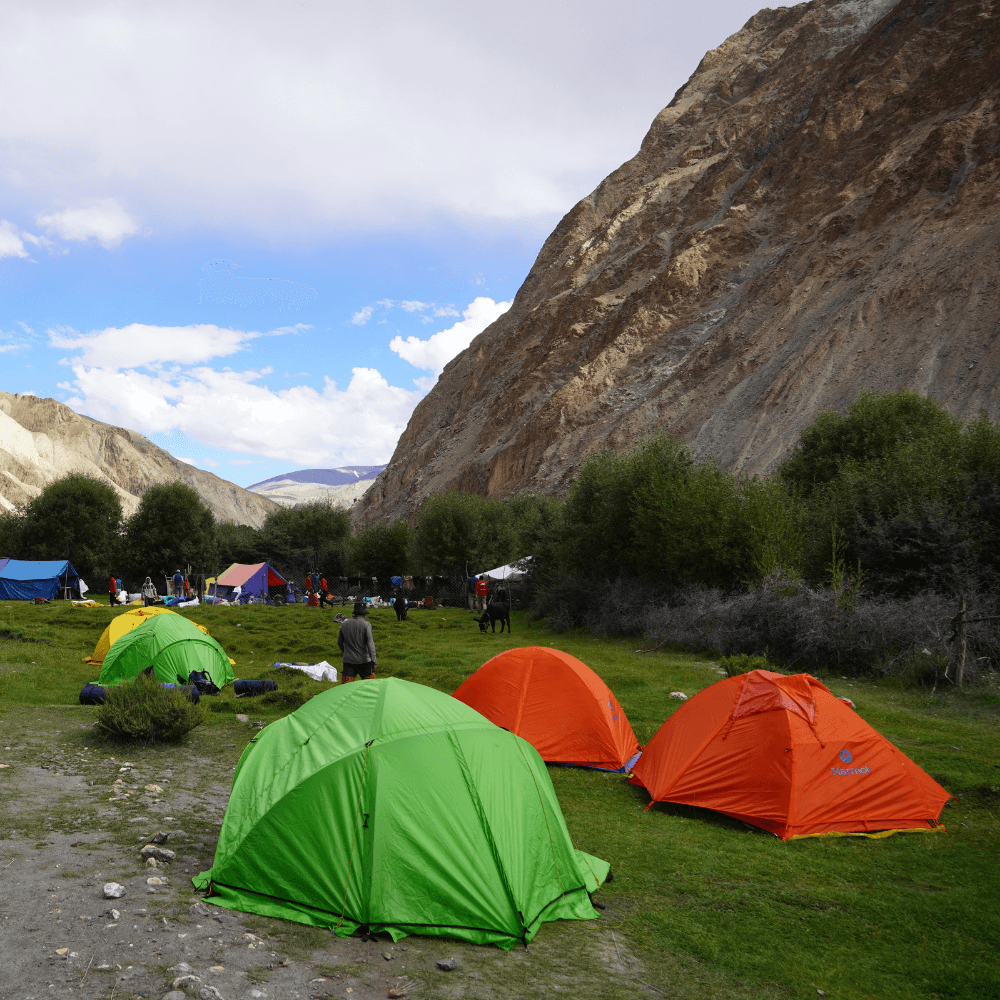
During the trek, accommodation is provided in twin-sharing dome tents at all campsites — even in villages like Skiu, Markha, and Hankar. Tents come with high-quality sleeping bags (sub-zero rated) and insulated foam mats to keep you warm and comfortable through the cold Ladakhi nights. Campsites also include toilet tents and a central dining tent setup.
If you wish to upgrade to local homestays in Skiu, Markha, or Hankar (subject to availability), we can arrange this at an additional cost. These Ladakhi homes offer a deeper cultural experience with traditional meals, mud rooms, and interactions with local families.
Fitness & Difficulty
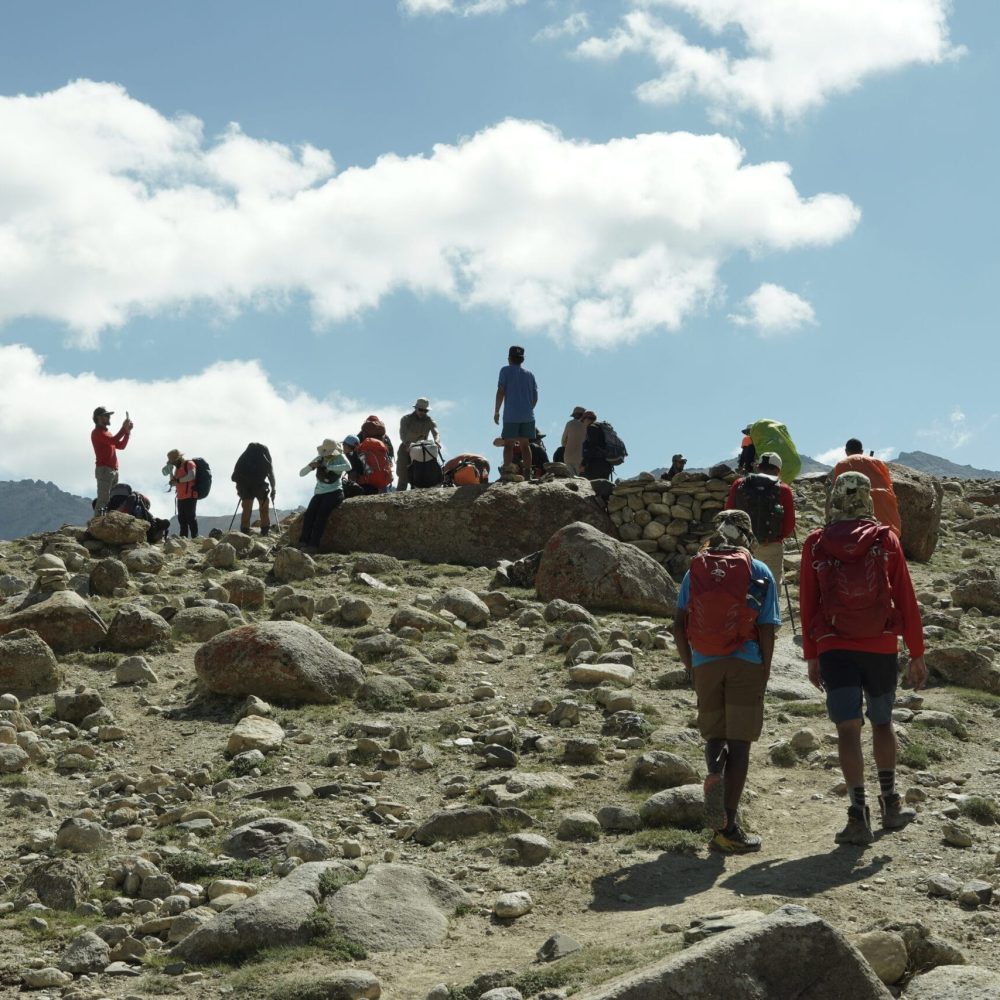
The Markha Valley Trek is rated moderate in difficulty, making it ideal for anyone who has done a Himalayan trek before and wants to step into a slightly higher-altitude adventure. It doesn’t involve technical climbing or glacier travel, but does require strong basic fitness and the ability to walk long hours at altitude.
You’ll be covering 15–20 km on certain days, navigating through river crossings, open meadows, rocky trails, and high mountain passes like Kongmaru La (5,260m). While the terrain isn’t steep every day, the altitude can make even gentle climbs feel challenging. You’ll also be camping at over 4,800m at Nimaling — so proper acclimatization and pacing are key.
If you’re someone who enjoys culturally immersive trails, big mountain views, and slightly rugged but rewarding adventures — Markha is for you. We recommend at least 3–4 weeks of regular cardio training, brisk walking, or stair climbing to help you fully enjoy the journey.
Dates Available
DATES |
AVAILABILITY |
|---|---|
4 July
|
Slots Available
|
8 August
|
Slots Available
|
September
|
Slots Available
|
Trek Fee: ₹23,000 + 5% GST per person
(This includes everything – comfortable stays, delicious meals, permits, expert guides, and more, as detailed in the Inclusions above.)
To Confirm Your Spot:
Click the Book Now button below to proceed with your booking. You’ll have the option to select your preferred dates and any optional add-ons on the next page.
Something Else In Mind?
We get it — adventures should feel personal. We’re here to co-create a version of this journey that feels right for you.
Start on your preferred dates
Custom inclusions & stay options
Tweak the itinerary or route
Plan a private group experience
Fill out the form or drop us an email at mail@outdoorwhisperer.com with your questions & requirements, and we’ll get back to you as soon as possible. For a quicker response, feel free to reach us directly at +91-8285967537.
Send Us Your Query
Why Outdoor Whisperer?
We do things a bit differently — and proudly so. We don’t chase numbers; we focus on depth, care, and quality. Each trek is meticulously planned, and organized with warmth, care, and an unwavering focus on your safety. From pre-trek online briefings to carefully curated experiences on-ground, we believe the best adventures are the ones that feel like they were made just for you.
Founder-led Journeys
Every batch is personally led by our founding team — not outsourced. We’re deeply involved in your journey, from planning to trail.
Quality Over Quantity
We run fewer batches on purpose. It lets us focus on doing each trek really well, with attention to detail, better care, and stronger group vibes.
Designed With Heart
We thoughtfully craft each batch to feel personal — with small surprises, better pacing, and meaningful touches that make the journey feel your own.
Safety Comes First
From altitude protocols to evacuation readiness, our on-ground team is WFR-certified, highly experienced, and well-versed with Himalayan conditions.
Pre-Trek Online Briefing
Before every departure, we host detailed virtual briefings so you're mentally and logistically prepped for what lies ahead.
Transparent Pricing & Terms
No hidden charges. No unpleasant surprises. We only offer what we’d want for ourselves — quality, integrity, and care.
What To Pack?
Things to Pack for Markha Valley
Markha Valley is a trek of contrasts — river crossings, arid valleys, cold nights, and sun-drenched days. Packing right helps you stay light on your feet and ready for anything. Stick to breathable layers, keep your load minimal, and make space for the small things that add big comfort out there.
Clothing – Layer Up Smart
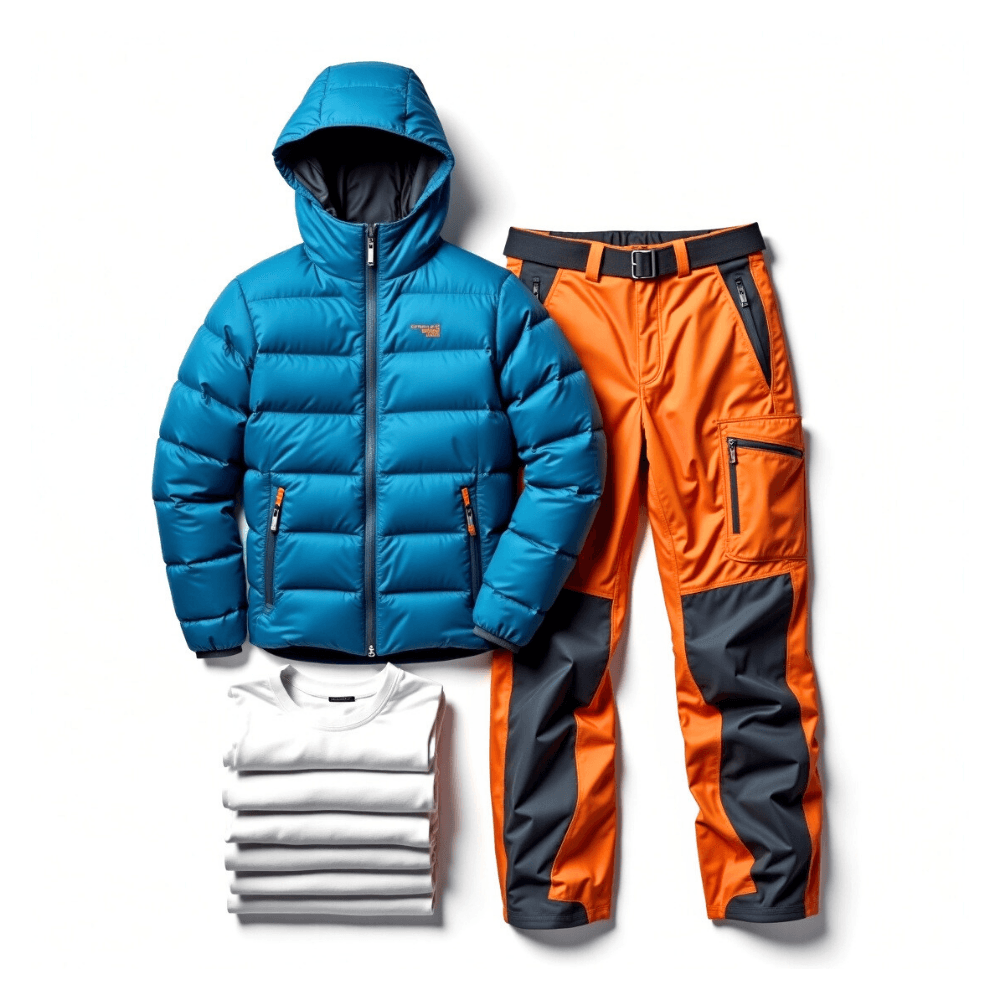
Temperatures vary drastically from sunny days to freezing nights, especially above 4,000m. Layering is key:
- 3 quick-dry full-sleeve trekking t-shirts
- 1 fleece or woolen pullover
- 1 light down jacket or heavy padded winter jacket
- 1 waterproof/windproof shell jacket (with hood)
- 2 trekking pants (1 quick-dry, 1 warm/fleece-lined)
- 1 set of thermal base layers (top & bottom)
- 4–5 pairs of trekking socks (blend of wool and synthetic)
- Woolen cap/beanie + sun cap or hat
- Buff or neck gaiter (wind & sun protection)
- Waterproof gloves (outer layer) + inner fleece gloves
- Undergarments (quick-dry preferred)
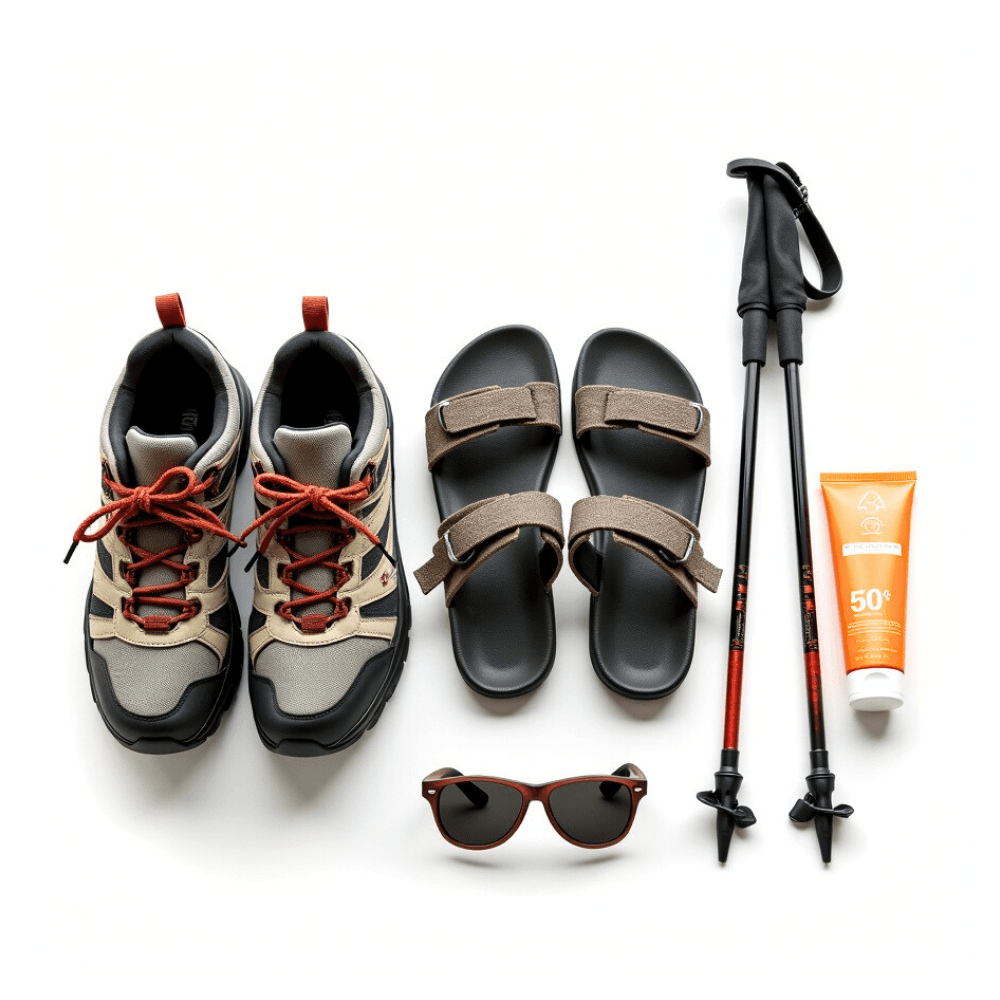
Footwear & Accessories
The trail involves boulder hopping, river crossings, and scree sections — good grip is essential:
- 1 pair high-ankle trekking shoes (broken in)
- 1 pair sandals or slippers (for campsite use)
- UV-protection sunglasses (Category 3 or higher)
- 1 or 2 trekking poles (strongly recommended for pass descent)
Gear & Packing Essentials
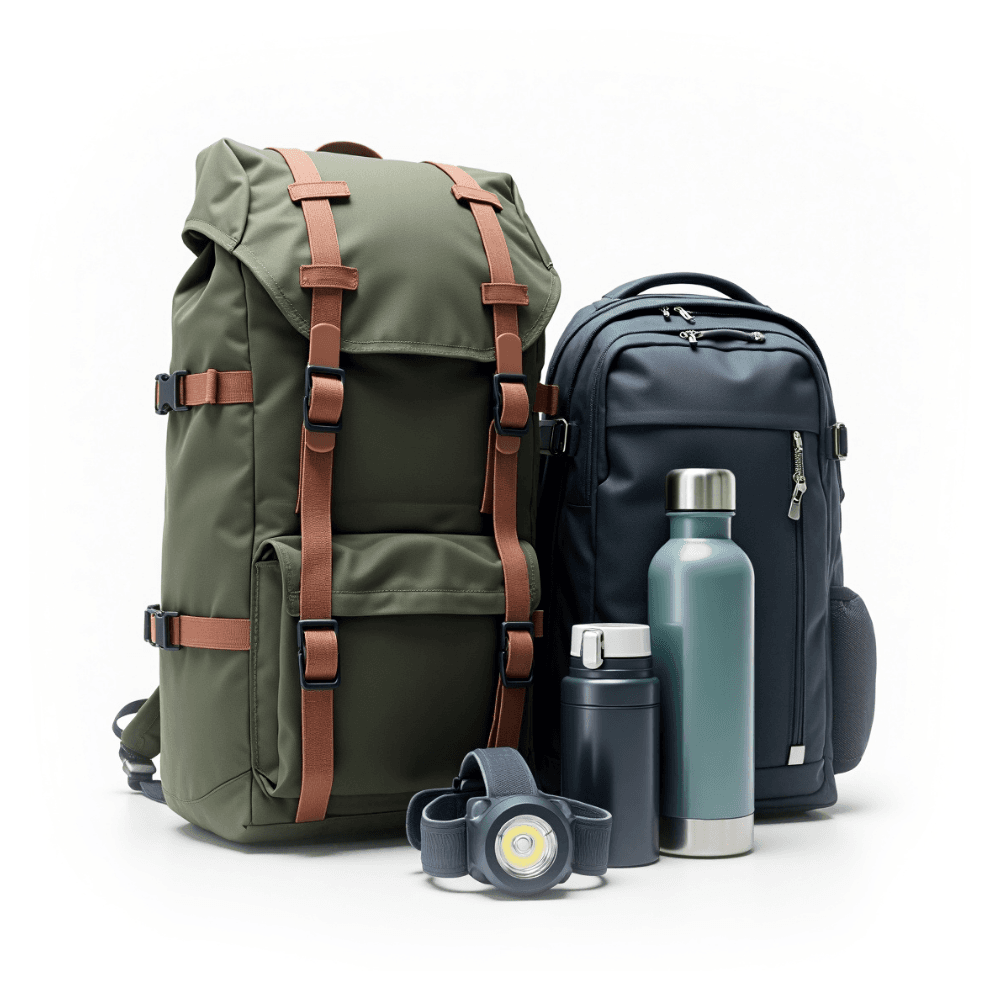
- 50–60L backpack with rain cover
- Small daypack (for summit push/load ferry)
- Headlamp with extra batteries (must-have for summit night)
- Water bottles (2L total) or hydration bladder
- Lightweight thermos flask (optional)
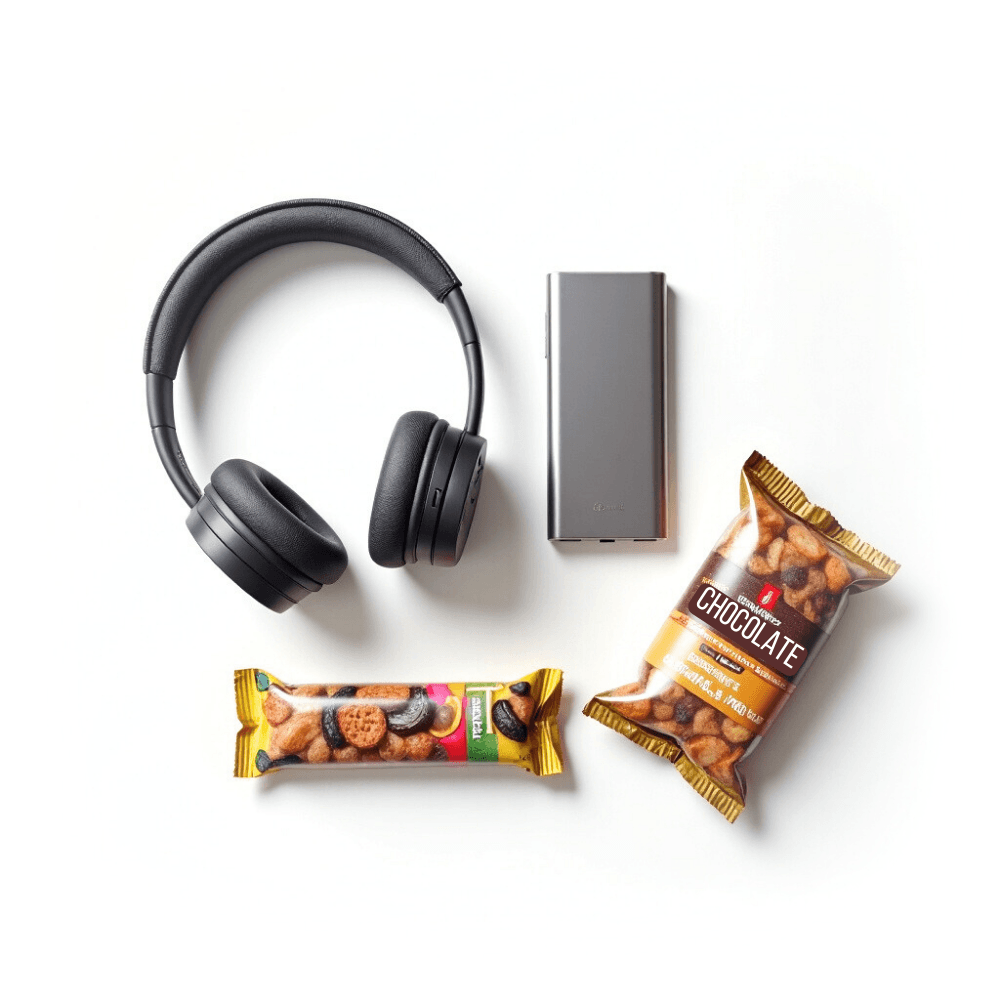
- Power bank
- Passport-size photos + ID copy (for permits)
- Dry bags/stuff sacks/packing cubes
- Small lock (for bags at hotel)
Personal Hygiene & Toiletries
- Toothbrush & toothpaste
- Quick-dry towel
- Hand sanitizer & wet wipes
- Toilet paper/tissues
- Menstrual hygiene products (if needed)
- Soap strips or biodegradable soap
- Nail cutter, comb, basic toiletries


Health & Medical Kit
- Diamox (consult your doctor)
- Personal prescribed medicines
- Basic painkillers (Combiflam, Crocin)
- Blister patches & Band-aids
- Antiseptic cream
- ORS/Electrolyte sachets
- Anti-diarrheal tablets
Extras & Good-to-Haves
- Energy bars/dry fruits/trail snacks
- Notebook + pen
- Book/Kindle/cards for downtime
- Earplugs and eye mask
- Camera + batteries/memory card
NOTE: This is a trekking expedition — no personal climbing gear needed. All group logistics like tents, sleeping bags, and kitchen setup are provided by us. You only need to bring your personal gear and wearables. If you’re missing any personal trekking gear like poles, jackets, or headlamps — we offer rental options on request. Please get in touch in advance for availability and charges.
Pack mindfully, travel light, and make sure your backpack is fitted and tested before the expedition.
Common Questions
The Markha Valley trek is graded moderate. It’s not technically challenging, but you’ll be trekking long distances (up to 20 km/day) at altitudes ranging from 3,200m to 5,260m. It’s suitable for fit beginners and experienced trekkers alike. Regular training and good acclimatization are key to enjoying the trail.
You’ll cross Kongmaru La Pass at 5,260 meters, the highest point on this trek. It’s a steep climb and descent on either side, but it rewards you with one of the most panoramic Himalayan views in Ladakh.
Not necessarily. If you’re reasonably fit and have done a multi-day Himalayan trek before, you’re good to go. The trail is well-defined, and there’s no technical climbing involved. First-timers should train well and come prepared for high altitude.
You should be able to walk 6–7 km a day for several days, ideally with a backpack. We recommend 3–4 weeks of regular training (walking, jogging, stair climbing, or cycling). A strong cardiovascular base and endurance will help you enjoy the trail and manage the altitude better.
The best window is from mid-June to mid-September, when the weather is most stable in Ladakh. July and August are especially beautiful, with green pastures, wildflowers, and flowing streams, while September brings clear skies and colder nights.
ght to Kushok Bakula Rimpochee Airport, Leh (IXL), arriving on Day 1 of the itinerary. From the airport, you can take a prepaid taxi or local transport to reach our designated hotel in Leh. We’ll share the hotel name and address well in advance. Participants are expected to report at the hotel by afternoon on Day 1 — rest and acclimatization begin immediately.
Yes. The entire trail passes through the Hemis National Park, one of India’s largest protected high-altitude reserves. You may spot marmots, blue sheep, ibex, golden eagles, or even signs of the elusive snow leopard.
The trail offers everything — riverbanks, rocky ridges, grazing meadows, and narrow canyons. You’ll cross streams, walk on sandy paths, occasional boulder sections, and gain serious altitude while approaching Nimaling and Kongmaru La.
The trek starts at Chilling (3,200m) and ends at Chokdo (3,900m). Both points are accessible by vehicle from Leh. We provide group transportation to and from these trailheads.
No. There is no network or internet beyond Leh. Once the trek starts, you're off-grid until you return. Use this time for a true digital detox. Our trek leaders have communication setups for emergencies.
You’ll be camping in twin-sharing tents throughout the trek. We provide high-quality tents, sleeping bags, and mats. If you prefer to stay in a local Ladakhi homestay in villages like Skiu, Markha, or Hankar, we can arrange that at an extra cost.
You’ll be staying at a 3-star hotel in Leh for 3 nights (Day 1, 2, and 7) on a twin-sharing basis, with breakfast included. The hotel has hot showers, comfortable beds, and easy access to the market.
Expect hot, vegetarian, homemade-style meals — freshly cooked at camps or served in homestays. Breakfast includes oats, parathas, or poha; lunch/dinner includes rice, dal, sabzi, roti, khichdi, soup, and sometimes dessert. We also serve tea and evening snacks. Special dietary needs can be accommodated if informed in advance.
Yes, we provide filtered and safe drinking water at all campsites. You can refill your bottle every morning and at lunch halts. You’re encouraged to carry a reusable bottle or hydration bladder.
Leh stays relatively warm (10–20°C) during the day, but temperatures drop significantly on the trek, especially at Nimaling, where it can reach -5°C to -10°C at night. During the day, it’s sunny and dry, but wind chill increases at higher altitudes.
Yes, since you're sleeping above 3,500m and trekking to 5,260m. However, the gradual ascent, acclimatization days in Leh, and careful pace help reduce risks. Our leaders monitor health daily, and we carry oximeters and a first-aid kit.
Our team is trained in basic mountain first aid and will monitor your vitals. If required, we will descend, assist with evacuation, or return to Leh. Your safety is always our first priority.
No. All camping equipment — tents, sleeping bags (sub-zero rated), mats — are provided. You only need to bring your personal trekking gear and clothing (see our full packing list).
Yes. You can pre-book offloading for the entire trek. This is ideal if you want to hike lighter or save energy for longer days like Skiu to Markha or the Kongmaru La pass crossing.
Backpack offloading is available for up to 10 kg per person. Charges are ₹400/day. You’ll still need to carry a small daypack with water, snacks, and essentials.
We set up dry pit toilet tents at campsites. In some villages, there may be basic toilets available. Carry toilet paper and hand sanitizer. Wet wipes and biodegradable soap also come in handy.
Yes, we provide rental gear on request, including down jackets, trekking poles, headlamps, and gloves. Please let us know in advance to ensure availability.
Yes — we recommend and require participants to have outdoor travel insurance covering high-altitude trekking, accidents, and emergency evacuation. This protects both you and the team in case of emergencies.
We follow strict safety protocols, including regular health checks, use of oxygen and first aid, expert route planning, weather monitoring, and gear training. Your safety is always our top priority — even above summit success.
Yes. You can leave your extra luggage at the hotel in Leh before the trek. Just carry what’s required on the trail.
Yes. On successful completion, you’ll receive a certificate from Outdoor Whisperer.
We understand that plans can change, and we try to keep our cancellation policy fair and transparent. Depending on how close to the departure date you cancel, partial refunds are possible, and we also offer options to transfer your booking to a future trip in certain cases.
For the full breakdown of timelines, conditions, and refund details, please check out our complete cancellation policy here: