
Kang Yatse 2
Your First Step Into the Big Leagues of Himalayan Climbing
Altitude
6250 Meters
Difficulty
Hard
Duration
11 Days
Location
Ladakh
Fee
INR 53,000
Overview
READ MORE
KANG YATSE II EXPEDITION HIGHLIGHTS
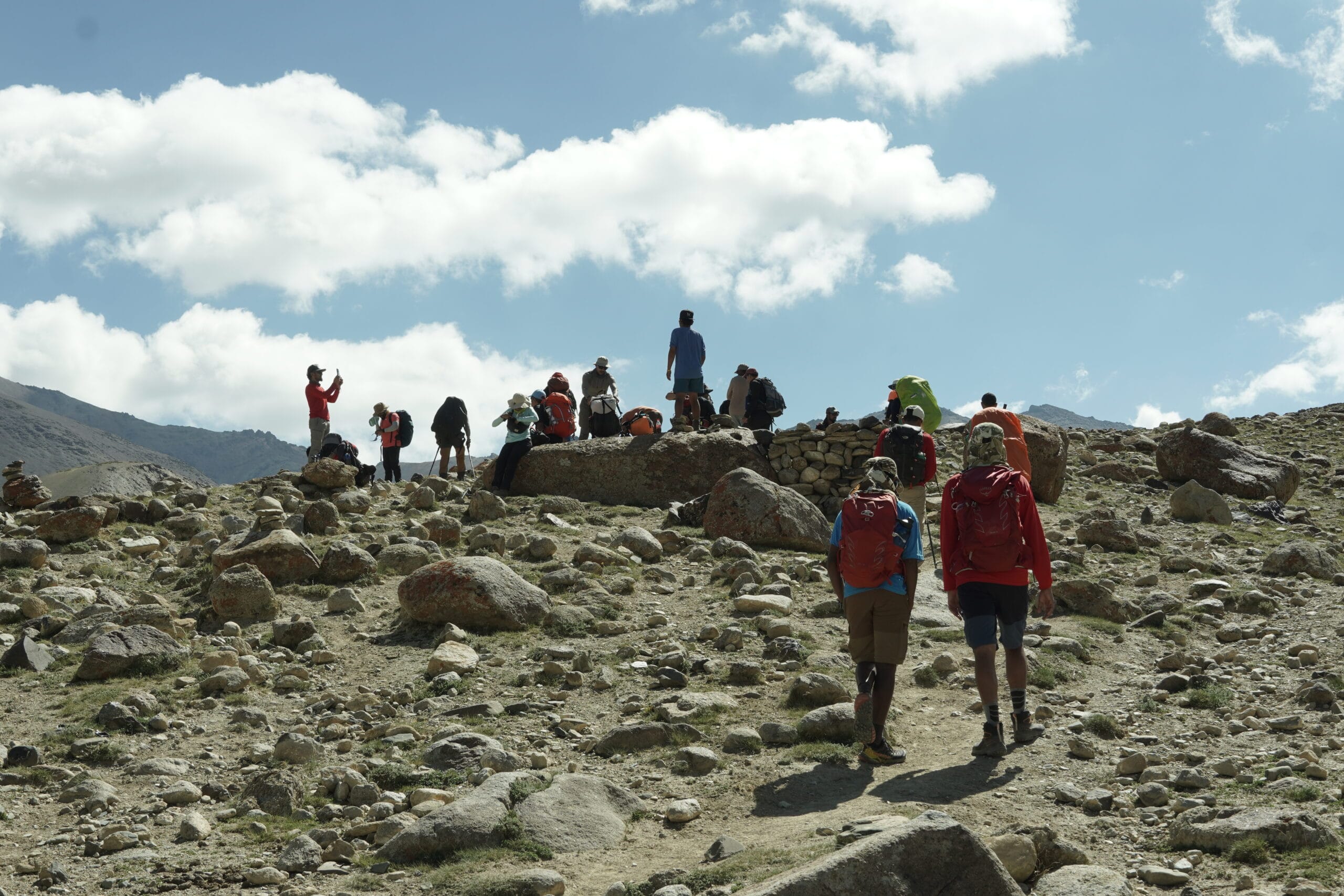
Ideal First 6,000m Climb: Kang Yatse 2 is often recommended as the perfect mountain for those looking to climb their first 6,000-meter peak, providing an ideal introduction to the Himalayas
Expedition-Style Adventure: This trek offers a real expedition-style experience, allowing trekkers to develop and utilize essential climbing skills.
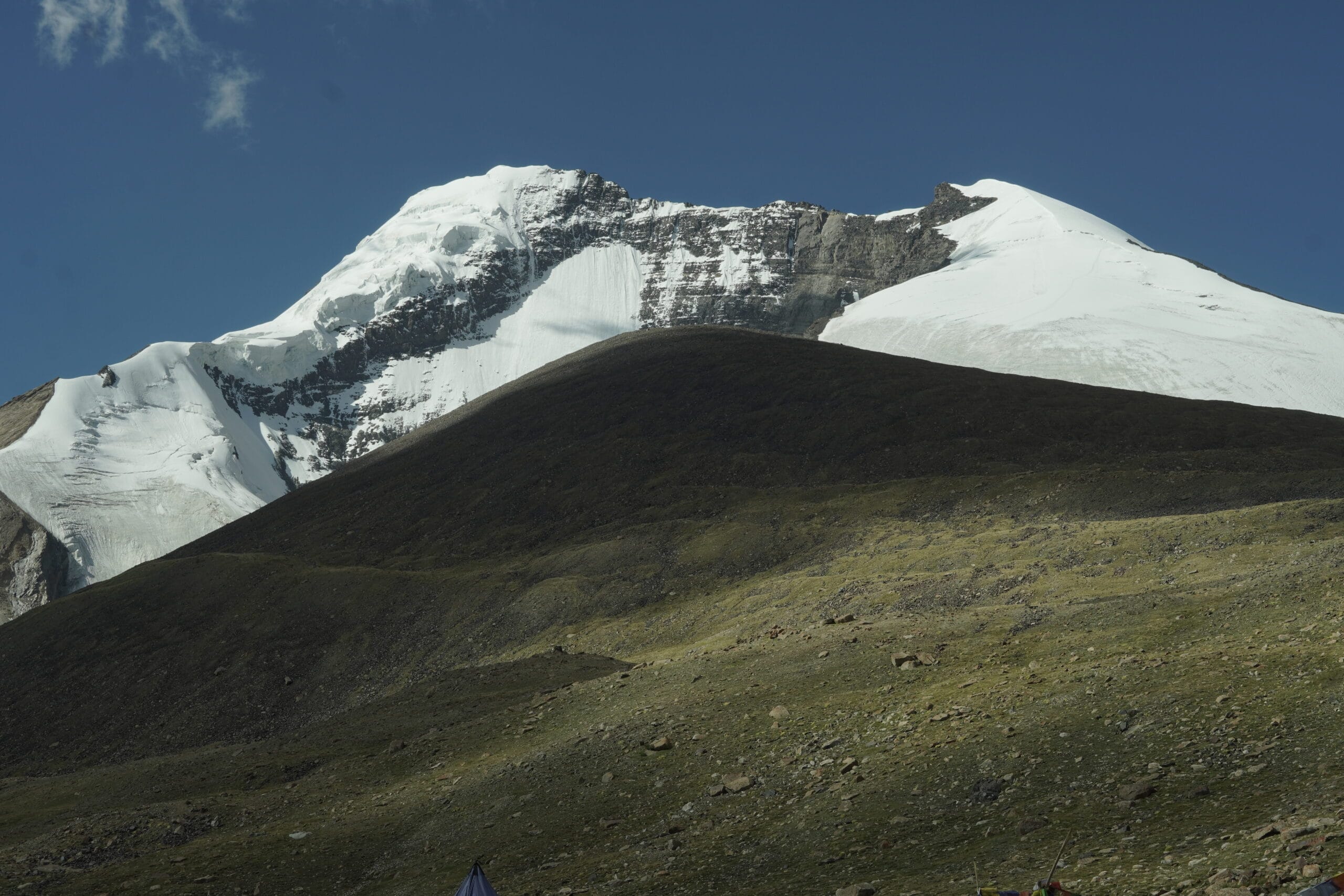
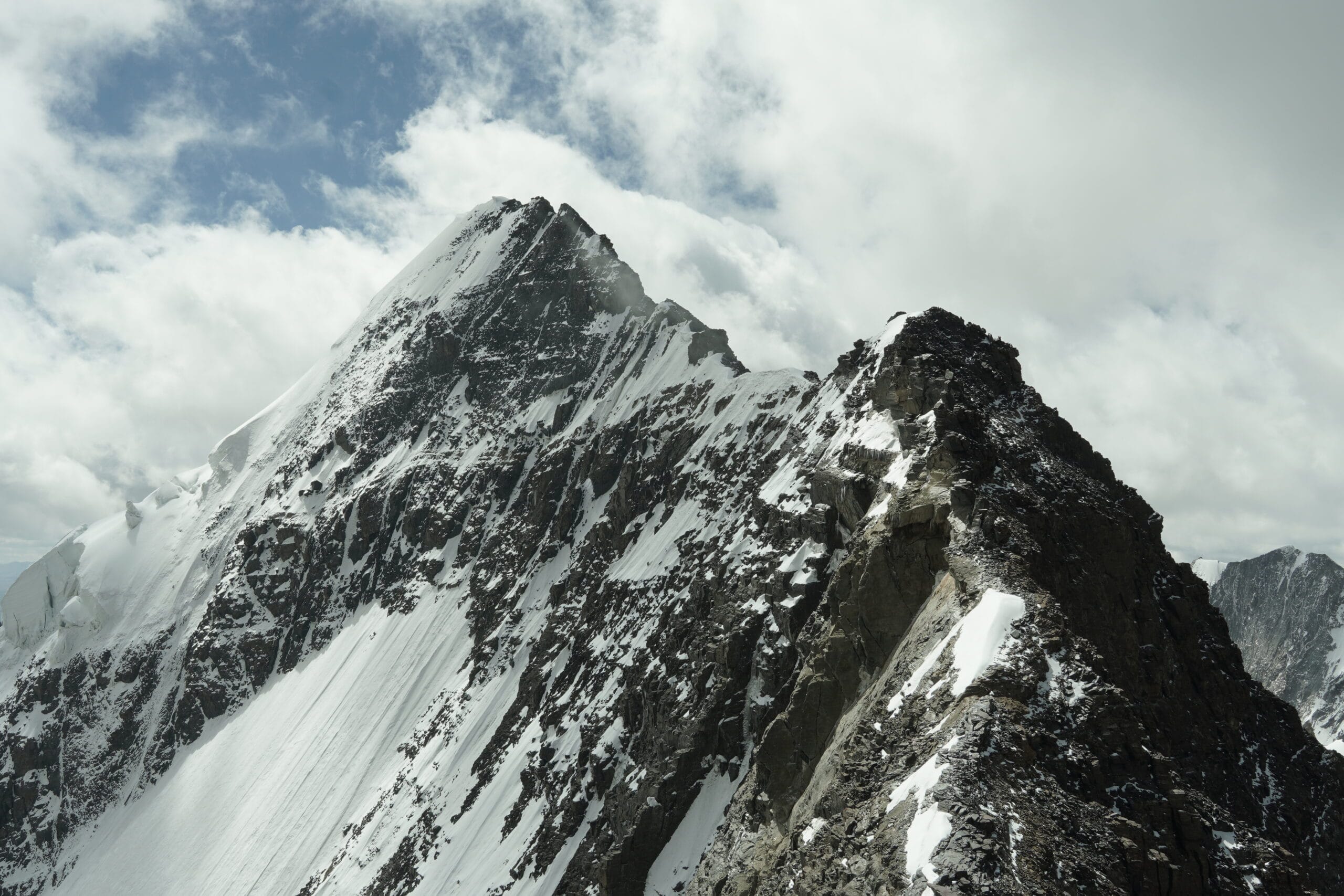
Spectacular Views: The summit offers breathtaking views of the Markha Valley, Zanskar Range, Karakoram Peaks, and possibly distant Tibet Mountains, depending on the clarity of skies.
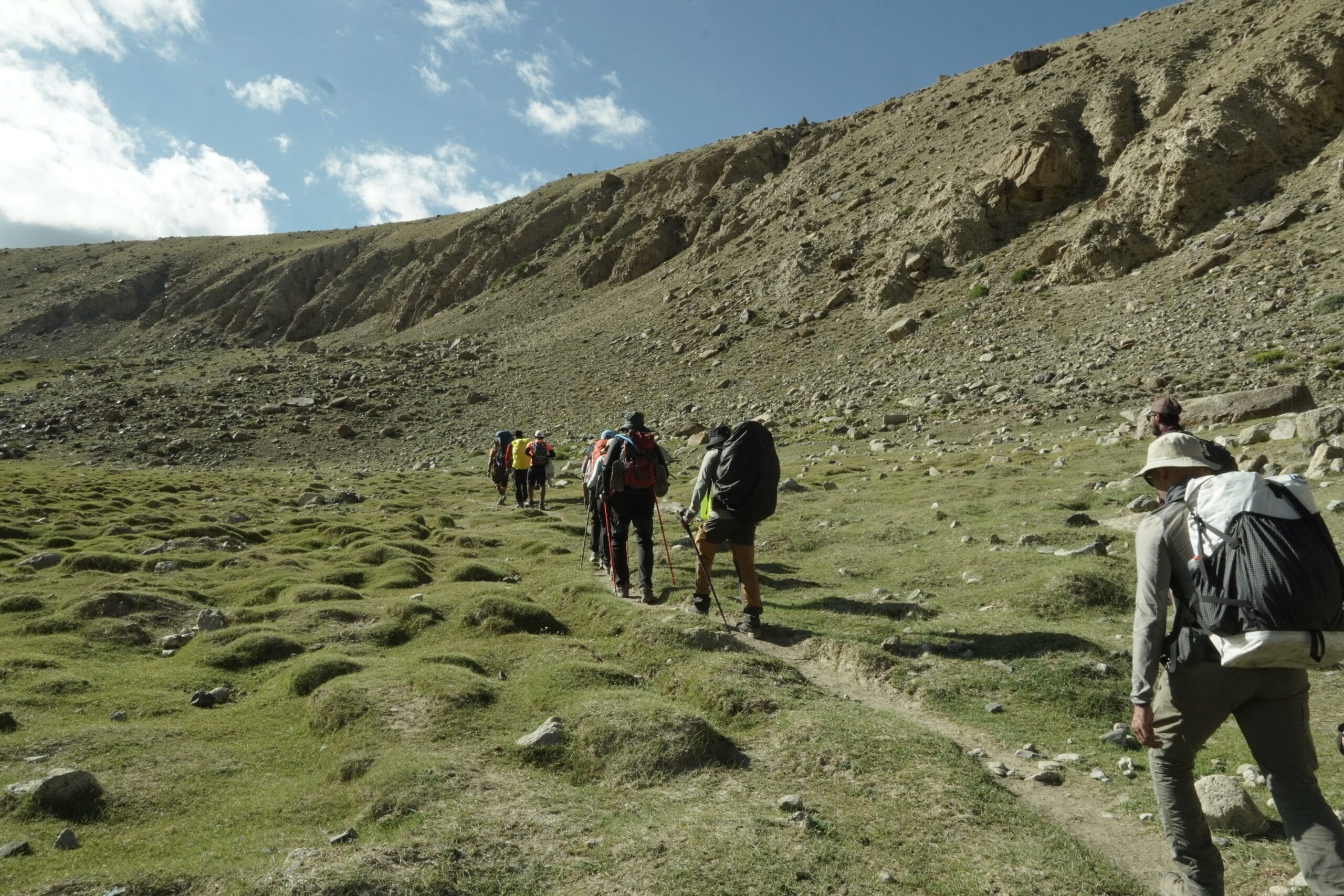
Diverse Terrain: The journey includes traversing large snowfields, scree, and moraine zones, offering a variety of terrains and challenges.
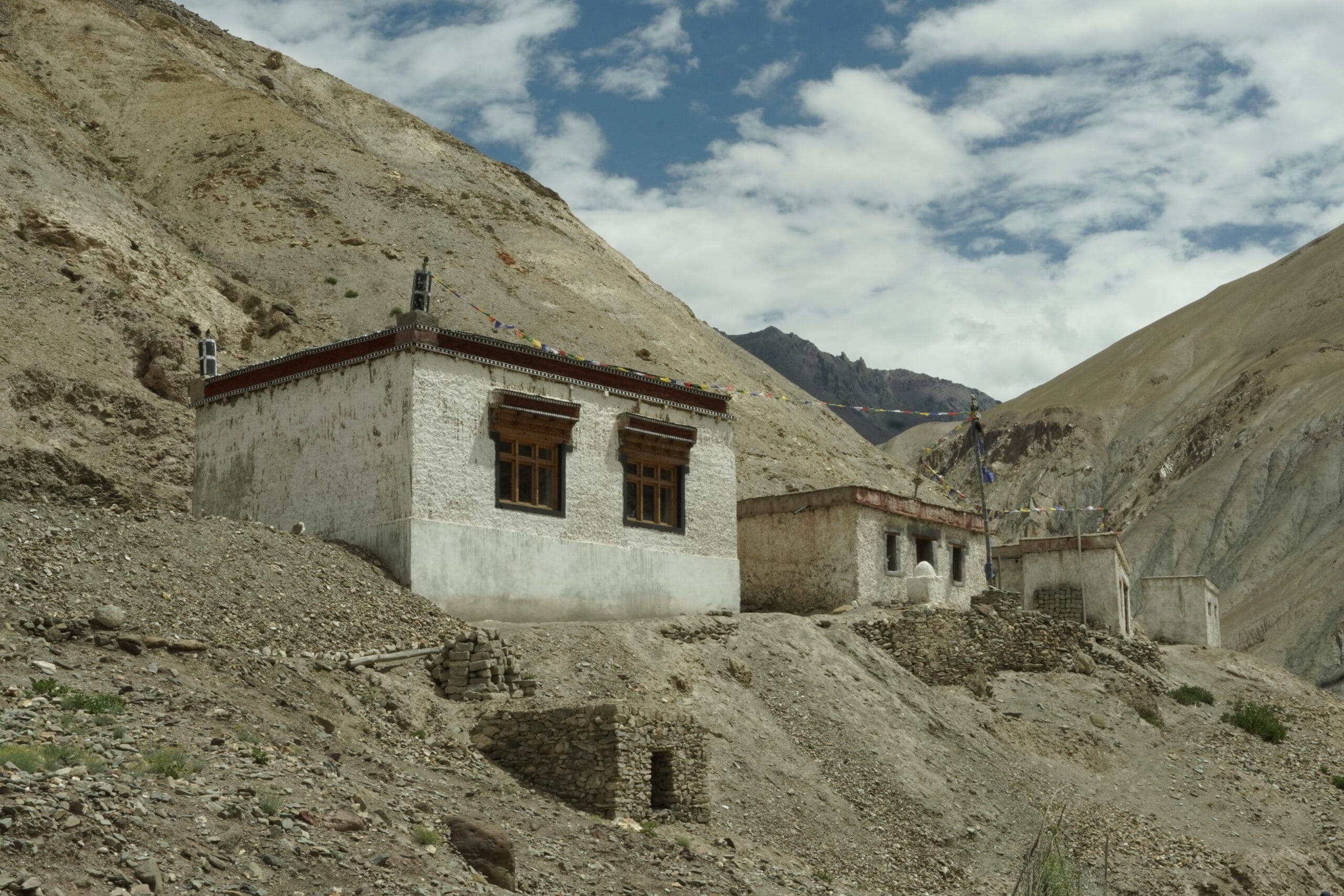
Cultural Experiences: The trek passes through several Ladakhi villages, monasteries like Tacha Gompa, and historical sites, allowing trekkers to experience local culture
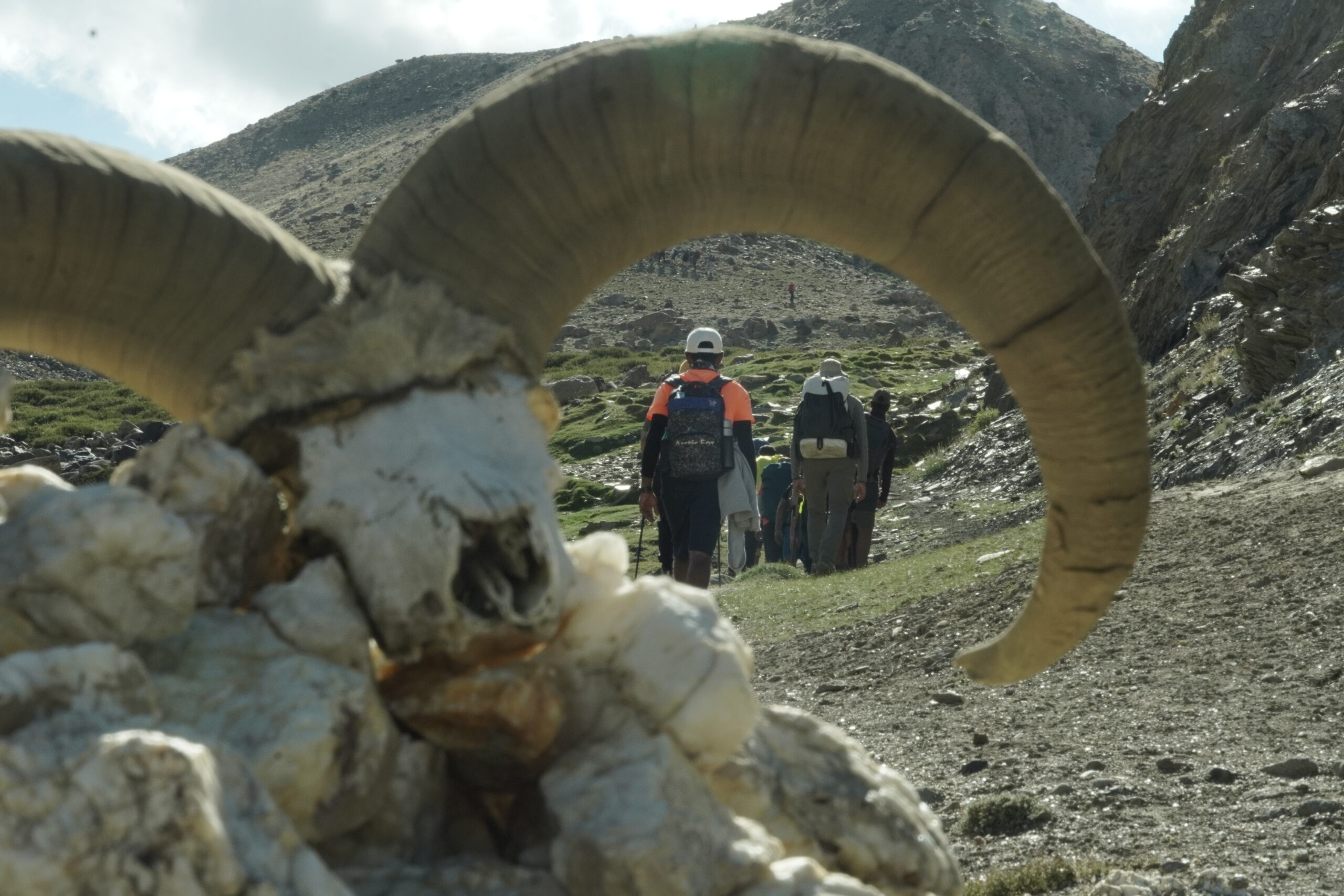
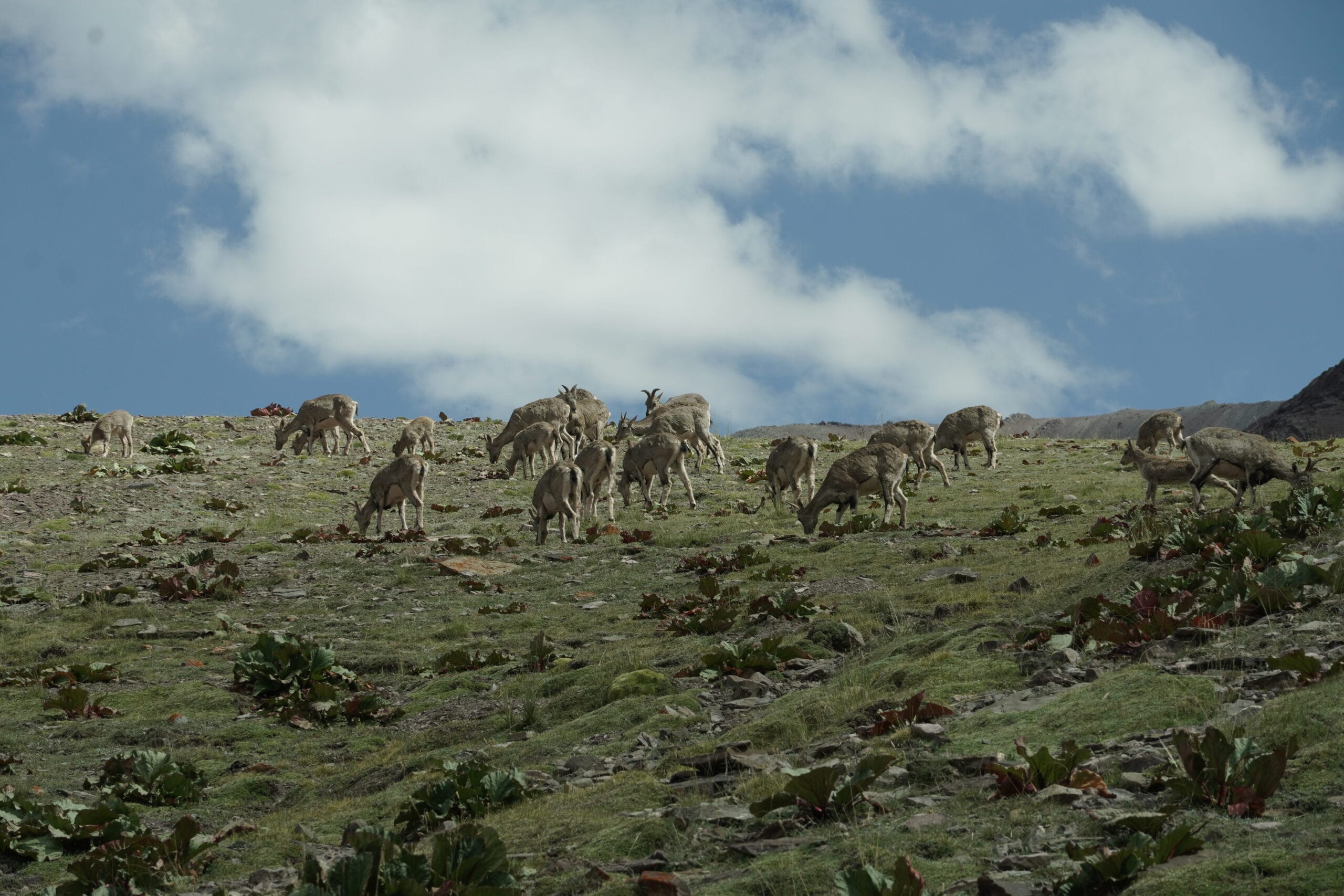
Rich Biodiversity: The trek takes place in the Hemis National Park, home to diverse wildlife, including the possibility of seeing blue sheep.
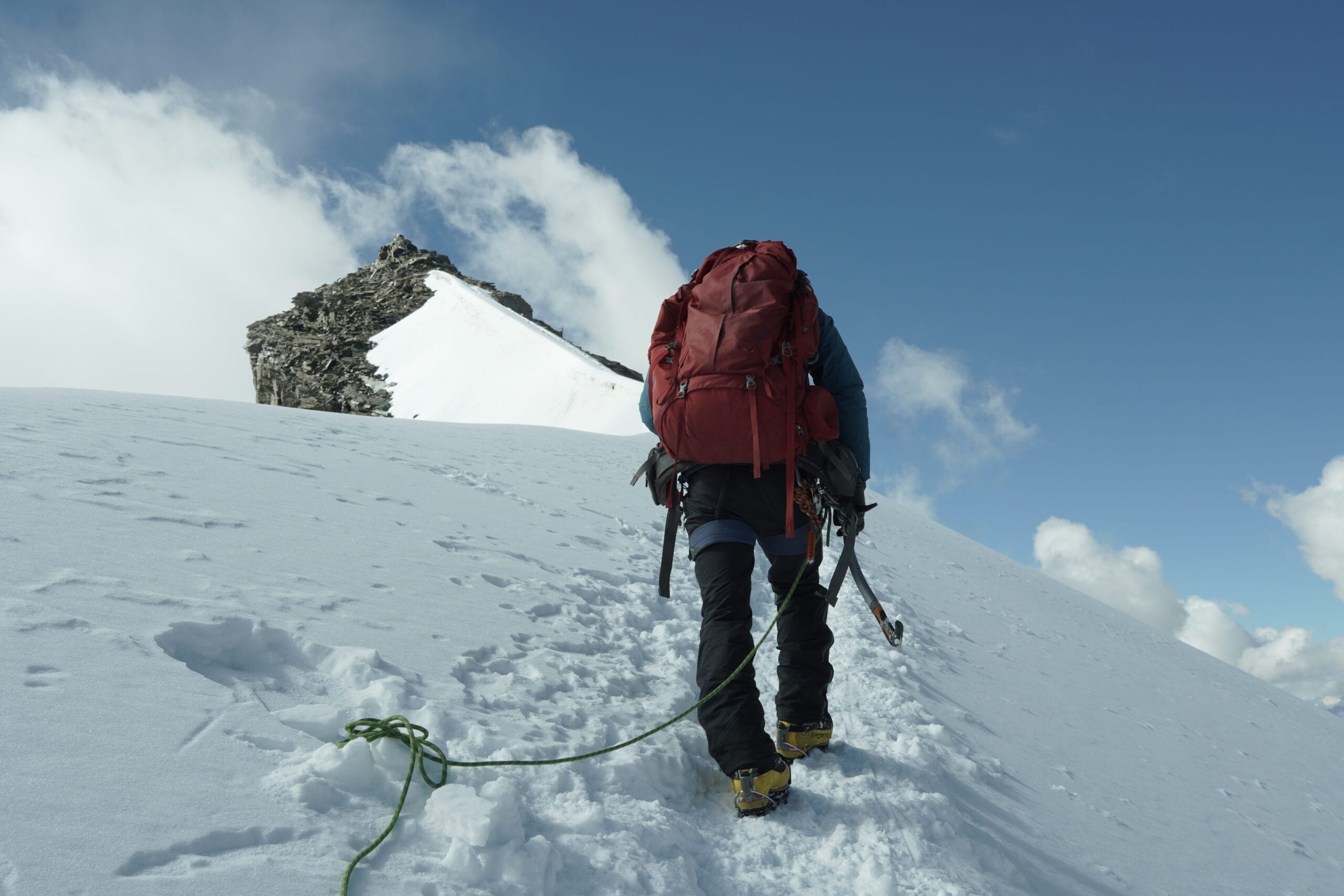
Technical Aspects: The summit day is both long and challenging, involving technical aspects such as the use of ropes on snow, which adds to the adventure and skill-building.
High Altitude Acclimatization: The trek includes days for acclimatization, essential for adapting to the high altitude and thin air.
Physical Fitness and Training: Preparing for the trek requires good physical fitness and training, making it a rewarding challenge for those who enjoy physically demanding adventures.
Unique Climbing Experience: The trek offers a unique climbing experience with its varied terrain, stunning landscapes, and the challenge of summiting a 6,000-meter peak.
Itinerary
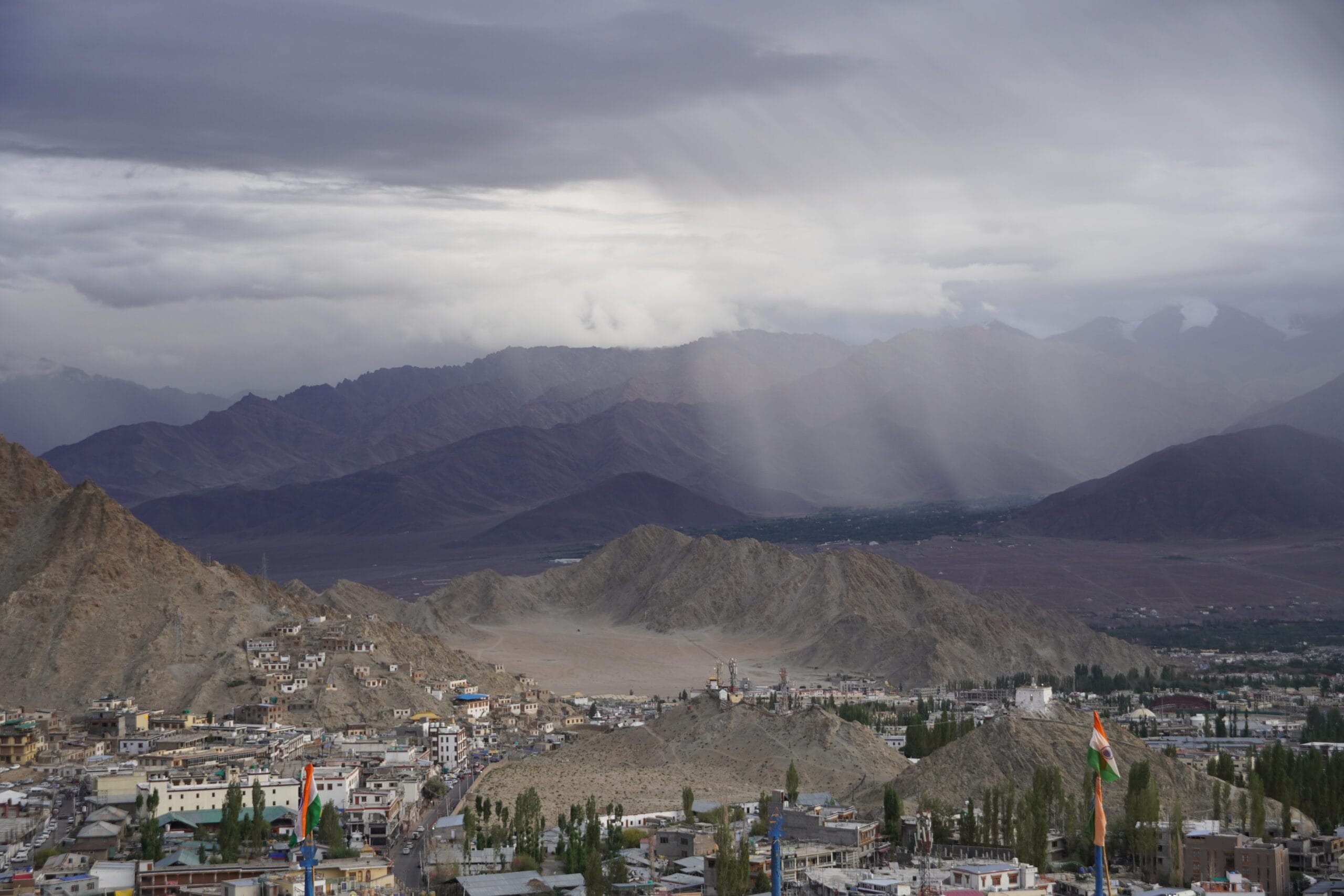
Your journey begins in Leh — the heart of Ladakh and your first step into high-altitude terrain. At 3,500m, the rarefied air will feel noticeably thinner, and even short walks might make you breathless. That’s completely normal. We recommend checking into the hotel and staying indoors until the afternoon to give your body the best chance to start acclimatizing.
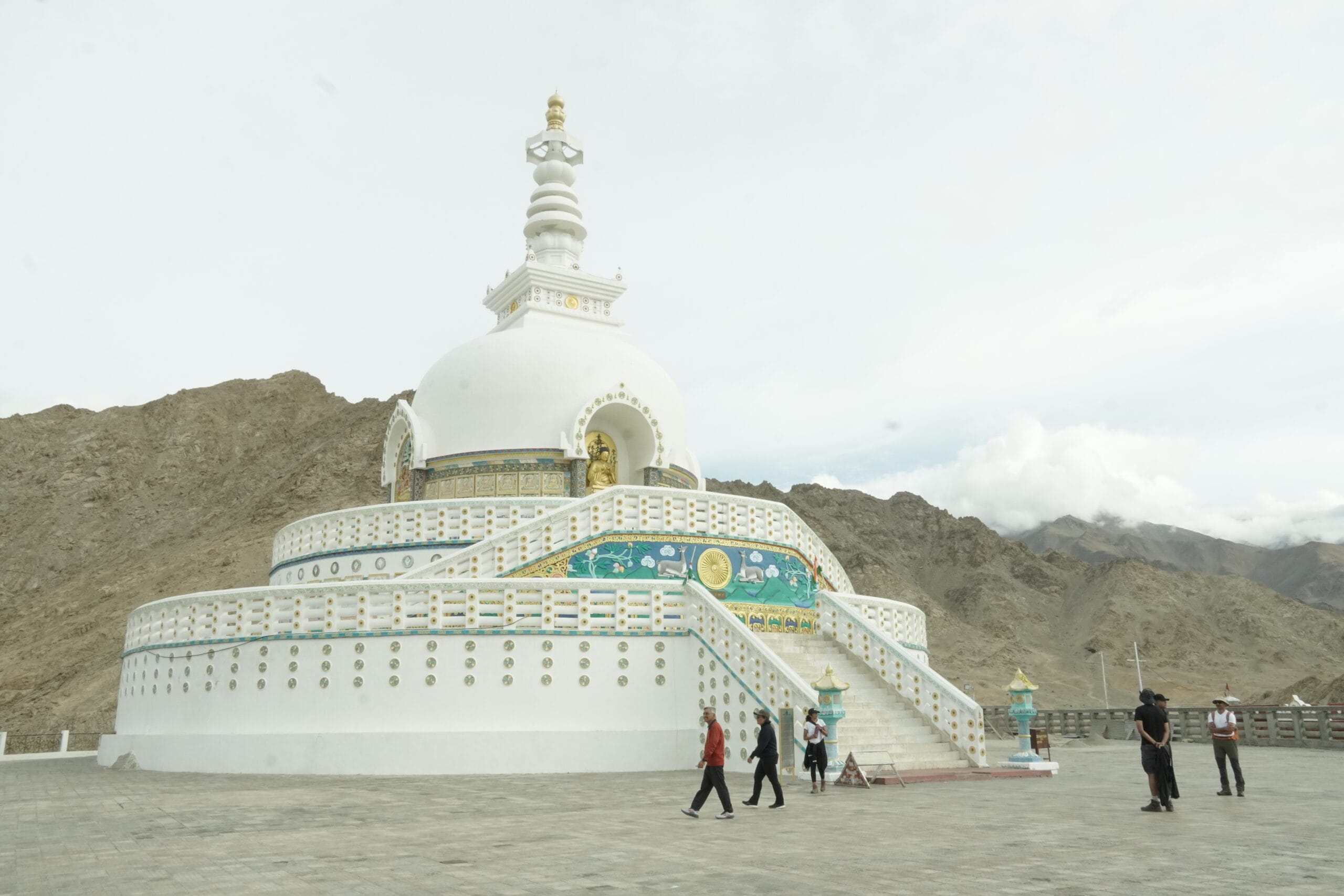
Later in the evening, if you feel comfortable, we’ll take a short walk to Shanti Stupa, perched on a hilltop above Leh. The walk is gentle, the views are expansive, and the evening light over the Stok Kangri range sets the tone for the adventure ahead.
Altitude: 3,500m
Activity: Rest + gentle evening walk
Altitude Gain: +3,500m (from sea level)
This is not a rest day — it’s a critical day to help your body adjust and build a strong foundation for the climb ahead. We’ll do a light acclimatization hike, heading to Leh Palace, Namgyal Tsemo, or Shey Monastery. These are short but slightly uphill walks — perfect for triggering your body's oxygen adaptation without overexertion.
The drive also gives you a glimpse of the Tibetan-Buddhist cultural fabric of Ladakh — prayer flags, stupas, and the deep spiritual calm of monastery life. By afternoon, you’ll be back at the hotel for rest and a pre-trek briefing. Hydration is key today — keep sipping water and allow your body to adapt.
Altitude: 3,500m
Activity: Light hike + cultural exploration
Altitude Gain: Minimal
We leave Leh early and drive along the Leh–Kargil highway until we reach the spectacular confluence of the Indus and Zanskar Rivers, a jaw-dropping landscape where green and muddy blue waters meet. From here, the road turns into a dramatic off-road track that hugs the edge of the Zanskar Gorge, taking us to the starting point of our trek at Skiu village.
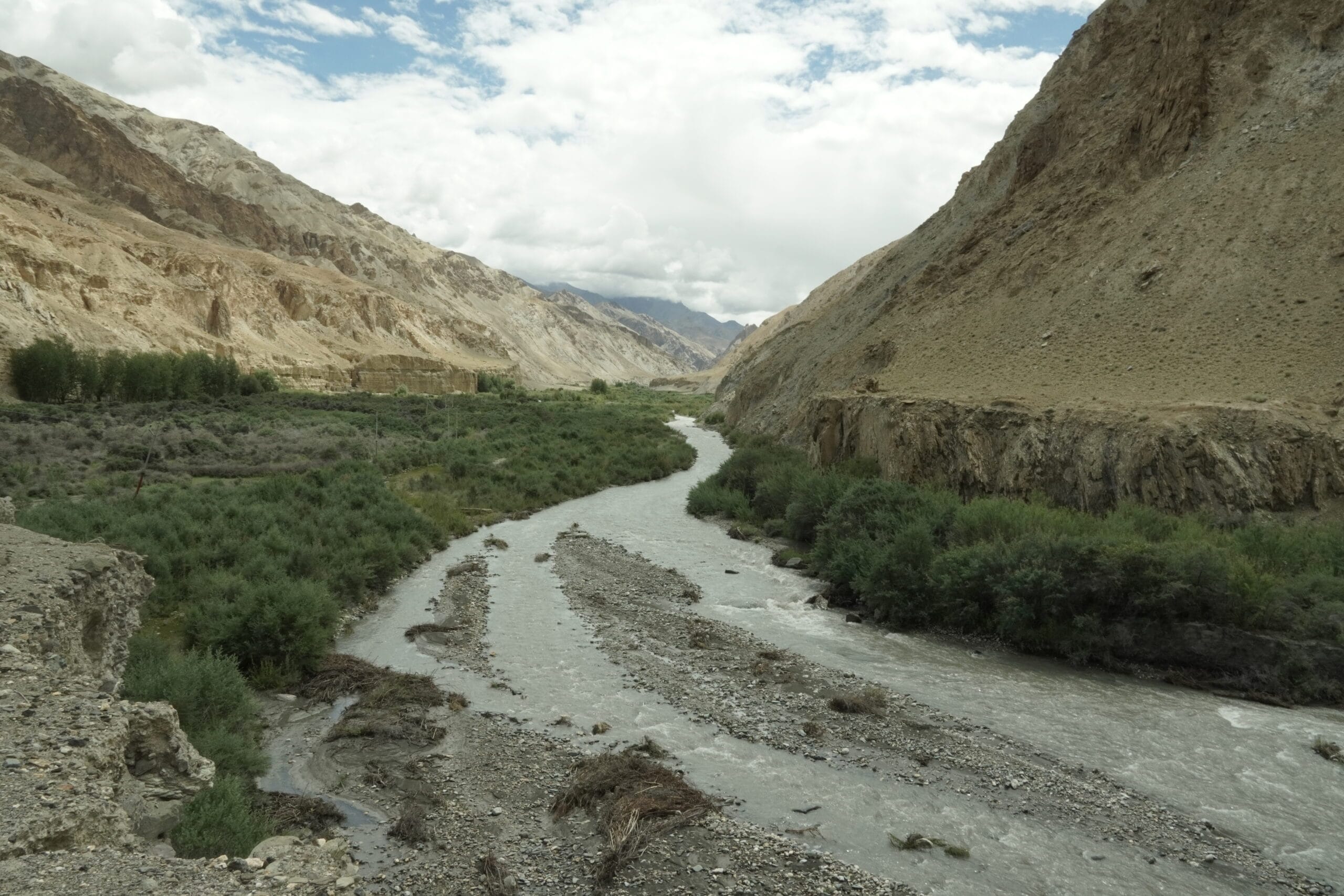
After a quick orientation, we begin our walk through the lower Markha Valley. The trail is a gentle one — mostly flat and running alongside the riverbed, passing clusters of wild rose bushes, willow trees, and barley fields. A 4–5 hour walk through wide open spaces brings us to Sara, a lesser-known but peaceful camping spot near the river.
Altitude: Skiu (3,400m) → Sara (3,500m)
Trek Distance: ~6 km
Duration: 4–5 hours
Altitude Gain: +100m
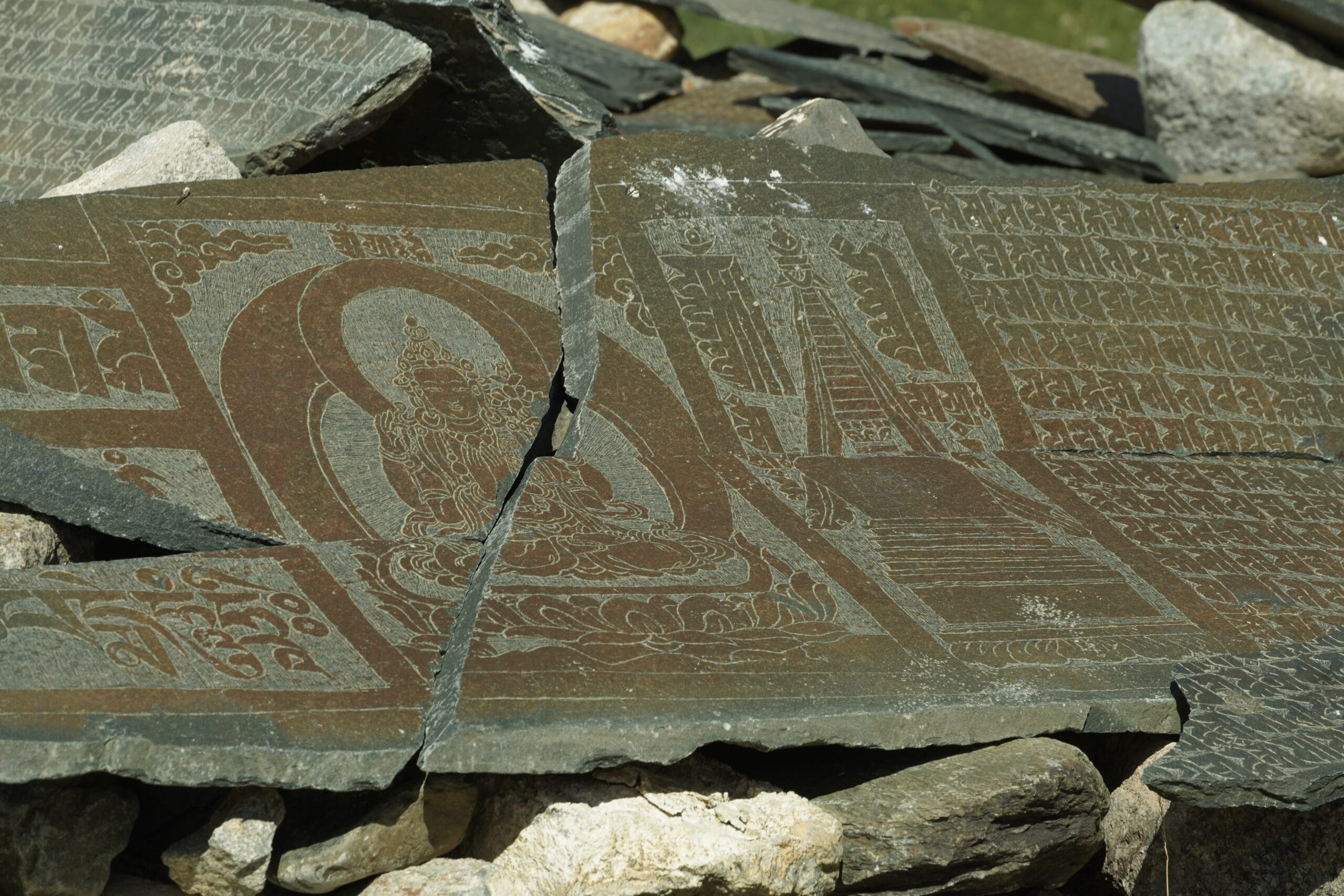
Today’s trail is picture-postcard Ladakh — wide valleys, hanging bridges, mud houses, and fluttering prayer flags. As you move deeper into the Markha Valley, the trail undulates gently. You’ll cross several icy streamlets and pass mani walls, occasional stupas, and even wild grazing horses or marmots if you’re lucky.
The Markha River keeps you company throughout the day as the trail slowly climbs in elevation. Markha village, your destination, is one of the largest settlements in the valley. It’s surrounded by barley fields and framed by jagged ridgelines. You’ll camp near the village, with the soft rumble of the river acting as your lullaby.
Altitude: Sara (3,500m) → Markha (3,700m)
Trek Distance: ~10 km
Duration: 4–5 hours
Altitude Gain: +200m
This stage marks a distinct transition: the valley greens gradually give way to arid alpine terrain, and the journey feels more like true high-altitude trekking. After leaving Markha village behind, the hillside terraces and occasional homesteads fade, and the trail largely hugs the banks of the Markha River.
The trek is about 11 km long, taking roughly 4–5 hours. You’ll gain approximately 500–550 m in altitude. Along the way, you’ll cross the river multiple times—sometimes on foot—adding a little adventure to your day.
Look out for the stunning Techa cliff‑side monastery perched above the trail before you reach Hankar. This peaceful settlement is more isolated than Markha and offers an authentic taste of Ladakhi village life.
By the time you arrive at Hankar—now above the tree line—you’re fully within the alpine zone. The views narrow into a flaring gorge, with muted red and ochre rock faces set against the river’s blue hues. Vegetation is sparse, and the landscape grows wild and dramatic.
Altitude: Markha (~3,767 m) → Hankar (~4,264 m)
Distance: ~11 km
Duration: 4–5 hours
Altitude gain: +500 m
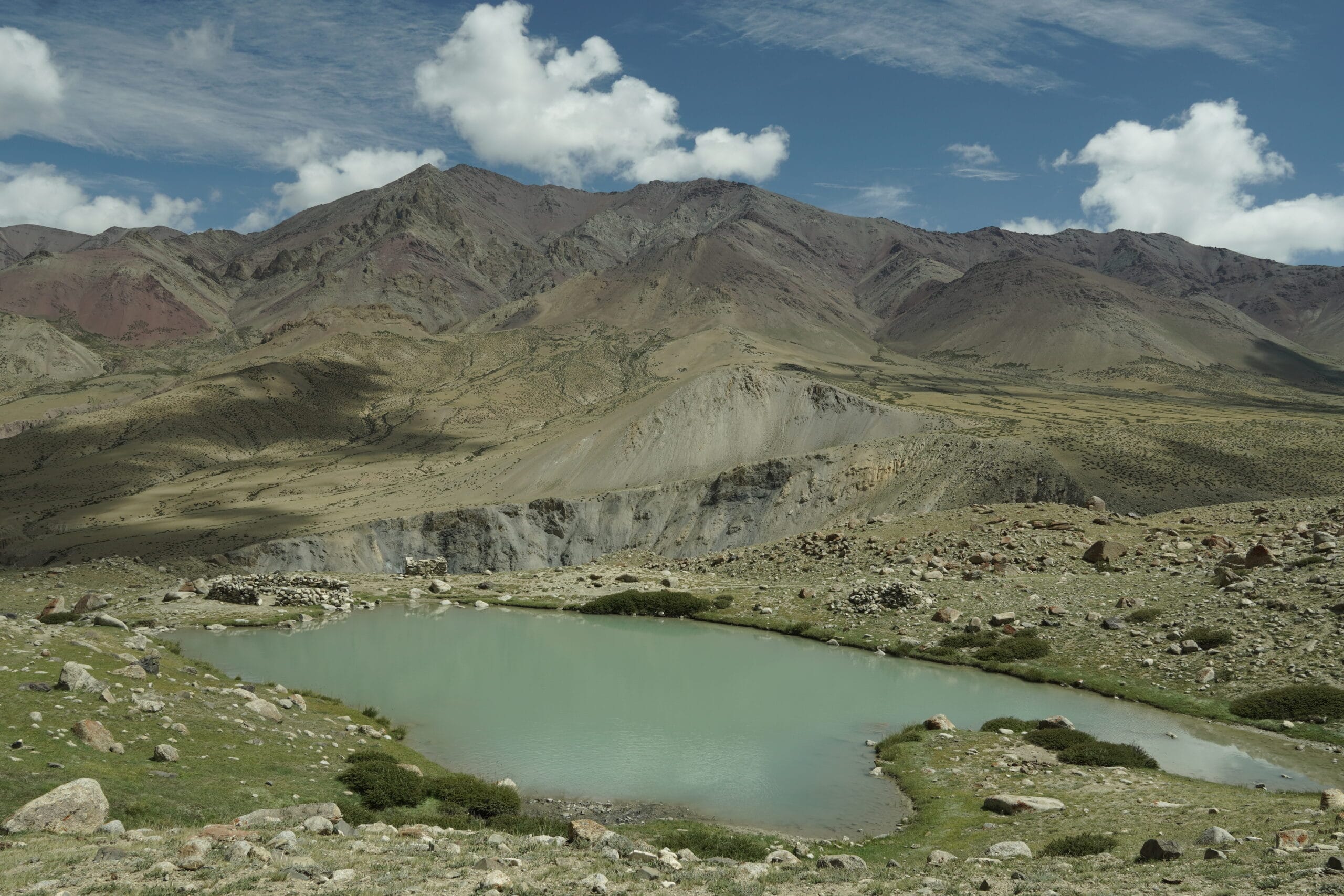
This is one of the most scenic and rewarding sections of the trek. After leaving Thochuntsey, the trail ascends gradually, winding through the stunning Nimaling Plains — vast high-altitude meadows dotted with streams and grazing yaks. Prayer flags occasionally flutter against the backdrop of rugged cliffs, adding to the Himalayan charm.
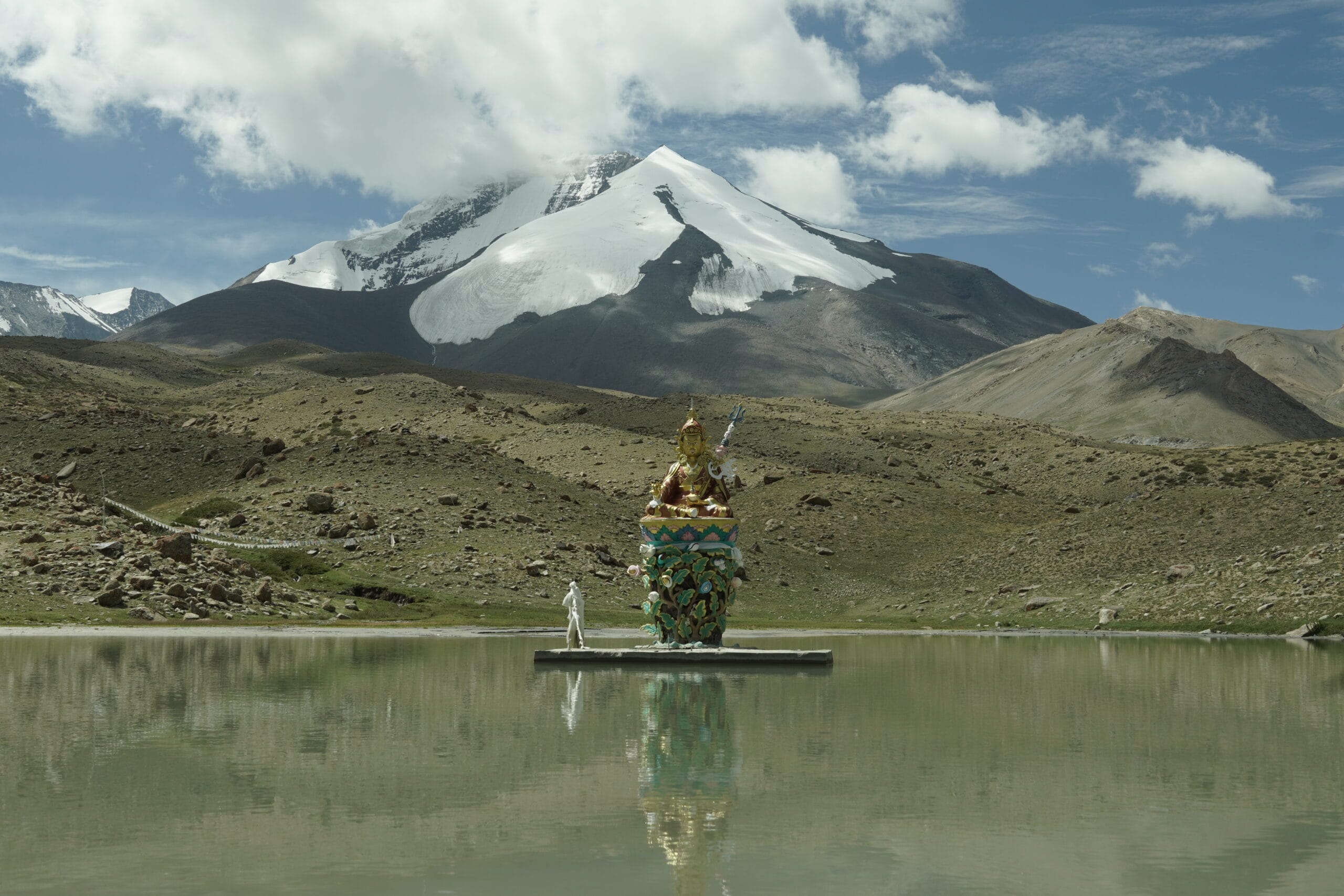
As you gain altitude, the mighty Kang Yatse massif dominates the skyline, its presence growing larger and more awe-inspiring with each step. The greenery starts to thin as you approach the alpine zone, where the air feels crisper and the landscape raw and untamed.
By the time you reach Nimaling, you’ve arrived at one of Ladakh’s highest inhabited grazing pastures. This is a place of both beauty and isolation, where the silence of the mountains is broken only by the sound of the wind and streams.
Altitude: Thochuntsey (~4,200 m) → Nimaling (~4,800 m)
Distance: ~12 km
Duration: 7–8 hours
Altitude Gain: ~600 m
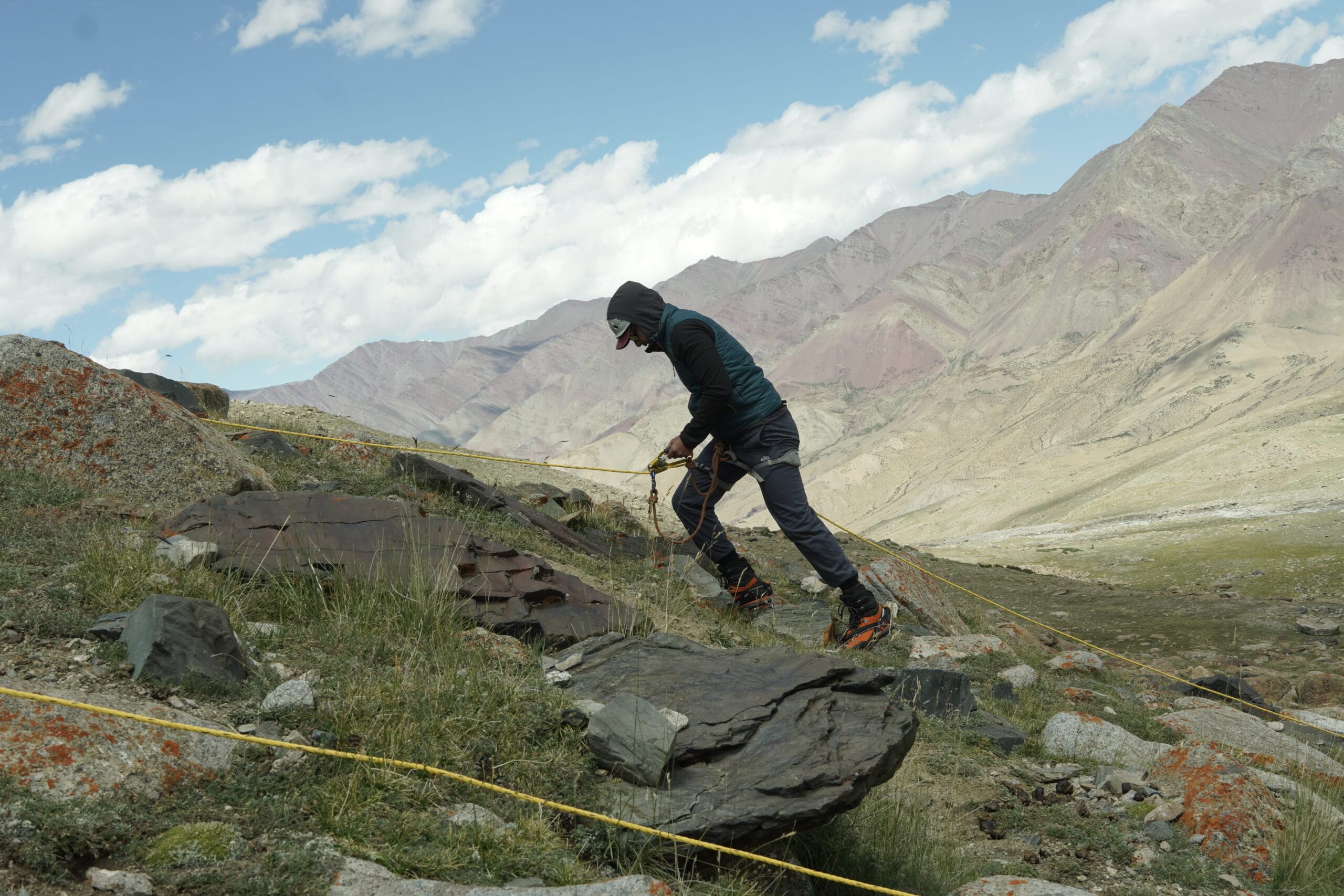
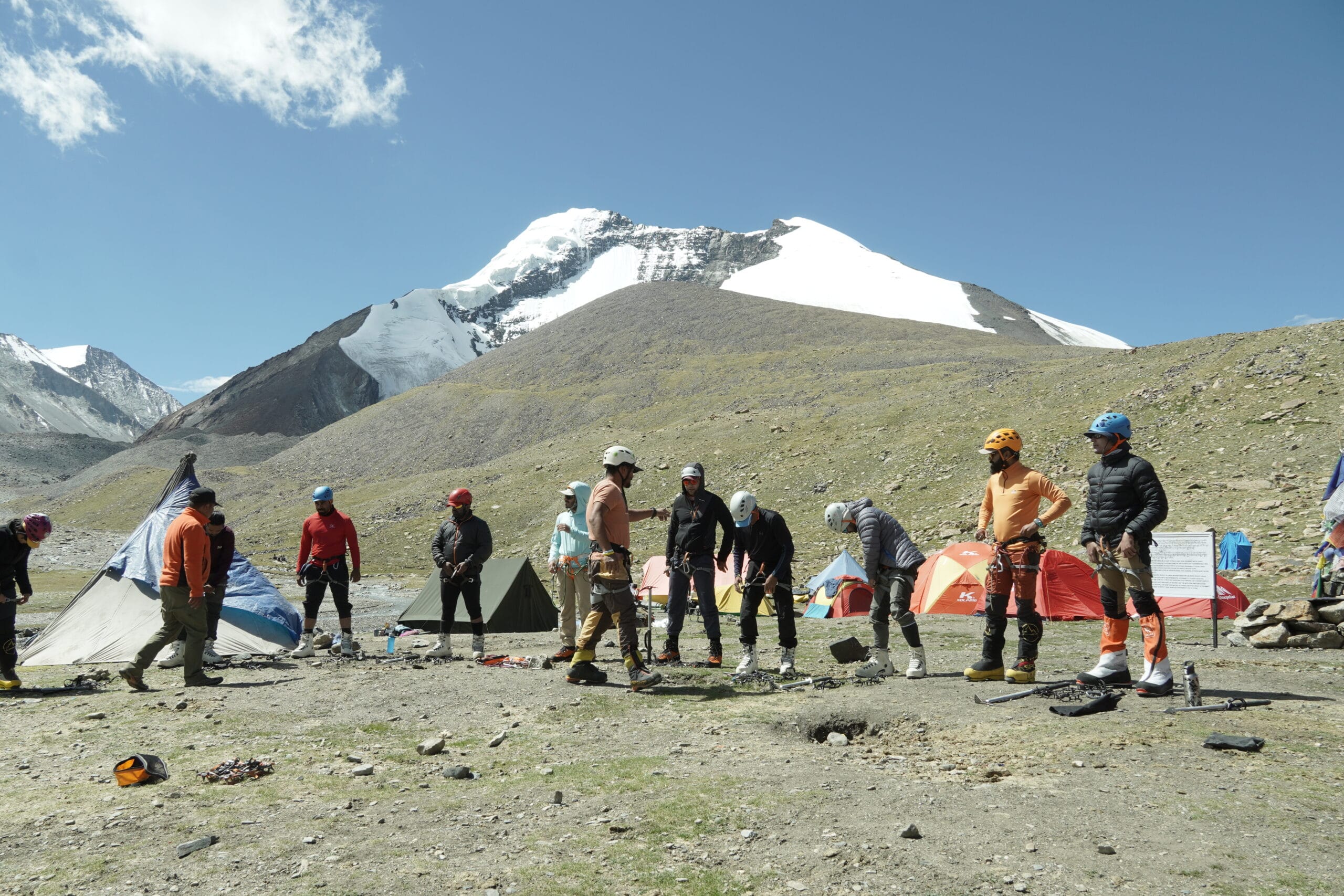
The day begins at Nimaling, where you’ll undergo a brief training and acclimatization session. Your guides will walk you through the essentials of using technical gear, understanding the summit route, and safety protocols for the climb ahead.
After training, we start our gradual trek to Kang Yatse II Base Camp, moving through a stark high-altitude landscape of scree slopes and glacial moraines. The surroundings are dramatic—rugged cliffs and snowfields replace the meadows of Nimaling, and the air is noticeably thinner and colder.
Base Camp sits on a windswept plateau at over 5,000 m, offering an unobstructed view of Kang Yatse rising above. The remainder of the day is spent resting and hydrating in the open, saving energy for the night summit push. After an early dinner, we rest in preparation for departure around 10 PM.
Altitude: Nimaling (~4,800 m) → Base Camp (~5,030 m)
Distance: ~4 km
Duration: 2–3 hours
Altitude Gain: ~230 m
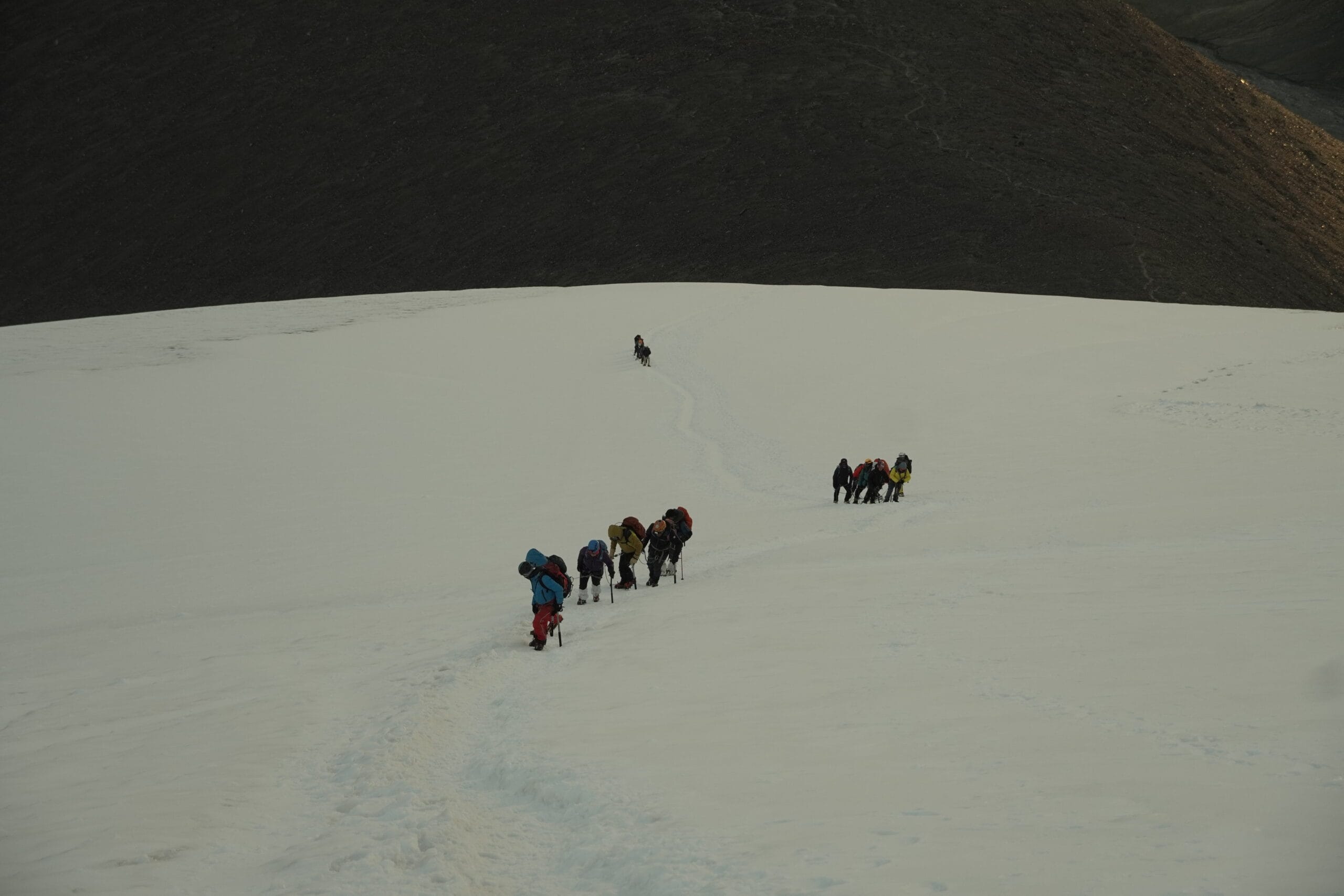
This is the biggest day of the expedition—the day you’ll remember for life. We begin the summit push around 10 PM under a blanket of stars, following a route of scree, snow slopes, and glacial ridges illuminated by our headlamps.
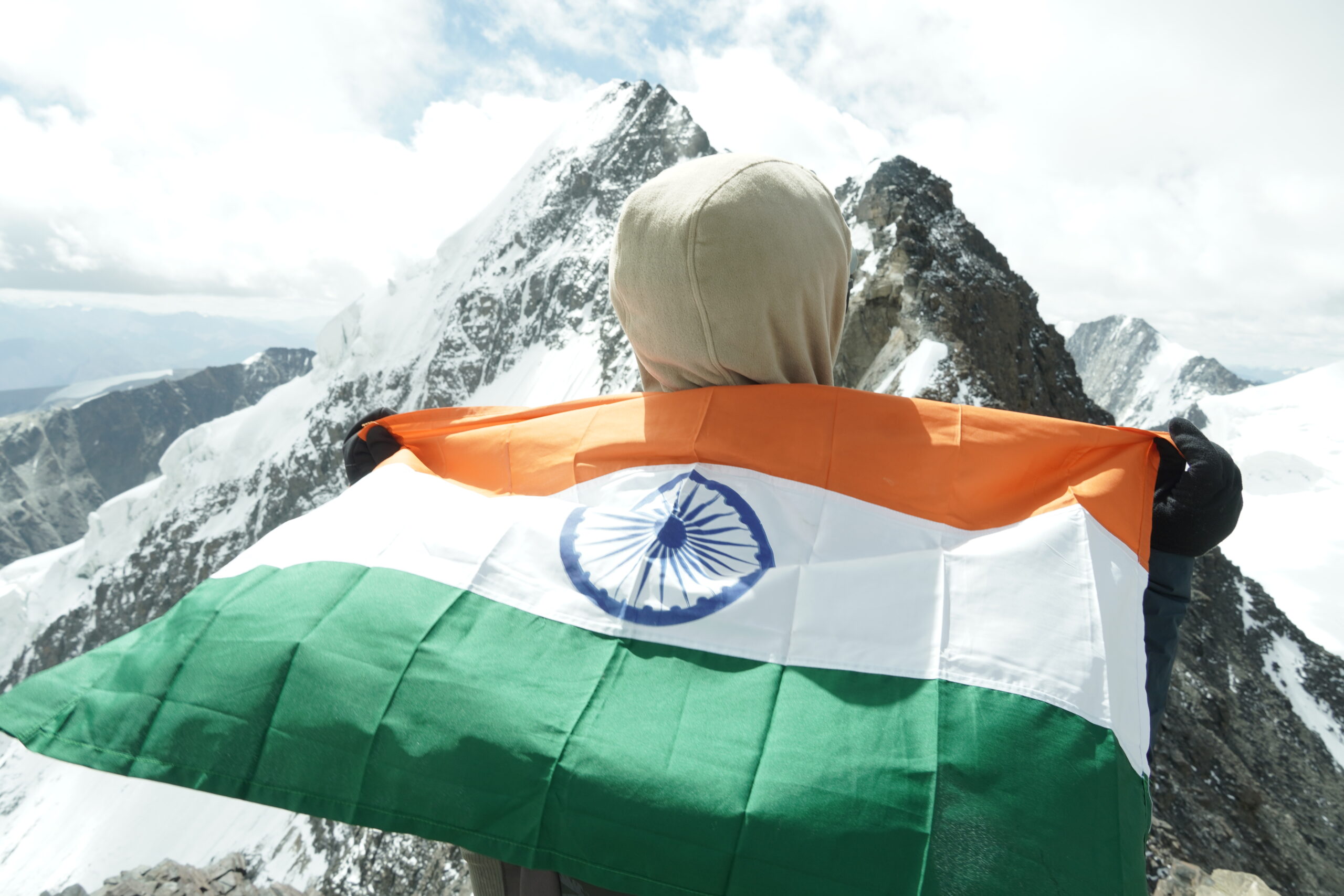
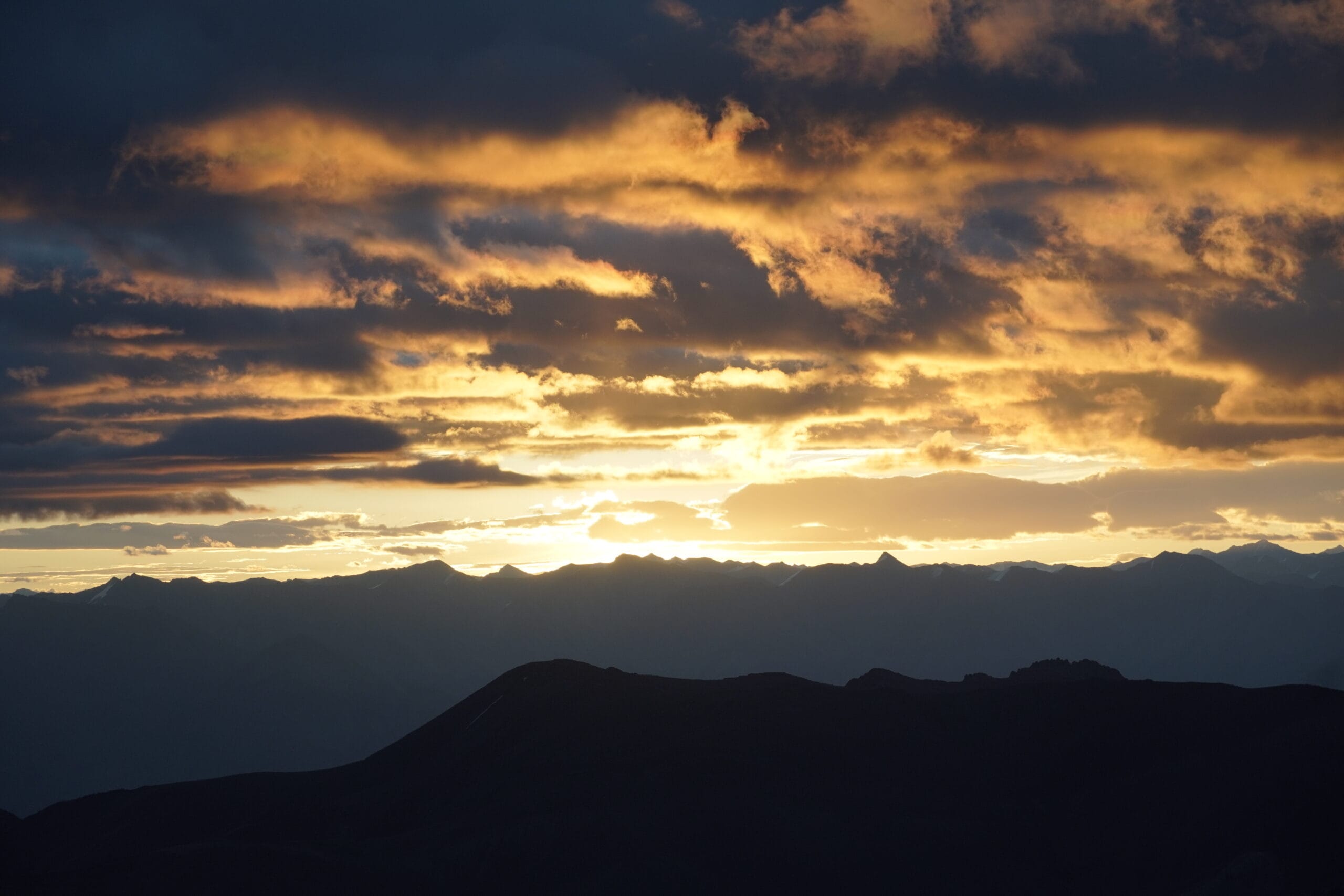
As the climb steepens, the air grows thin and the challenge becomes mental as much as physical. Step by step, you rise toward the sky. Just before sunrise, you reach the summit of Kang Yatse II (≈6,250 m)—a breathtaking moment where the Himalayan panorama glows in gold, with peaks of Zanskar and Karakoram visible in the distance.
After spending some precious moments at the top, we descend carefully to Base Camp for a short rest and breakfast, then continue down to Nimaling. By the time you reach the plains, the weight of the achievement truly sets in. This is a long, demanding day, but also the most rewarding of the expedition.
Altitude: Base Camp (~5,030 m) → Summit (~6,250 m) → Nimaling (~4,800 m)
Distance: ~12–14 km (round trip)
Duration: 10–14 hours (summit & descent)
Altitude Gain: +1,220 m (to summit)
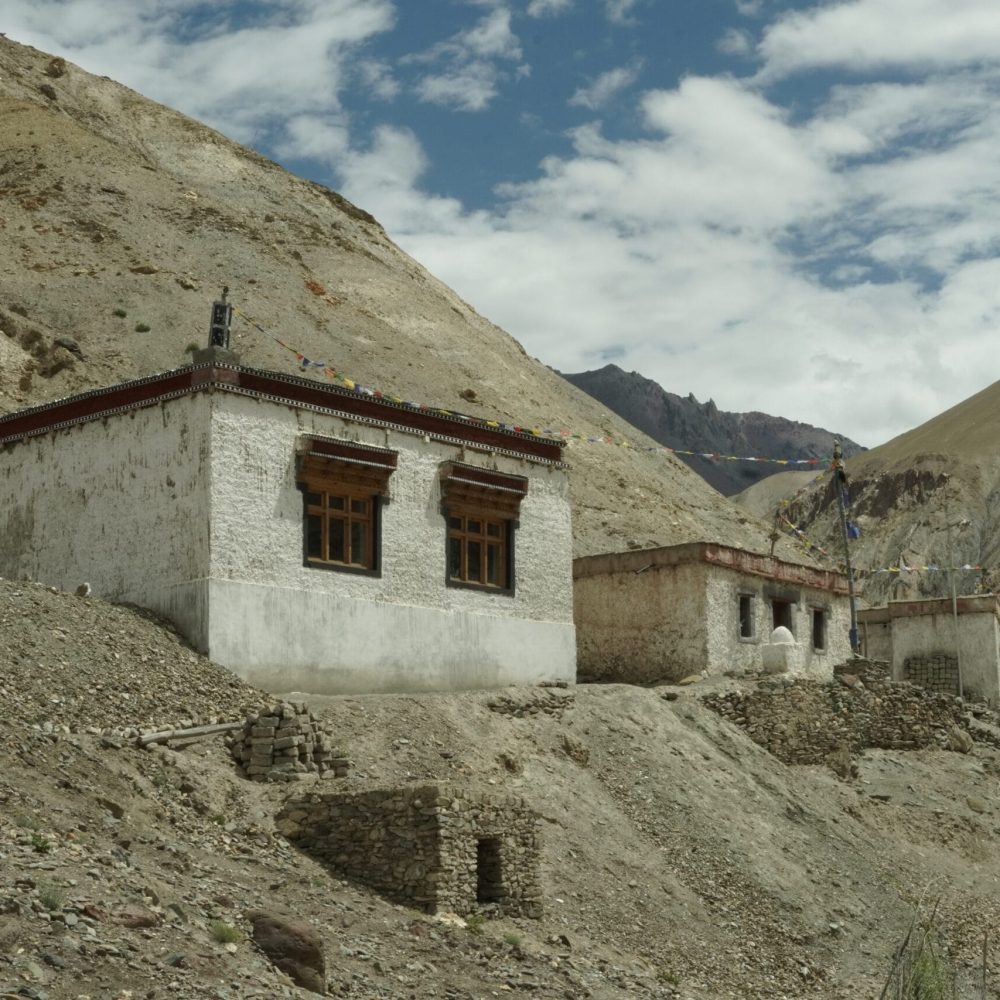
Though the summit is behind you, there’s still one last challenge — crossing Kongmaru La (5,280m). The trail begins with a sharp uphill climb to the pass, where prayer flags flutter madly in the wind and the entire Markha Valley opens up one final time. From here, the descent into Martselang Gorge is steep and often tricky with loose rock and scree.
You’ll cross streams and walk alongside icy rivulets until you reach Chokdo, where the green starts to return. Vehicles await to drive you back to Leh. The transition from expedition terrain to paved roads feels surreal — but the memory of the summit stays close.
Altitude: Base Camp (5,030m) → Kongmaru La (5,280m) → Chokdo (~3,700m) → Leh
Trek Distance: ~15 km
Duration: 6–7 hrs + 3 hrs drive
Altitude Gain: +250m
Altitude Loss: -1,580m
Wake up with a head full of summit memories and a heart still buzzing with the high of the expedition. After breakfast, it’s time to say goodbye to Leh. You’ll leave with not just photographs, but a personal story of grit, teamwork, and a dream that reached the top.
Altitude: 3,500m
Activity: Departure after breakfast
Kept as a reserve in case of bad weather, slow acclimatization, or delays in summit rotation. If unused, it can be spent exploring Leh or resting an extra day before departure.
Activity: Summit buffer day
Inclusions
- Accommodation in Leh – Stay for 3 nights (Day 1, 2 & 9) in a 3-star hotel on twin-sharing basis with bed and breakfast plan (breakfast included; other meals not included).
- Accommodation on the Trek – Stay in comfortable village homestays along the route, except at Nimaling, where you’ll be accommodated in Swiss tents amidst the high-altitude wilderness.
- All meals during the trek – Nutritious vegetarian meals from Day 3 breakfast to Day 9 lunch (includes breakfast, lunch, evening snacks, soup & dinner).
- Transportation – Group transport from Leh to Skiu (trek start point) and return from Chokdo to Leh.
- Experienced expedition team – Qualified expedition leader, certified high-altitude guides, assistant staff, and trained support crew equipped with wilderness first aid and rescue knowledge.
- Climbing equipment & safety gear:
• All technical climbing equipment including ropes, carabiners, snow anchors, etc.
• Personal climbing gear included in the package — climbing boots, crampons, climbing harness, helmet, ice axe, gaiters, and safety carabiners (no need to rent separately)
• Oximeter, basic first-aid kit, and supplemental oxygen cylinders for emergencies - IMF permissions & trekking permits – Includes Indian Mountaineering Foundation (IMF) expedition approval, Inner Line Permit, camping fees, and environmental charges.
- Technical training & briefing – Acclimatization hike and gear training session at Base Camp before the summit push.
Exclusions
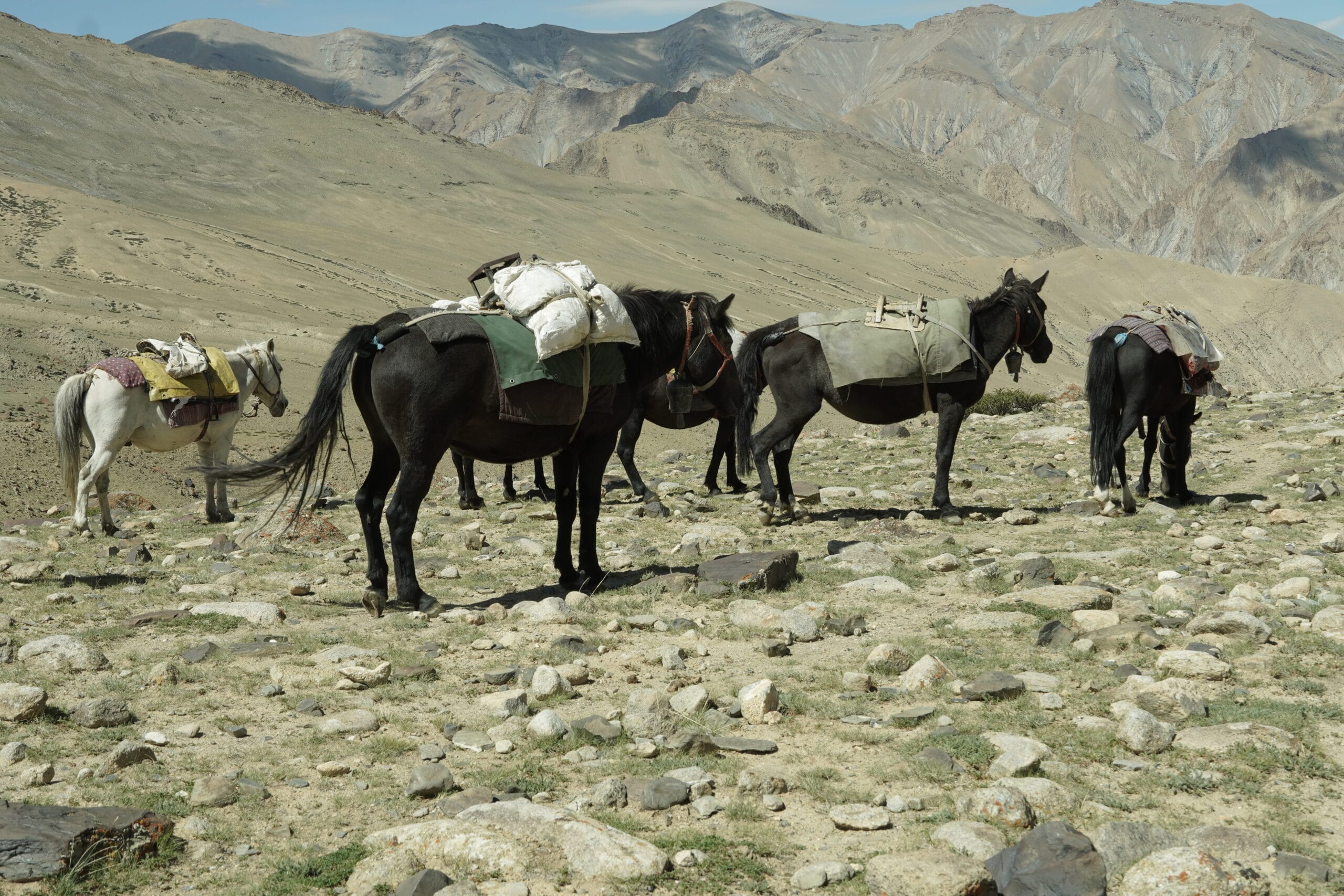
- Backpack offloading till base camp – Mules or porters to carry personal backpack (up to 10 kg) can be arranged at extra cost.
- Single occupancy in homestay or hotel rooms – Can be arranged on request. Please contact us in advance to check availability and pricing.
- Meals in Leh and during road travel – Lunches and dinners in Leh (Day 1, 2, 9 & 10) and meals during drive days are not included.
- Personal trekking gear – Items such as down jackets, poles, gloves, thermals, backpacks, headlamps, etc. must be brought by participants or rented separately.
- Travel/Outdoor Insurance – Strongly recommended but not included. All emergency rescue, evacuation, or hospital charges to be borne by the participant.
- Tips and personal expenses – Bottled drinks, snacks, souvenirs, laundry, additional hotel stays, or phone usage are not covered.
- Buffer day cost – The buffer day (Day 11) is not included. If used due to weather or health delays, ₹3,500 per person will apply (only if spent at Base Camp).
- Extra hotel night in Leh (if returning early) – If the expedition ends on Day 10 and you choose to stay in Leh that night, accommodation will cost ₹2,500–₹4,000, depending on room type, availability, and occupancy (single/twin sharing). Payable directly at the hotel.
Additional Expenses
- Backpack offloading (up to Base Camp) – ₹4,600 for entire trek (pre-booked); ₹5000 if arranged on the spot.
- Extra hotel night in Leh (post-expedition) – ₹2,500–₹4,000 depending on availability, room type, and occupancy (single/twin sharing). Payment to be made directly at the hotel.
- Buffer day usage (if needed) – ₹3,500 per person (only applicable if buffer day is spent at Base Camp).
- Personal trekking gear on rent – Trekking shoes, down jackets, poles, headlamps, etc., available for rent on request. Please contact us in advance.
- Outdoor/Travel Insurance – Not included. Participants are advised to purchase insurance covering high-altitude trekking, evacuation, and medical emergencies.
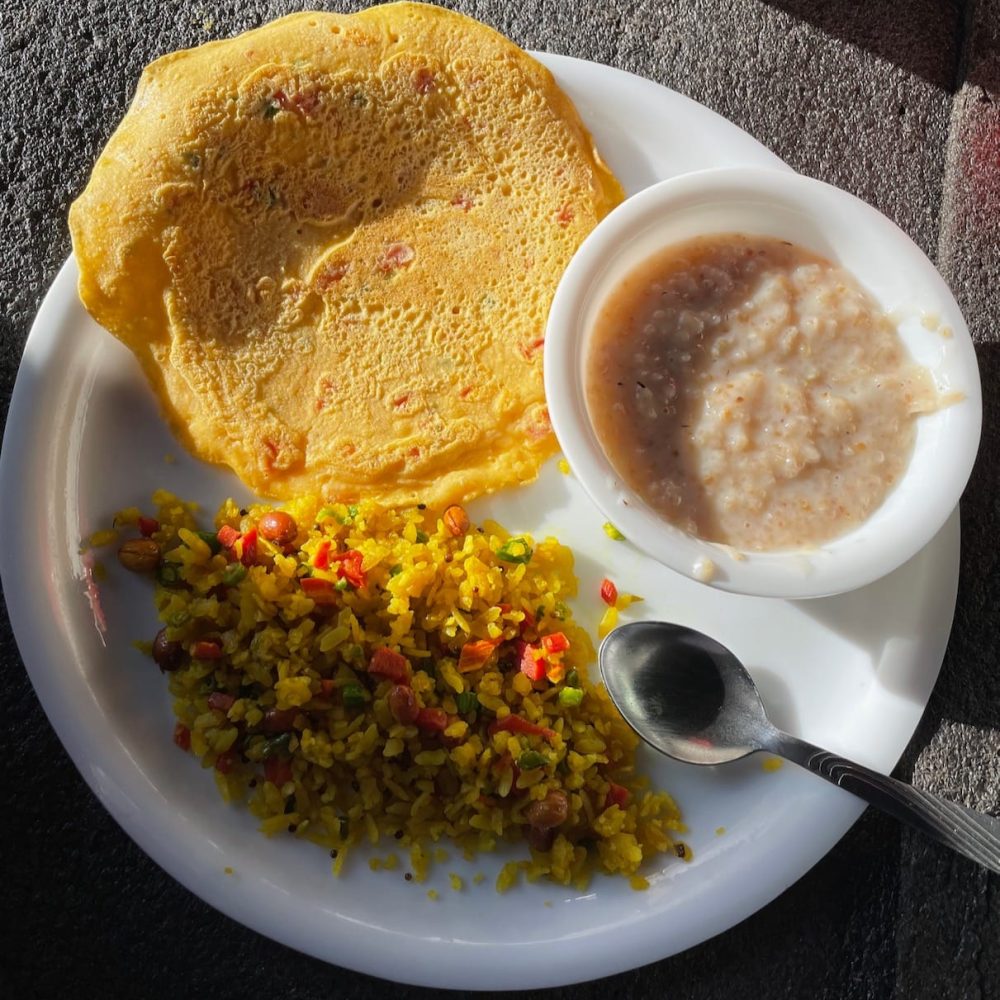
Food & Cuisine
On high-altitude expeditions like Kang Yatse II, nutrition plays a huge role in your performance, and we make sure you’re well-fed every step of the way. During the trek, you’ll be served hot, freshly prepared vegetarian meals that are simple, wholesome, and packed with the energy you need in the mountains. Breakfasts typically include parathas, poha, oats, or upma. Lunches and dinners include rice, dal, sabzi, khichdi, rotis, and soup, with occasional sweet dishes or desserts to lift morale. You’ll also get evening tea/snacks at camp.
We avoid packaged food wherever possible and rely on warm, homemade-style mountain meals cooked by our trek kitchen team. Special dietary requirements (vegan, gluten-free, etc.) can be accommodated to an extent — just let us know well in advance so we can plan accordingly.
Accommodation
In Leh (Day 1, 2 & 9) – You’ll stay in a comfortable 3-star hotel in Leh on a twin-sharing basis with a Bed & Breakfast plan. Rooms are cozy, with clean linen, hot water (subject to timings), and Wi-Fi available at the reception. Meals in Leh are not included, so you’re free to explore the town’s vibrant cafés and local restaurants.
On the Trek (Day 3 onwards) – As we leave Leh and step onto the trail, you’ll immerse yourself in the authentic Ladakhi experience by staying in village homestays along the route. These stays are simple but warm, offering traditional interiors, basic bedding, and heartfelt local hospitality. Evenings often bring shared meals with your hosts, giving you a taste of wholesome, home-cooked Ladakhi food and a chance to connect with the culture of these remote mountain villages.
As we reach Nimaling and beyond for the summit push, the environment turns rugged and high-altitude. The accommodation here is basic and functional, designed for safety and acclimatization as we take on the final leg of the climb.
Fitness & Difficulty
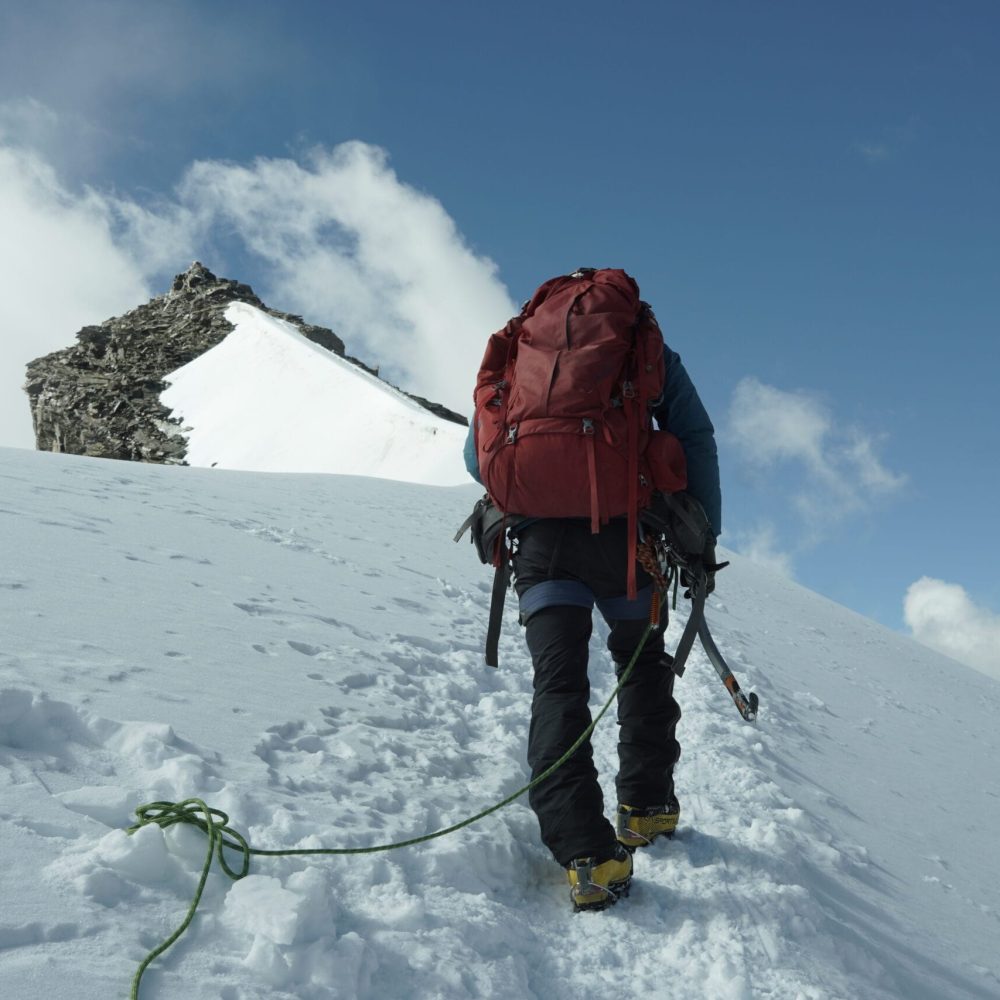
Kang Yatse II is a difficult-grade, non-technical mountaineering expedition, ideal for trekkers aiming to summit their first 6,000m peak. It involves long trekking days, cold temperatures, high altitudes, and a summit push that demands both mental grit and physical endurance. There are no technical climbing sections like crevasse crossings or vertical ice walls, but basic familiarity with climbing gear like crampons, ropes, harnesses, and ice axes is essential — which we cover during training at Base Camp.
The expedition is physically demanding, especially from Day 6 onward. You’ll be ascending from ~3,400m to 6,250m over 6 days, with the final summit push involving 14–16 hours of effort on snow, scree, and ice. You must prepare well in advance — we recommend at least 4–6 weeks of cardio training, stair climbing, brisk walks (6–8 km/day), and leg strengthening exercises. The better your fitness, the more you’ll enjoy the climb.
Dates Available
DATES |
AVAILABILITY |
|---|---|
September
|
Slots Available
|
October
|
Slots Available
|
Trek Fee: ₹53,000 + 5% GST per person
(This includes everything – comfortable stays, delicious meals, permits, expert guides, and more, as detailed in the Inclusions above.)
To Confirm Your Spot:
Click the Book Now button below to proceed with your booking. You’ll have the option to select your preferred dates and any optional add-ons on the next page.
Something Else In Mind?
We get it — adventures should feel personal. We’re here to co-create a version of this journey that feels right for you.
Start on your preferred dates
Custom inclusions & stay options
Tweak the itinerary or route
Plan a private group experience
Fill out the form or drop us an email at mail@outdoorwhisperer.com with your questions & requirements, and we’ll get back to you as soon as possible. For a quicker response, feel free to reach us directly at +91-8285967537.
Send Us Your Query
Why Outdoor Whisperer?
We do things a bit differently — and proudly so. We don’t chase numbers; we focus on depth, care, and quality. Each trek is meticulously planned, and organized with warmth, care, and an unwavering focus on your safety. From pre-trek online briefings to carefully curated experiences on-ground, we believe the best adventures are the ones that feel like they were made just for you.
Founder-led Journeys
Every batch is personally led by our founding team — not outsourced. We’re deeply involved in your journey, from planning to trail.
Quality Over Quantity
We run fewer batches on purpose. It lets us focus on doing each trek really well, with attention to detail, better care, and stronger group vibes.
Designed With Heart
We thoughtfully craft each batch to feel personal — with small surprises, better pacing, and meaningful touches that make the journey feel your own.
Safety Comes First
From altitude protocols to evacuation readiness, our on-ground team is WFR-certified, highly experienced, and well-versed with Himalayan conditions.
Pre-Trek Online Briefing
Before every departure, we host detailed virtual briefings so you're mentally and logistically prepped for what lies ahead.
Transparent Pricing & Terms
No hidden charges. No unpleasant surprises. We only offer what we’d want for ourselves — quality, integrity, and care.
What To Pack?
Things to Pack for Kang Yatse 2 Expedition
Kang Yatse II demands thoughtful packing — with high altitude, shifting weather, and tough terrain, your gear needs to work with you, not against you. Pack light, layer smart, and stick to essentials. A well-packed rucksack can be the difference between a tough day and a triumphant summit.
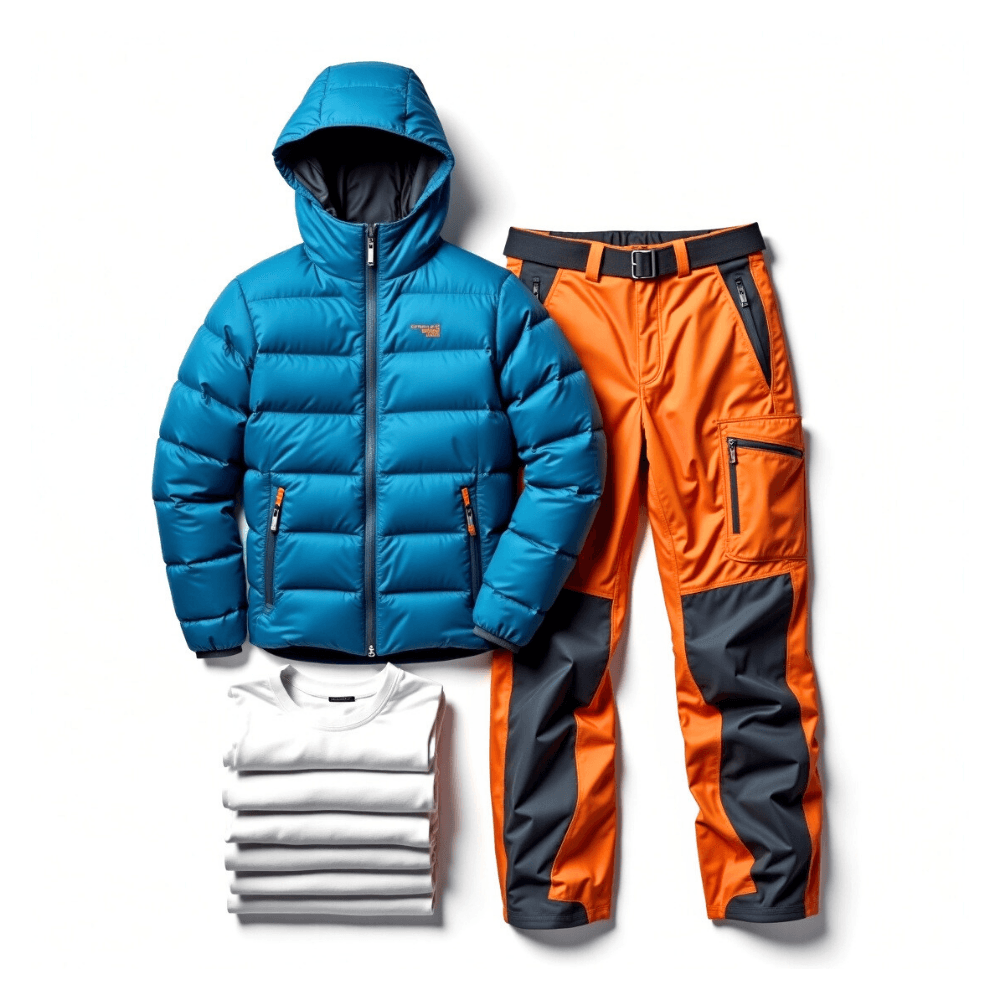
Clothing – Layer Up Smart
You’ll be exposed to wind, snow, sub-zero nights, and sunny days. Layering is key to managing altitude and cold:
- 3 quick-dry full-sleeve base layer t-shirts
- 1–2 fleece or woolen sweatshirts
- 1 down jacket (heavy/expedition-grade)
- 1 waterproof windproof outer shell jacket with hood
- 2 trekking pants (1 quick-dry, 1 fleece-lined)
- 1 pair thermal inners (top & bottom)
- 4–5 pairs of trekking socks (mix of wool & synthetic)
- 1 woolen cap/beanie + 1 sun cap
- Neck gaiter or buff (wind + sun protection)
- Waterproof gloves (outer layer) + woolen inner gloves
- Undergarments (quick-dry preferred)
Footwear & Accessories
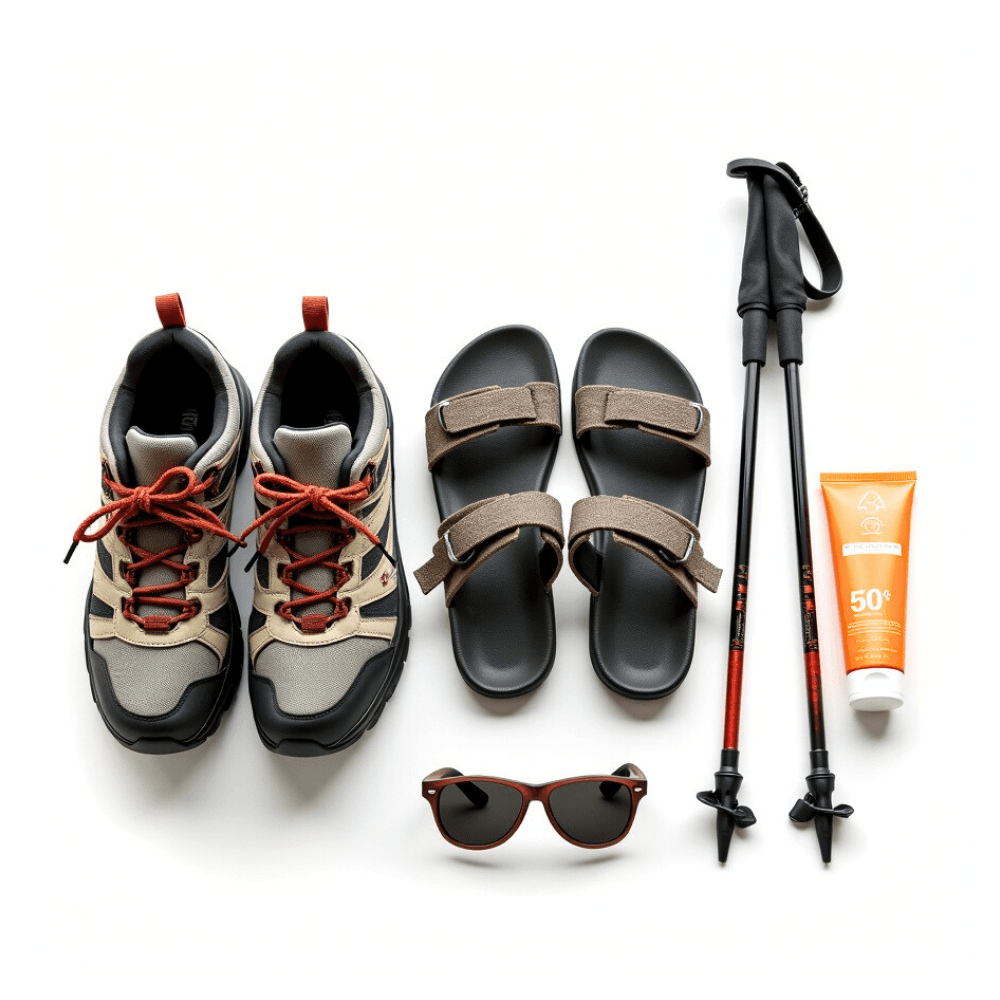
Comfortable feet = successful summit. Break into your footwear well before the trek:
- 1 pair sturdy trekking shoes (ankle support, broken in)
- 1 pair sandals/slippers (for campsites)
- Sunglasses with UV protection (category 3 or above)
- 1 trekking pole (2 preferred, especially for descents)
Gear & Packing Essentials
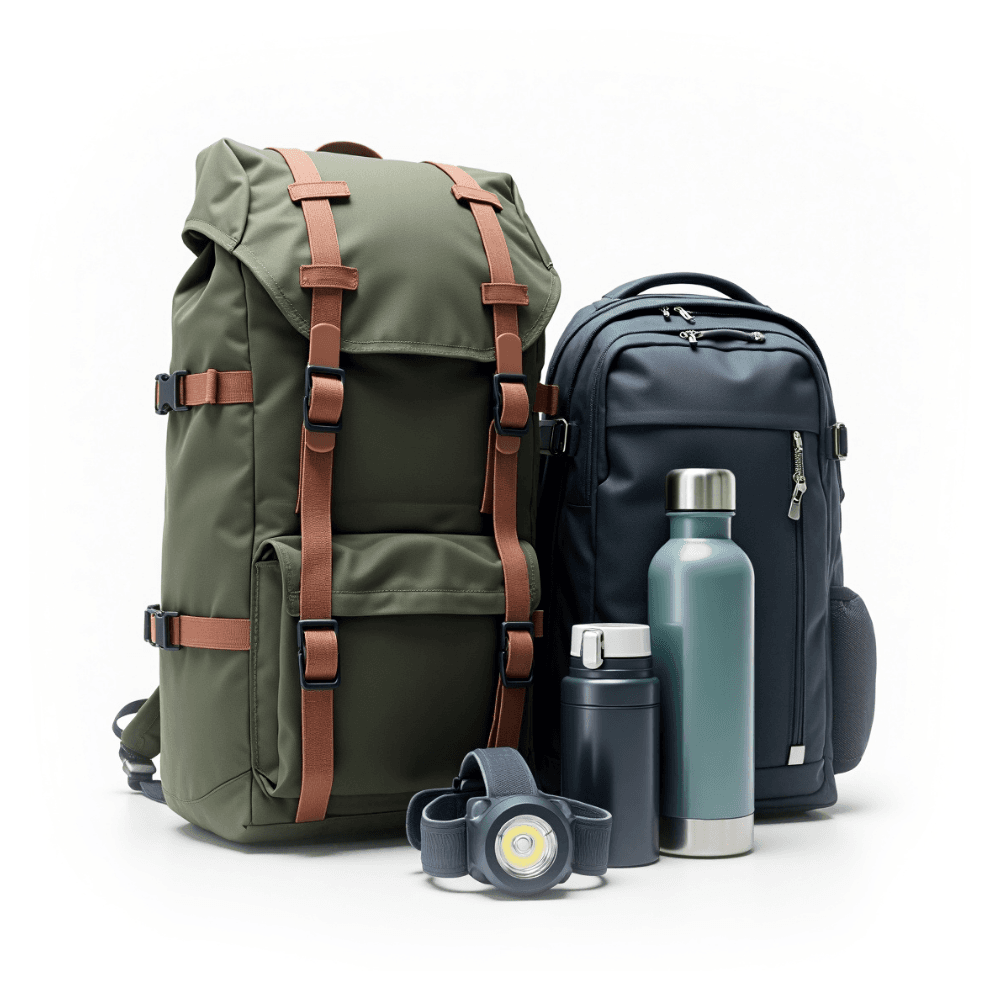
- 50–60L backpack with rain cover
- Small daypack (for summit push/load ferry)
- Headlamp with extra batteries (must-have for summit night)
- Water bottles (2L total) or hydration bladder
- Lightweight thermos flask (optional)
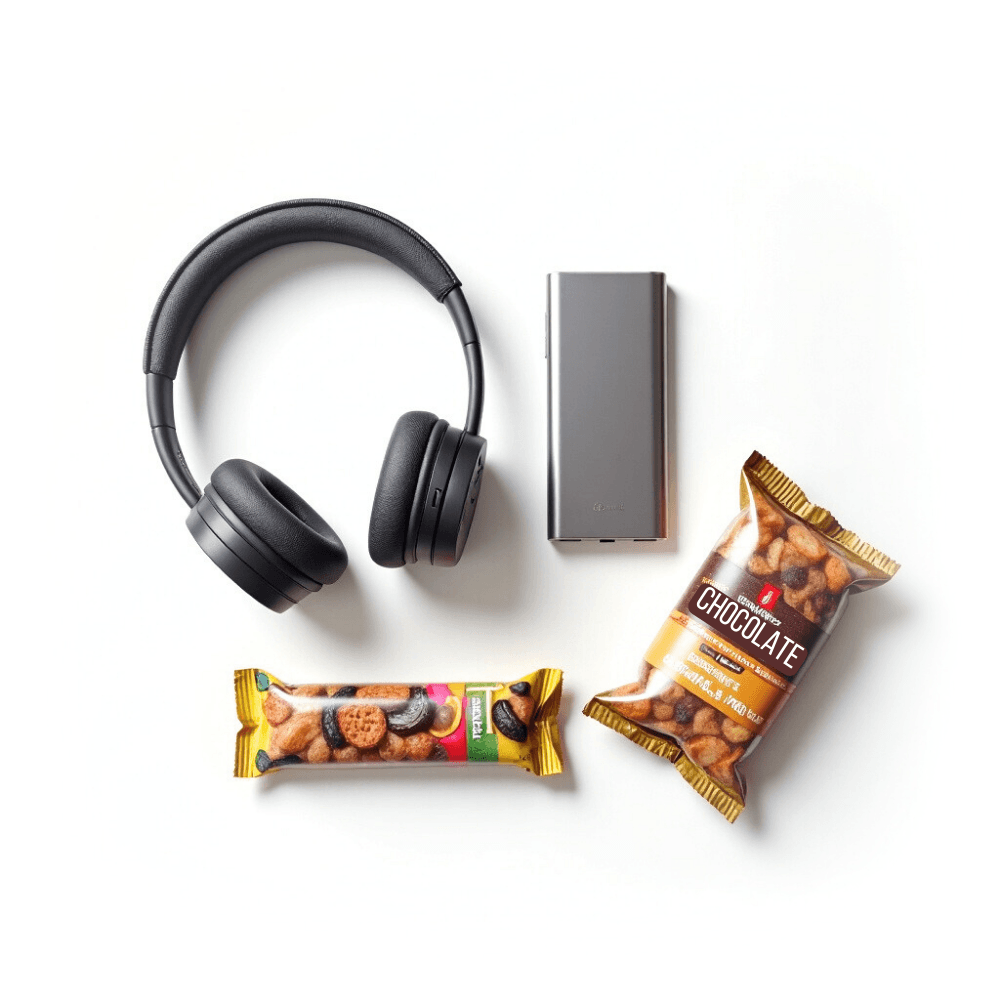
- Power bank
- Passport-size photos + ID copy (for permits)
- Dry bags/stuff sacks/packing cubes
- Small lock (for bags at hotel)
Personal Hygiene & Toiletries
- Toothbrush & toothpaste
- Quick-dry towel
- Hand sanitizer & wet wipes
- Toilet paper/tissues
- Menstrual hygiene products (if needed)
- Soap strips or biodegradable soap
- Nail cutter, comb, basic toiletries


Health & Medical Kit
- Diamox (consult your doctor)
- Personal prescribed medicines
- Basic painkillers (Combiflam, Crocin)
- Blister patches & Band-aids
- Antiseptic cream
- ORS/Electrolyte sachets
- Anti-diarrheal tablets
Extras & Good-to-Haves
- Energy bars/dry fruits/trail snacks
- Notebook + pen
- Book/Kindle/cards for downtime
- Earplugs and eye mask
- Camera + batteries/memory card
Note: Personal climbing gear (snow boots, crampons, helmet, harness, gaiters, carabiner, ice axe) is included in the expedition. You only need to carry trekking clothing and personal items.
Pack mindfully, travel light, and make sure your backpack is fitted and tested before the expedition.
Common Questions
Yes — Kang Yatse II is one of the best non-technical 6000ers in India and ideal for trekkers transitioning into mountaineering. If you’ve previously done a high-altitude trek (like Kedartal, Rupin Pass, or EBC) and have good fitness, you’re ready to take this on.
Yes, you can. Prior trekking experience up to 5,000m gives your body familiarity with high altitude, which is a great starting point. From there, you just need to train consistently and follow our pre-expedition guidance.
Kang Yatse II is non-technical, but that doesn’t mean easy. You’ll walk on snow slopes (with crampons), ascend steep sections (up to 50–60° incline), and use ropes for safety. You won’t be climbing ice walls or rock faces, but it is still a proper expedition.
It’s graded difficult, especially because of the altitude and summit day duration. From Base Camp (~5,030m) to the summit (~6,250m) is a long, steep climb — physically and mentally demanding. Proper fitness, mindset, and team coordination are essential.
You need to book a flight to Kushok Bakula Rimpochee Airport, Leh (IXL), arriving on Day 1 of the itinerary. From the airport, you can take a prepaid taxi or local transport to reach our designated hotel in Leh. We’ll share the hotel name and address well in advance. Participants are expected to report at the hotel by afternoon on Day 1 — rest and acclimatization begin immediately.
Yes — we offer a dual summit expedition for Kang Yatse I & II. However, Kang Yatse I is a technical peak, involving fixed rope climbing and advanced techniques. You’ll need additional fitness and mountaineering preparedness. Reach out to our team for more details.
Only the Base Camp is common. From there, the routes split — Kang Yatse I involves a glacier and technical ascent, while Kang Yatse II is a steep snow climb that remains non-technical but demanding.
High-altitude climbs require a strong aerobic base and stamina. You should be able to brisk walk 6–8 km daily, climb 20+ floors without exhaustion, and train 4–5 times a week. After signing up, we’ll share a pre-climb training plan to guide you.
Mid-June to mid-September is the best season. Early batches offer snow-filled routes, while August and September bring clearer skies, stable conditions, and colder nights. Monsoons don't affect Ladakh much, making it ideal for summer climbs.
Generally, participants between 18 to 60 years can join. However, we’ve had older climbers and younger trekkers (with parents/guardians) successfully complete the expedition. It all comes down to fitness, mental strength, and determination.
On most days, you’ll walk 4–6 hours with regular breaks. The summit day is the longest — expect 12–14 hours of uphill and downhill walking on mixed terrain (snow, scree, ice).
You’ll need personal clothing (jackets, thermals, gloves, pants, etc.). We provide all technical climbing gear, including mountaineering boots, crampons, ice axe, helmet, harness, gaiters, ropes, carabiners, and anchors. A full personal packing list is shared post-registration.
No. All climbing equipment is included in the expedition package — both personal and group gear. You don’t need to rent anything separately unless you need personal trekking gear like down jackets, poles, or headlamps — which we can help arrange on request.
All meals on the trek are included — fresh, hot, vegetarian, home-cooked food with a good mix of carbs, protein, and comfort. From poha and parathas to dal-rice, sabzi, khichdi, and soups — you’ll be well-fed. Meals in Leh (except breakfast) are not included.
Yes, we provide safe filtered water at all campsites. You can carry a reusable water bottle or a Paany water filter bottle to fill up during the day.
You’ll stay in a 3-star hotel in Leh (Day 1, 2, and 9) on twin-sharing basis with breakfast. On the trail, you’ll sleep in twin-sharing homestay rooms.
Leh stays relatively pleasant (10–20°C), but as you go higher, it gets cold. At Base Camp and on summit day, temperatures can dip below -10°C, especially during early morning hours. Proper layering is essential.
We follow a gradual ascent, built-in rest days, and daily health checks using an oximeter. Our guides are trained to identify symptoms early. In case of serious AMS or emergencies, we initiate descent and have supplemental oxygen and evacuation protocols in place.
Basic first-aid is handled by our team. They carry medical kits, oxygen, and communication devices. Nearest full medical support is in Leh — hence the emphasis on fitness and acclimatization.
We keep Day 11 as a buffer day. If weather is unsafe on Day 8, we may use this buffer to attempt the summit. If weather remains unstable, safety takes priority, and we return as planned.
No. The buffer day is not included in the expedition fee. If used, it will be charged at ₹3,500 per person (applicable only if spent at Base Camp due to weather or delays).
If we descend on Day 10 and you choose to stay that night in Leh, we can help with hotel bookings. Additional hotel stay costs ₹2,500–₹4,000, depending on room type and occupancy, and is to be paid directly at the hotel.
Mobile signal is available only in Leh. Once you begin the trek, you’ll be off-grid till you return. It’s a great digital detox — and our guides stay connected via emergency channels if needed.
Yes — we recommend and require participants to have outdoor travel insurance covering high-altitude trekking, accidents, and emergency evacuation. This protects both you and the team in case of emergencies.
We follow strict safety protocols, including regular health checks, use of oxygen and first aid, expert route planning, weather monitoring, and gear training. Your safety is always our top priority — even above summit success.
Yes. You can leave your extra luggage at the hotel in Leh before the trek. Just carry what’s required on the trail.
Yes. On successful completion, you’ll receive a certificate from Boots & Crampons. If you summit, you’ll also have your achievement documented and celebrated with the team!
We understand that plans can change, and we try to keep our cancellation policy fair and transparent. Depending on how close to the departure date you cancel, partial refunds are possible, and we also offer options to transfer your booking to a future trip in certain cases.
For the full breakdown of timelines, conditions, and refund details, please check out our complete cancellation policy here: