
Har Ki Dun
The Valley of Gods — Where Rivers Flow Through Endless Green
Altitude
3650 Meters
Difficulty
Moderate
Duration
7 Days
Location
Uttarakhand
Fee
INR 13,500
Overview
READ MORE
HAR KI DUN TREK HIGHLIGHTS
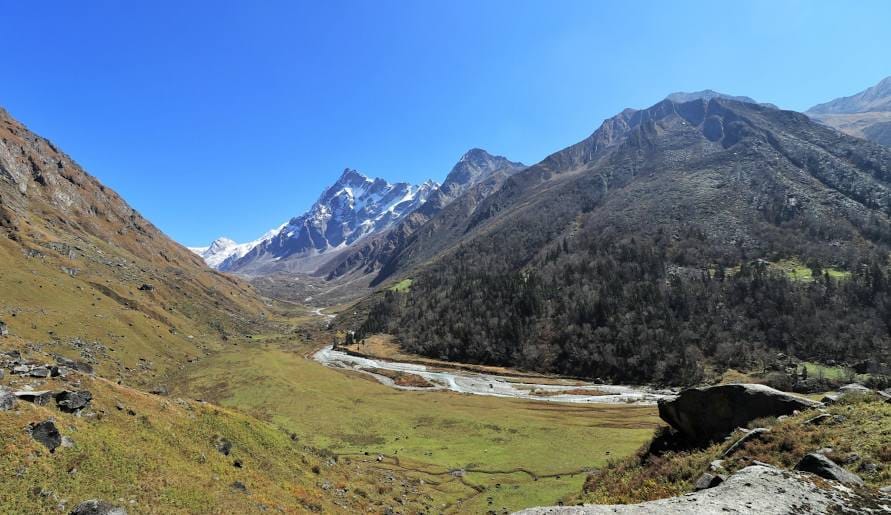
Valley of Gods in the Garhwal Himalayas
Trek through the legendary Har Ki Dun Valley, believed to be the path taken by the Pandavas on their final journey to heaven.Riverside Trails Along the Tons River
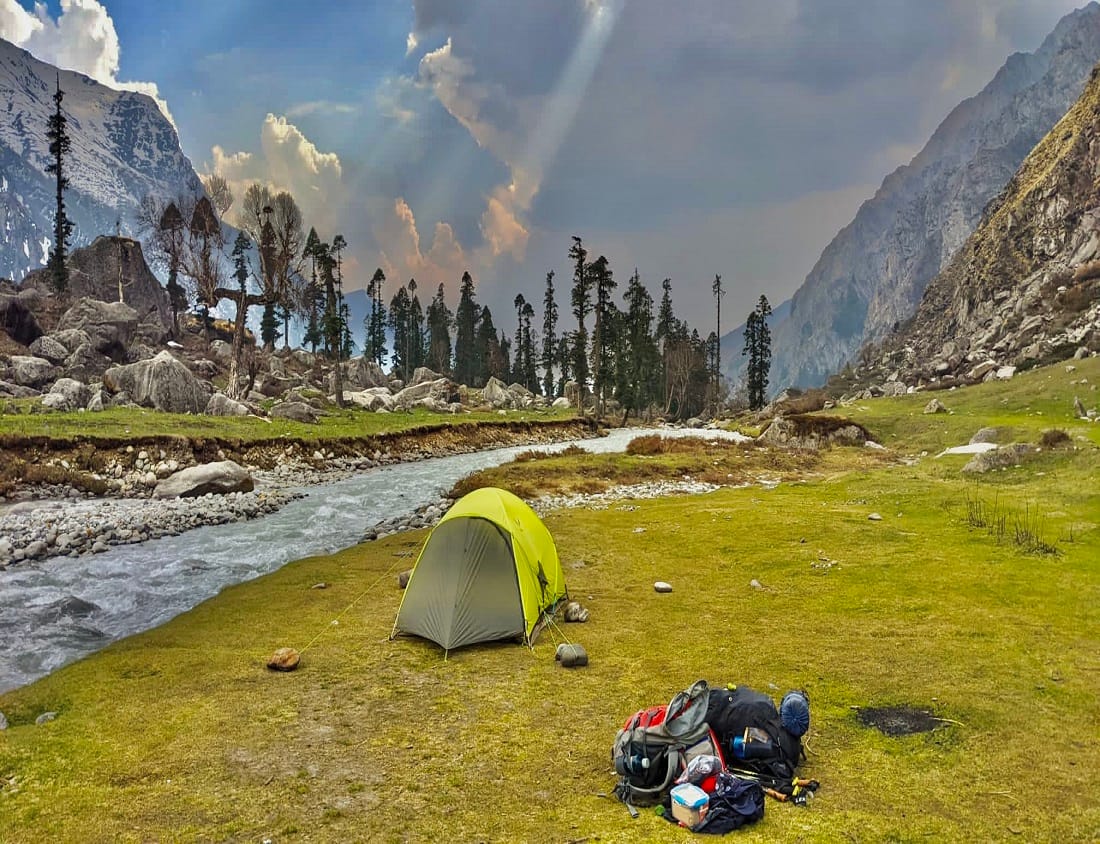
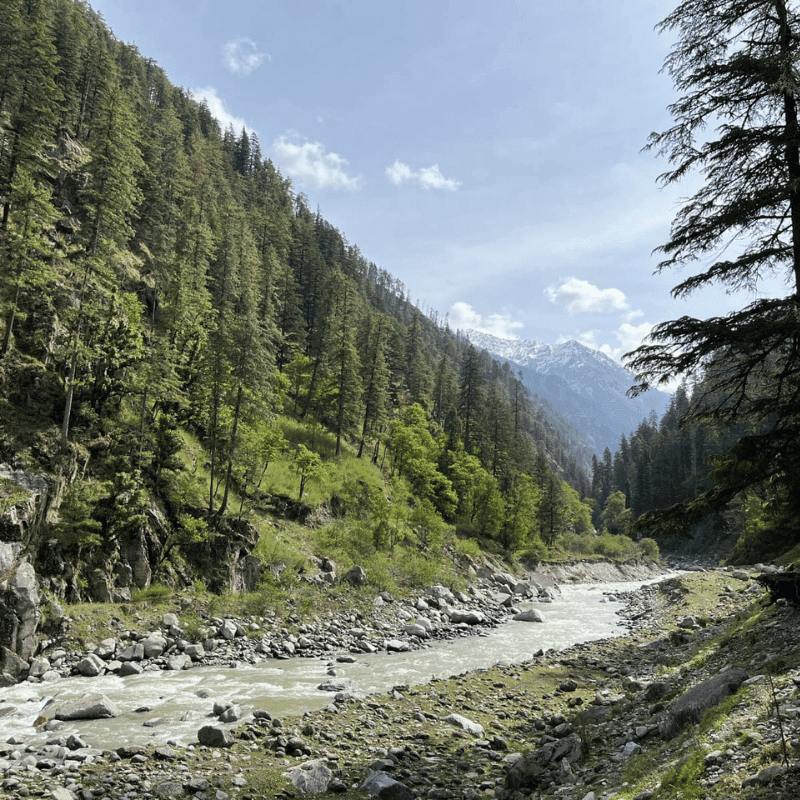
Follow the turquoise waters of the Supin and Tons Rivers as they meander through lush forests and alpine meadows.Verdant Meadows and Wildflower Bloom
Walk across vibrant bugyals (meadows) that burst into color during late spring and early summer, offering breathtaking picnic spots.Ancient Himalayan Villages Like Osla and Gangad
Encounter traditional wooden houses, temples, and warm local hospitality in villages that feel frozen in time.Panoramic Views of Swargarohini and Black Peak
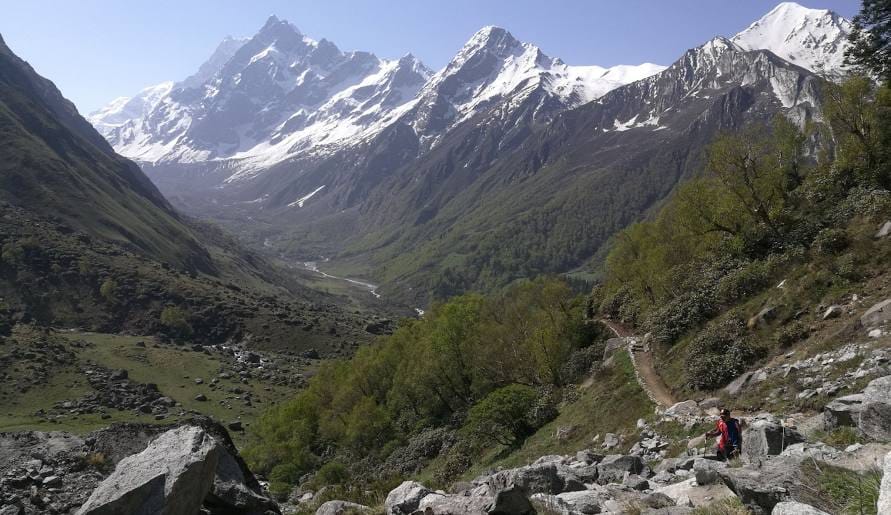
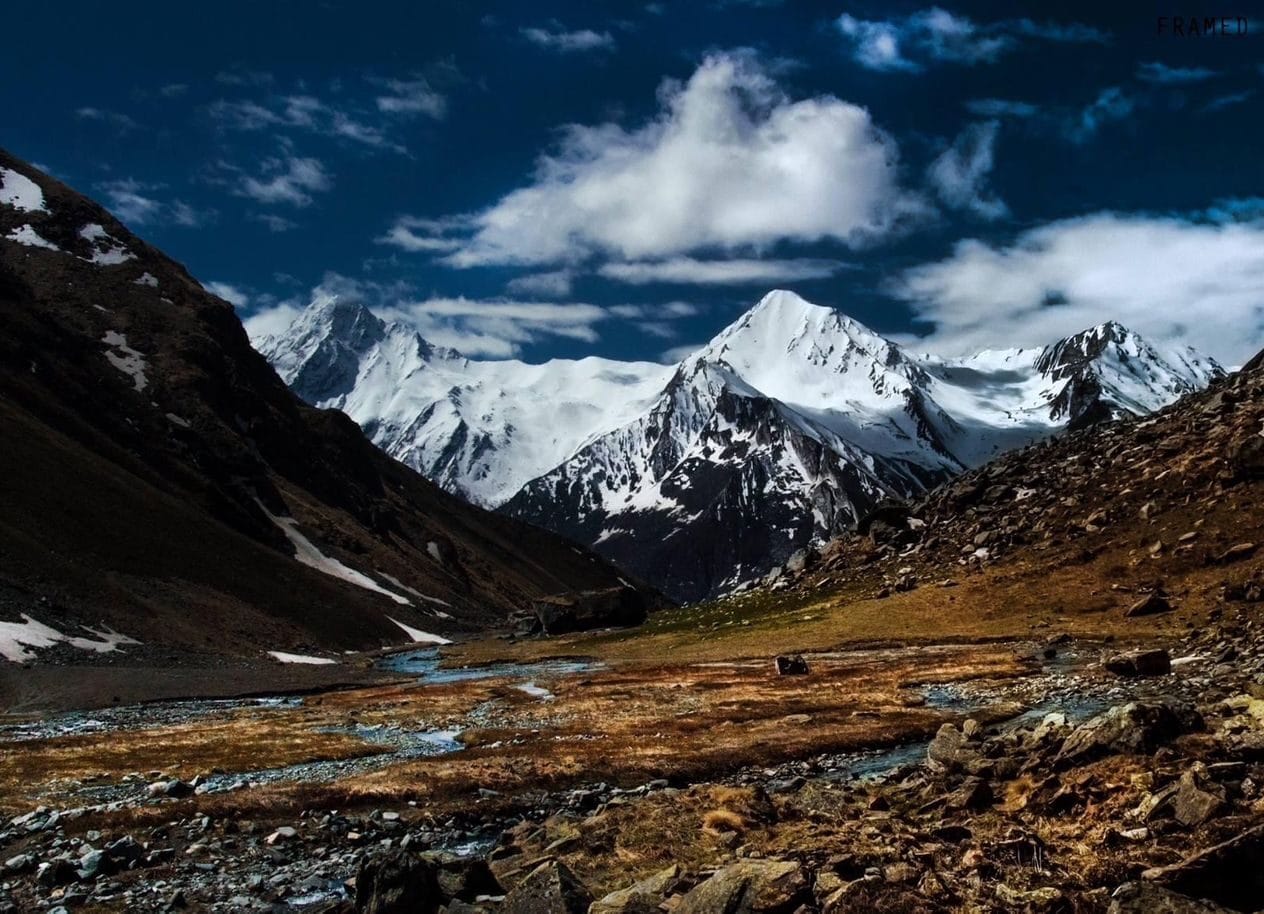
Soak in mesmerizing views of snow-draped giants like Swargarohini, Bandarpoonch, and Kalanag from scenic viewpoints.Perfect Summer Trek in Uttarakhand (May–June)
Enjoy pleasant weather, clear skies, and green landscapes during the ideal trekking window from late April to early July.Cultural Immersion in Remote Himalayan Life
Experience a soulful connection with mountain communities whose myths, rituals, and lifestyle are deeply rooted in nature.Rich Biodiversity in Govind Pashu Vihar National Park
Keep your eyes open for Himalayan Monals, barking deer, langurs, and unique flora in this protected wildlife sanctuary.Optional Extension to Marinda Tal Glacier Lake
Add a day to explore the pristine, lesser-known Marinda Tal — a high-altitude lake framed by rocks and silence.Ideal Beginner Trek with Gradual Ascent
With a gentle elevation gain and well-marked trails, Har Ki Dun is perfect for first-time trekkers looking for high rewards with manageable effort.
Itinerary
Your Har Ki Dun adventure begins with a classic Himalayan road journey. Starting early from Dehradun, you’ll wind your way through a changing landscape — from the busy plains to pine forests, deep valleys, and rivers that slice through the foothills of Uttarakhand. The drive follows the Yamuna and later the Tons River, passing tea stalls, roadside villages, and terraced fields that signal your entry into the Garhwal Himalayas.
The last stretch to Sankri is especially picturesque, with the village perched on a ridge and surrounded by forested slopes. By late afternoon, you’ll reach Sankri (1,950m), a bustling yet charming trekking hub. Settle into your guesthouse, meet your trek leader and team, and enjoy a hot meal while the sun dips behind the snow-capped ridges.
Altitude: Dehradun (640m) → Sankri (1,950m)
Distance: ~190 km
Duration: 8–10 hours
Altitude Gain: +1,310m
A short, bumpy morning drive brings you to the remote hamlet of Taluka — the true gateway to the Har Ki Dun valley. Your trek begins as you cross a charming wooden bridge over the Supin River and enter a world of old-growth deodar and chestnut forests, alive with birdcalls and mountain streams.
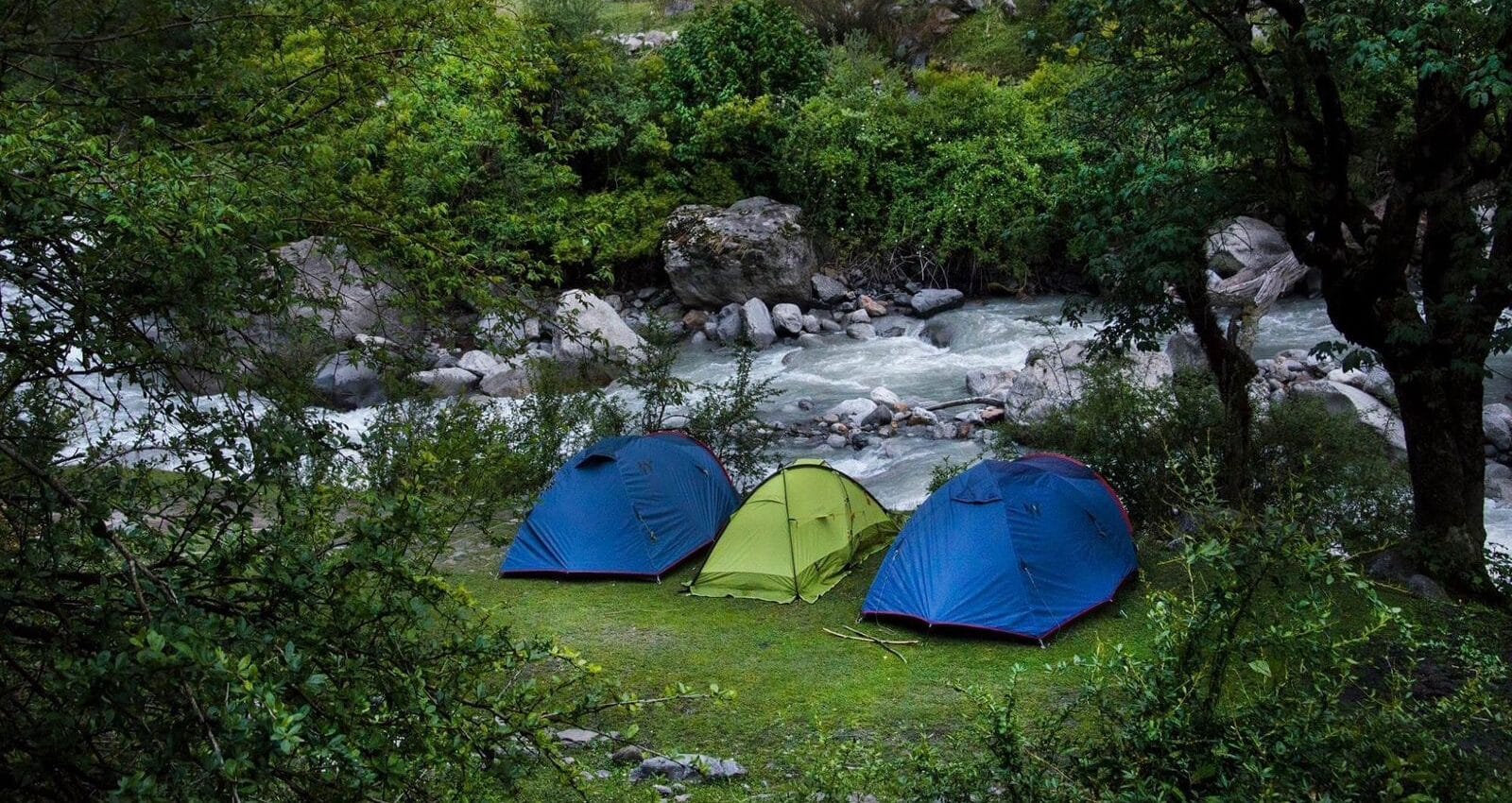
The trail is well-trodden but varied — sometimes hugging the river, sometimes climbing over rocky outcrops, and passing isolated villages like Gangaad. Expect plenty of riverside picnic spots, wooden bridges, and a chance to meet the friendly locals as you cross small clusters of wooden homes. You’ll camp near Seema, a small settlement across the river from the more famous village of Osla, with views of forested slopes and the promise of high mountains ahead.
Altitude: Taluka (2,050m) → Seema (2,560m)
Trek Distance: ~12 km
Duration: 5–6 hours
Altitude Gain: +510m
Today is the heart of your journey. The trail climbs steadily, revealing the wild, expansive beauty of the valley. After crossing the Supin River on a wooden bridge, the route alternates between pine forests, cascading waterfalls, and meadows dotted with grazing sheep and wildflowers. Higher up, the landscape becomes more alpine, with patches of snow in spring and the air growing noticeably cooler.
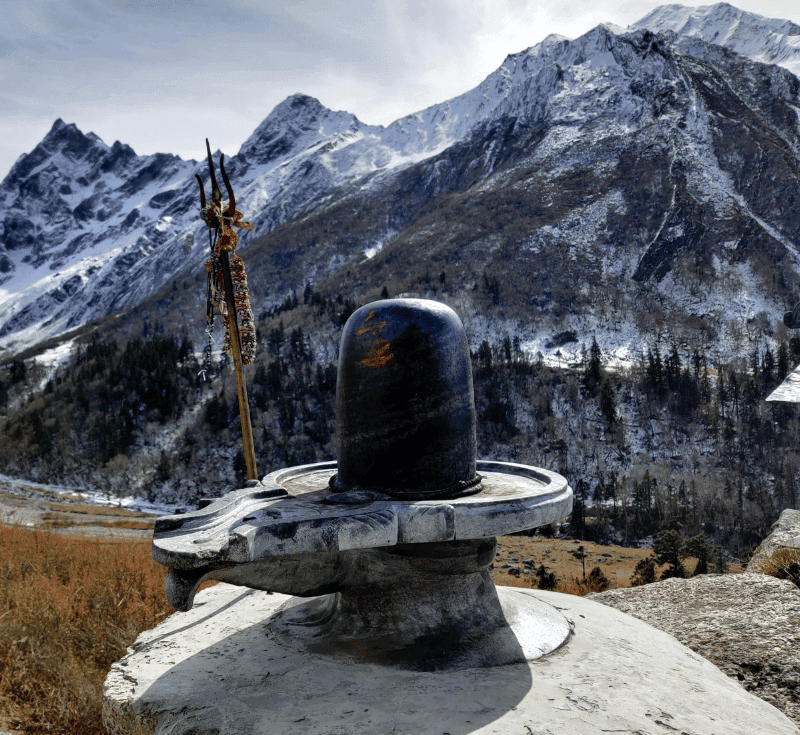
Every bend offers dramatic views: ancient stone temples, fluttering prayer flags, and the snowy massifs of Swargarohini, Black Peak, and Bandarpoonch looming ever closer. As you approach the Har Ki Dun basin, the valley suddenly opens into a grand amphitheater of peaks — a true “Valley of the Gods.” Camp is set up in this stunning natural bowl, ringed by towering cliffs and the distant roar of glaciers.
Altitude: Seema (2,560m) → Har Ki Dun (3,566m)
Trek Distance: ~12 km
Duration: 6–7 hours
Altitude Gain: +1,006m
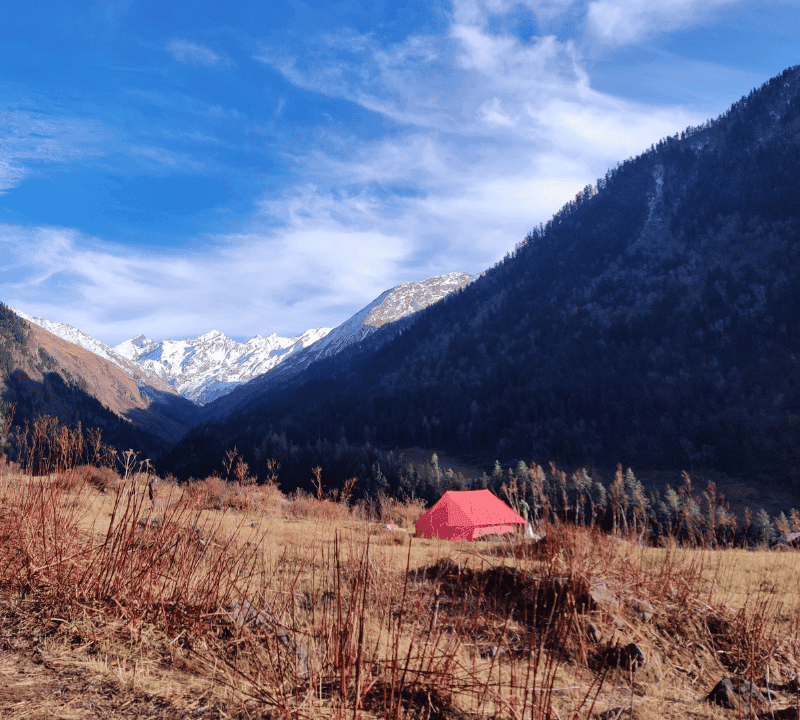
Wake up in one of the most picturesque campsites in the Indian Himalayas. Today is yours to explore and acclimatize. You can take a side trip towards the Jaundhar Glacier for closer views of the snowfields, or hike up to Maninda Tal, a beautiful high-altitude lake set beneath craggy ridges. These trails offer a sense of raw adventure — think boulder hopping, crossing mountain streams, and witnessing avalanches rumbling on distant slopes.
If you prefer a quieter day, simply stroll the meadows, watch Himalayan griffons soar above, or chat with Gujjar shepherds and villagers about life in these remote valleys. The grandeur of Har Ki Dun’s amphitheater — and its legends of the Mahabharata — really come alive here. Return to camp by afternoon for a hearty meal and an evening of stargazing.
Altitude: Har Ki Dun (3,566m)
Excursion Distance: 4–6 km (optional)
Duration: 3–4 hours
Altitude Gain/Loss: Varies with side hike
Bid farewell to the “Valley of Gods” as you retrace your steps back down the trail. Descending is gentler on the lungs, but you’ll appreciate the different perspectives — lush meadows, river crossings, glimpses of rare Himalayan flora, and the vibrant life of the lower valley. Look out for langurs, Himalayan monals, and perhaps even a barking deer in the forested stretches.
Camp again near Seema, this time relishing your memories of the high basin and perhaps swapping stories with trekkers heading up the valley.
Altitude: Har Ki Dun (3,566m) → Seema (2,560m)
Trek Distance: ~12 km
Duration: 5–6 hours
Altitude Loss: -1,006m
The final day on trail is a reminder of just how magical this valley is — vibrant forests, songbirds, and river views at every turn. Trek back to Taluka, savoring your last moments in this wild landscape, then hop into a waiting vehicle for the bumpy but scenic ride to Sankri.
Arrive in Sankri by late afternoon. Enjoy a hot shower, a celebratory team dinner, and a comfortable bed in a cozy guesthouse. Tonight, the mountain silence feels even deeper after your days in the wild.
Altitude: Seema (2,560m) → Taluka (2,050m) → Sankri (1,950m)
Trek Distance: ~12 km
Duration: 4–5 hours
Drive: 12 km / 1 hour
Altitude Loss: -610m
After breakfast, pack up for the drive back to Dehradun. The journey is a wonderful rewind through Himalayan landscapes — forested valleys, rivers, and bustling hill towns. By late evening, you’ll reach Dehradun, taking home memories of a truly classic Himalayan trek.
Altitude: Sankri (1,950m) → Dehradun (640m)
Distance: ~190 km
Duration: 8–10 hours
Altitude Loss: -1,310m
Inclusions
- Accommodation on twin sharing – guesthouse stay in Sankri (Day 1 & Day 6) and twin-sharing tents during the trek
- All meals from Day 1 dinner to Day 7 breakfast – hot, vegetarian food during trek + breakfast in Sankri
- All camping gear – tents, sleeping bags (sub-zero), mats, dining/kitchen gear, toilet tents
- Professional trek team – certified trek leader, local guides, cooks, and porters
- Forest entry fees and permits – including camping and park access inside Govind Pashu Vihar Sanctuary
- Medical support – group first-aid kit, oximeter for daily health monitoring, and oxygen cylinder for emergencies
- Luggage storage at Sankri – for extra baggage not needed on trek
Exclusions
- Travel between Dehradun and Sankri (can be arranged separately)
- Backpack offloading (available at extra charge)
- Insurance – travel or trek insurance is not part of the package
- Meals during transit (Dehradun to Sankri and back)
- Personal expenses like tips, snacks, souvenirs, bottled drinks, phone use, or unforeseen hotel stays
- Emergency evacuation or early exit charges due to illness, injury, or weather
Additional Expenses
- Hotel with Breakfast in Dehradun (twin sharing, before/after the trek): ₹2,200
- Transport Dehradun ↔ Sankri – ₹2,200 per person (shared vehicle, round trip)
- Backpack offloading – (up to 10–12 kg); ₹1,800 for entire trek (pre-booking preferred)
- Single occupancy tent or Sankri room – available at additional cost upon request
- Trekking gear rental – jackets, poles, gloves, headlamps, etc. available for rent. Please get in touch for advance bookings
- Travel insurance – highly recommended; should cover high-altitude trekking and emergency evacuation
- Extra hotel night in Sankri – ₹800–₹1,500 depending on room type, occupancy, and season
Food & Cuisine
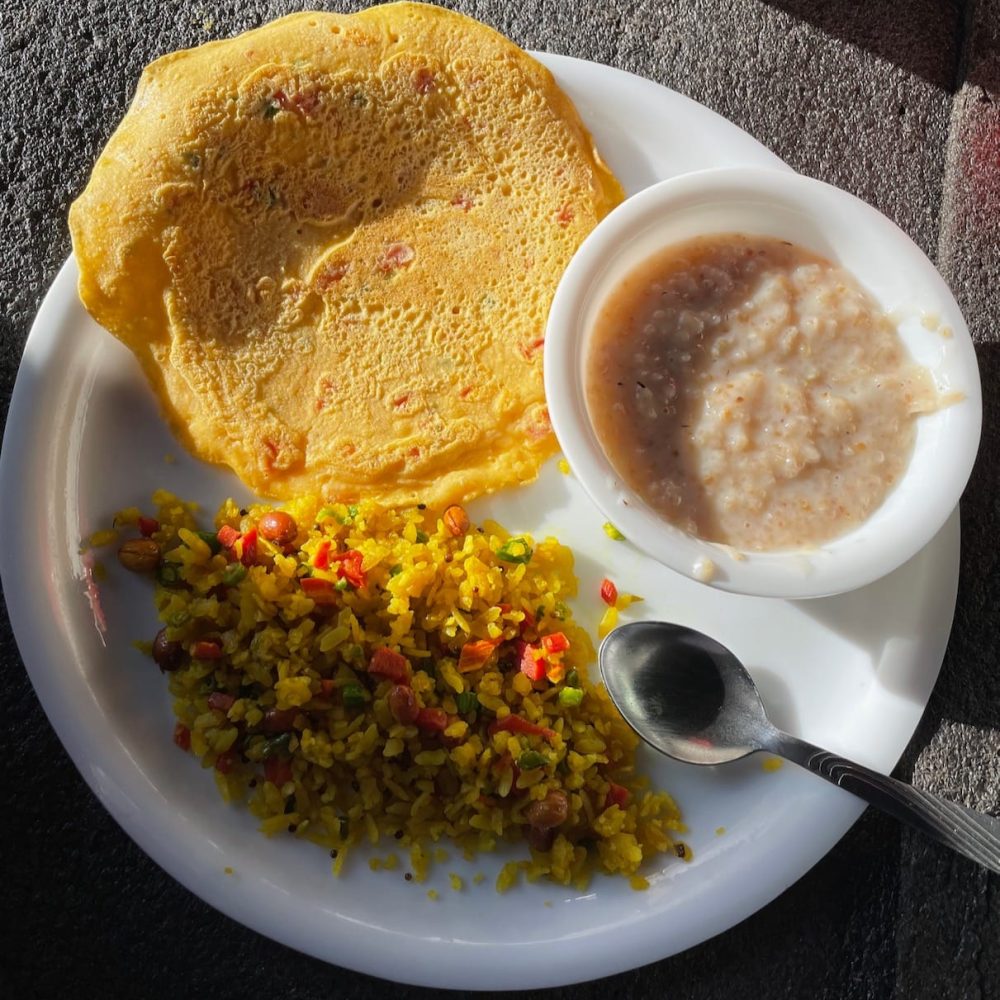
We provide nutritious, freshly cooked vegetarian meals throughout the trek — starting from dinner on Day 1 to breakfast on Day 7. At Sankri, meals are served at the guesthouse, while on the trail, our trek team prepares food at the campsites using portable kitchens.
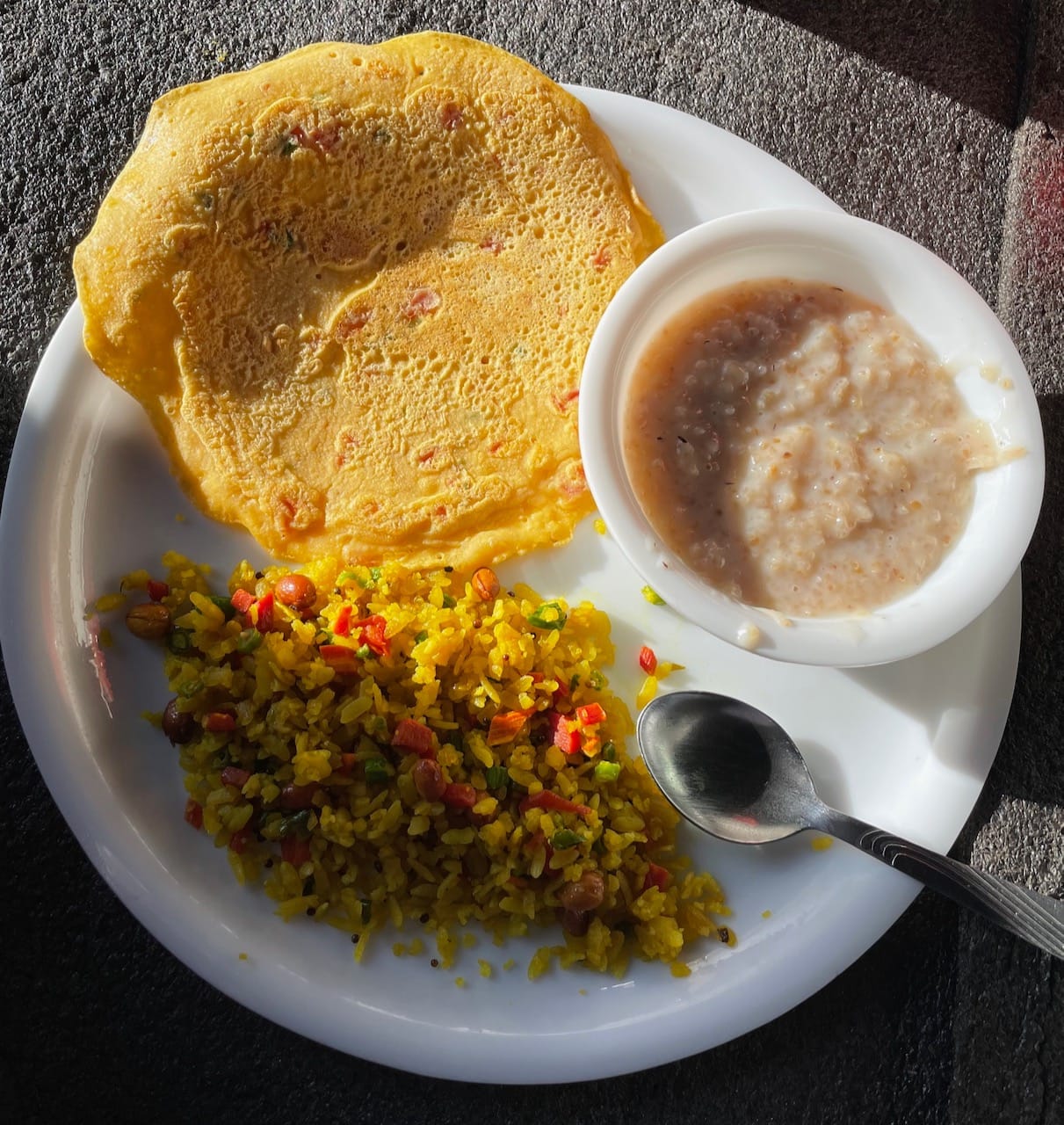
Expect filling and simple mountain meals such as dal-chawal, sabzi-roti, poha, khichdi, porridge, and sometimes Maggi or pasta on lighter days. Hot beverages like morning tea, evening tea/snacks, and post-hike soup are part of your daily routine. On longer walking days, lunch is often packed and eaten on the trail.
We also provide boiled or filtered drinking water at all campsites — no need to carry water purifiers. All cutlery and serving utensils are handled by the trek team, so you don’t need to bring your own plate or mug.
Accommodation
At Sankri
On Day 1 and Day 6, you’ll stay in a clean and comfortable local guesthouse or lodge in Sankri. Rooms are provided on twin-sharing basis with basic bedding and attached/common bathrooms (depending on the guesthouse). Hot water is available via geyser or bucket service.
On the Trek
During the trek, you’ll stay in twin-sharing dome tents at established campsites like Seema and Har Ki Dun. We provide high-altitude rated sleeping bags (sub-zero comfort range) and insulated foam mats to ensure warmth and comfort.
Toilet tents with dry-pit systems are set up at each site. Camps include a separate dining tent, and meals are served hot and fresh. Campsites are kept clean, and standard hygiene protocols are followed.
If you’re carrying extra luggage not required on the trek, it can be safely stored at the Sankri base until you return.
Fitness & Difficulty
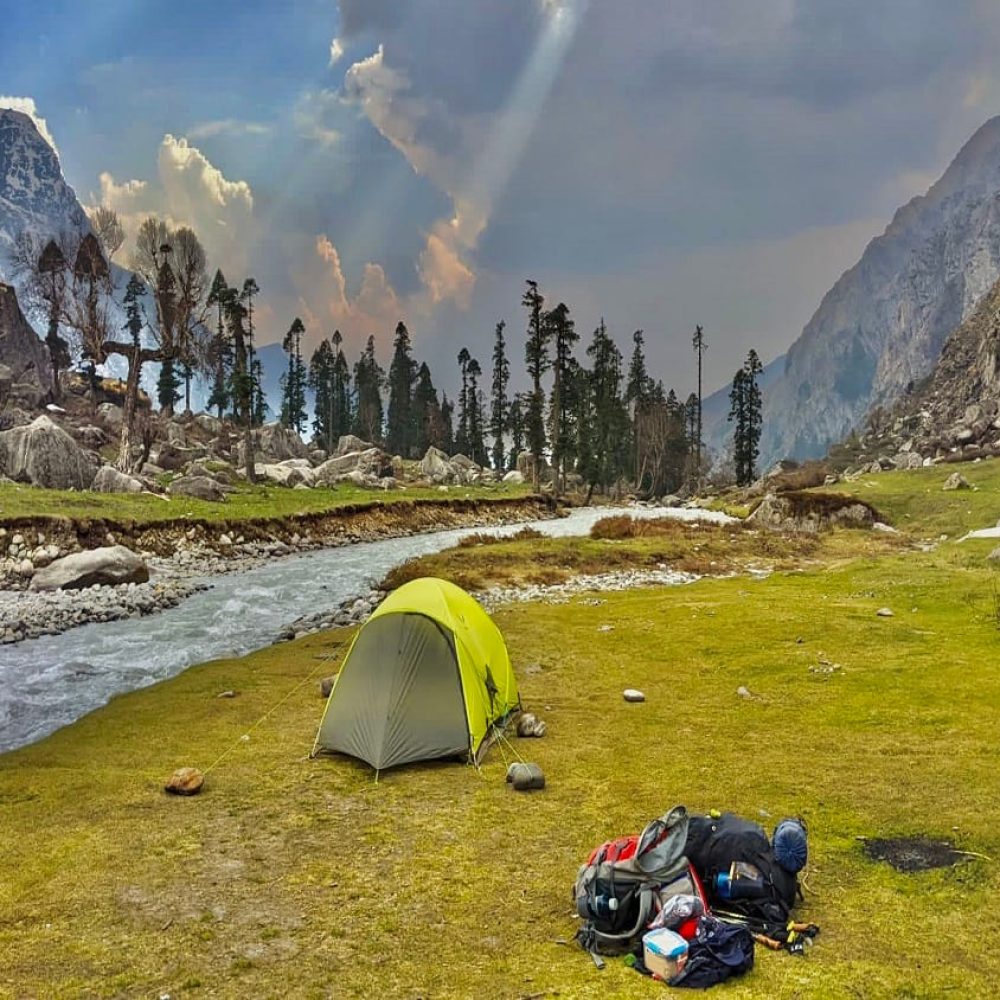
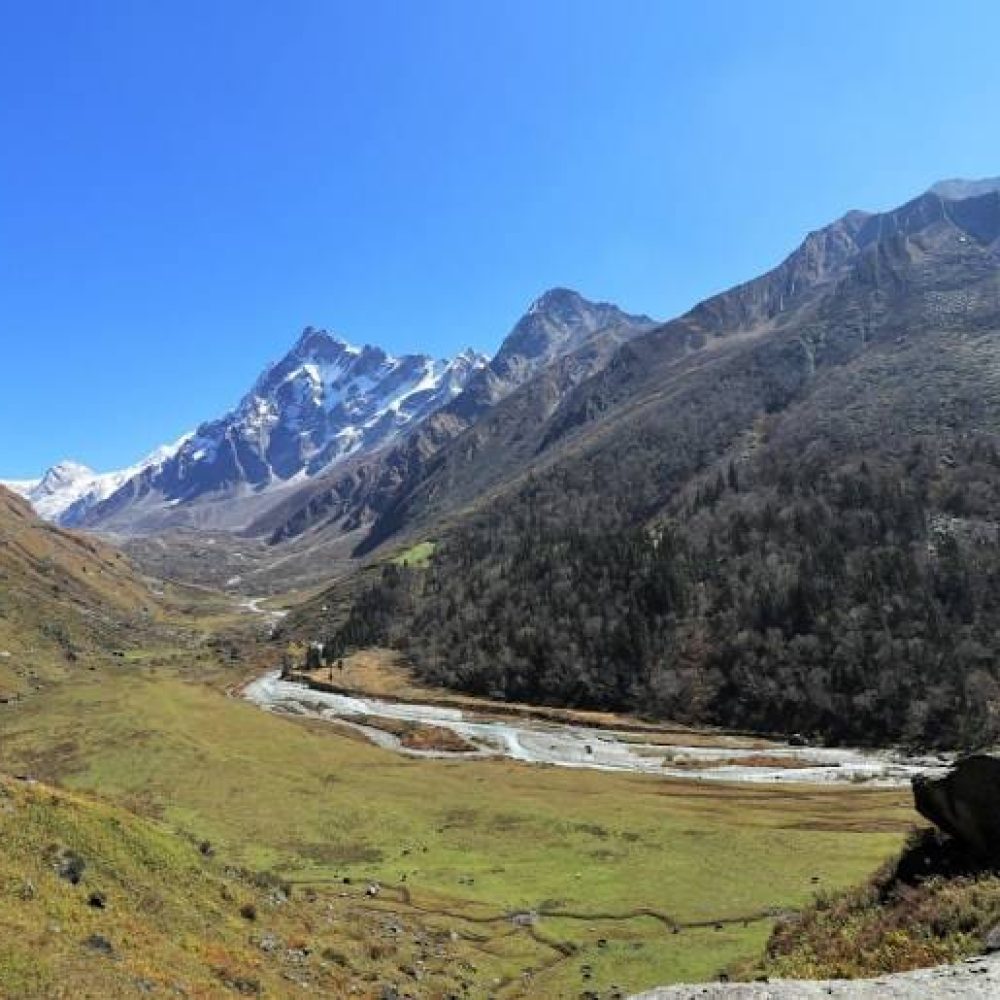
The Har Ki Dun Trek is rated moderate. The trail is non-technical but involves trekking between 12–14 km daily through forests, meadows, and river valleys. The maximum altitude you’ll reach is 3,566m at Har Ki Dun, which is well below the AMS danger zone — but you still need proper acclimatization and fitness.
This trek is ideal for:
- First-timers looking for a slightly challenging but non-technical Himalayan experience
- Trekkers who’ve done routes like Kedarkantha, Dayara, or Sandakphu
- Anyone with decent fitness and a love for scenic landscapes and quiet wilderness
With regular cardio, brisk walking, or stair training for 3–4 weeks before the trek, most fit individuals will complete the trail comfortably. We walk at a gradual pace, and daily health checks are part of the routine.
Dates Available
DATES |
AVAILABILITY |
|---|---|
February
|
Slots Available
|
March
|
Slots Available
|
April
|
Slots Available
|
Trek Fee: ₹13,500 + 5% GST per person
(This includes everything – comfortable stays, delicious meals, permits, expert guides, and more, as detailed in the Inclusions above.)
To Confirm Your Spot:
Click the Book Now button below to proceed with your booking. You’ll have the option to select your preferred dates and any optional add-ons on the next page.
Something Else In Mind?
We get it — adventures should feel personal. We’re here to co-create a version of this journey that feels right for you.
Start on your preferred dates
Custom inclusions & stay options
Tweak the itinerary or route
Plan a private group experience
Fill out the form or drop us an email at mail@outdoorwhisperer.com with your questions & requirements, and we’ll get back to you as soon as possible. For a quicker response, feel free to reach us directly at +91-8285967537.
Send Us Your Query
Why Outdoor Whisperer?
We do things a bit differently — and proudly so. We don’t chase numbers; we focus on depth, care, and quality. Each trek is meticulously planned, and organized with warmth, care, and an unwavering focus on your safety. From pre-trek online briefings to carefully curated experiences on-ground, we believe the best adventures are the ones that feel like they were made just for you.
Founder-led Journeys
Every batch is personally led by our founding team — not outsourced. We’re deeply involved in your journey, from planning to trail.
Quality Over Quantity
We run fewer batches on purpose. It lets us focus on doing each trek really well, with attention to detail, better care, and stronger group vibes.
Designed With Heart
We thoughtfully craft each batch to feel personal — with small surprises, better pacing, and meaningful touches that make the journey feel your own.
Safety Comes First
From altitude protocols to evacuation readiness, our on-ground team is WFR-certified, highly experienced, and well-versed with Himalayan conditions.
Pre-Trek Online Briefing
Before every departure, we host detailed virtual briefings so you're mentally and logistically prepped for what lies ahead.
Transparent Pricing & Terms
No hidden charges. No unpleasant surprises. We only offer what we’d want for ourselves — quality, integrity, and care.
What To Pack?
Things to Pack for Hampta Circuit Trek
The Hampta Circuit trek takes you through a mix of forests, meadows, snowy slopes, and cold desert terrain — so packing smart is the key to staying warm, dry, and comfortable throughout the journey.
Dress in layers, choose lightweight materials, and avoid overpacking — everything should fit neatly into a single rucksack.
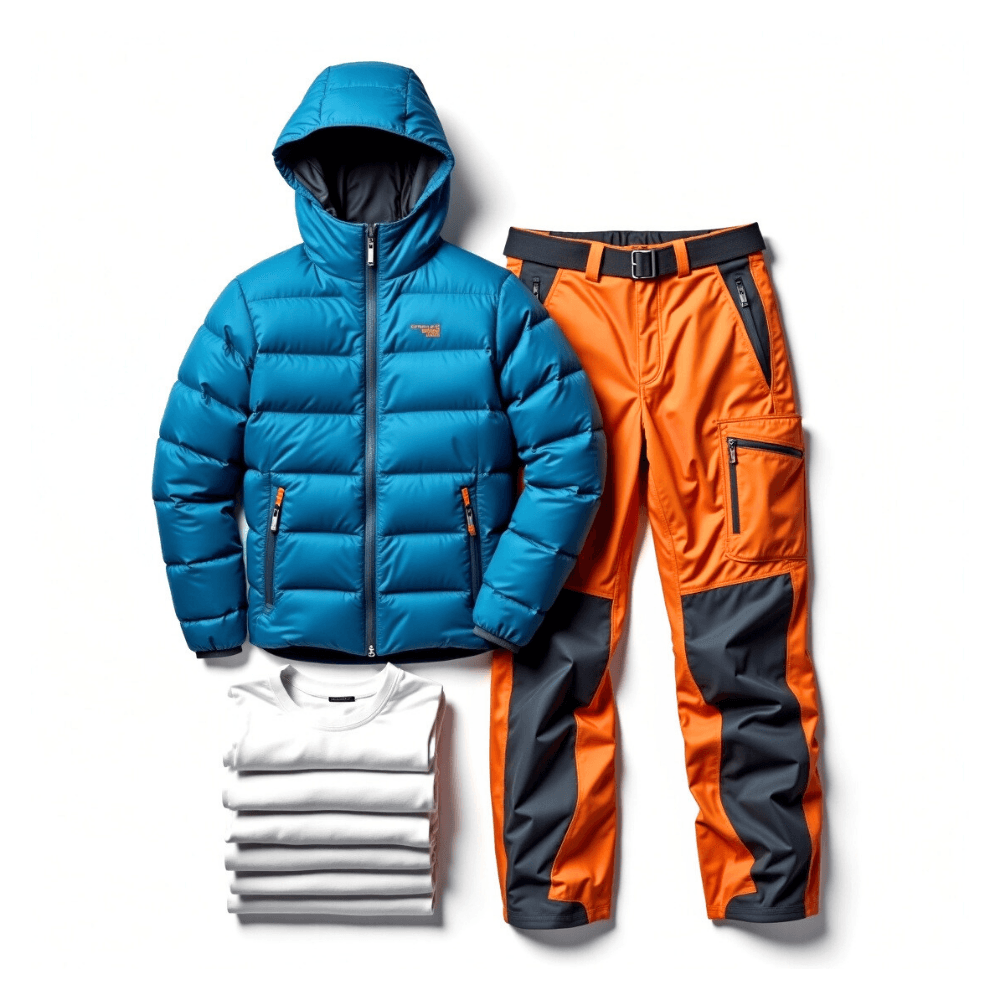
Clothing – Layer Up Smart
- 3 full-sleeve quick-dry trekking t-shirts
- 1 light fleece / woolen pullover
- 1 down jacket / padded jacket (sufficient warmth for sub-zero nights)
- 1 waterproof shell jacket or poncho
- 2 pairs trekking pants (at least one quick-dry; avoid jeans)
- 1 set thermal inners (top & bottom)
- 4–5 pairs of warm trekking socks (mix of wool + synthetic)
- Woolen cap / beanie + sun cap or wide-brimmed hat
- Buff or scarf (for dust, sun, and wind protection)
- Waterproof gloves + fleece inner gloves
- Undergarments (quick-dry preferred)
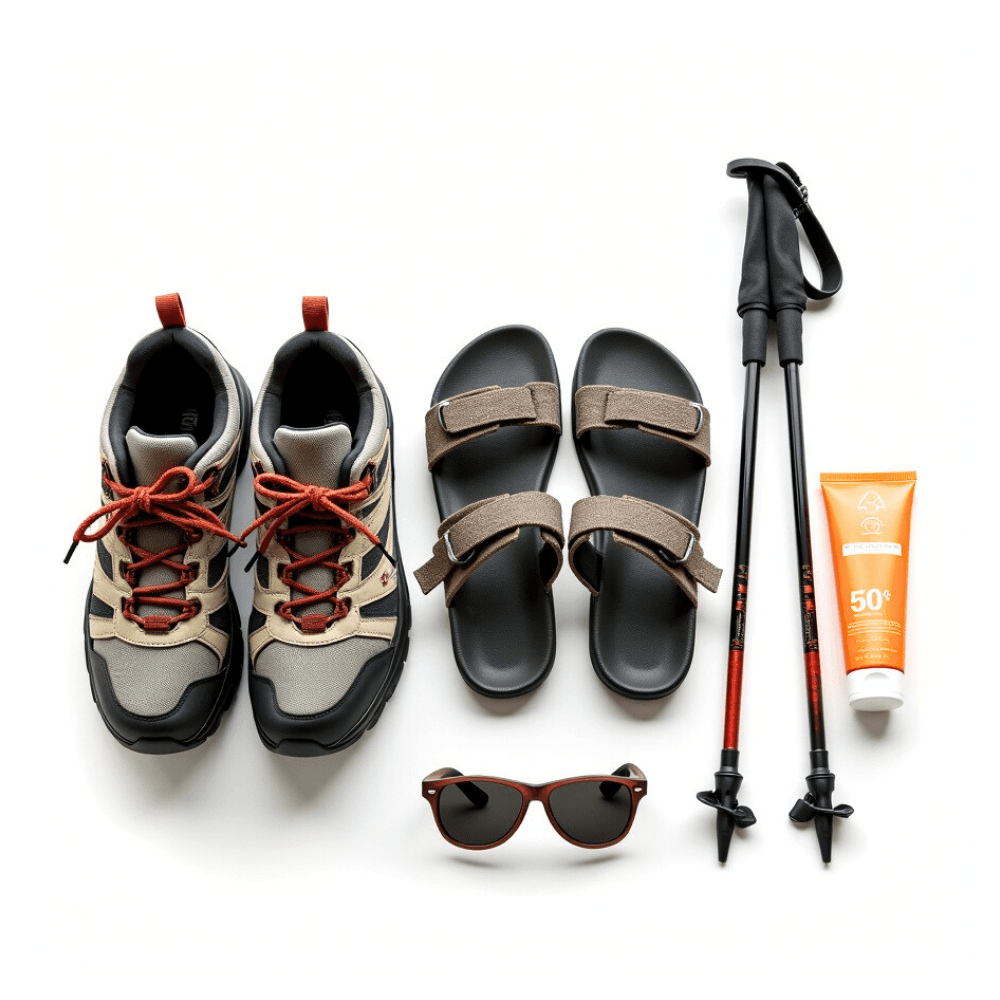
Footwear & Accessories
Waterproof, high-ankle trekking shoes with good grip
Floaters/slippers – for campsite use
Gaiters (optional, based on snow conditions)
Trekking poles (highly recommended for descent and stability)
UV-protected sunglasses – must-have for snow days
Sunscreen SPF 50+
Lip balm with SPF + Moisturizer
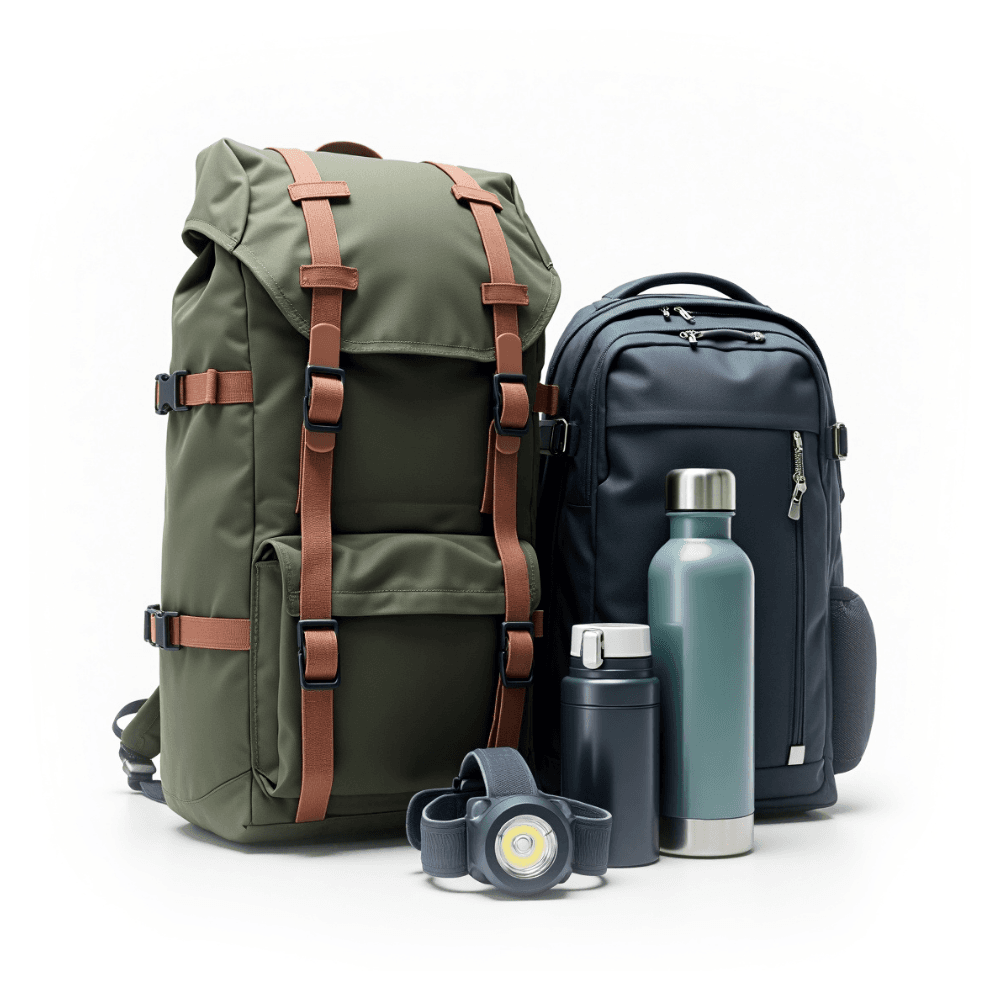
Gear & Packing Essentials
50–60L backpack with good back support & rain cover
Small 20–25L daypack – for optional Chandratal visit or summit day (if carrying own load)
Headlamp with extra batteries
Water bottles (2L total capacity) or hydration bladder
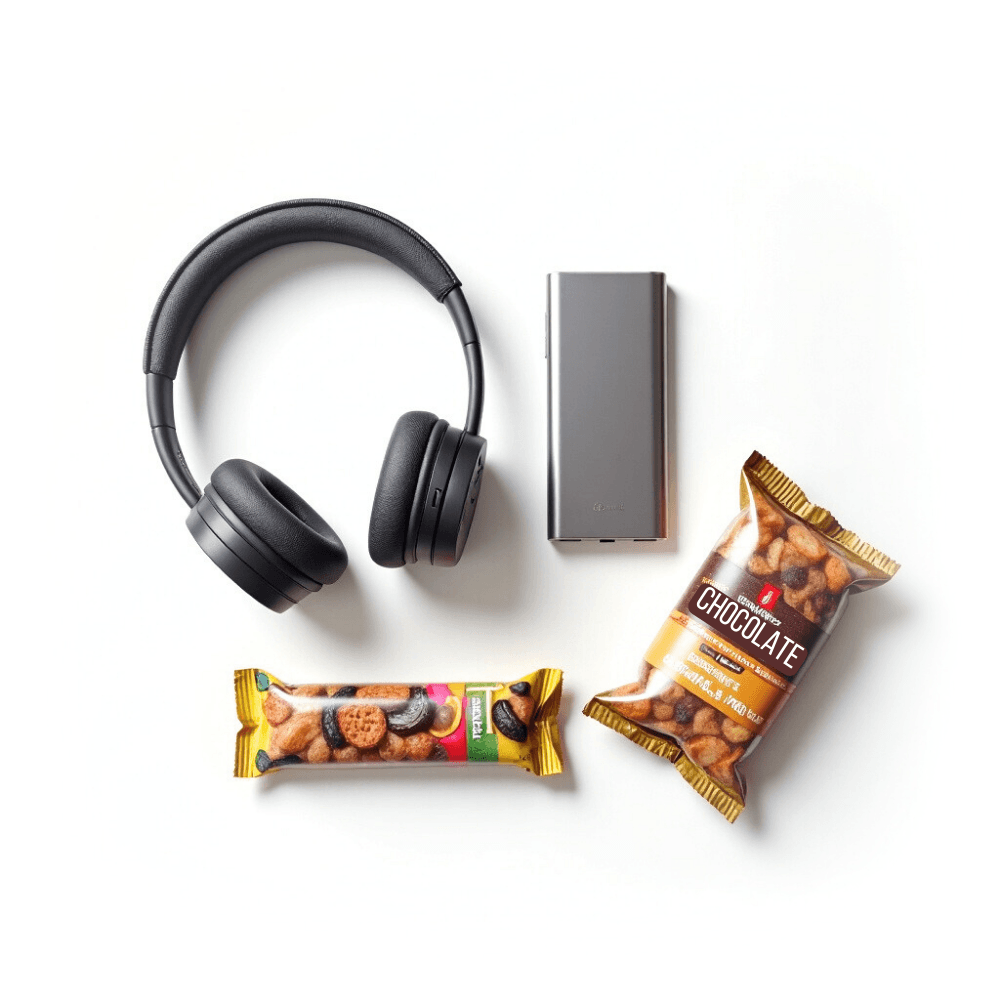
Power bank + charging cable
Dry bags or packing cubes – to keep things organized and dry
Passport-size photos + ID copy (for permits)
Small lock – for hotel luggage or bag security
- Tiffin box / snack box (for packed lunch)
- Cash (for Sankri market or café stops; ATMs not reliable)
NOTE: All cutlery, cups, and utensils are provided by us. No need to carry personal lunchboxes or mugs.
Personal Hygiene & Toiletries
Toothbrush + toothpaste
Quick-dry towel or small microfiber towel
Biodegradable soap or soap strips
Toilet paper + tissues
Hand sanitizer + wet wipes
Nail cutter + comb
Menstrual hygiene products (if applicable)
Small pouch for toiletries


Health & Medical Kit
Diamox (Acetazolamide) – for altitude (consult your doctor)
Personal medication (for asthma, diabetes, etc.)
Basic painkillers – Combiflam, Crocin
Band-aids, blister patches
Antiseptic ointment
ORS/Electrolyte sachets
Anti-diarrheal tablets
Antihistamines (if you have allergies)
Extras & Good-to-Haves
Energy bars, dry fruits, OR homemade trail mix
Notebook + pen (great for journaling!)
Playing cards or small game for downtime
Lightweight reading book or Kindle
Eye mask + earplugs (for light sleepers)
Camera + spare batteries/memory card
Climbing Gear? Not Required!
This is a trekking expedition — no personal climbing gear needed. All group logistics like tents, sleeping bags, and kitchen setup are provided by us. You only need to bring your personal gear and wearables.
Common Questions
Har Ki Dun is considered a moderate trek, perfect for fit first-timers or trekkers looking to move beyond beginner trails. It involves 5–7 hours of walking each day, with gradual ascent and descent across varied terrain — from forest paths to open meadows and riverside trails. It doesn’t require technical climbing or prior experience, but some endurance is essential.
You’ll reach a maximum altitude of 3,566 meters at the Har Ki Dun Valley. The trek gains altitude slowly, giving your body enough time to acclimatize, which makes it a great first high-altitude experience.
No prior trekking experience is necessary, but you should be in decent shape. If you've done a beginner trek like Kedarkantha, Dayara Bugyal, or Triund, you're more than ready. First-timers are welcome as long as they’ve trained physically before the trek.
You should be able to walk 8–12 km a day for 5–6 days with a light backpack. Start a basic routine 3–4 weeks in advance: brisk walking, stair climbing, or jogging. Add some strength training or yoga if possible. This helps you enjoy the trek rather than struggle through it.
The trek is open in two main seasons:
- Spring to early summer (March to June) – Snow still lingers in patches, flowers start to bloom, and the valley turns lush green.
- Autumn to early winter (September to early December) – Clear skies, golden grasslands, and crisp mountain air. Great visibility of peaks.
Avoid the monsoon (July–August) due to high landslide risk and slippery trails.
During the trek, temperatures range from 15–20°C during the day, dropping to 0°C or even -5°C at night, especially at Har Ki Dun. It can get windy at higher camps, so warm layers are essential even in summer months.
The trek starts from Taluka (2,050m), which is a short drive from Sankri (1,950m), the main base village. You return the same way — Taluka → Sankri → Dehradun. We provide shared transport from Sankri to the trailhead and back.
It’s an in-and-out trail, which means you return via the same route. But the views look completely different in reverse — morning light, fresh angles, and different trail experience on the way back.
From trailhead to Har Ki Dun and back, you’ll walk roughly 50–55 km over 5 days of trekking. Daily distances vary from 10–14 km, depending on the route and weather.
You’ll stay in a guesthouse in Sankri on Day 1 and Day 6 (twin sharing). On the trek, you’ll camp in twin-sharing tents, fully equipped with sub-zero sleeping bags and insulated mats. Toilet tents and dining tents are set up at each campsite.
There is no mobile network on the trail beyond Sankri, and no charging points during the trek. Carry a power bank (10,000 mAh or higher), and let friends/family know you'll be off-grid.
You’ll get simple, hot, vegetarian meals — dal-chawal, sabzi, roti, khichdi, porridge, Maggi, etc. Meals are prepared fresh by our kitchen crew. We also serve tea twice a day, post-hike snacks, and soup. Lunch may be packed on long trail days.
Yes. We provide boiled or filtered water at all camps. You don’t need to carry purification tablets or filters. Bring a reusable water bottle or hydration bladder (1L+).
Dry-pit toilet tents are set up at each campsite. These are clean and private, but basic — no running water. Please carry toilet paper and personal hygiene items. Avoid open defecation.
Absolutely. We frequently host solo trekkers, including solo female trekkers. Campsites are safe, and tents are shared by gender. Our staff is trained, professional, and always approachable.
Yes. You can store any luggage you don’t want to carry on the trek at our base in Sankri. Just pack your essentials into your trekking backpack and leave the rest safely behind.
Yes. We offer backpack offloading at ₹350/day or ₹1,750 for the entire trek (up to 10–12 kg). You’ll still carry a small daypack with water, snacks, and your essentials. Pre-booking is advised.
We usually keep group sizes between 10 and 20 people. Small enough for personal attention, big enough for a fun, motivating team vibe.
There’s no dedicated doctor, but our trek leaders are Wilderness First Aid certified, and we carry a first-aid kit & oximeter. In case of serious issues, we initiate evacuation protocols.
If someone feels unwell or needs to descend, one of our team members will escort them back to Sankri or Taluka, depending on the situation. Evacuation costs (transport, stay, etc.) are to be borne by the participant.
It’s not mandatory, but highly recommended. Make sure your policy covers high-altitude trekking and emergency evacuation.
Yes, we handle all necessary forest permits, camping fees, and entry charges to trek inside Govind Pashu Vihar National Park. No paperwork is needed from your end.
Yes. Mules carry group camping equipment. If you need personal load support (backpack offloading), it can be arranged with advance notice.
Yes! You can rent down jackets, trekking poles, gloves, headlamps, and more — limited stock available. Request in advance so we can block items for you.
Carry a government-issued photo ID (original + photocopy) and two passport-sized photographs for forest department records and internal verification.
Yes! It’s believed that the Pandavas from the Mahabharata took this route on their final journey to heaven. The valley’s name — “Har Ki Dun” — literally means “Valley of God,” and locals still tell stories passed down through generations.
Yes! All participants receive a Certificate of Completion after successfully finishing the trek — signed by your trek leader and the Outdoor Whisperer team.
Yes, but kids should be 12+ and physically fit. Families often sign up, and it’s a beautiful bonding trek — with culture, moderate challenge, and incredible landscapes.
We understand that plans can change, and we try to keep our cancellation policy fair and transparent. Depending on how close to the departure date you cancel, partial refunds are possible, and we also offer options to transfer your booking to a future trip in certain cases.
For the full breakdown of timelines, conditions, and refund details, please check out our complete cancellation policy here: