
Bookings Open For 2025 & 2026 Batches To
Everest Base Camp
Stand Tall at the Foot of the World’s Highest Peak.
Altitude
5600 Meters
Difficulty
Moderate
Duration
15 Days
Location
Nepal
Fee
INR 95,000
EBC Trek with kalapathar & Sagarmatha Next
They say the journey matters more than the destination — but what if both are unforgettable?
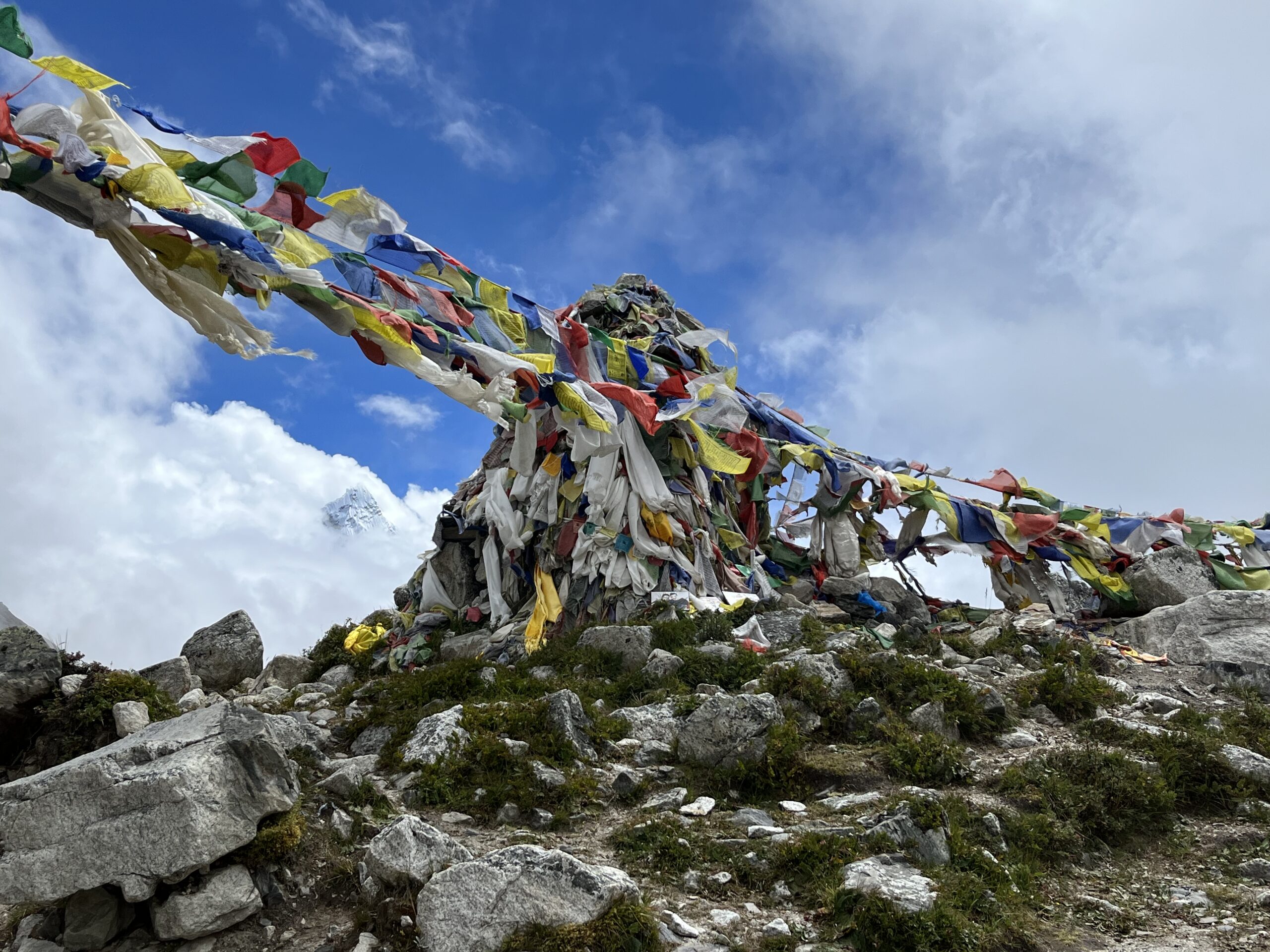
Welcome to the Everest Base Camp Trek — a legendary 12-day journey through the heart of the Himalayas. Picture yourself walking ancient trails lined with fluttering prayer flags, crossing roaring rivers, and resting in Sherpa villages nestled under snow-capped giants. This isn’t just a trek — it’s a full-blown adventure in altitude, resilience, and awe that ends with you standing at 5,364 meters, face-to-face with the base of the world’s tallest mountain.
READ MORE
The Everest Base Camp Trek takes you deep into the Khumbu region of Nepal — a place where the mountains feel alive, and the culture is as rich as the scenery. Starting from the famous Lukla airport, your trail winds through iconic stops like Namche Bazaar, Tengboche, Dingboche, Lobuche, and Gorakshep — each higher, colder, and more breathtaking than the last. Whether it’s sipping hot tea in a cozy teahouse or catching your breath under a fluttering line of prayer flags, this trek balances physical challenge with soulful moments.
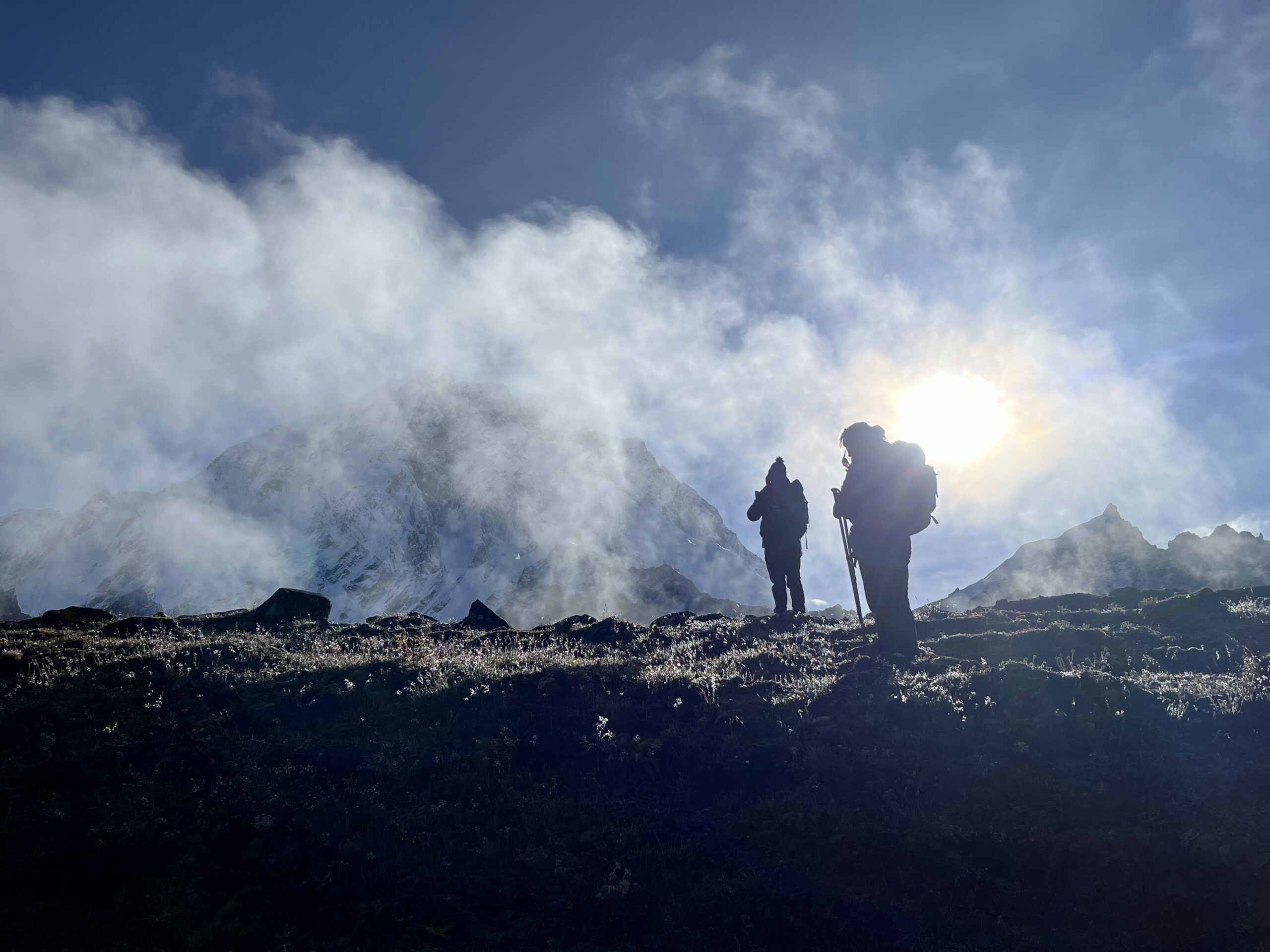
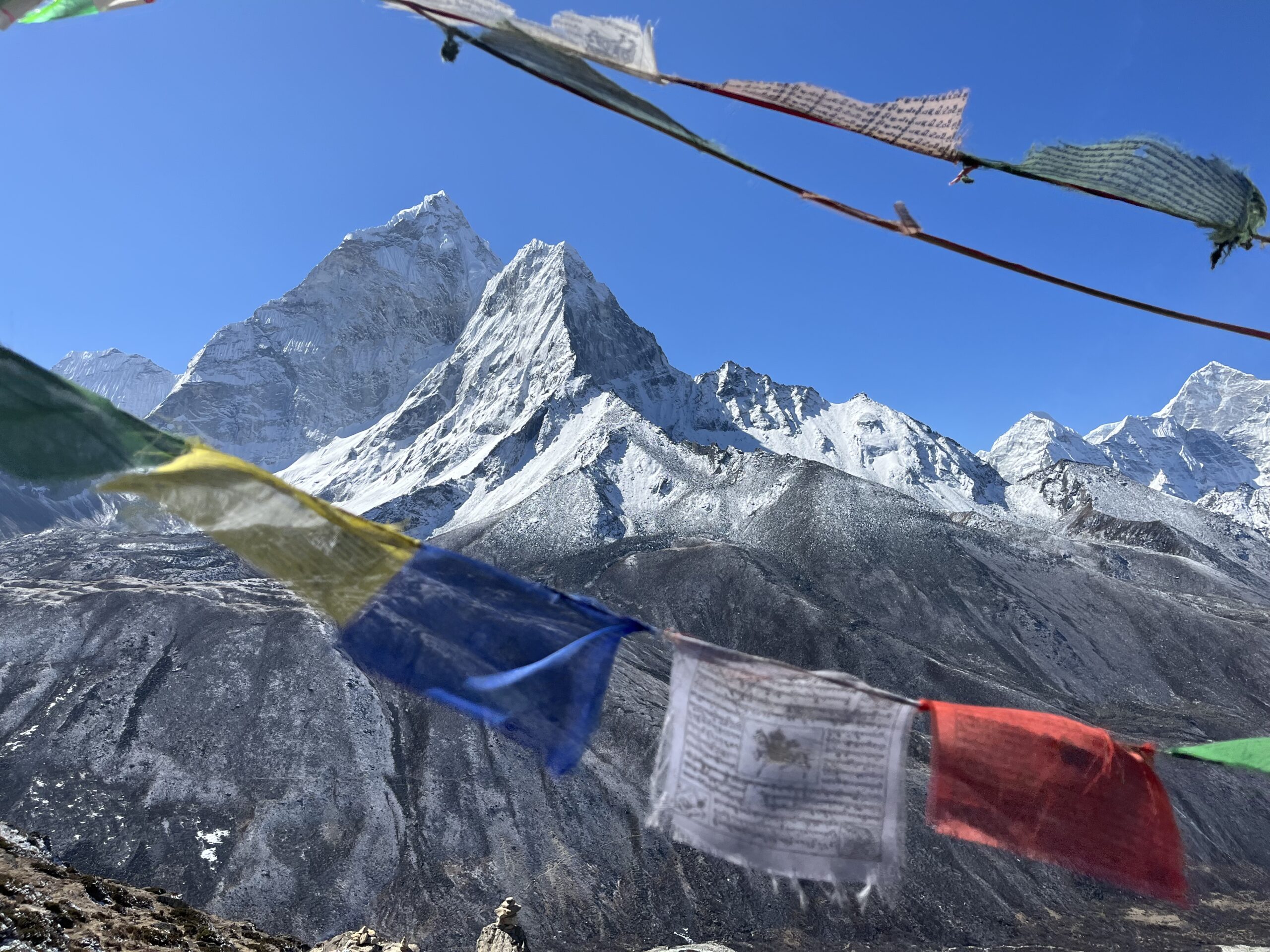
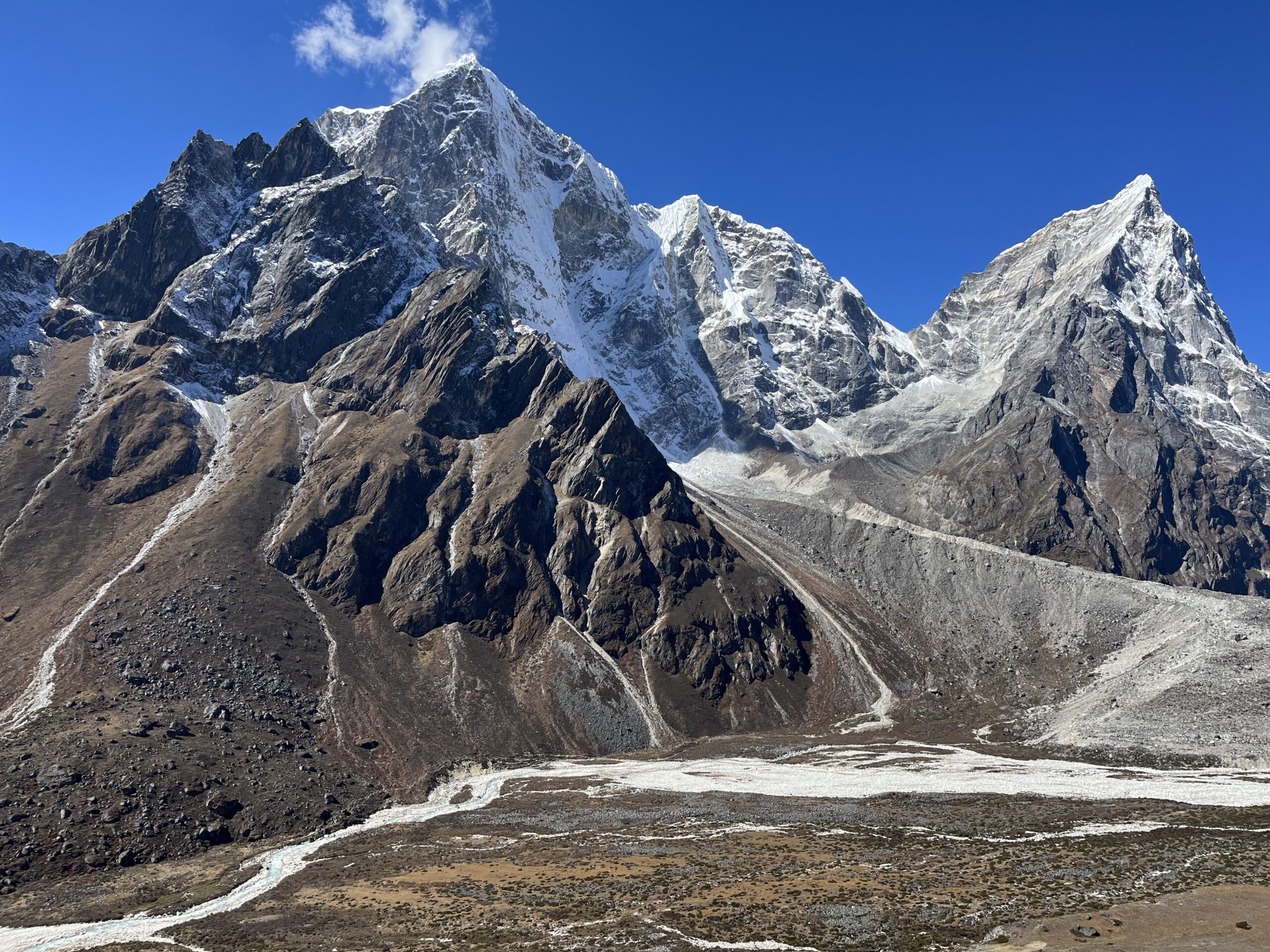
What makes the EBC trek so special isn’t just Mt. Everest — it’s the entire landscape. You’ll witness towering peaks like Lhotse, Ama Dablam, Nuptse, and Pumori, and if you take the optional early morning hike to Kala Patthar (5,545m), you’ll get one of the best panoramic views of Everest in the world — no exaggeration. This trek also gives you a real peek into the life and spirit of the legendary Sherpas, their traditions, and their unwavering connection to the mountains.
While the Everest Base Camp Trek is physically demanding, it’s not just for pro athletes. With the right mindset, prep, and acclimatization days built into the itinerary, it’s an achievable dream for fit beginners too. Whether you’re here for the mountain views, the cultural richness, the bragging rights, or the personal transformation — EBC delivers all of it and more.
Watch: What It’s Like to Trek to Everest Base Camp with Us
HIGHLIGHTS
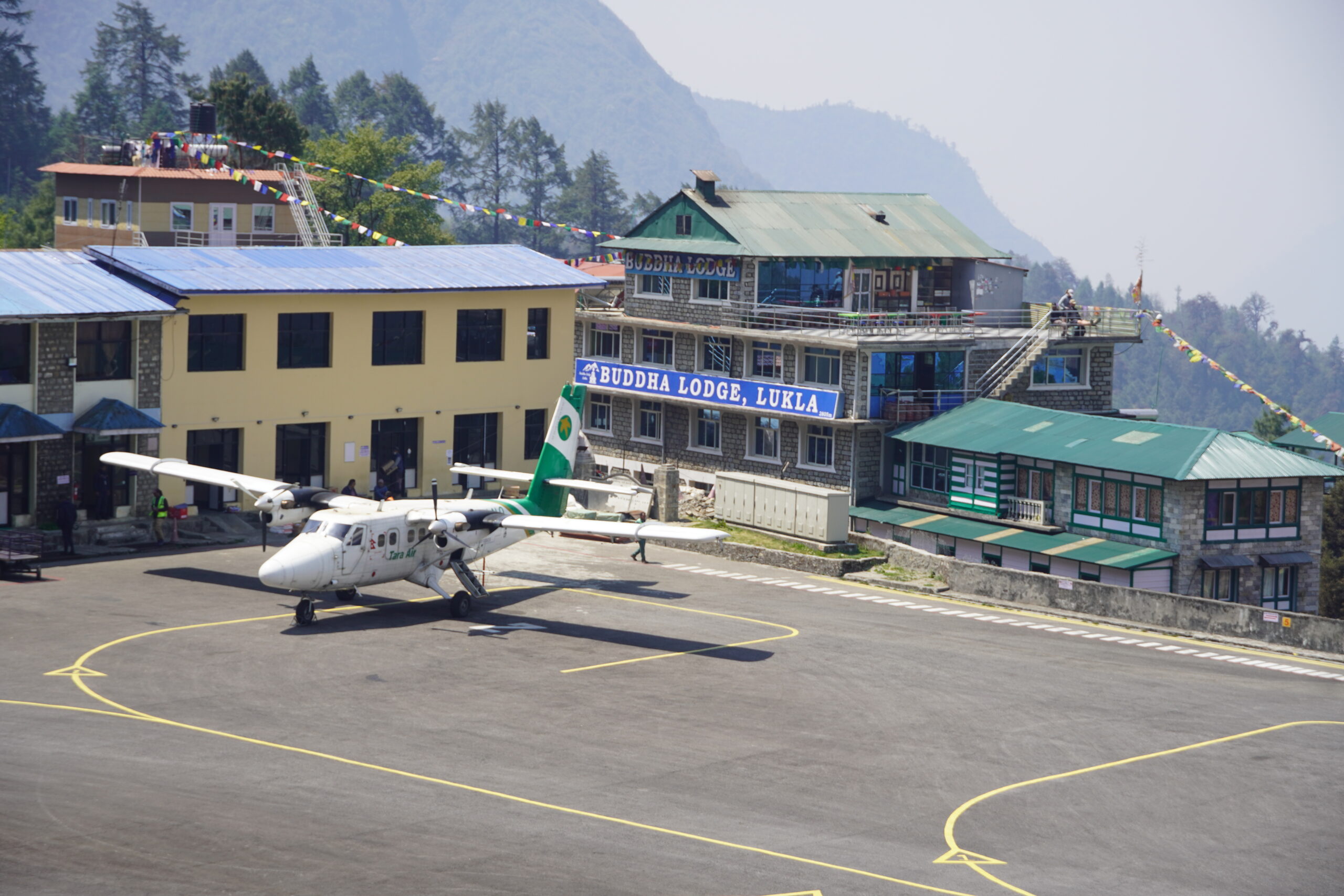
Iconic Flight to Lukla: Experience a thrilling flight to Lukla, featuring awe-inspiring aerial views of the Himalayas, marking the beginning of an unforgettable journey.
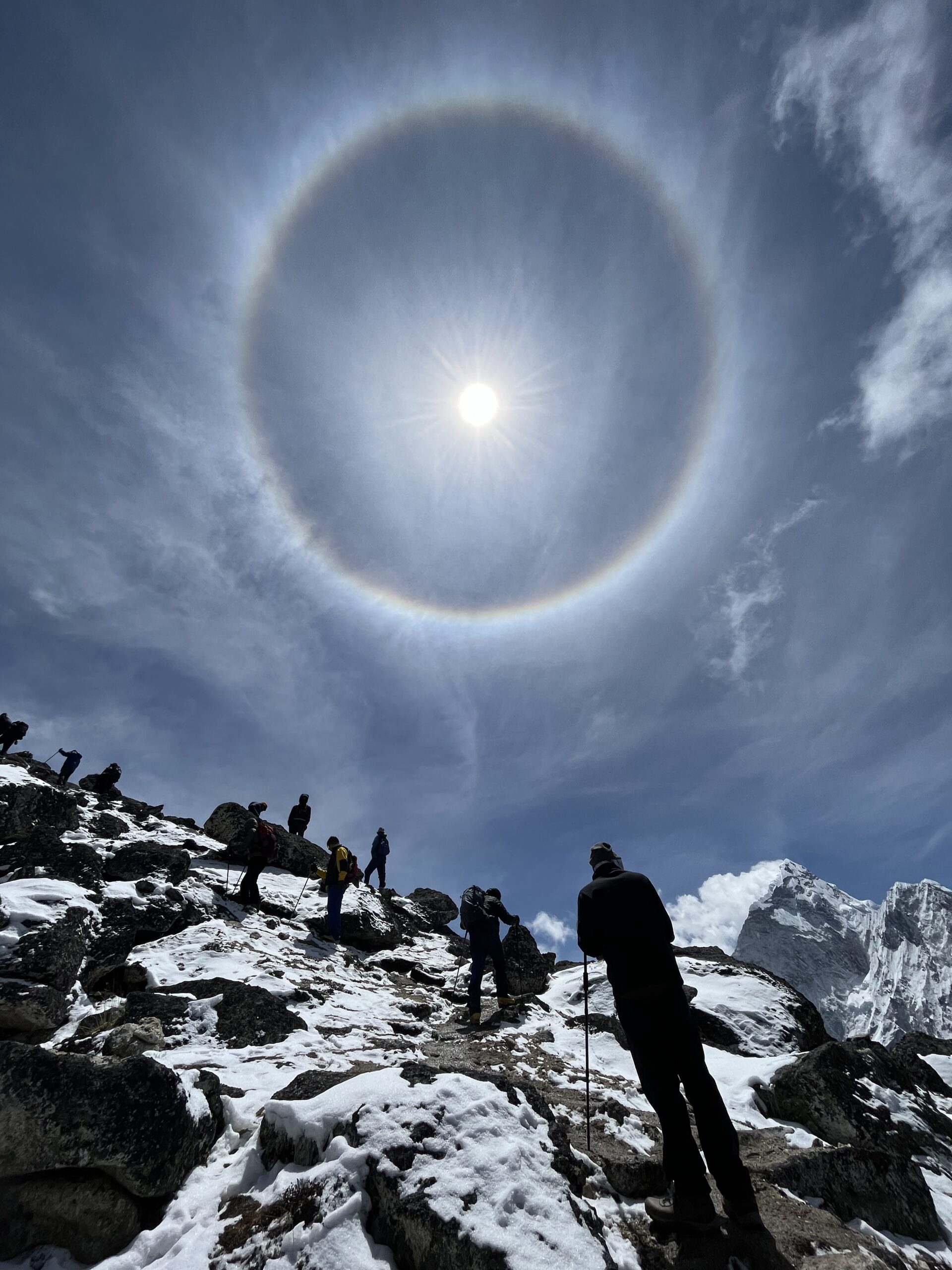
Breathtaking Everest Views: Witness the grandeur of Mount Everest, the world’s highest peak, presenting a magnificent backdrop throughout the trek.
Rich Sherpa Culture: Immerse yourself in the rich Sherpa culture, renowned for their warm hospitality and deep connection to the mountains.
Namche Bazaar: Explore this vibrant high-altitude market town, a cultural and commercial hub that offers a glimpse into local life and traditions.
High-Altitude Trekking Challenge: Embrace the challenge of trekking at high altitudes, offering a sense of achievement and personal growth.
Suspension Bridges: Cross thrilling high suspension bridges over deep valleys, an integral part of the trekking experience.
Kala Patthar Ascent: Climb to this famous viewpoint for the most spectacular close-up views of Everest, a highlight for many trekkers.
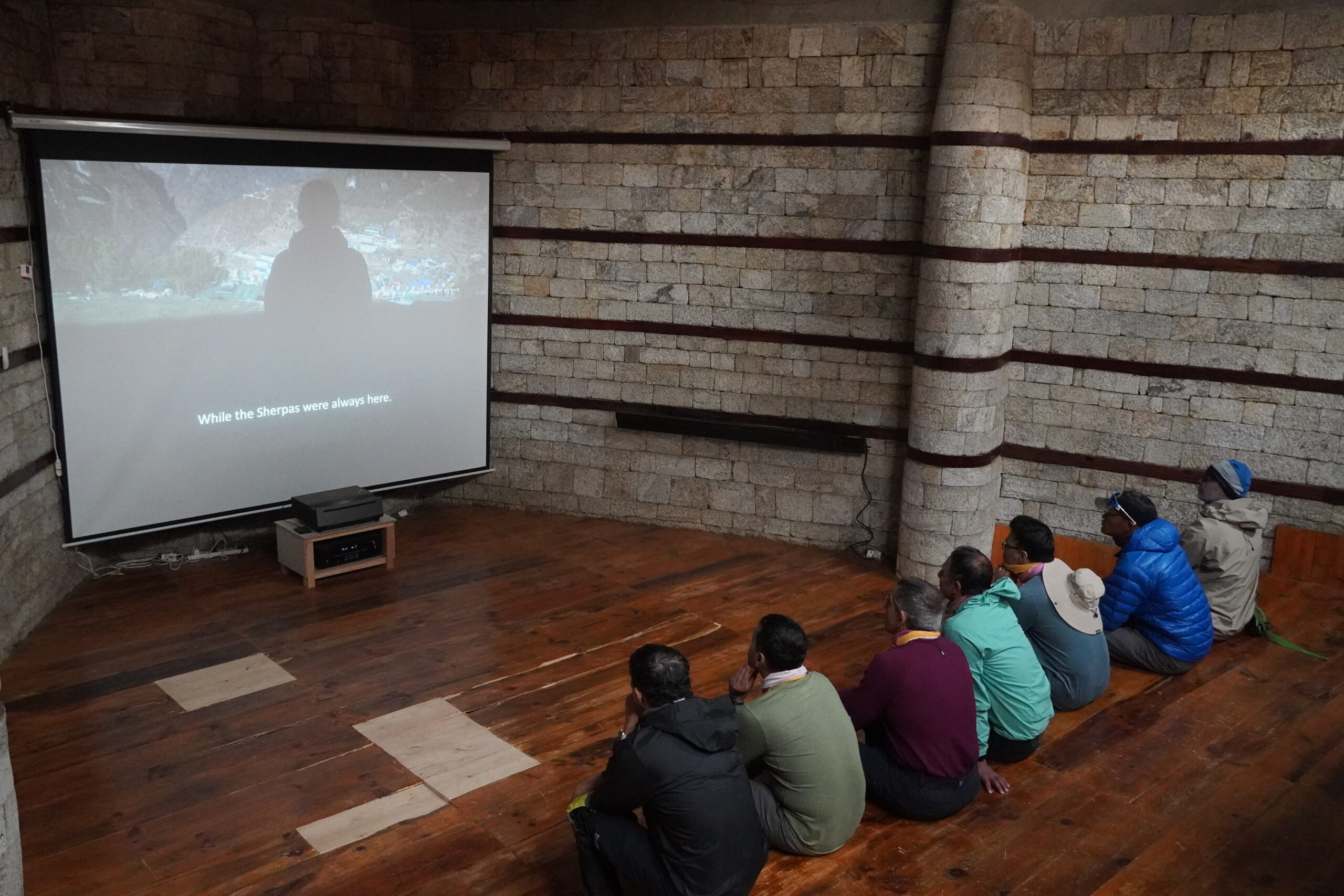
Sagarmatha Next: Visit this innovative museum and art gallery near Namche Bazaar, showcasing creative ways to preserve the Everest region’s fragile environment and rich Sherpa culture — a powerful reminder of why sustainable tourism matters.
Itinerary
Welcome to Nepal's chaotic, colorful capital! A mix of ancient temples, trekking gear shops, and the buzz of adventure awaits.
The journey to Everest begins long before the mountains come into view — it starts the moment you land in Kathmandu. As you step out of Tribhuvan International Airport, you're greeted by the sounds of honking rickshaws, wafting aromas of momos, and the sheer energy of a city that has welcomed adventurers for decades.
Our representative will receive you and escort you to your hotel in the heart of Thamel — Kathmandu's traveler hub. You’ll have the day to rest, recover from your flight, and explore at your pace. Walk through narrow alleys filled with prayer wheels, stock up on any last-minute trek essentials, or visit iconic spots like the Swayambhunath Stupa or Pashupatinath Temple if time allows.
In the evening, you’ll meet your trek leader and team for a detailed briefing. We’ll go over the route, gear, altitude tips, and answer any questions you have. It’s finally real — you’re about to trek to the base of the world’s tallest mountain.
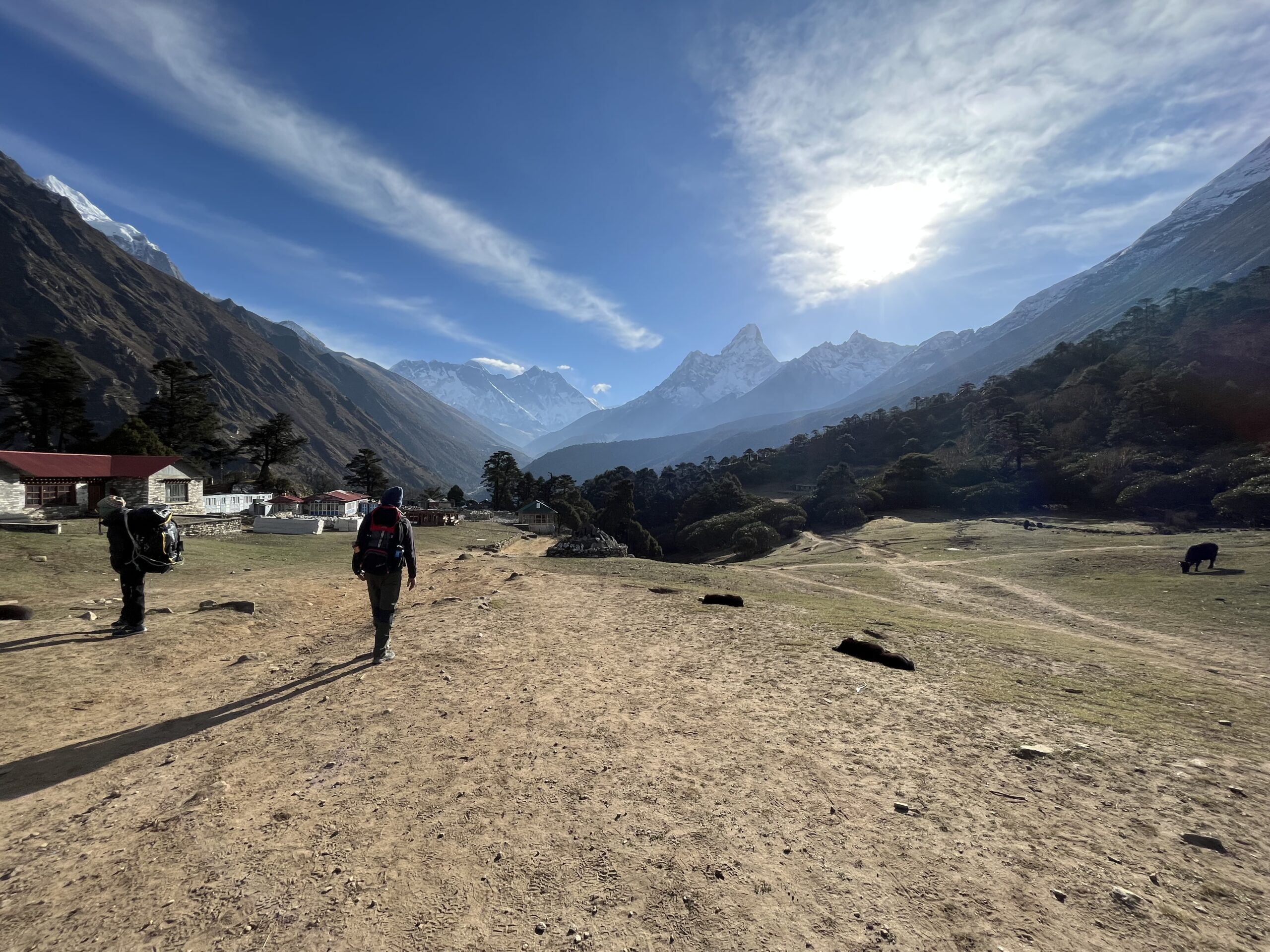
A dramatic mountain flight, followed by your first steps into the Khumbu Valley — across swinging bridges and through pine-scented trails.
During peak seasons like April and May, most flights to Lukla operate from Ramechhap airport (due to air traffic congestion and weather patterns in Kathmandu). This means a very early start — you’ll wake up around 2 AM and drive 5–6 hours through hilly terrain to reach Ramechhap in time for your morning flight.
The flight itself is unforgettable. Flying between snow-capped giants and landing on the narrow runway of Tenzing-Hillary Airport is an adventure in itself. From here, the trail to Everest truly begins.
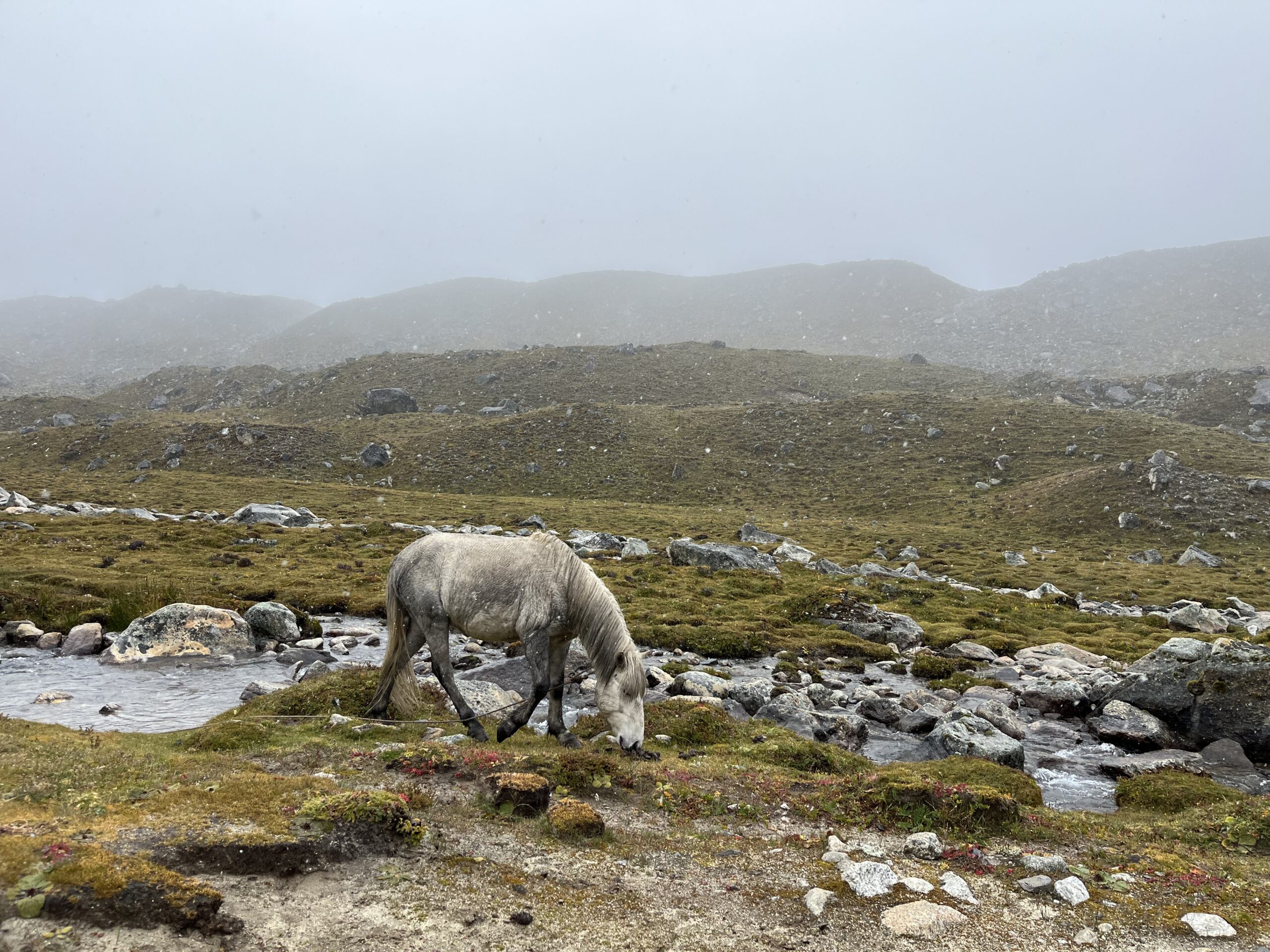
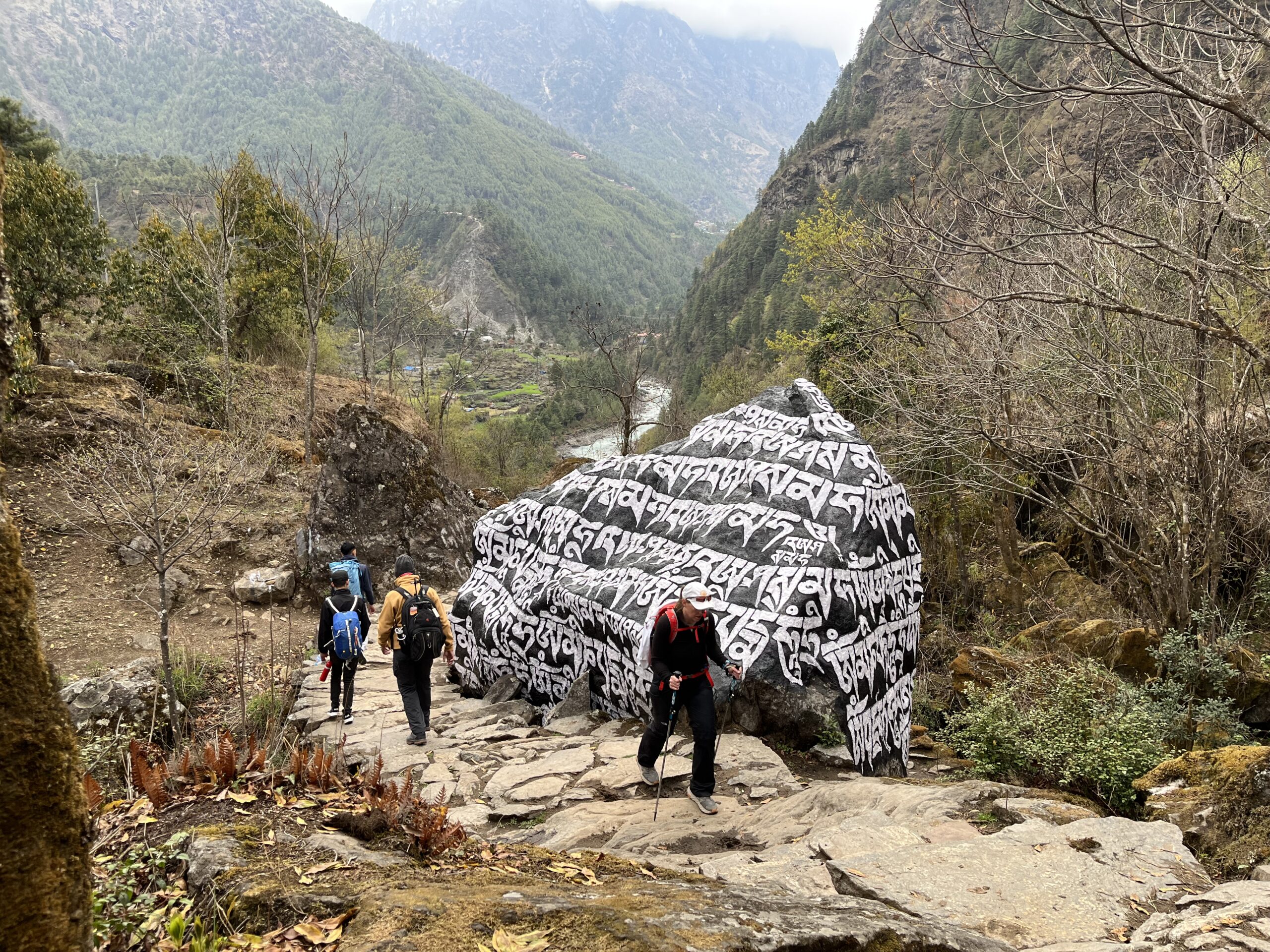
After a quick breakfast and meeting your porters in Lukla, we hit the trail. Today’s trek is an easy introduction — mostly downhill — as we follow the Dudh Koshi River through charming Sherpa villages, prayer wheels spinning in the breeze, and long suspension bridges that sway as yaks pass by.
The terrain is forested and lush, the air crisp and clean. We pass through small hamlets like Ghat and reach Phakding, a tranquil riverside village, by early afternoon. This day helps your body adjust gently to the altitude. You’ll stay in a cozy teahouse, enjoy your first trek meal, and hear the river rushing outside your window.
Trek Distance: ~6.5 km | Duration: 3–4 hrs | Elevation Loss: ~250 m
Cross roaring rivers, enter Sagarmatha National Park, and tackle a tough uphill climb into the legendary Sherpa capital.
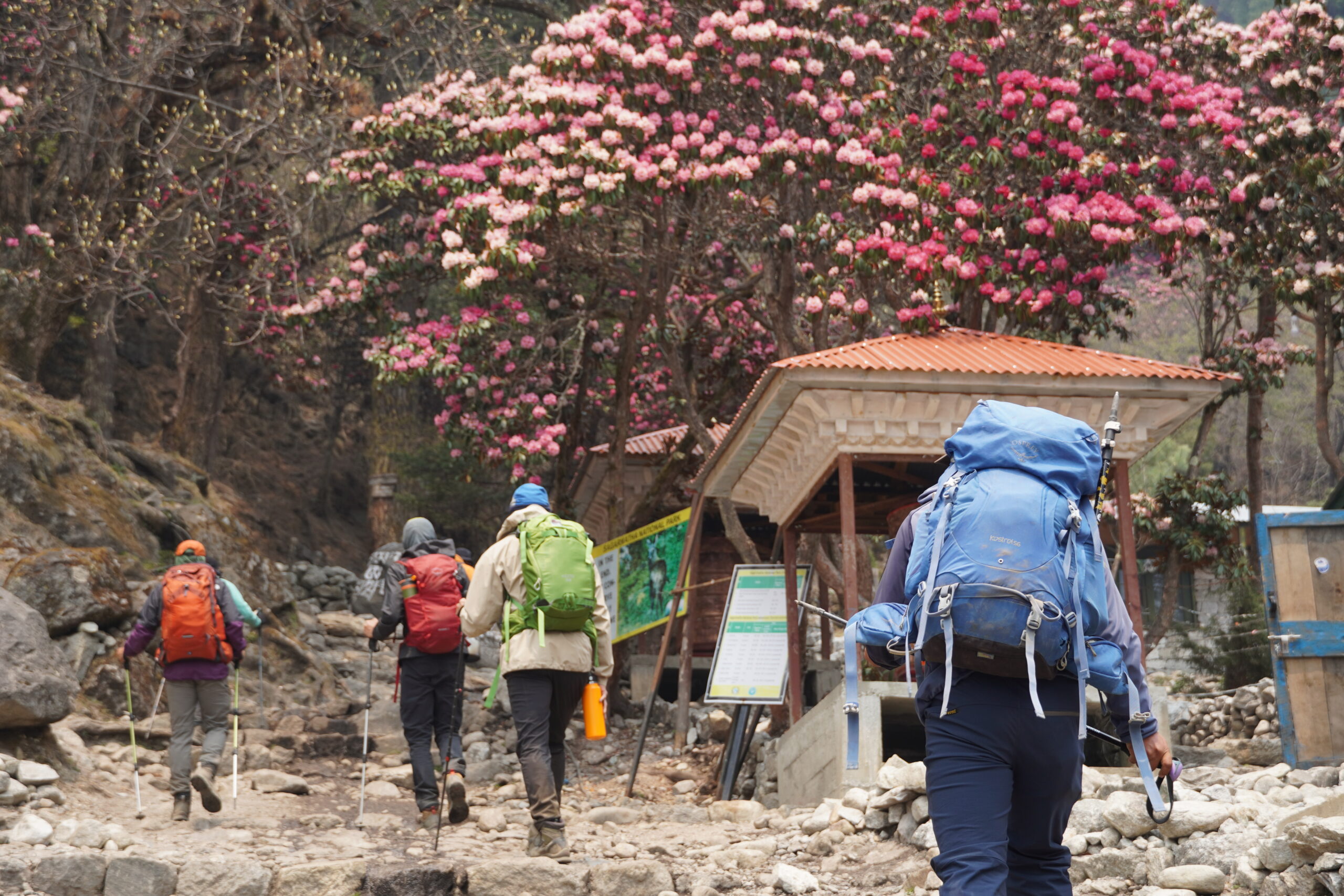
Today’s trek is longer and more demanding, but also incredibly rewarding. After breakfast, you’ll continue walking along the Dudh Koshi River, crisscrossing it several times via spectacular suspension bridges. You’ll pass through beautiful pine forests and small villages like Monjo, where we formally enter the Sagarmatha National Park — a UNESCO World Heritage Site.
We’ll stop for lunch at Monjo before continuing onward. From here, the trail gets steeper and rockier. The final climb to Namche is a zigzagging ascent that tests your lungs and legs. But just when you start questioning your life choices, you’ll catch your first glimpse of Mt. Everest — peeking behind Lhotse — and it’s all worth it.
You’ll reach Namche Bazaar by late afternoon. Built like a natural amphitheater, this bustling mountain town is the heart of the Khumbu region. It has bakeries, cafes, shops, and even an ATM! You’ll stay here for two nights to acclimatize — and trust us, you’ll be glad to slow down here.
Trek Distance: ~9.5 km | Duration: 6–7 hrs | Elevation Gain: ~830 m
Explore, rest, and hike high to help your body adjust — this day lays the foundation for success in the days to come.
After breakfast, you’ll set off on a scenic acclimatization hike to the world-famous Everest View Hotel (3,880 m). The trail ascends gradually, winding through sparse pine forests and open ridgelines. Along the way, the Khumbu Valley unfolds below, and snow-draped peaks like Ama Dablam, Thamserku, and Everest itself begin to dominate the skyline.
At the hotel, sip on a hot cup of tea while soaking in panoramic views of Everest. On the return, we stop at Sagarmatha Next, a fascinating museum and experience center that showcases the local culture, sustainable practices, and challenges of managing waste and conservation in high-altitude regions.
Hike Distance: ~4–5 km | Duration: 3–4 hrs | Elevation Gain: ~450 m
Perhaps the most scenic day on the trail — river crossings, forest walks, and a monastery with Everest in the backdrop.
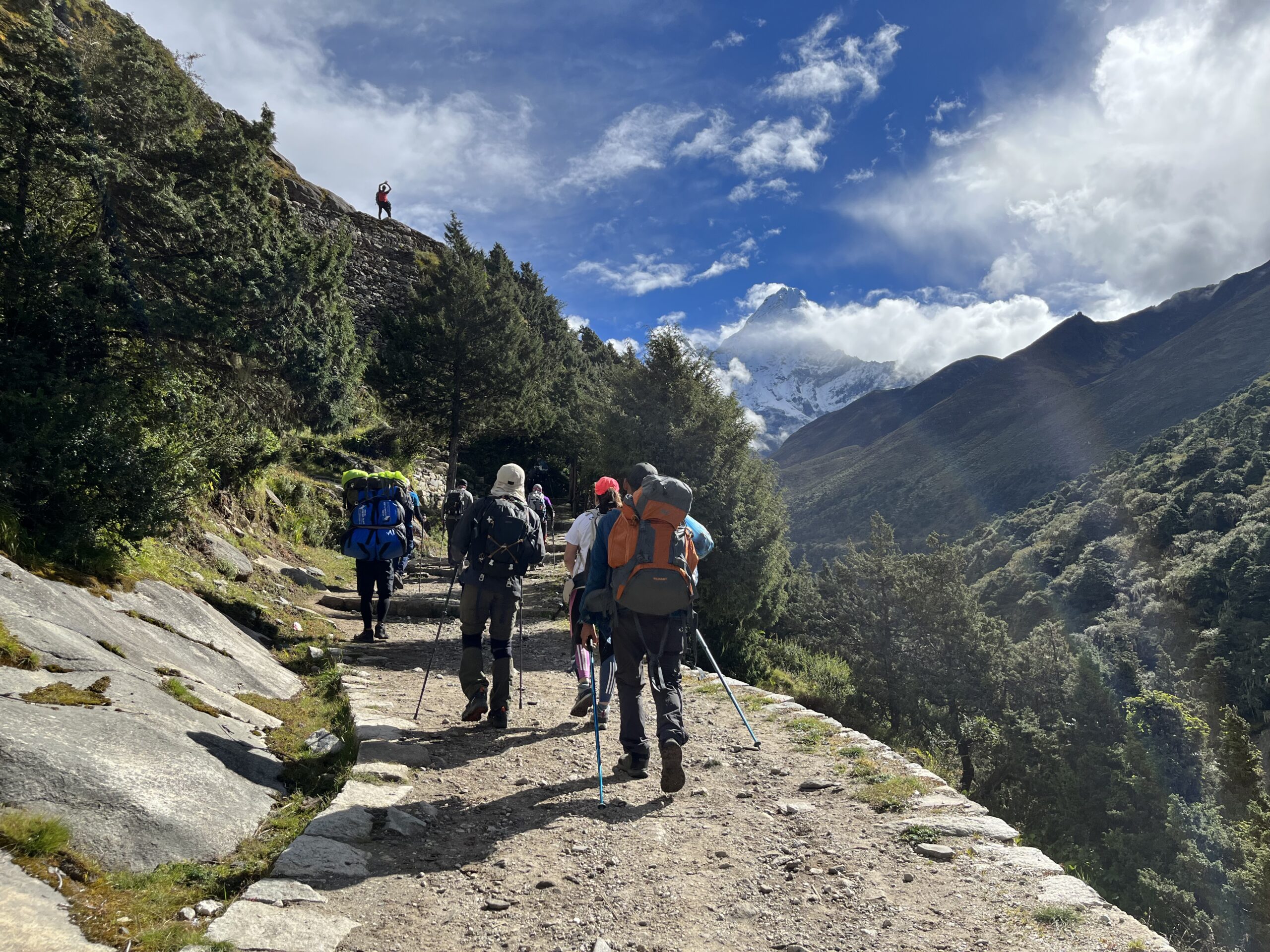
Today’s trail starts with a beautiful contouring walk along the hillside. You’ll traverse high above the Dudh Koshi river, with wide-open views of Everest, Lhotse, Nuptse, and Ama Dablam stretched out ahead. About halfway through, you’ll descend to Phunki Tenga for a tea break and lunch.
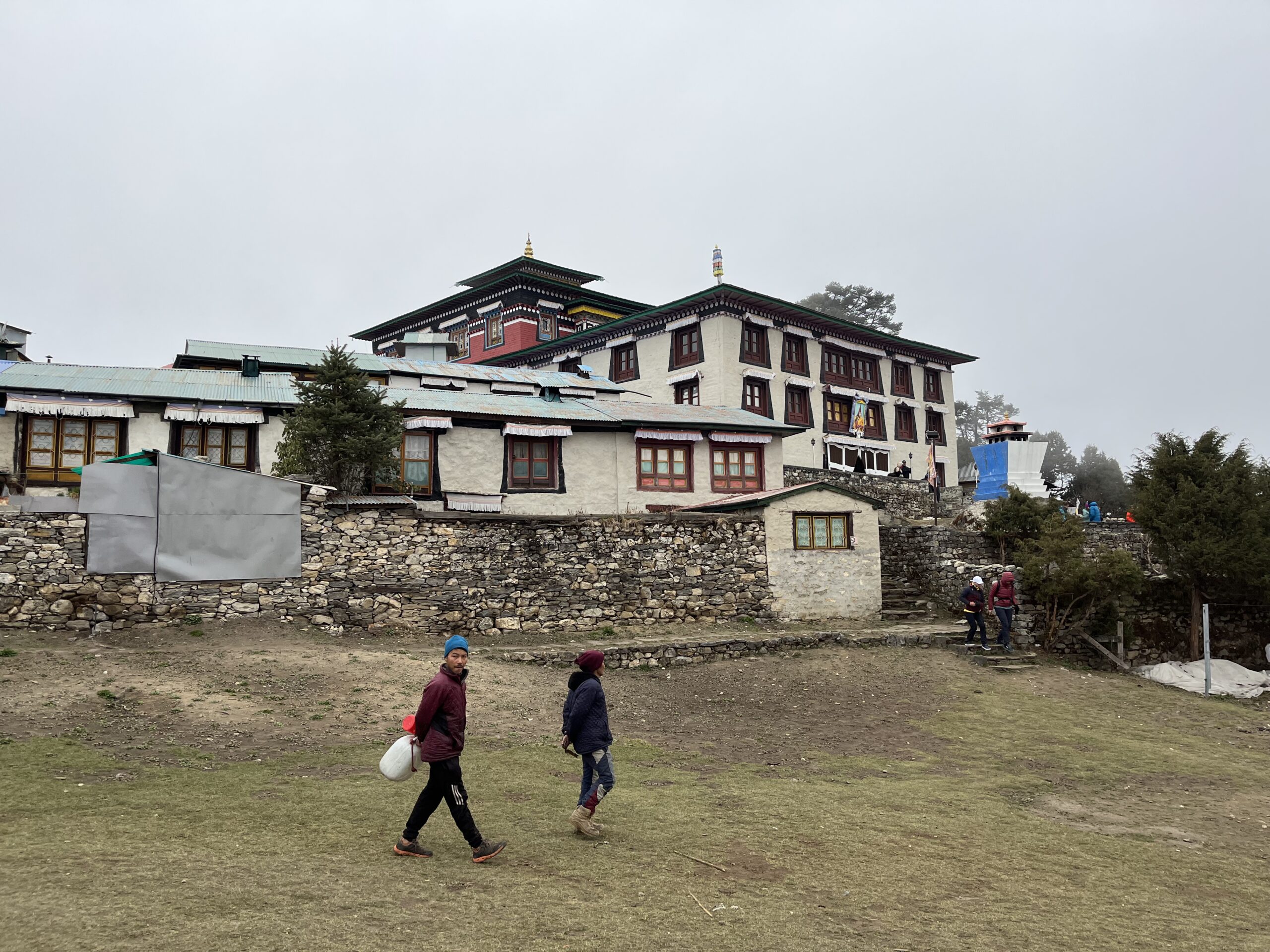
Then comes a long, gradual climb through dense rhododendron and fir forests that eventually open up to reveal Tengboche. Perched on a wide ridge, Tengboche is home to the region’s largest monastery. We’ll stop here to explore the sacred grounds, and if we’re lucky, witness a Buddhist prayer ceremony before continuing downhill for a short while to Deboche, where the accommodation is more comfortable.
Trek Distance: ~10 km | Duration: 5–6 hrs | Elevation Gain: ~500 m
The forest fades, and the landscape transforms — welcome to the high alpine zone of the Himalayas.
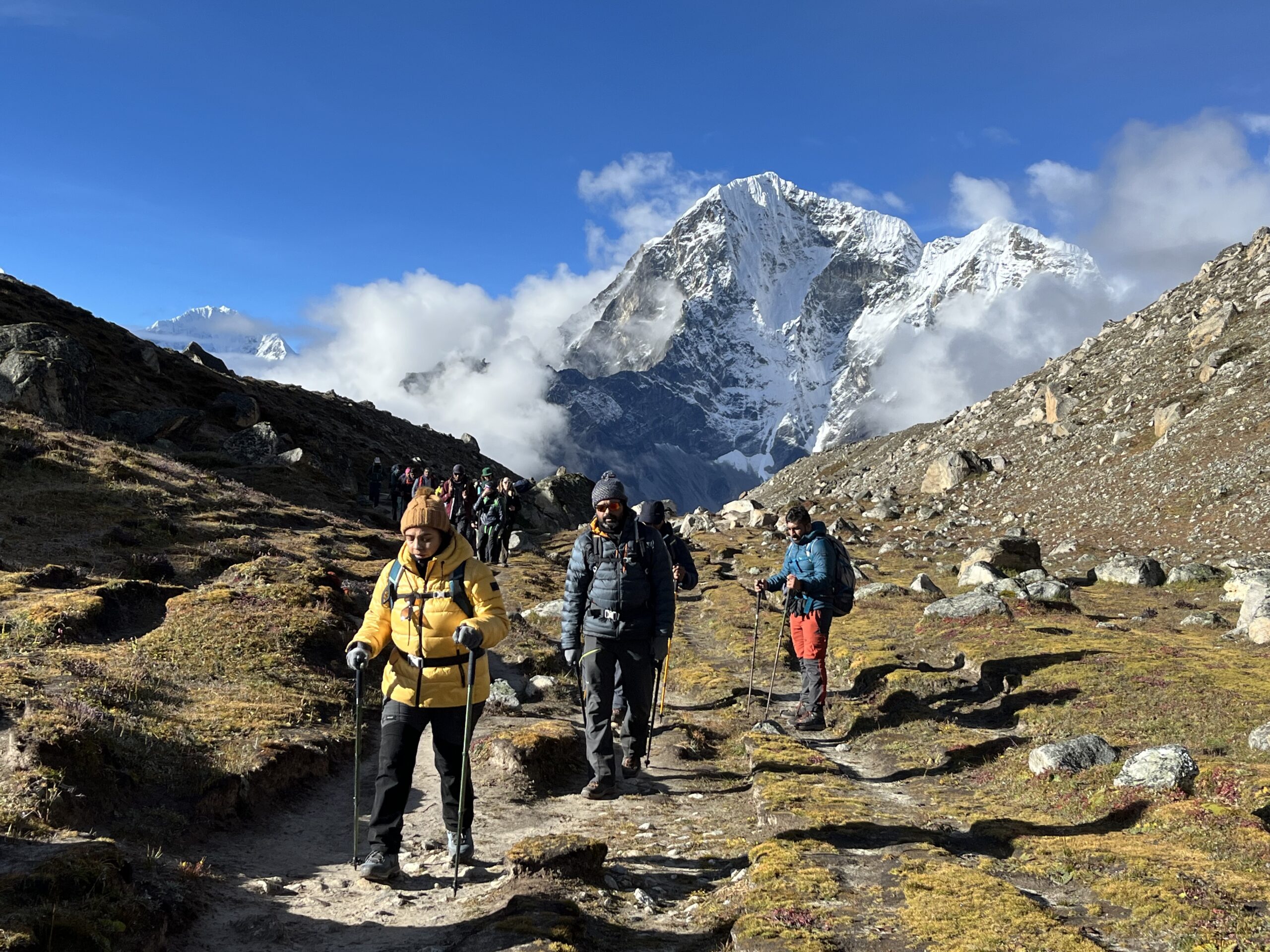
After leaving Deboche, we cross a suspension bridge and begin climbing through beautiful highland terrain. You’ll pass Pangboche, one of the oldest Sherpa settlements in the region. Views of Ama Dablam stay close and dramatic all day.
We’ll stop for lunch at Somare, the last village with a mobile network. From here, you’ll officially cross the 4,000-meter mark, and the trees disappear. The air becomes drier, the wind stronger, and the landscape shifts to wide alpine meadows and yak pastures.
Mobile signal generally disappears beyond this point, but Wi-Fi is available at most teahouses in Dingboche. Rest well tonight under a sky full of stars.
Trek Distance: ~11 km | Duration: 5–6 hrs | Elevation Gain: ~540 m
Climb high, sleep low. Today is for strengthening your body and spirit at altitude.
The best way to acclimatize is to stay active. Today, you’ll hike up to Nangkartsang Peak (around 5,000 m), a stunning vantage point offering panoramic views of Makalu, Island Peak, Lhotse, and Ama Dablam.
The trail is steep but rewarding, and the sense of isolation at the top is something else. After spending some time here, you’ll descend back to Dingboche for a warm lunch and a relaxed afternoon. It’s a great time to journal, read, or talk to fellow trekkers preparing for the same big goal.
Hike Distance: ~4–6 km | Duration: 3–4 hrs | Elevation Gain: ~600 m
Memorials to fallen climbers, stark landscapes, and a deepening sense of awe.
The trail starts with what Nepalis call "Nepali flat" — a mix of gentle ups and downs — as you walk through open plains with majestic views of Taboche and Cholatse. You’ll feel like you're walking through a lunar landscape.
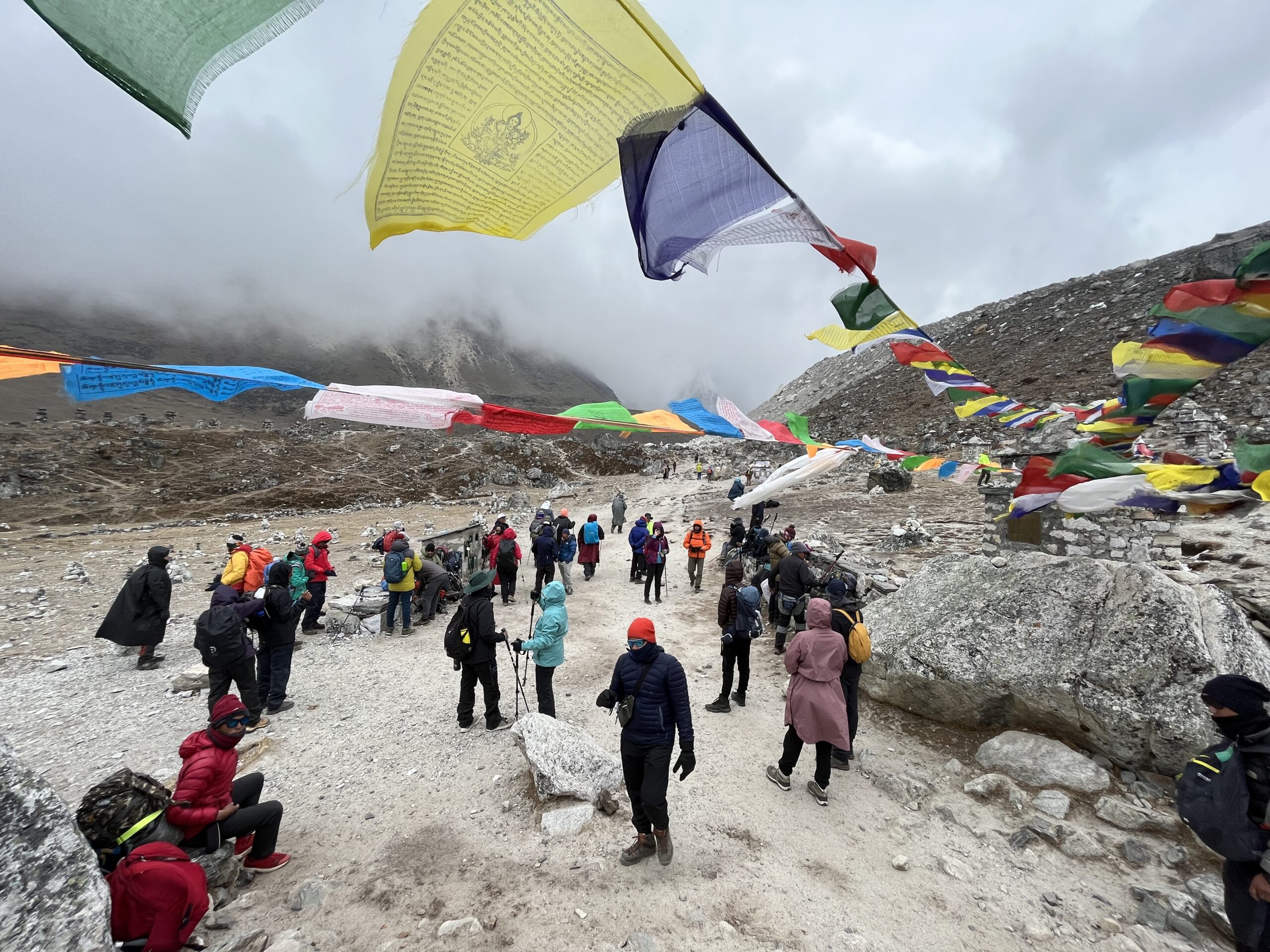
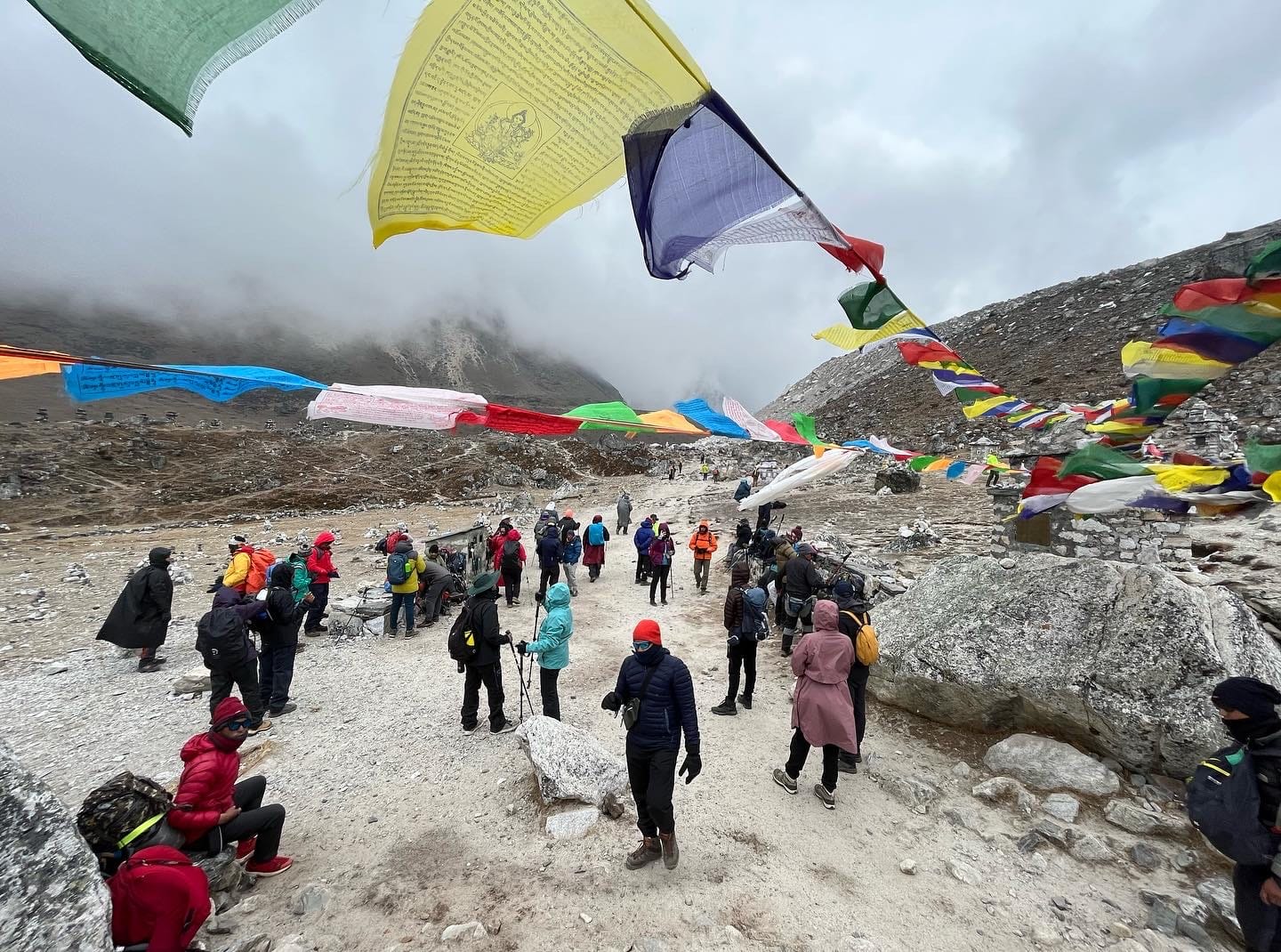
We’ll stop for lunch at Thukla (also called Dughla), right at the base of a short but steep climb. After eating, we tackle a 40-minute uphill stretch to the Thukla Pass, home to moving memorials built in honor of climbers who perished on Everest.
From there, the trail flattens out again, guiding you to Lobuche, a rugged settlement nestled among glaciers and rock. The air is thinner, the wind is stronger, but your goal is now firmly in sight.
Trek Distance: ~8–9 km | Duration: 5–6 hrs | Elevation Gain: ~530 m
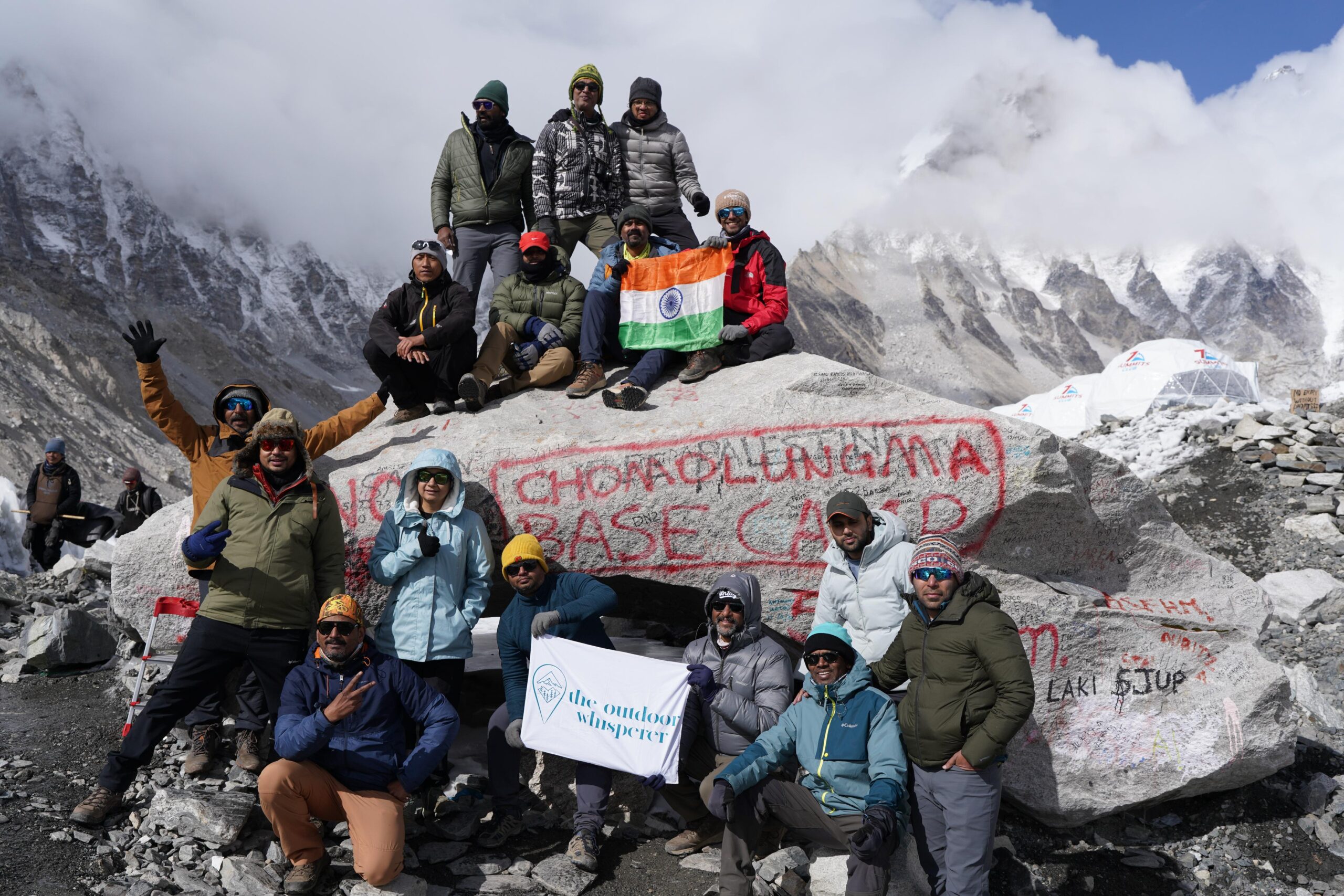
The big day. You’ll reach the iconic base of Everest, where legends begin.
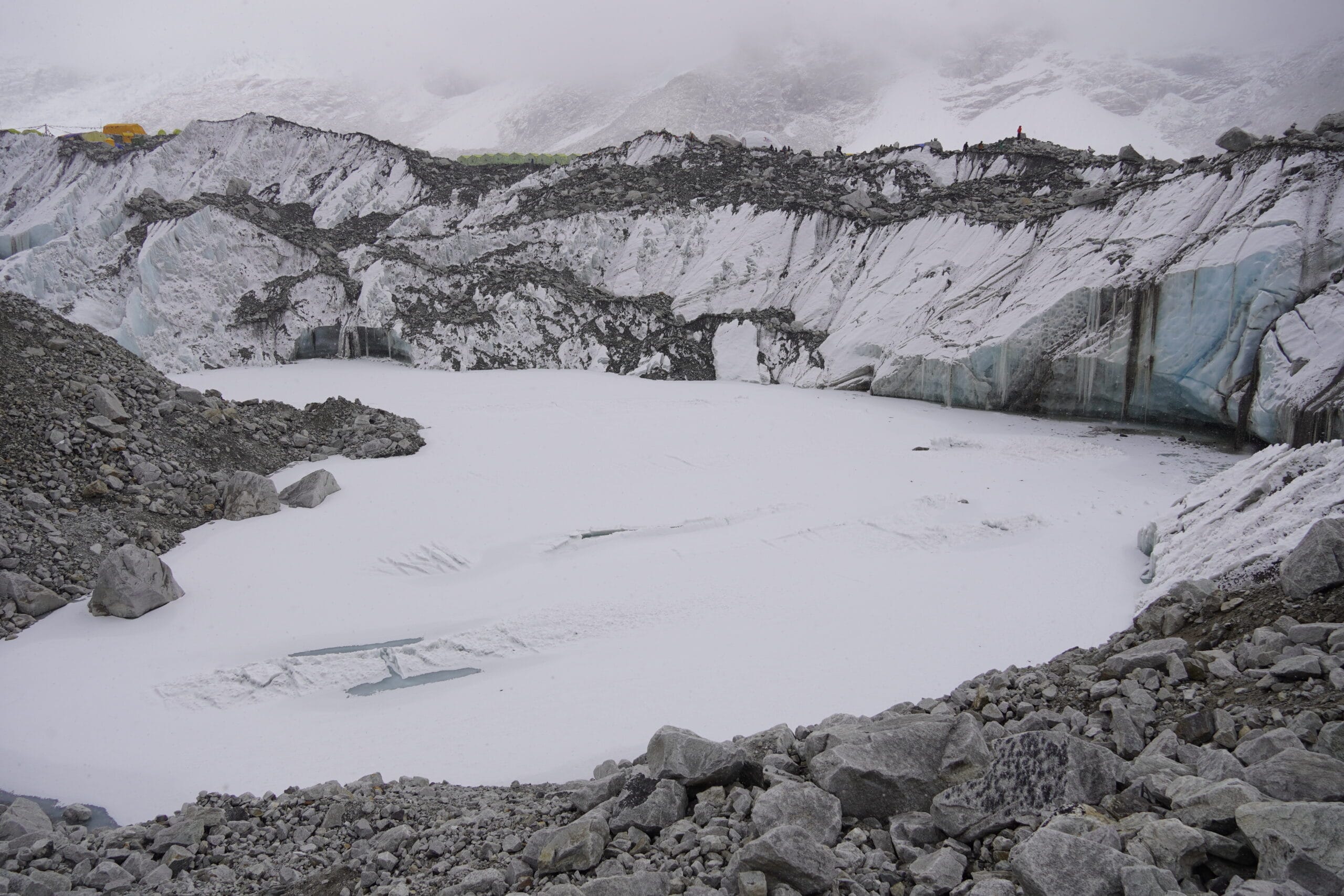
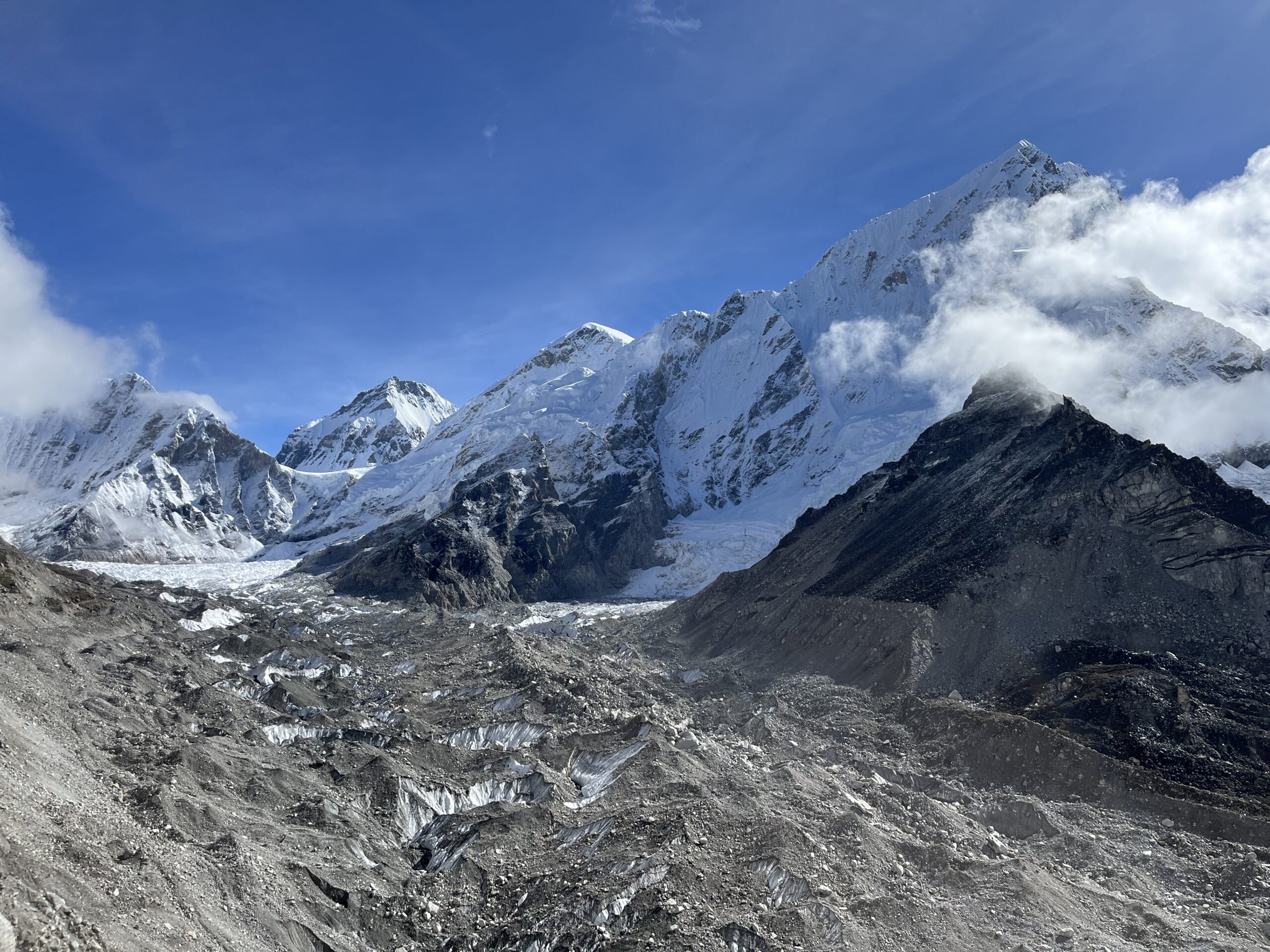
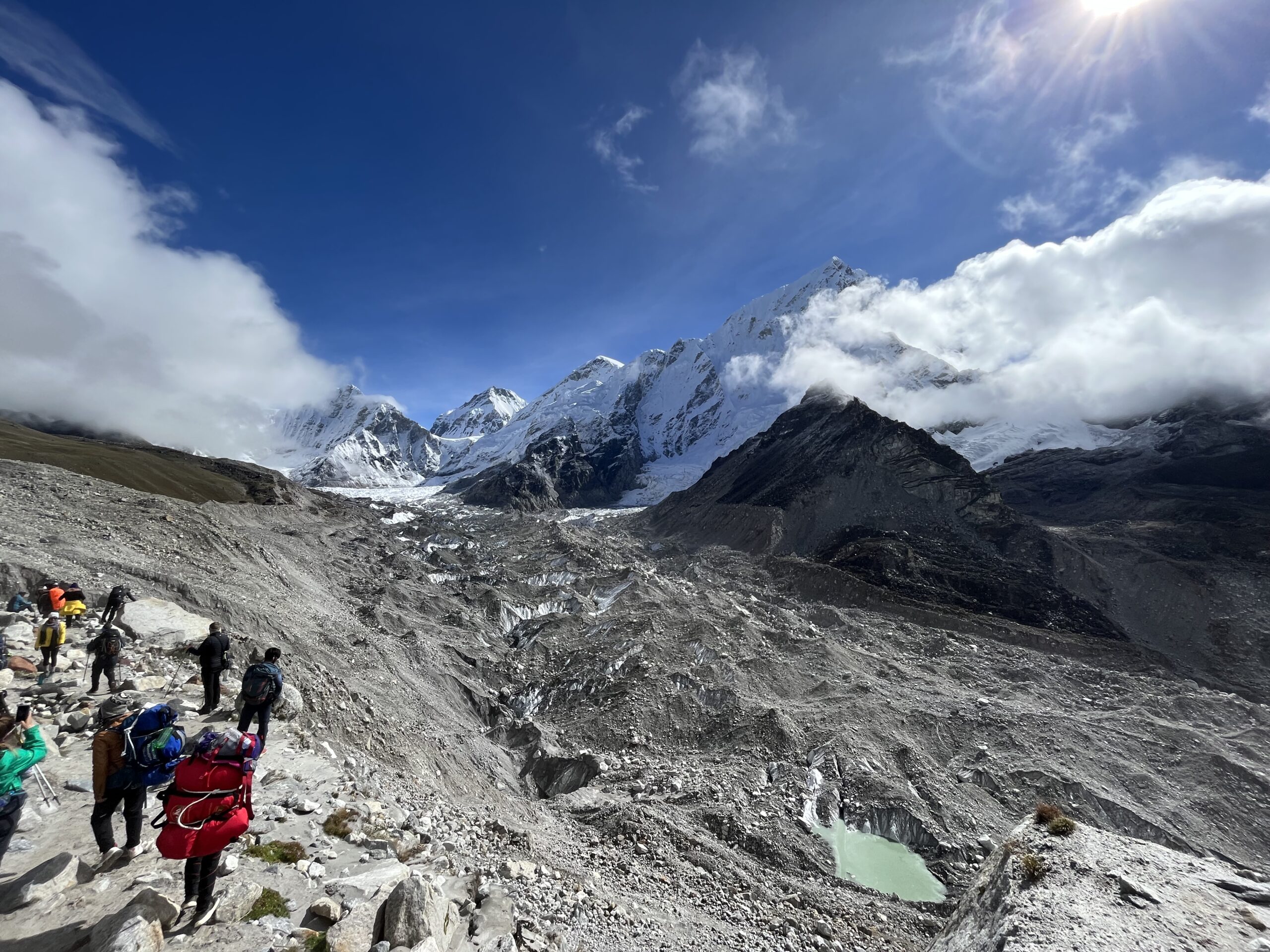
Start early and head toward Gorakshep. The trail rolls over rough, rocky moraine left behind by glaciers, offering views of the Khumbu Glacier and distant snow walls that feel surreal. The hike is slow and steady due to the thinning air.
After a brief rest and early lunch at Gorakshep — the last outpost before Base Camp — we begin our final push. The path is filled with loose rocks and ice rubble but opens up to stunning close-ups of the Khumbu Icefall, Nuptse, and sometimes even climbers preparing their summit bids.
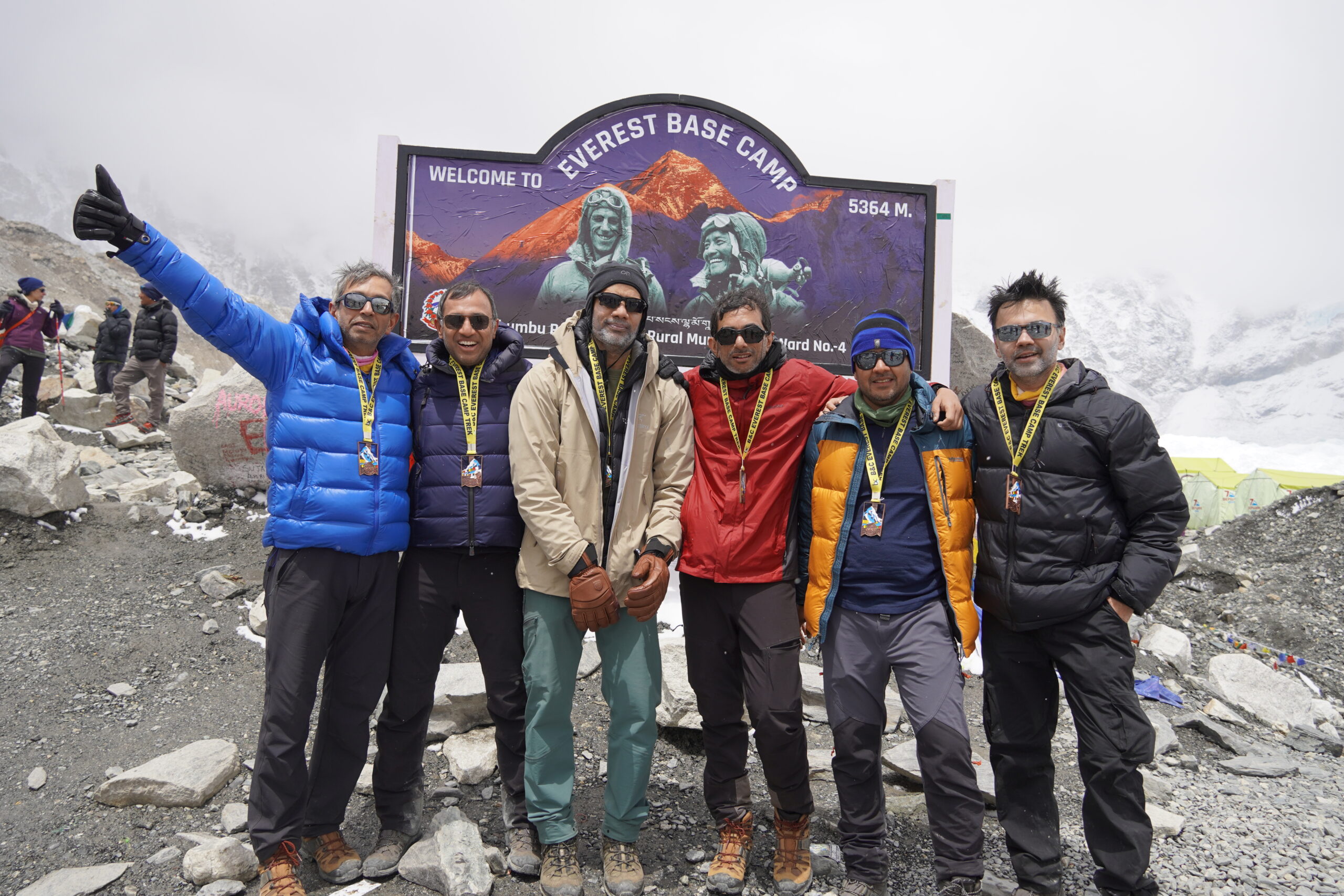
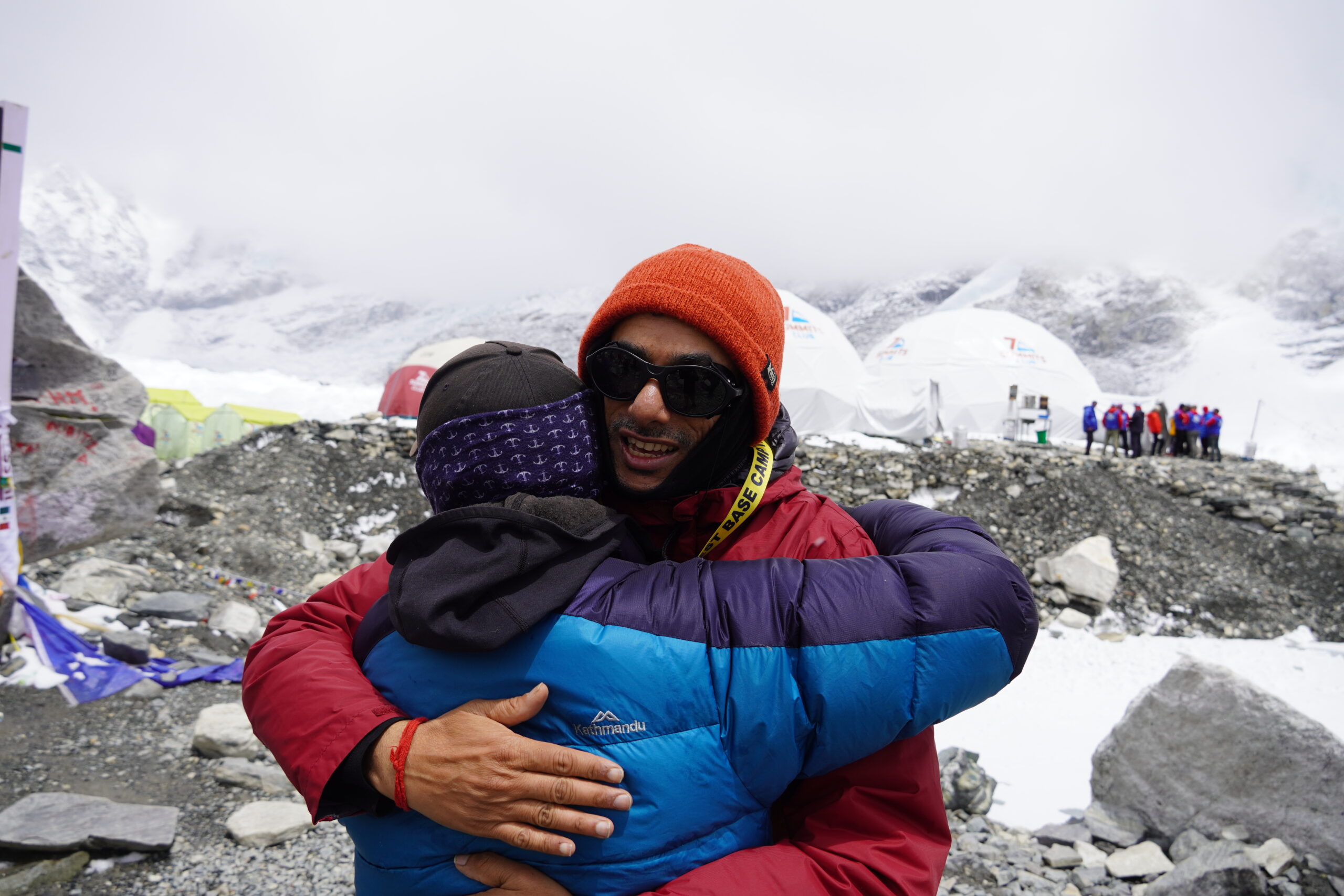
As you step into Everest Base Camp, prayer flags flutter, the glacier creaks, and emotion takes over. It’s not just a physical high — it’s a spiritual one. Spend time soaking it all in before retracing your steps to Gorakshep for the night.
Trek Distance: ~12 km round trip | Duration: 7–8 hrs | Elevation Gain: ~200 m
Your highest point — and the best sunrise view of Everest anywhere on Earth.
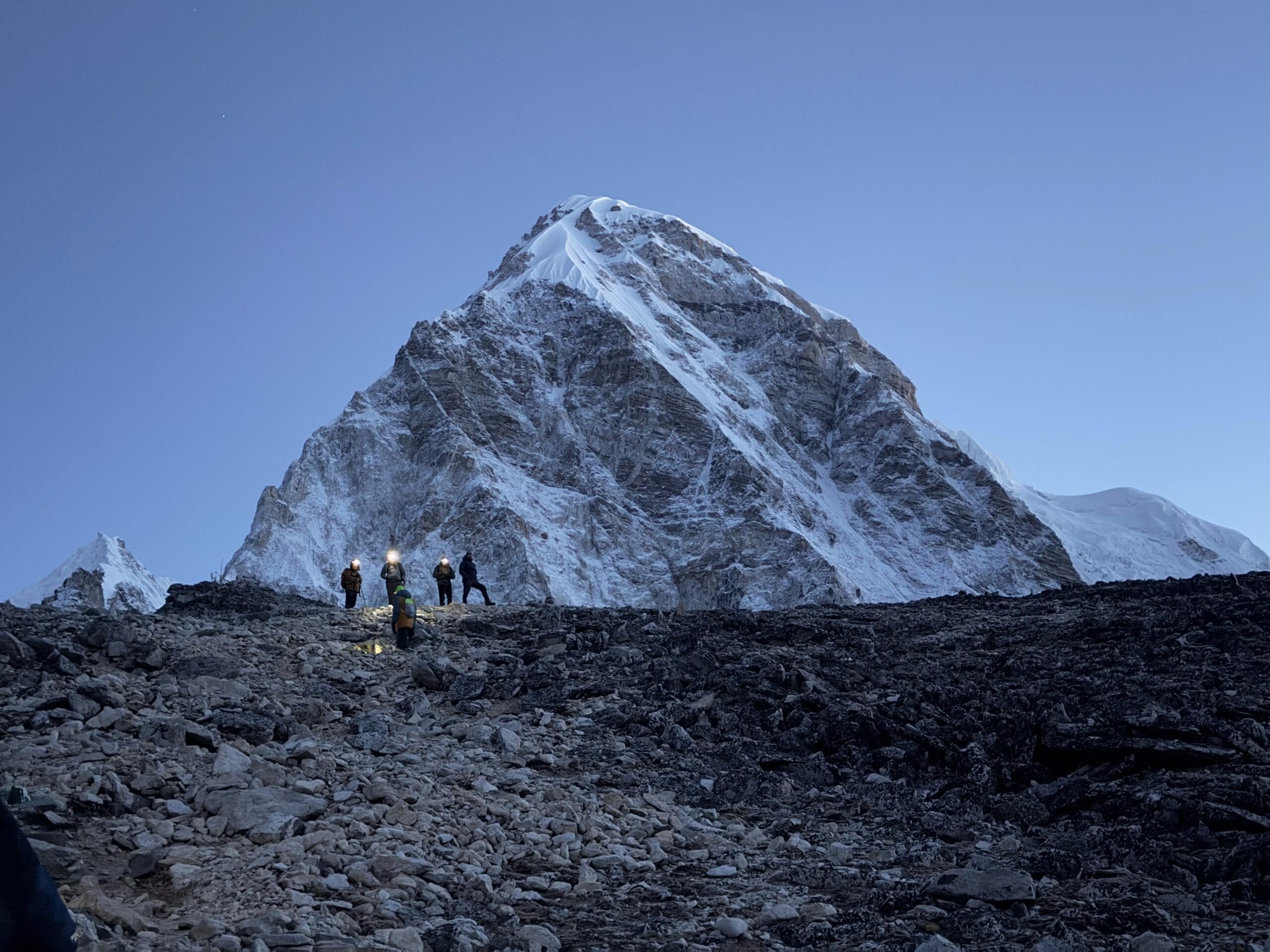
We start early, hiking in the pre-dawn chill to reach Kala Patthar before sunrise. The final stretch is steep, but the reward is beyond words. As the golden light hits Everest, the full glory of the Himalayan range is laid bare before your eyes — Everest, Nuptse, Lhotse, Pumori — all from a single breathtaking viewpoint.
After a photo session and a quiet moment of reflection, descend back to Gorakshep for breakfast. Then continue all the way down to Dingboche — retracing your route but with lighter steps, richer oxygen, and a full heart.
Trek Distance: ~14–15 km | Duration: 7–8 hrs | Descent: ~1,100 m
Long descent through familiar terrain — but don’t be fooled, it’s a tough day.
This is one of the longest and most physically demanding descents of the trek. You’ll retrace your steps past Pangboche, Deboche, and stop for lunch at Phunki Tenga, where the river runs loud and cold.
After lunch, a tough uphill section awaits before it flattens out again toward Namche. Your legs will feel it, but the drop in altitude makes breathing easier. As you reach Namche, the comforts of hot showers, bakeries, and soft beds feel like a luxury.
Trek Distance: ~15–16 km | Duration: 6–7 hrs | Descent: ~1,000 m
The final trail day. A celebration of everything your body and spirit just achieved.
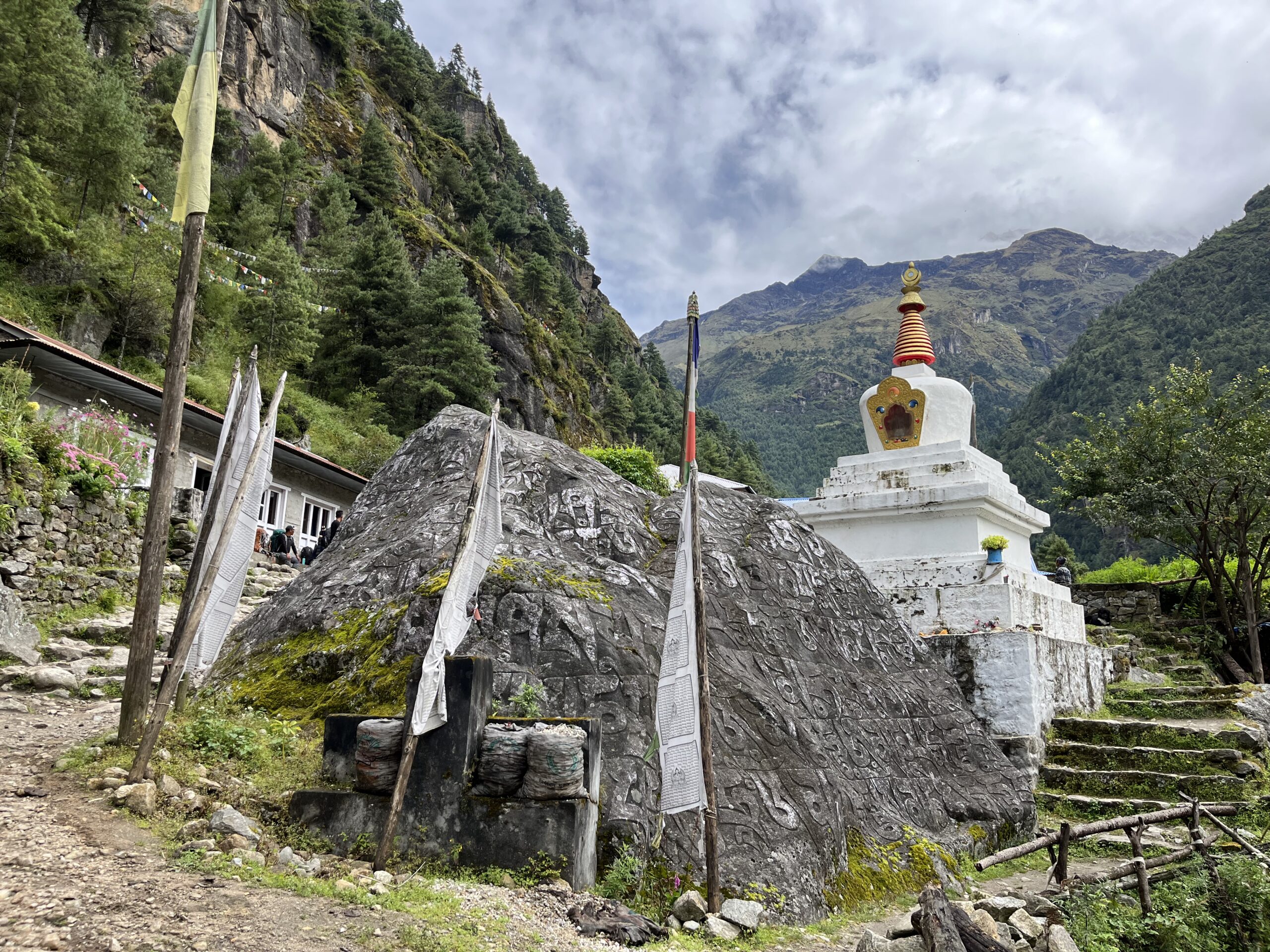
Your knees might feel it, but your soul will soar. Descend through Monjo, cross the iconic Hillary Suspension Bridge one last time, and walk alongside roaring rivers and stone-carved mani walls.
Though it’s all downhill, it’s long and requires focus. The trail winds through familiar villages like Phakding before finally arriving in Lukla, where you’ll toast to a successful journey with your team.
Trek Distance: ~18 km | Duration: 6–7 hrs | Descent: ~1,500 m
Back to city life, comforts, and a chance to reflect on your incredible achievement.
Weather permitting, you’ll take a morning flight from Lukla back to either Kathmandu or Ramechhap (followed by a 5–6 hour drive). Once back in Kathmandu, check in to your hotel and enjoy a warm shower, a real bed, and delicious local food.
The rest of the day is free to explore — maybe revisit Thamel’s shops, cafes, or grab some live music in the evening.
A backup day for delays — or a bonus day to explore Nepal’s capital.
This day is kept flexible in case of flight cancellations or weather issues in Lukla. If you're already back in Kathmandu, use the day to explore historical sites like Patan Durbar Square or the Garden of Dreams, visit Buddhist monasteries, or just relax at a rooftop café.
You can also use this time to shop for souvenirs, book a massage, or reflect on your incredible journey.
Time to say goodbye. But something tells us the Himalayas will call you back.
Depending on your flight schedule, we’ll drop you at the airport. You leave with more than photos — you leave with stories, strength, and soul.
Inclusions
- Airport pickup and drop in Kathmandu
- 3 nights stay in a good hotel in Kathmandu with breakfast included
- Indian Trek Leader with Govt Licensed, Hindi – English speaking Guides & porters
- Both-way flight: Kathmandu ↔ Lukla ↔ Kathmandu (or via Ramechhap during peak season)
- All domestic airport taxes
- Good Guide to Trekker ratio. 1 assistant guide for groups of 5 or more
- Experienced porters/yaks for carrying common expedition equipment and trekkers’ duffel bags / rucksack (1 porter per 2 trekkers)
- All necessary permits: Sagarmatha National Park permit, TIMS card, and local municipal fees
- Best available teahouse accommodation during the trek (twin-sharing)
- All meals on the trek: Breakfast, Lunch & Dinner (open menu, one item per meal. You can order more at your own cost.)
- Tea/Coffee in Morning and Evening
- First aid kit carried by the guide
- Basic oxygen cylinders at teahouses, and oximeter for altitude monitoring
- Insurance for guides and porters
- Certificate of Completion
Exclusions
- Lunch and dinner in Kathmandu
- Personal trekking gear (shoes, down jacket, sleeping bag, etc.)
- Bottled water, boiled water, tea/coffee (from machine), and other beverages during trek
- Alcoholic drinks and packed snacks
- Wi-Fi charges, hot shower, battery charging at tea houses
- Tips for guides, porters, and local staff (customary and appreciated)
- Personal expenses including phone calls, laundry, souvenirs, etc.
- Emergency evacuation, helicopter rescue or hospitalisation costs
- Travel insurance covering high-altitude trekking and emergencies (highly recommended)
- Expenses caused by any delays in trek/flight due to natural calamities, weather conditions, or airline schedules
- Anything not specifically mentioned in the inclusions
Additional Expenses
- INR 18,000 for room upgrade with attached washroom during the trek.
- INR 2,500 (One way) extra if the flight to Lukla operates from Ramechhap instead of Kathmandu
- INR 20,000 extra for non-Indian passport holders (due to different permit and flight costs)
- INR 4,500/day per person if the team gets stuck in Lukla and INR 6,000/day per person in Ramechhap due to flight delays
- Basic gear rental such as sleeping bag, down jacket, gloves, trekking poles, etc. (non-technical): If required, Contact for rates
- Extra snacks, food, or additional items ordered beyond one menu item per meal
- Customary Tips to Guides & Porters (We don’t have a say or cut in it. You give it directly to the support team)
- Donation or entry at monasteries (optional, usually ~NPR 200-500)
Food & Cuisine
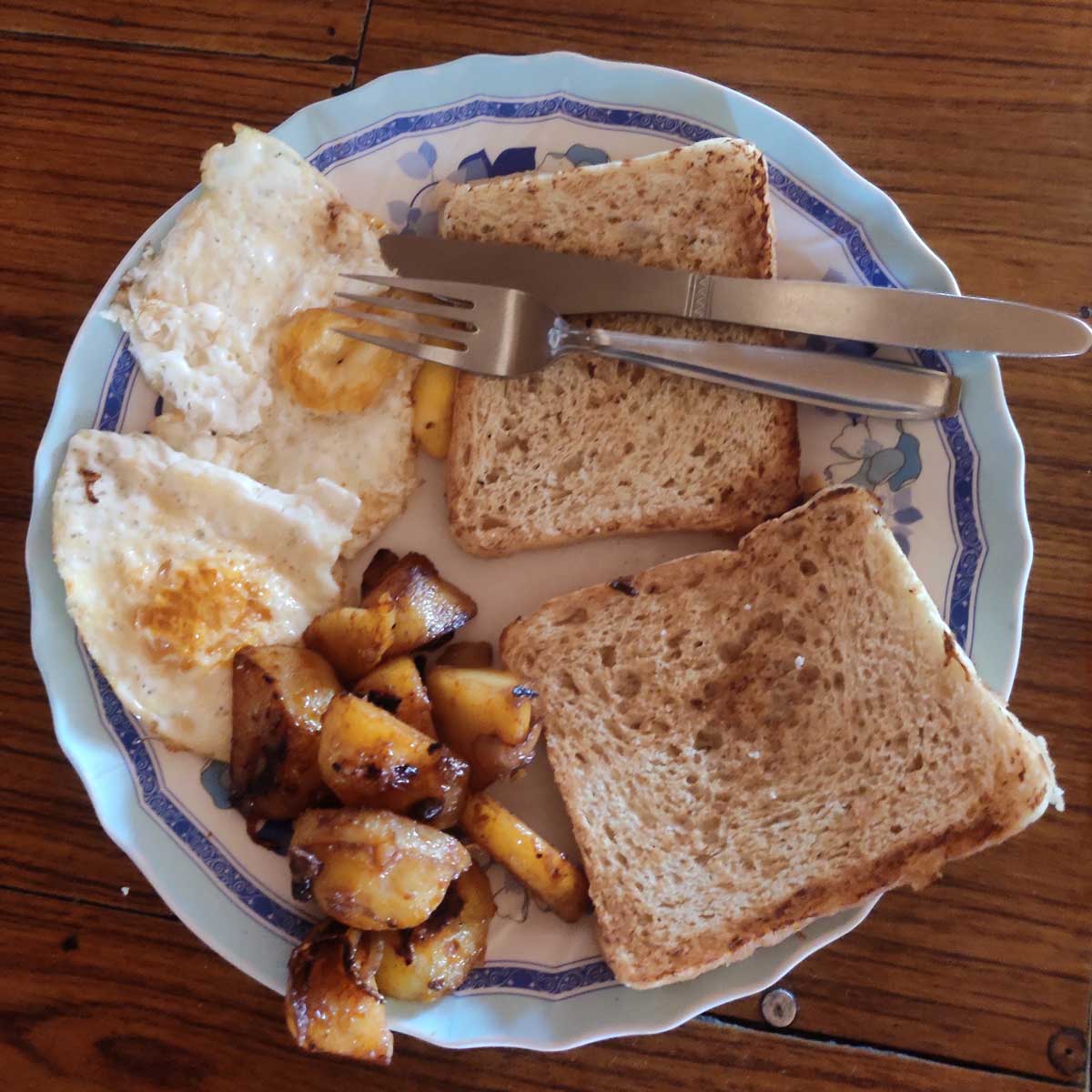
Food on the Everest Base Camp trek is simple, nourishing, and tailored to give you the energy needed to walk 6–8 hours a day in the mountains. Meals are served at teahouses and offer a mix of Nepali, Tibetan, Indian, and Continental dishes.
Expect hearty staples like dal bhat (lentils and rice), Tibetan bread, noodles, pasta, momos (dumplings), eggs, and potato dishes. For breakfast, you’ll commonly get porridge, pancakes, toast with jam or honey, and hot beverages like tea and instant coffee.
Most teahouses operate on an “open menu” system — you can pick any one dish per meal included in the package. Want more? You can always order extra at your own cost. Tea and coffee are served in the morning and evening (as part of the package), while boiled water, soft drinks, and snacks are chargeable.
Meals are typically vegetarian for freshness and simplicity, but non-veg items are available at lower altitudes. It’s advisable to stick to warm, freshly cooked food and avoid raw salads or dairy at higher altitudes.
Accommodation
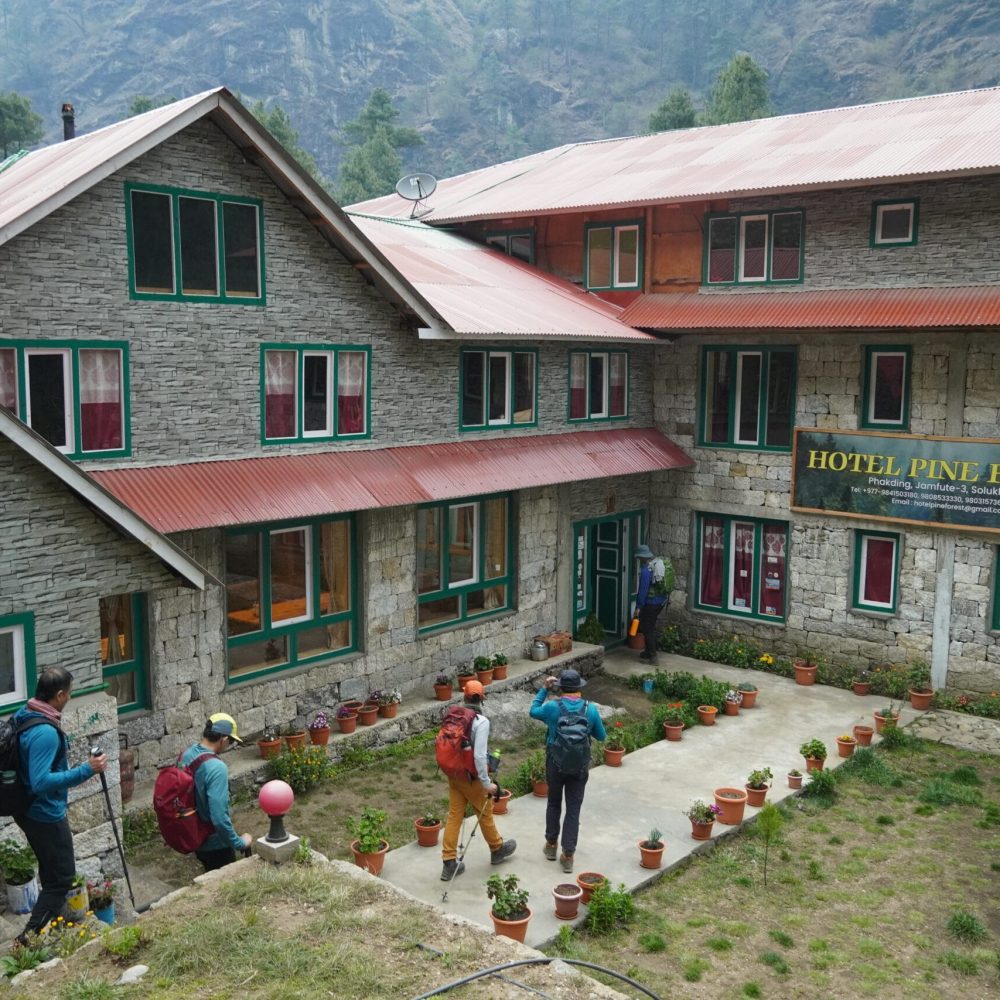
Throughout the trek, you’ll stay in locally run teahouses — basic yet charming lodges with twin-sharing rooms and cozy dining halls. Rooms are modest, often with a bed, mattress, pillow, and blanket. At higher altitudes, heating is limited to the dining areas, so a good sleeping bag is essential.
Toilets are mostly shared, with a mix of Western-style and squat-style options. Hot showers are available at an extra charge and become less common as you gain altitude.
In Kathmandu, you’ll stay in a comfortable hotel (3-star equivalent or better) with attached bathrooms, Wi-Fi, and breakfast included.
Note: Accommodations are pre-booked to ensure comfort and safety, but flexibility is required due to unpredictable mountain logistics.
Fitness & Difficulty
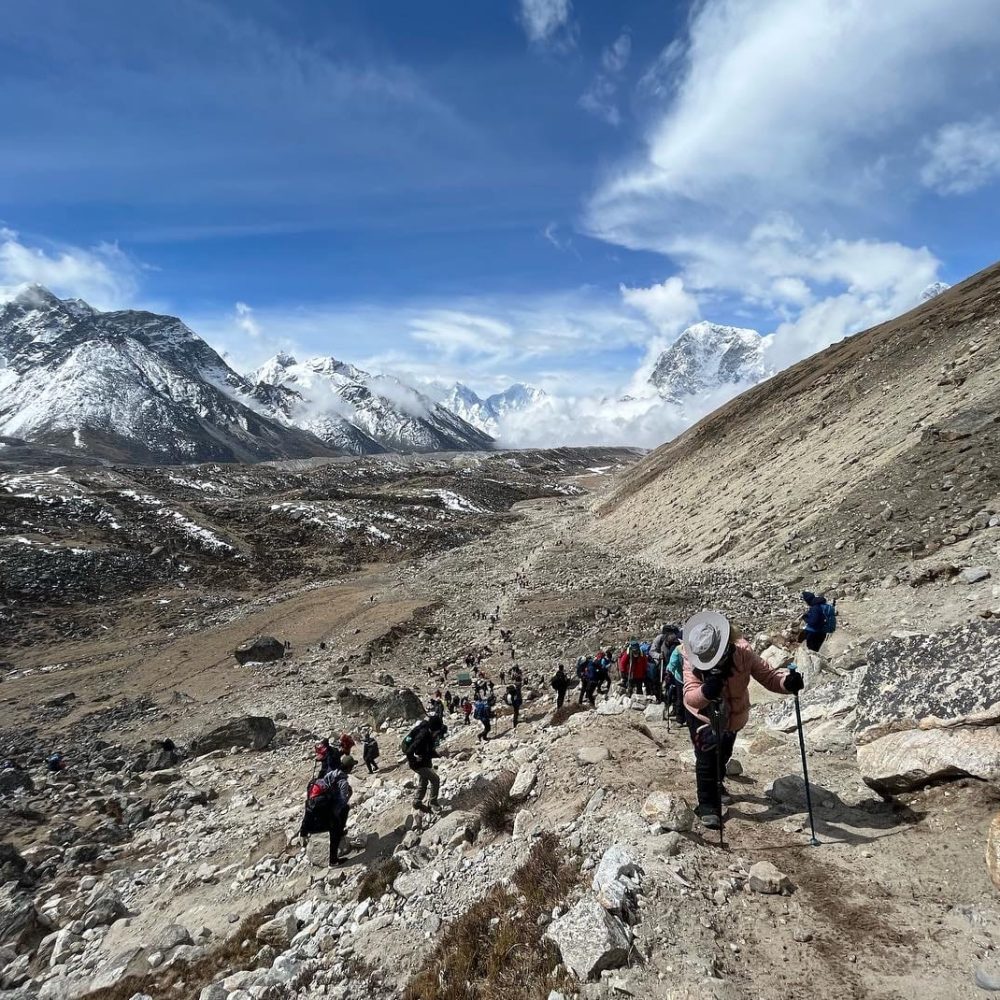
The Everest Base Camp Trek is rated Moderate to Challenging, with long walking hours, steep ascents, and high altitudes. You don’t need mountaineering experience, but you do need good cardiovascular endurance, leg strength, and mental stamina.
You’ll be trekking for 12 days, with average distances of 10–14 km per day. The trail involves steep climbs, rocky paths, moraine walks, and altitude gains that can reach up to 5,545 m (Kala Patthar).
We recommend training at least 6–8 weeks in advance, focusing on:
- Daily walking or jogging (5–8 km)
- Stair climbing or incline hikes
- Core and leg strength exercises
- Breathing exercises and yoga (especially for altitude control)
Acclimatization days are built into the itinerary to allow your body to adapt. However, you must be prepared for symptoms of Acute Mountain Sickness (AMS) and know how to respond. Your guides will monitor your vitals daily using an oximeter.
Ideal for: Fit first-timers, seasoned trekkers, or anyone up for a serious but rewarding high-altitude challenge.
Dates Available
DATES |
AVAILABILITY |
|---|---|
27 September 2025
|
Slots Available
|
11 October 2025
|
Slots Available
|
25 October 2025
|
Slots Available
|
08 November 2025
|
Slots Available
|
11 April 2026
|
Slots Available
|
25 April 2026
|
Slots Available
|
09 May 2026
|
Slots Available
|
23 May 2026
|
Slots Available
|
06 June 2026
|
Slots Available
|
(This includes everything – comfortable stays, delicious meals, permits, expert guides, and more, as detailed in the Inclusions above.)To Confirm Your Spot:
Click the Book Now button below to proceed with your booking.To speak with an expert before booking, feel free to call us or message us on WhatsApp at +91-81420-01966.
Still Have A Question?
We totally understand — deciding to trek to Everest Base Camp is a big deal. There’s a lot to consider before taking the plunge, and it’s only natural to want all the answers first.
Whether you’re curious about fitness, gear, timing, altitude, or just want to feel more confident — we’re here for you.
Here’s how we can help:
Explore alternate dates or private group options
Request a detailed itinerary & gear checklist
Ask anything about altitude, fitness, or preparation
Share your doubts — we’re here to simplify, not to sell
Fill out the form below or drop us an email at mail@outdoorwhisperer.com, and we’ll get back to you as soon as possible.
For a faster reply, feel free to WhatsApp/Call us directly at +91-8142001966.
Send Us Your Query
Why Outdoor Whisperer?
We do things a bit differently — and proudly so. We don’t chase numbers; we focus on depth, care, and quality. Each trek is meticulously planned, and organized with warmth, care, and an unwavering focus on your safety. From pre-trek online briefings to carefully curated experiences on-ground, we believe the best adventures are the ones that feel like they were made just for you.
Founder-led Journeys
Every batch is personally led by our founding team — not outsourced. We’re deeply involved in your journey, from planning to trail.
Quality Over Quantity
We run fewer batches on purpose. It lets us focus on doing each trek really well, with attention to detail, better care, and stronger group vibes.
Designed With Heart
We thoughtfully craft each batch to feel personal — with small surprises, better pacing, and meaningful touches that make the journey feel your own.
Safety Comes First
From altitude protocols to evacuation readiness, our on-ground team is WFR-certified, highly experienced, and well-versed with Himalayan conditions.
Pre-Trek Online Briefing
Before every departure, we host detailed virtual briefings so you're mentally and logistically prepped for what lies ahead.
Transparent Pricing & Terms
No hidden charges. No unpleasant surprises. We only offer what we’d want for ourselves — quality, integrity, and care.
What To Pack?
Things to Pack for the Everest Base Camp Trek
Packing right for Everest Base Camp is crucial. You’ll experience a wide range of temperatures and weather conditions, from warm sunny days in Namche to freezing nights in Lobuche. Here’s a comprehensive checklist to guide you:
Clothing – Layer Up Smart
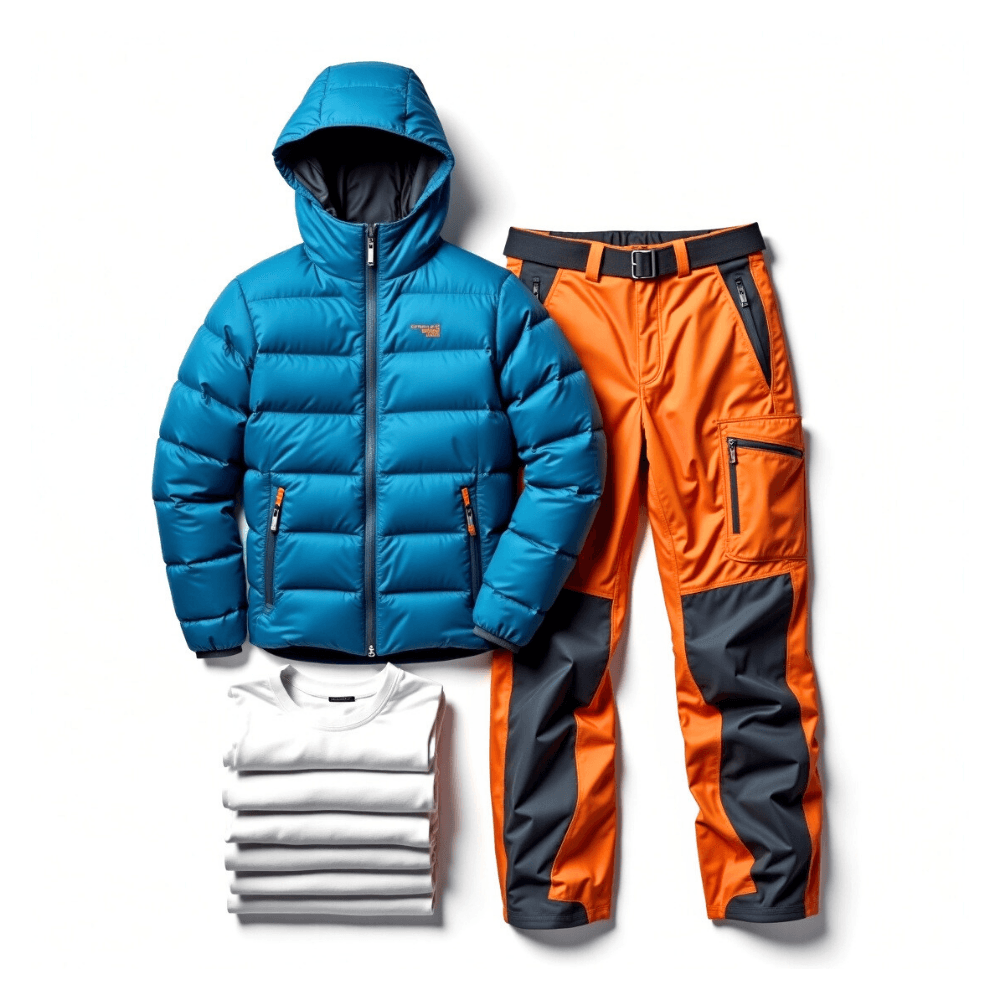
You’ll need to dress for changing temperatures, from warm days to freezing nights.
- 2–3 moisture-wicking base layer t-shirts (quick dry)
- 1 full sleeve shirt (for sun protection)
- 1 thermal base layer (top & bottom)
- 1 fleece jacket or wool sweater
- 1 down jacket (high altitude essential)
- 1 windproof/waterproof shell jacket
- 2 trekking pants (quick dry)
- 1 warm trekking tight or thermal bottom
- Innerwear (3–4 pairs)
- Trekking socks (synthetic + woolen blend)
- Warm hat/beanie and sun cap
- Buff/scarf for dust/wind
- Lightweight inner gloves + insulated/warm gloves
Footwear & Accessories
Tough trails need tough gear — comfort here is non-negotiable.
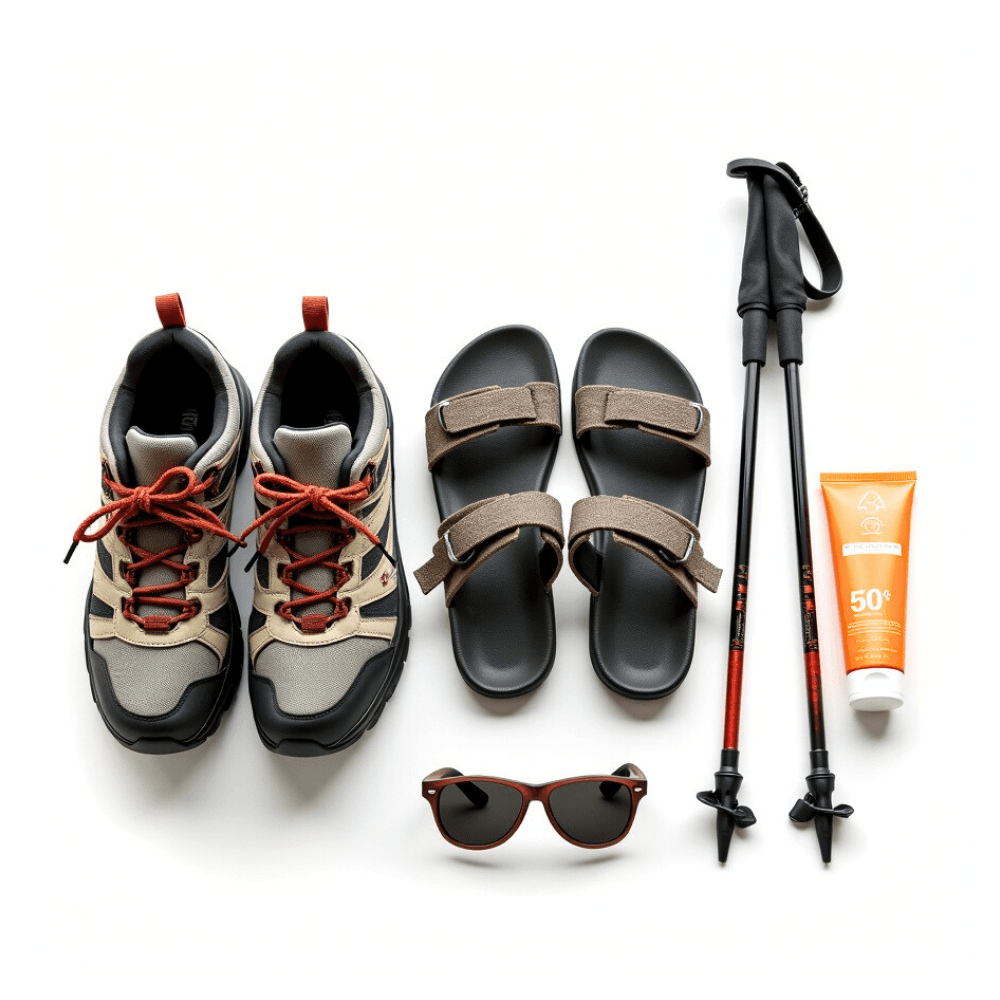
- High-ankle waterproof trekking boots (well broken-in)
- Camp shoes or slippers (for teahouse evenings)
- Gaiters (optional, for snow/slush protection)
- Trekking poles (highly recommended)
- UV-protected sunglasses (category 3 or higher)
- Sunscreen (SPF 50+)
- Lip balm with SPF
- Moisturizer (non-greasy, fast absorbing)
Gear & Packing Essentials
Stay organized, mobile, and weather-ready.
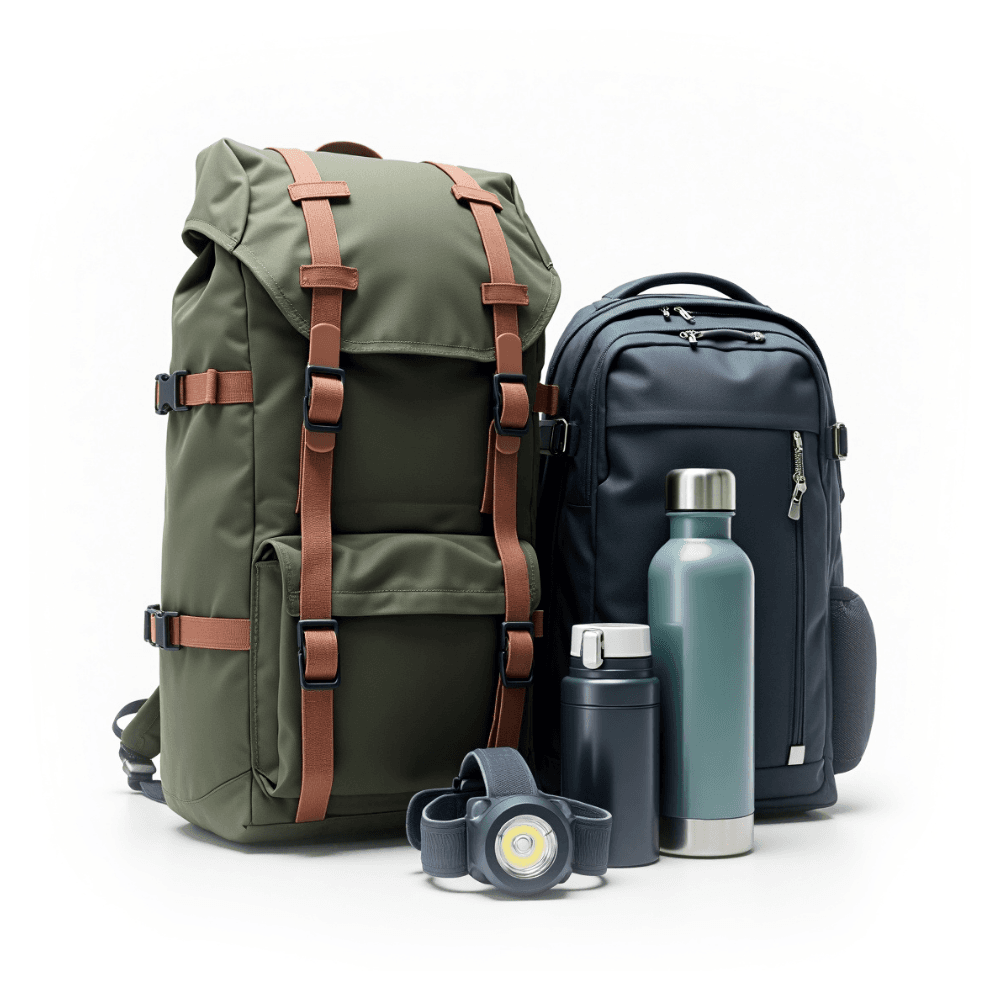
- 50–60L backpack or large duffel bag
- Daypack (25–30L with rain cover, for daily use)
- Dry bags or packing cubes for organizing
- Headlamp with spare batteries
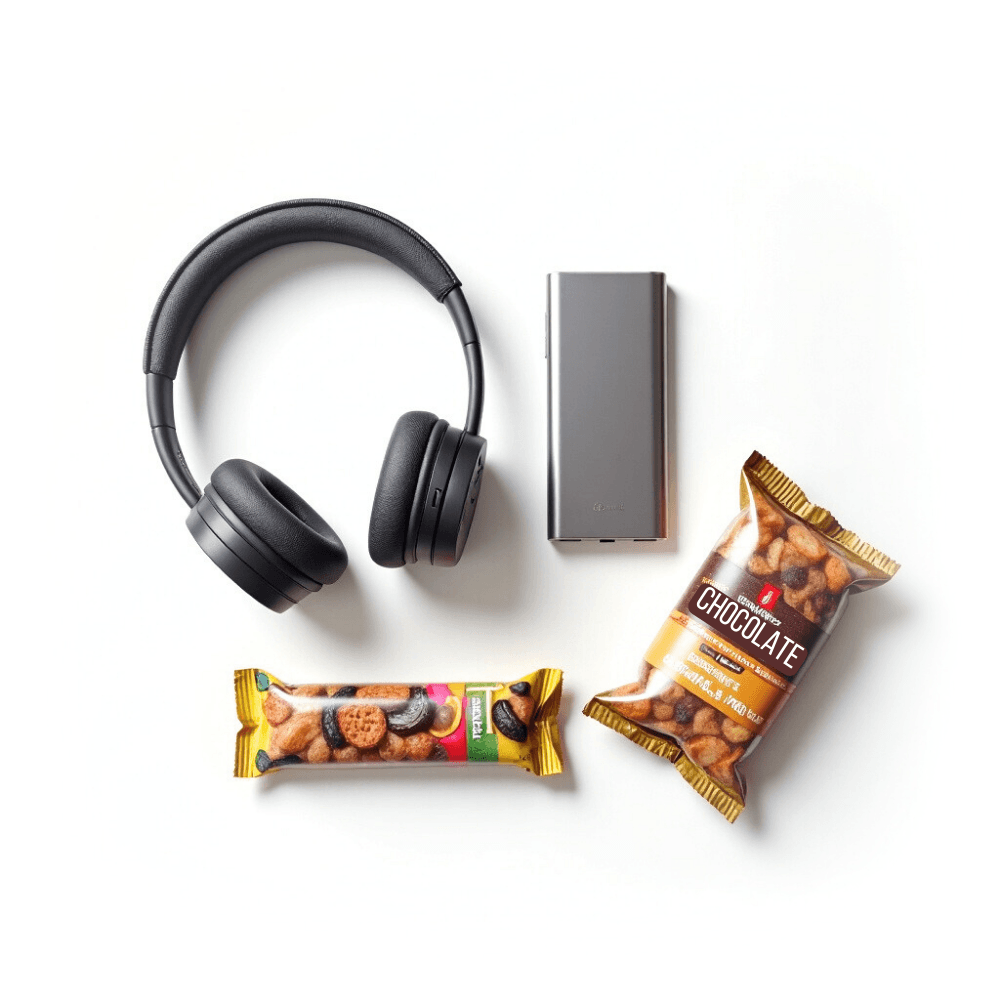
- Power bank (10,000 mAh or more)
- Reusable water bottles (2L total capacity) or hydration bladder
- Lightweight thermos flask (optional for warm drinks)
- Small lock for duffel/daypack
- Copies of passport, visa, and ID
Personal Hygiene & Toiletries
Simple, efficient, and eco-friendly.
- Toothbrush & toothpaste
- Biodegradable soap & shampoo (travel size)
- Quick-dry microfiber towel
- Wet wipes & hand sanitizer
- Toilet paper/tissues
- Sanitary pads/tampons (if applicable)
- Nail cutter & small comb/hairbrush


Health & Medical Kit
While we carry a first aid kit, we recommend packing a small one for yourself too — just the basics you might need.
- Diamox (consult doctor before usage)
- Painkillers (Combiflam or similar)
- Band-aids/blister patches
- Antiseptic cream
- Electrolyte/ORS sachets
- Anti-diarrhea tablets (optional)
- Any prescribed/personal medication
Extras & Good-to-Haves
Little things that go a long way.
- Snacks (energy bars, trail mix, chocolates)
- Notebook & pen (for journaling or reflections)
- Book or Kindle
- Playing cards or light travel games
- Earplugs & sleep mask (especially useful in shared rooms)
- Camera + spare batteries/memory cards
Pro Tip: Keep daily essentials in your daypack. Porters carry your duffel and may reach later than you at the teahouse.
Common Questions
The ideal months are March to May (spring) and September to November (autumn). These seasons offer stable weather, excellent visibility, and pleasant daytime temperatures, making it ideal for trekking. Winters can be bitterly cold, and monsoons bring rain, leeches, and flight cancellations.
The EBC trek is considered moderate to difficult. The challenge lies in the altitude and multi-day nature of the walk, rather than technical terrain. You’ll be walking 5–7 hours a day on average. With good preparation and acclimatization, even first-time trekkers can successfully complete it.
No prior experience is necessary, though it helps. Many of our trekkers are first-timers. What you do need is a reasonably good level of fitness, mental endurance, and the willingness to push through long walks and altitude discomfort.
We follow the golden rule: climb high, sleep low. Our itinerary includes two designated acclimatization days (in Namche and Dingboche) with side hikes. Guides monitor your vitals daily using an oximeter and provide guidance to help your body adjust.
Common symptoms include headache, nausea, fatigue, loss of appetite, and shortness of breath. Proper hydration, gradual ascent, and acclimatization days reduce the risk. In case of severe symptoms, descent is the best cure.
In Kathmandu, we stay in comfortable 3-star hotels with modern amenities. On the trail, you’ll stay at teahouses – simple, clean lodges with twin-sharing rooms and shared toilets. Some have hot showers (paid) and heated dining halls.
You’ll get 3 meals a day at teahouses: breakfast, lunch, and dinner. Meals are fresh, mostly vegetarian, and range from dal bhat, noodles, pasta, pancakes, eggs, porridge, and fried rice to momos. One item per meal is included; extras can be ordered separately.
Start at least 6–8 weeks before. Focus on:
- Walking 5–8 km daily
- Stair climbing
- Strength training for legs and core
- Breathing exercises/yoga for lung capacity
- Practice day hikes with a loaded backpack to simulate real conditions.
Safety is our top priority. Our guides are trained in high-altitude emergencies and first aid. We carry oxygen cylinders and first-aid kits, and monitor your vitals daily. In serious cases, helicopter evacuation can be arranged.
We arrange all necessary permits:
- Sagarmatha National Park Entry Permit
- Khumbu Pasang Lhamu Rural Municipality Permit
- TIMS card (for trekker registration)
Flights to Lukla operate from Kathmandu or Ramechhap (during peak seasons). If from Ramechhap, you’ll leave Kathmandu at 2 AM and drive ~5–6 hrs to catch the flight.
Mobile network (NTC & NCELL) is available up to Pangboche. Wi-Fi is available at most teahouses for a charge (NPR 300–500). Don’t expect reliable or fast connections beyond Namche.
Only Namche Bazaar has ATMs. Carry enough cash (NPR 25,000–30,000) for the entire trek. Card payments aren’t accepted in the mountains.
Yes, at most teahouses, but it’s chargeable (NPR 100–300 per device). Carry a power bank, keep electronics warm, and switch off when not needed to preserve battery.
Yes! We provide all successful trekkers with a completion certificate and a custom medal to celebrate your achievement.
No, as of April 2023, Nepal requires all foreign trekkers to be accompanied by a licensed guide on national park trails, including Everest. This enhances your safety and ensures responsible trekking.
You must have travel insurance that covers trekking up to 6,000 m. It should include emergency medical treatment, helicopter evacuation, trip delays, and cancellations. Double-check coverage with your provider.
Carry NPR 25,000–30,000 in small bills for personal expenses like Wi-Fi, snacks, water, tips, charging, and emergency transport. ATMs aren’t reliable and are only available in Namche.
There’s no strict age limit. We’ve had fit children (above 10) and seniors (above 65) complete the trek. However, anyone above 60 should consult a doctor and train adequately.
You’ll stay in teahouses with basic twin-sharing rooms and shared toilets. Blankets are provided, but a sleeping bag is a must. Dining areas are warm, and meals are served there. Amenities get more basic as altitude increases.
Food is fresh, locally made, and vegetarian for hygiene reasons. Teahouses serve dal bhat, pasta, noodles, fried rice, pancakes, eggs, and soups. Meat is available at lower altitudes, but avoid it higher up due to storage concerns.
Yes, but tap water must be treated. Carry purification tablets, filters, or buy boiled water at teahouses (~NPR 100–200/liter). Avoid untreated water to prevent stomach issues.
Your guide will assess the situation, provide first aid, and if needed, arrange helicopter evacuation to Kathmandu. We stay connected via local networks or satellite phones. Travel insurance must cover this cost.
Yes, but charging is paid (NPR 100–300 per hour/device). Bring extra batteries, a power bank, and turn off unused apps to conserve power. Solar chargers can also be useful.
The clearest views are during spring (Mar–May) and autumn (late Sept–Nov). Skies are blue, air is crisp, and the mountain views are breathtaking. Avoid the monsoon for the best experience.
The trek spans around 130 km round-trip (Lukla to Everest Base Camp and back) over 12 trekking days, with 3 additional days for arrival, departure, and buffer. Daily walking hours range from 5 to 7 hours, depending on terrain and altitude.
Carry a down jacket rated for at least -15°C (comfort) or -20°C (extreme), high-ankle waterproof trekking boots, and sunscreen with SPF 50+. These are non-negotiable for safety and comfort at high altitude.
In spring and autumn, daytime temperatures can be mild (5°C to 15°C), but nights can drop to -15°C or even -20°C at higher altitudes like Lobuche and Gorakshep, especially with snowfall or wind chill.
Flights to and from Lukla are highly weather-dependent, and delays of a few hours to 2–3 days are common. This is why we include a buffer day in the itinerary. Stay flexible and avoid planning anything major right after your return.
You’ll typically walk for 5–7 hours daily, with some longer days (like base camp or Kala Patthar) going up to 8 hours. Acclimatization days include shorter hikes but are still physically demanding.
Bathing is not recommended at high altitudes. Hot showers are available at select teahouses for an additional cost but should be avoided above 4,000m to prevent catching a cold or hypothermia.
Yes, basic laundry services are available in Namche and Dingboche. They are often charged per item and may take longer to dry in cold or cloudy weather.
Yes, trekking gear is available for rent or purchase in Thamel, Kathmandu. However, we recommend bringing well-fitted personal items like shoes, jackets, and backpacks from home.
Expect additional costs for:
- Wi-Fi: NPR 300–600 per day
- Charging: NPR 100–300 per device
- Hot showers: NPR 300–600
- Snacks, bottled water, or soft drinks
- Laundry: NPR 300–500 per piece
Tipping (NPR 800–1,200 per staff for the trek)
The trail passes through ancient Sherpa villages, Buddhist monasteries, prayer wheels, and chortens. Interactions with locals and visiting sites like Tengboche Monastery offer authentic insights into Himalayan culture and spirituality.
Yes. Though blankets are provided in teahouses, they are not always sufficient. A sleeping bag rated to -10°C or lower is highly recommended for a warm and restful night.
We understand that plans can change, and we try to keep our cancellation policy fair and transparent. Depending on how close to the departure date you cancel, partial refunds are possible, and we also offer options to transfer your booking to a future trip in certain cases.
For the full breakdown of timelines, conditions, and refund details, please check out our complete cancellation policy here: