
Black Peak
In the Realm of Rock, Ice & Silence — Kala Nag Beckons
Altitude
6387 Meters
Difficulty
Hard
Duration
15 Days
Location
Uttarakhand
Fee
INR 80,000
Overview
READ MORE
Why Climb Black Peak (Kalanag)?
In a world full of commercial trekking peaks, Black Peak stands tall — and stands apart. At 6,387 meters, it’s not just another altitude badge — it’s a true alpine expedition that demands preparation, patience, and perseverance.
Here’s why climbers from across the world are choosing Black Peak over other 6,000ers:
1. A Real Mountaineering Objective – Not Just a High Trek
Unlike Stok Kangri or Kilimanjaro, which are often trekked to the summit with minimal technical requirement, Black Peak involves actual glacier travel, snow slopes up to 60°, fixed rope sections, and crevasse navigation.
2. Highest Peak in the Bandarpunch Range
With commanding views of Swargarohini, Ruinsara Valley, Bandarpoonch I & II, and more — Black Peak gives you that Himalayan grandeur you crave, without the overcrowded trails.
3. Perfect for 7K/8K Preparation
Thinking about future climbs to 7000-8000m peaks? Black Peak prepares you with the same approach — base camp strategy, technical gear usage, fixed line exposure, summit rotation, and high camp sleeping — but at a safer and more approachable scale.
4. Peacefully Remote – Far from Over-Tourism
Black Peak remains offbeat and peaceful. You’ll trek through the mystical Ruinsara Valley, camp under a billion stars, and often have the summit to yourself or your small team.
5. Legendary Trail Through Culture & Wilderness
Your journey begins in Sankri, home to ancient villages, wooden temples, and Indo-Tibetan folklore. You’ll pass through dense forests, gushing rivers, alpine lakes, and wildflower meadows before touching snow.
6. Internationally Underrated – Yet Logistically Accessible
Despite its technical stature, Black Peak is easily accessible via Dehradun (well connected to Delhi and other international hubs). This makes it simpler to plan, cheaper to execute, and ideal for international climbers seeking a big challenge within reach.
7. Super Strong Support Team
With our team of Certified lead guide, expert instructors, high-altitude chefs, and helpers, your expedition is backed by real experience and Himalayan care.
Bottom Line:
Black Peak is not just another summit — it’s a transition point in your mountaineering journey. It prepares you for bigger climbs, builds real skills, and delivers one of the most authentic Himalayan expeditions you’ll ever experience.
Itinerary
Your journey begins in Dehradun, the capital of Uttarakhand and a key entry point for the Garhwal Himalayas. Participants arriving from Delhi or abroad should reach a day early or take an early morning flight/train. Our team assembles around 6:30 AM at Dehradun Railway Station or ISBT, and the drive begins.
The road to Sankri (approx. 190 km) takes 8 to 10 hours, passing through Mussoorie, Nainbagh, Damta, Purola, Mori, and Netwar. As we leave the city behind, the landscape transitions into deep valleys, pine forests, and river bends. We stop for breakfast at Kempty Falls and lunch near Purola, with scenic views throughout the journey.
Sankri, located at 1,950m, is a peaceful mountain village nestled at the edge of Govind Pashu Vihar National Park. It's the last roadhead before entering true wilderness. After check-in at a cozy twin-sharing guesthouse, you can explore the village or simply relax with a view of the surrounding peaks — sometimes even catching glimpses of Swargarohini on a clear day.
In the evening, we’ll have a briefing and gear check with your trek leader, followed by dinner. This is your final low-altitude stop before stepping into alpine terrain tomorrow.
Altitude: Dehradun (640m) → Sankri (1,950m)
Distance: ~190–200 km
Duration: 8–10 hours
Altitude Gain: +1,310m
After an early breakfast in Sankri, we drive 11–12 km to Taluka, a small forest-side village and the official trailhead for the expedition. The road is narrow and bumpy, weaving through thick pine forests and landslide-prone sections — a 45-minute to 1-hour ride that feels like a soft entry into the wilderness.
From Taluka, we begin our 14 km trek to Osla, following a forest trail that gently ascends alongside the Supin River. The trail is shaded by walnut, deodar, and chestnut trees, and crosses charming wooden bridges and seasonal waterfalls. We pass occasional shepherd huts and remote hamlets, where locals still live in traditional wooden homes. Wildflowers and buzzing insects fill the air — it’s the kind of immersive Himalayan trail that gradually acclimates your body and mind.
By late afternoon, we reach Osla (2,560m) — a culturally rich village famous for its wooden carvings and the ancient Duryodhana Temple. This is one of the last permanent settlements before heading deeper into uninhabited terrain. Our campsite is set just outside the village, offering views of distant peaks and a first real taste of high-altitude silence. Spend the evening sipping chai, exploring the village, and letting the mountain air work its magic.
Altitude: Sankri (1,950m) → Taluka (2,050m) → Osla (2,560m)
Trek Distance: 14 km
Drive Distance: 11–12 km
Duration: 1 hour drive + 5–6 hour trek
Altitude Gain: +610m
Today’s trail is a true Himalayan delight — filled with changing terrain, expanding views, and a gradual sense of gaining altitude. After breakfast at Osla, we start early on the 15 km trek toward Ruinsara Tal, a high-altitude glacial lake tucked deep inside the Govind Pashu Vihar sanctuary.
The trail continues to follow the Supin River, cutting across a mix of pine forest, boulder sections, and high meadows. Around halfway, the valley opens up dramatically — revealing distant peaks of Swargarohini and Black Peak, and meadows dotted with grazing sheep and yaks. You'll also notice the air growing crisper, with thinner tree cover and more alpine vegetation. Small stream crossings and glacier-fed rivulets add rhythm to the walk.
By early afternoon, we reach the magical Ruinsara Tal — a sacred, still-water lake surrounded by birch trees and jagged moraines. It’s said to be the meditation ground of ancient sages and holds great spiritual value for locals. The lake reflects Swargarohini in calm weather, offering some of the most photograph-worthy moments of the trek. Camp is pitched a little beyond the lake, with views that will leave you humbled and quiet.
Altitude: Osla (2,560m) → Ruinsara Lake (3,350m)
Trek Distance: ~15 km
Duration: 6–7 hours
Altitude Gain: +790m
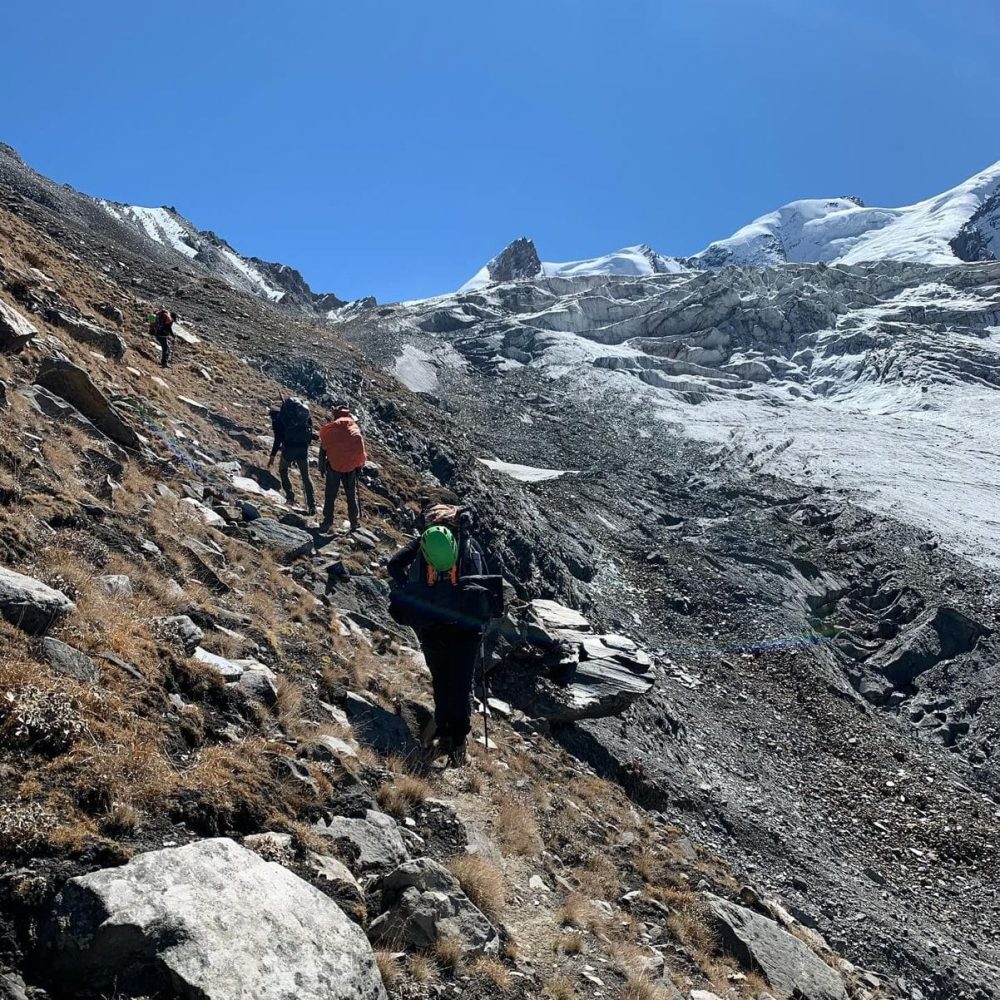
After a serene morning by the lake, we pack up and move deeper into alpine terrain — where tree lines end, and glacier country begins. Today’s trail to Kyarkoti Base Camp is shorter in distance but crucial in altitude transition. The route starts with a gentle meadow trail before entering a more rugged landscape marked by boulders, glacial debris, and lateral moraine ridges.
As we trek, Black Peak gradually reveals itself — towering at the end of the valley like a dark, distant sentinel. You’ll feel the silence deepen, broken only by the wind and distant snowmelt streams. It’s common to spot marmots, Himalayan griffons, or blue sheep along this stretch, especially in the summer.
We reach Kyarkoti, a wide alpine bowl with grassy patches and moraine fields — a dramatic and fitting location to set up Base Camp. The team will pitch tents, establish our kitchen and medical tent, and begin setting the rhythm of an expedition — with load organization, rest protocols, gear sorting, and rope checks. From here, the environment gets more technical, colder, and far more remote.
Altitude: Ruinsara Lake (3,350m) → Kyarkoti Base Camp (~3,900m)
Trek Distance: ~7 km
Duration: 4–5 hours
Altitude Gain: +550m
Today, we begin our expedition load movement — a vital part of safe and successful high-altitude climbing. After breakfast, we start our first load ferry to Camp 1, carrying technical gear such as ropes, snow stakes, high-altitude food, fuel, and tents. The aim is to lighten the load on summit push days and aid acclimatization.
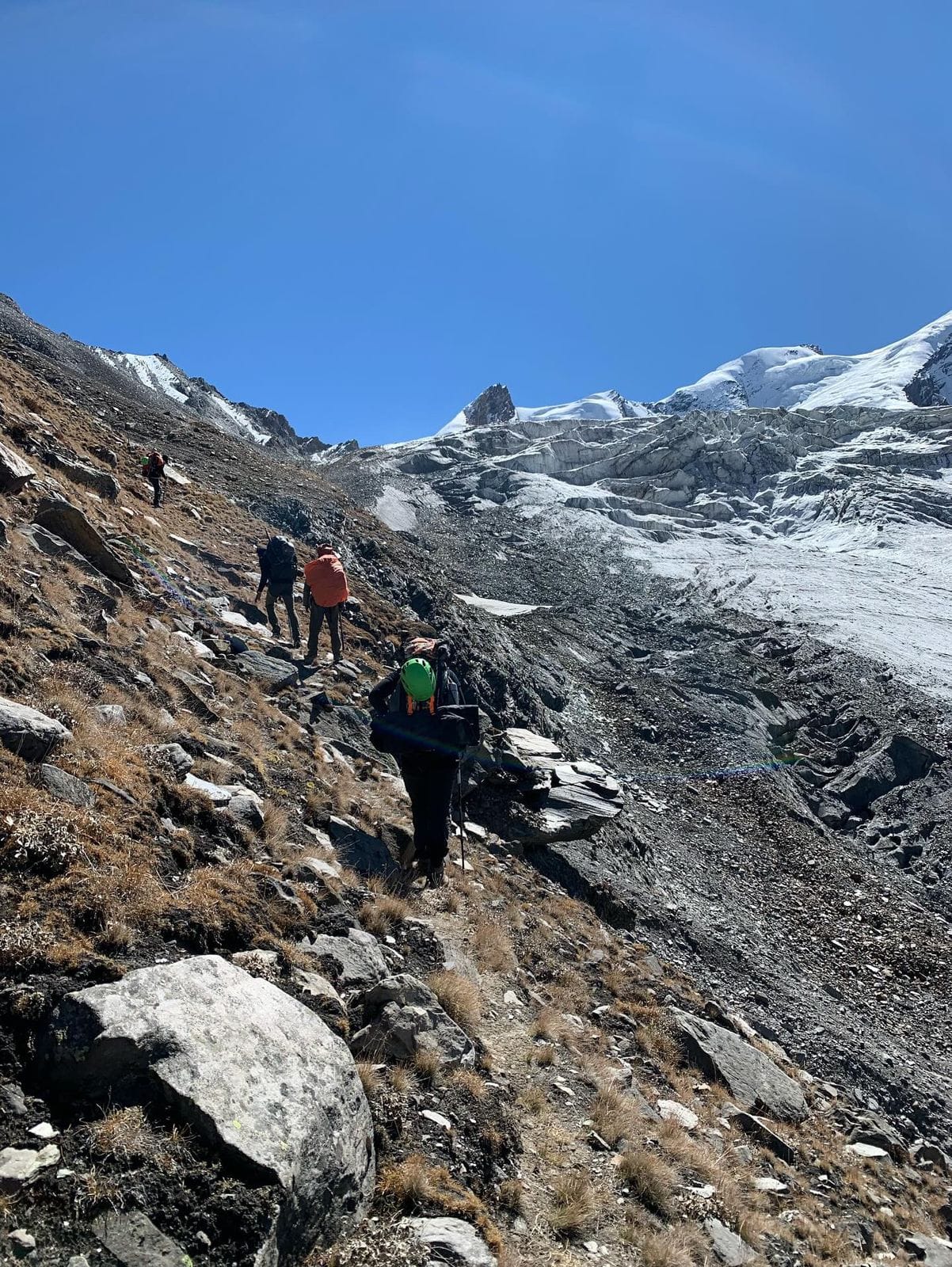
The trail to Camp 1 is rugged and steep, moving through rocky terrain, moraine ridges, scree patches, and snow-dusted slopes. As you gain altitude, you’ll notice a clear drop in temperature and oxygen levels. The final approach to Camp 1 is across a rough slope beneath a broken ridge — a suitable platform just below the snowline where we’ll pitch tents for the higher phase.
After a quick rest and drop-off, we descend back to Kyarkoti Base Camp the same way. Load ferries also give us a great opportunity to rehearse rope handling, pacing, and gear adjustment. Evenings are spent resting and prepping for tomorrow’s move.
Altitude: Base Camp (3,900m) → Camp 1 (4,600m) → Base Camp
Trek Distance: ~8 km round trip
Duration: 6–7 hours
Altitude Gain: +700m (up), -700m (down)
Today, we permanently shift to Camp 1, retracing the same route as yesterday but this time with personal gear and lighter group loads. Due to yesterday’s ferry and acclimatization, most climbers find the repeat climb more manageable — but still challenging due to thin air and steep terrain.
Camp 1 sits on a rocky and partially snow-covered ledge, with stunning views of the upper valley and distant massifs. The wind picks up here, especially post noon, so tents are anchored securely. The team now transitions fully into expedition mode — cold gear comes out, gaiters are strapped, and movement is slower and more deliberate.
Once the camp is set, the rest of the day is for rest, hydration, and adjusting to the new altitude. Our technical team runs another briefing on crampon use, snow anchors, and climbing rope systems, to prepare you for glacier work starting the next day.
Altitude: Base Camp (3,900m) → Camp 1 (4,600m)
Trek Distance: ~4 km
Duration: 4–5 hours
Altitude Gain: +700m
Today is one of the most critical technical prep days. After an early start, we gear up for a load ferry to Camp 2, which lies beyond the snowline on an exposed glacier shelf beneath the summit slopes. Crampons, helmets, harnesses, and gaiters become mandatory now — this is where the mountaineering truly begins.
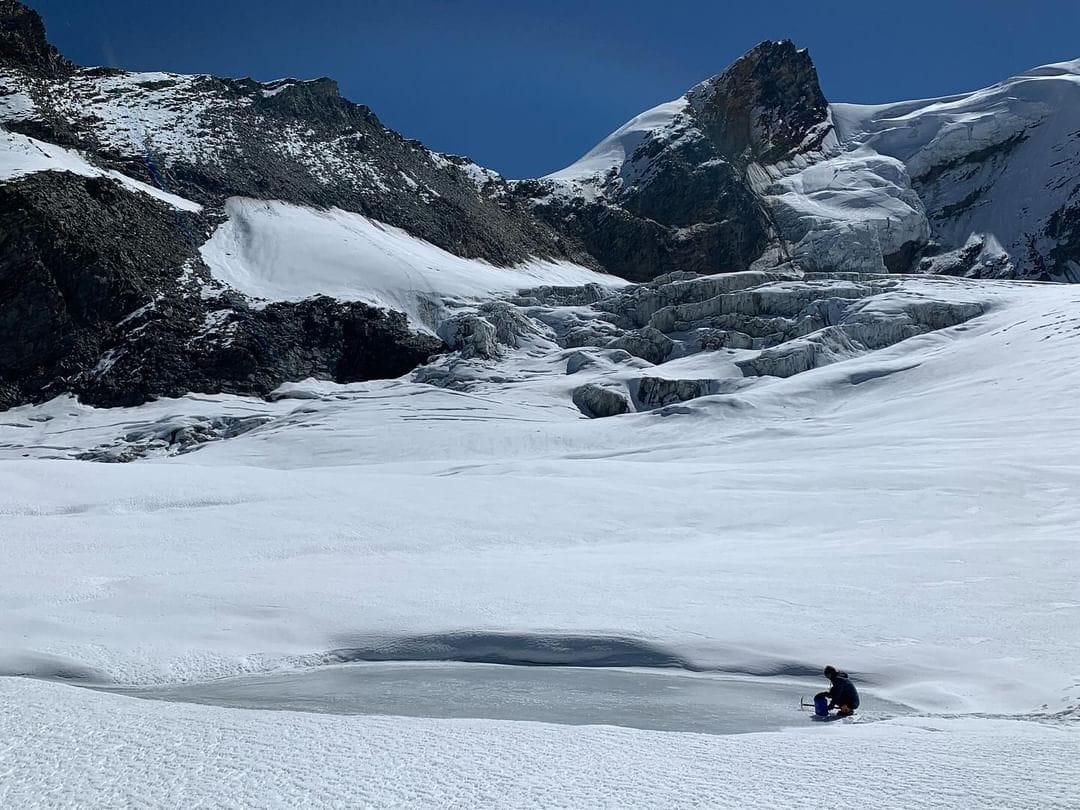
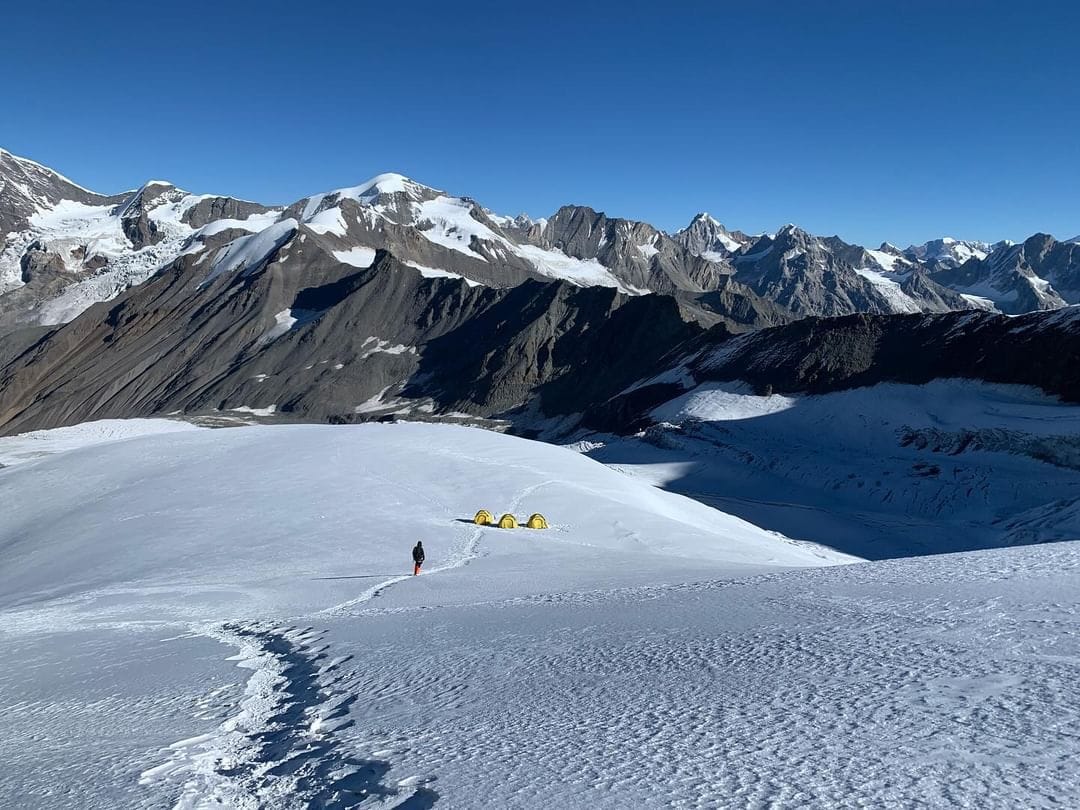
The route climbs steeply from Camp 1, cutting through a mix of compact snowfields, loose moraine, icy patches, and occasional crevasse zones. Movement is roped up for safety, and you’ll traverse gradual snow ramps with views of Bandarpunch, Swargarohini, and the upper flanks of Black Peak now looming ahead.
Camp 2 is established on a snow plateau around 5,100m, slightly wind-exposed but flat enough for tent setup. After dropping gear, we descend back to Camp 1 the same way, carefully managing fatigue and snow conditions.
This ferry is essential for gear staging, terrain familiarization, and acclimatization. Evening briefing focuses on summit protocols, jumar technique, rope clipping, and emergency procedures.
Altitude: Camp 1 (4,600m) → Camp 2 (5,100m) → Camp 1
Trek Distance: ~6–7 km round trip
Duration: 5–6 hours
Altitude Gain: +500m (up), -500m (down)
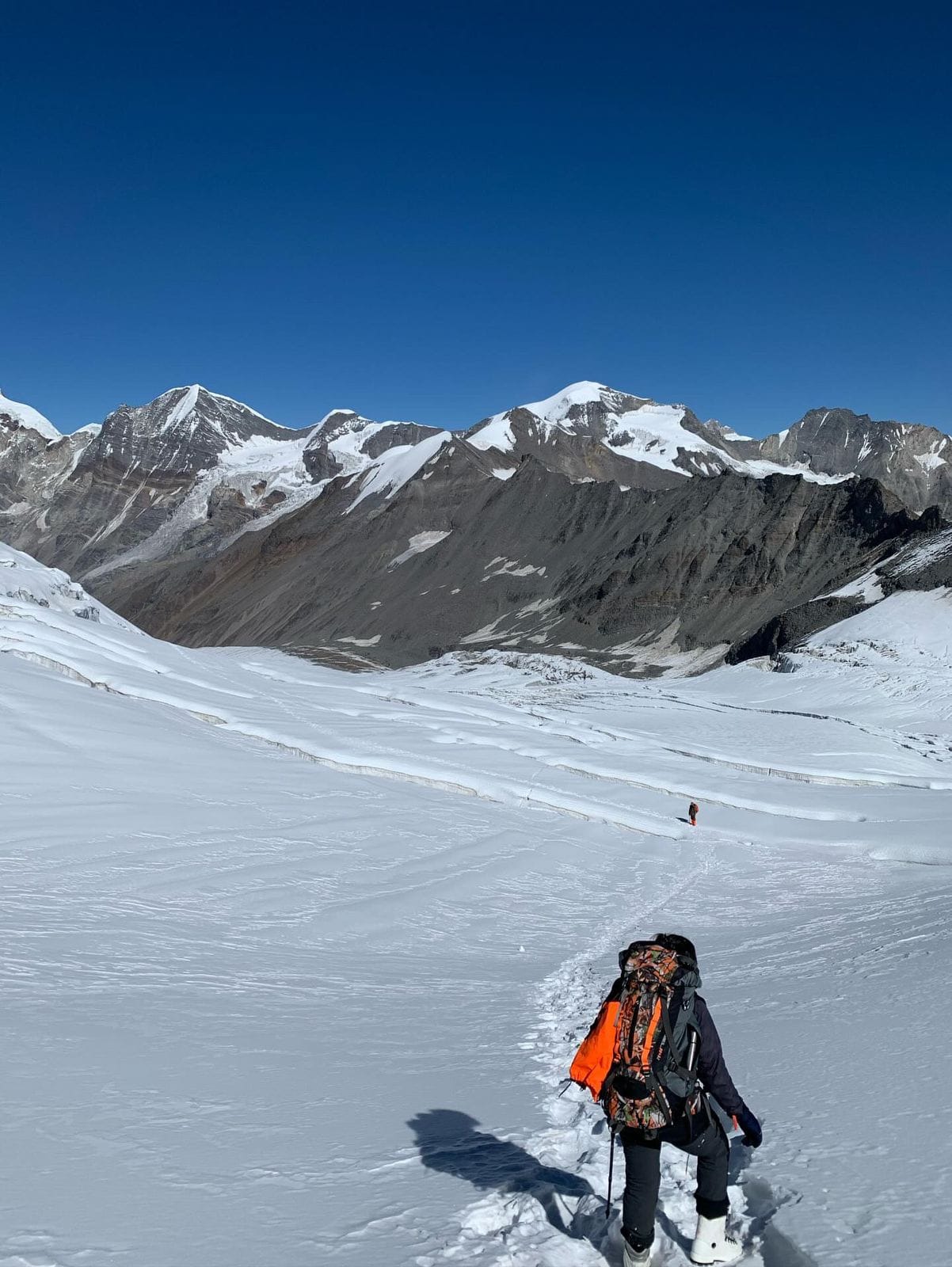
Today, we make a full shift to Camp 2, this time with personal gear and lighter backpacks. You’ll move over glacier terrain, roped up in 3–4 member teams, navigating through crevasse-marked snowfields and wind-exposed inclines. The pace is slower but deliberate — focus is everything.
On reaching Camp 2, we set up tents directly on snow, using snow stakes and double-layering insulation inside tents. The altitude and cold can now be felt more intensely, and proper layering and hydration are crucial.
After rest and a hot meal, our climbing leader will lead a summit briefing: route conditions, rope sequences, gear checklists, summit timing, and team assignments. The vibe in camp turns serious but charged with excitement — tomorrow, we move to our final camp before the summit.
Altitude: Camp 1 (4,600m) → Camp 2 (5,100m)
Trek Distance: ~3–4 km
Duration: 4–5 hours
Altitude Gain: +500m
This is the final push before summit day. After a light breakfast at Camp 2, we begin the steep climb to Summit Camp, located on a snow hump beneath the summit face. The route is fully snowbound and technically exposed, requiring fixed rope support, crampons, ice axe anchoring, and teamwork.
We cross deep glacial crevasses, follow a zig-zag route up steep snow walls, and navigate icy ridgelines that offer surreal views of Swargarohini, Bandarpoonch, and upper Garhwal Himalayas. The gradients now reach 45–50°, and each step requires focus and energy conservation.
Upon reaching Summit Camp (approx. 5,500m) — perched like a frozen island in a sea of white — tents are pitched directly on snow. The wind can be sharp, and temperatures can drop to -10 to -20°C post-sunset. After lunch, we rest, hydrate, and go through a final summit equipment check — crampons, harness, jumar, carabiners, headlamps, layers, and snacks.
Dinner is early. Sleep, even if patchy, is critical. Alarms are set for midnight.
Altitude: Camp 2 (5,100m) → Summit Camp (5,500m)
Trek Distance: ~3 km
Duration: 4–5 hours
Altitude Gain: +400m
The most demanding and rewarding day of the entire expedition begins between 12:30–1:00 AM. After a hot drink and quick breakfast, we gear up in complete alpine climbing setup and step into the cold darkness — headlamps on, heartbeats racing.
The route ascends steeply through a series of snow ramps and narrow ridgelines, with gradients rising to 60–70°. Roped teams move one behind the other, carefully using jumars on fixed lines, snow bar anchors, crampons on exposed edges, and guided rope belays where needed. Crevasse jumps, firm ice traverses, and a near-vertical final summit pitch on an icy wall mark the last hour.
Around 7–8 AM, after 6–7 hours of intense climbing, you stand at the summit of Black Peak (Kalanag) – 6,387 meters (20,955 ft). The views are beyond words — a 360° panorama featuring Bandarpunch I & II, Swargarohini peaks, Ruinsara range, and distant glimpses of the upper Gangotri and Nanda Devi regions.
After a brief celebration and photos (time on summit is short due to wind chill), we begin the careful descent back to Summit Camp, reaching by early afternoon.
Altitude: Summit Camp (5,500m) → Black Peak Summit (6,387m) → Summit Camp
Ascent/Descent Distance: ~7–8 km total
Duration: 10–12 hours
Altitude Gain: +887m
Altitude Loss: -887m
This is your contingency day, built into the plan for flexibility. In the mountains, summit pushes can be delayed due to sudden weather shifts, high wind speeds, whiteouts, or team health concerns. If needed, this day can be used to rest, recover, or make a second summit attempt.
If the summit was successful on Day 10, we may descend early to Camp 2 or even Camp 1 depending on team strength and weather. This buffer also helps manage schedule variations without compromising safety, and provides a rest window for the body after an intense summit effort.
Altitude: Summit Camp (5,500m) or Camp 2/Camp 1 (variable)
Duration: Flexible
Purpose: Rest / Weather window / Emergency descent
Today we begin our return journey — and though the descent is quicker, it still demands care. The route follows the same technical path in reverse: Summit Camp → Camp 2 → Camp 1 → Kyarkoti Base Camp. We begin early and descend in phases, ensuring no one overexerts on fatigued legs.
Team members and high-altitude porters work together to carry down gear, waste, and all equipment used during the climb — maintaining our leave-no-trace policy. Back at Base Camp, a warm meal and soft ground feel like luxury. The evening is often quiet and reflective — a time to process what you've achieved, surrounded by the very peaks you just climbed.
Altitude: Summit Camp (5,500m) → Base Camp (3,900m)
Trek Distance: ~10–12 km total
Duration: 6–7 hours
Altitude Loss: ~1,600m
After breakfast at Kyarkoti, we pack up and begin our descent through the route we first ascended — but now with a renewed sense of calm and accomplishment. The trail retraces through Ruinsara Tal, Rainbasera, and alpine meadows, gradually reentering green forests and warmer air.
The air grows thicker, the trees taller, and the villages closer. With every step down, fatigue fades and smiles grow. We reach Osla by late afternoon, where our campsite is once again set just outside the village. The evening is yours to interact with locals, sip chai in carved wooden homes, or revisit the Duryodhana Temple, now with different eyes.
Altitude: Base Camp (3,900m) → Osla (2,560m)
Trek Distance: ~14–15 km
Duration: 5–6 hours
Altitude Loss: ~1,340m
The final trail day. We begin early and walk the familiar 12–13 km stretch from Osla to Taluka, enjoying every forest bend, every footbridge, every river echo with a sense of nostalgic satisfaction. It’s a steady descent, gentle on the knees and kind on the heart.
At Taluka, our vehicle awaits for the short drive back to Sankri — your first proper roof and mattress in nearly 10 days. Upon arrival, we check into the guesthouse, clean up, and enjoy a well-deserved celebratory dinner with your climbing team.
Altitude: Osla (2,560m) → Taluka (2,050m) → Sankri (1,950m)
Trek Distance: ~12–13 km
Drive: ~11–12 km
Duration: 4–5 hours trek + 1-hour drive
Altitude Loss: ~510m (Osla to Taluka)
We depart early from Sankri after breakfast for the long drive back to Dehradun. The 8–10 hour journey retraces the same winding route through Netwar, Purola, Mori, and Mussoorie — only this time, with a different sense of stillness inside. From the soaring silence of glaciers to the buzz of the plains, it’s a transition not just of terrain, but of emotion.
Expect to reach Dehradun by early evening, between 6–7 PM, depending on road conditions. Flights, trains, or buses should be booked post 8 PM, or for the next morning if you prefer a relaxed night in the city.
As you descend, carry more than just photographs — you leave the mountains not as the person who entered them, but someone who has stood on a 6,387-meter summit and seen the world from above the clouds.
Altitude: Sankri (1,950m) → Dehradun (640m)
Distance: ~190–200 km
Duration: 8–10 hours
Altitude Loss: ~1,310m
Inclusions
- All ground transportation from Dehradun to Sankri and back in shared vehicles
- Accommodation throughout: guesthouse stays in Sankri (Day 1 & Day 14), camping in high-quality twin-sharing tents during the trek
- All meals from Day 1 dinner to Day 15 breakfast (vegetarian, cooked fresh by expedition kitchen team)
- Complete camping logistics – alpine tents, sleeping bags (rated for sub-zero), foam mats, toilet tents, dining shelter
- Use of all technical mountaineering gear: ropes, snow stakes, crampons, helmets, ice axes, harnesses, climbing boots, gaiters, karabiners
- Experienced expedition team – qualified trek leader, climbing guides, high-altitude porters, cooks, and base camp staff
- Medical support team with first-aid kit, pulse oximeter, oxygen cylinder, and emergency protocols in place
- Trek and camping permits inside Govind Pashu Vihar National Park
- Waste management and mountain hygiene protocols followed throughout
- End-of-expedition certificate of completion (upon successful participation)
Optional Expense
- Backpack Offloading: ₹16,000 for entire trek upto base camp (up to 12 kg)
- Single Tent/Room Accommodation: Available upon request in Sankri and on the trek – cost varies depending on availability and timing
- Personal Gear Rental: Limited stock available for rental at extra cost (down jacket, trekking poles, gloves, headlamp, etc.)
- Extra Hotel Night in Sankri (before/after expedition): ₹1,500–₹3,000 depending on room type, occupancy & availability
- Airport Pickup from Delhi or Hotel Assistance in Dehradun/Delhi: Can be arranged for foreign climbers on request
Exclusions
- Flights or transport to and from Dehradun
- Meals during transit (Day 1 breakfast/lunch, Day 15 lunch/dinner)
- Backpack offloading charges (optional; see below)
- Travel/trek insurance (highly recommended; must cover high altitude and evacuation)
- Personal expenses – bottled water, snacks, tips, laundry, hot showers, etc.
- Gear rentals if you wish to use your own upgraded gear or don’t bring required personal items (see Add-Ons)
- Any costs arising from emergency evacuation, early return, or itinerary change due to weather or health
- Foreign national-specific charges (listed below separately)
Additional Charges For Foreign Nationals
These are direct charges applicable to foreign climbers, as per IMF and local forest/wildlife regulations. These will be shared equally within the foreign climber group:
- IMF Peak Booking Fee: USD $500 for first two climbers, USD $225 per additional foreign climber
- Wildlife & Forest Permit Fee: USD $800–$1,000 total (shared among all foreign participants)
- IMF Liaison Officer (if required): INR ₹60,000 (logistics) + USD $500 (fee), shared among foreign nationals
- These fees are not applicable to Indian climbers and are variable based on participant count and batch size
Food & Cuisine
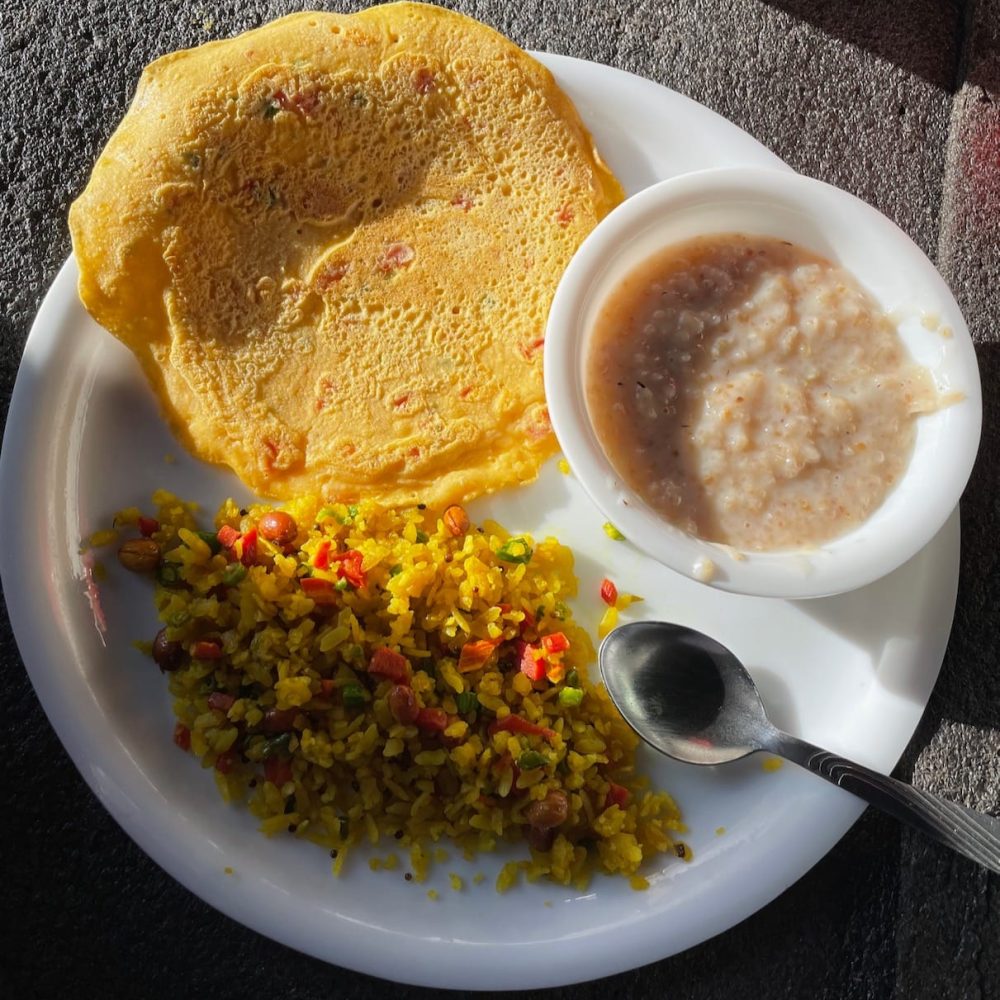
You’ll be served nutritious, vegetarian meals throughout the expedition — starting from Day 1 dinner in Sankri to Day 16 breakfast. Our meals are designed specifically for high-altitude energy needs: warm, filling, and easy to digest.
During the approach trek (Days 2–4), expect a mix of dal-chawal, sabzi-roti, khichdi, porridge, poha, pasta, Maggi, and fresh vegetables wherever available. At higher camps, the meals become simpler but still energy-rich — soups, boiled potatoes, upma, halwa, ready-to-cook mixes, energy bars, and hot drinks like tea, coffee, and electrolyte mixes.
We serve breakfast, lunch, evening tea/snacks, and dinner daily. Lunch is either packed (on long trail days) or cooked fresh at camp when possible. Boiled and/or filtered drinking water is provided at every campsite — you do not need to carry purification tablets unless you prefer your own.
Note: While we primarily serve vegetarian food (as refrigeration is not possible above 3,500m), dietary preferences or allergies can be accommodated with prior notice. Please inform us at the time of booking.
Accommodation
At Sankri (Start & End of Trek)
You’ll stay at a locally owned, warm guesthouse on Days 1 and 14. Rooms are on twin-sharing basis, with basic bedding and common or attached bathrooms depending on room type. Hot water is available (bucket or geyser system), and mobile network is patchy but present.
Private/single occupancy rooms can be arranged on request and availability, at an additional cost.
During the Trek and Climb (Day 2 to Day 13)
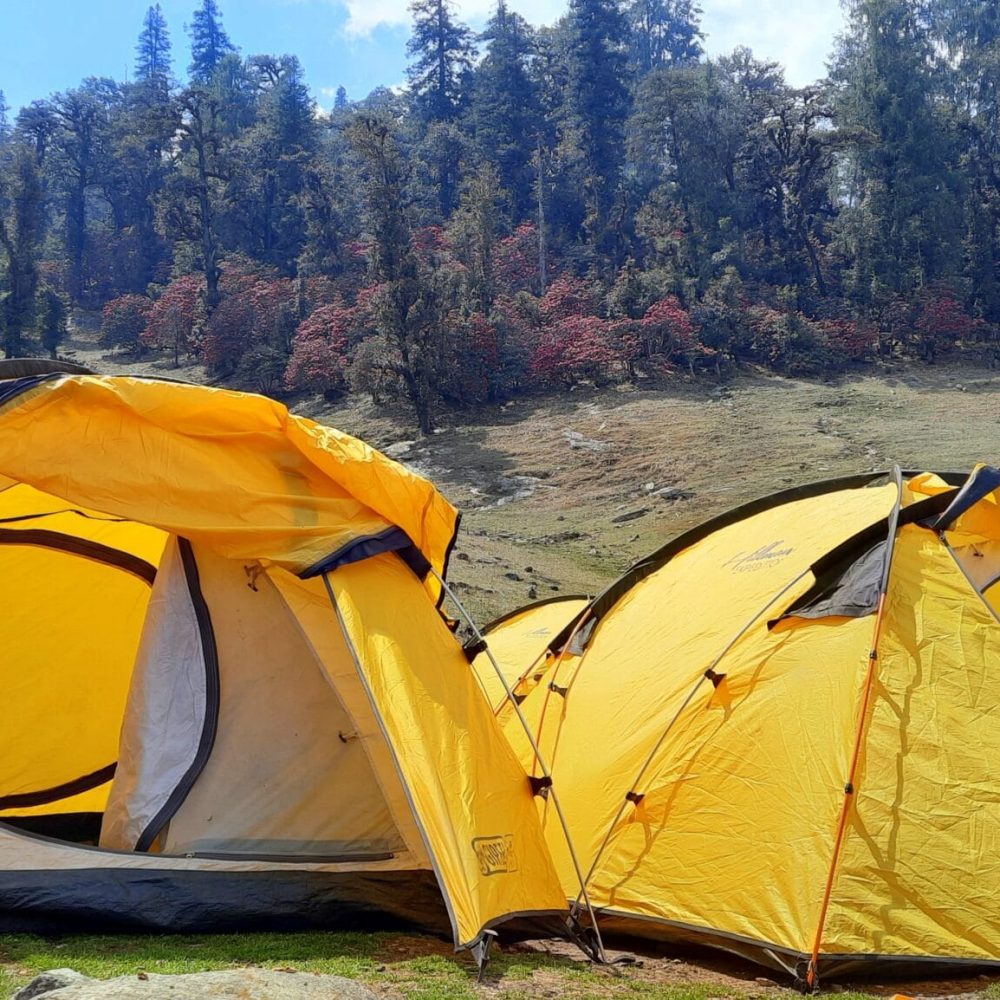
From Taluka onwards, you’ll be camping in high-quality alpine tents, rated for harsh Himalayan conditions. All tents are twin-sharing by default, with sub-zero sleeping bags, insulated mats, and wind protection.
We carry toilet tents, set up at each site in a discreet and hygienic location. Dry pit toilets or portable toilet systems are used depending on the camp altitude.
From Base Camp upwards (Days 5–11), camps are set up on snow, moraine, or glacier platforms, depending on the day. At higher altitudes (Camp 1 onwards), comfort becomes minimal — but safety, insulation, and sanitation are our top priority. Summit Camp (5,500m) is the most spartan, with tents pitched directly on snow.
A dining tent is available up to Base Camp. Above that, food is often served inside tents or quick-break style due to weather. We follow a strict leave-no-trace policy, ensuring every campsite is left cleaner than we found it.
Fitness & Difficulty
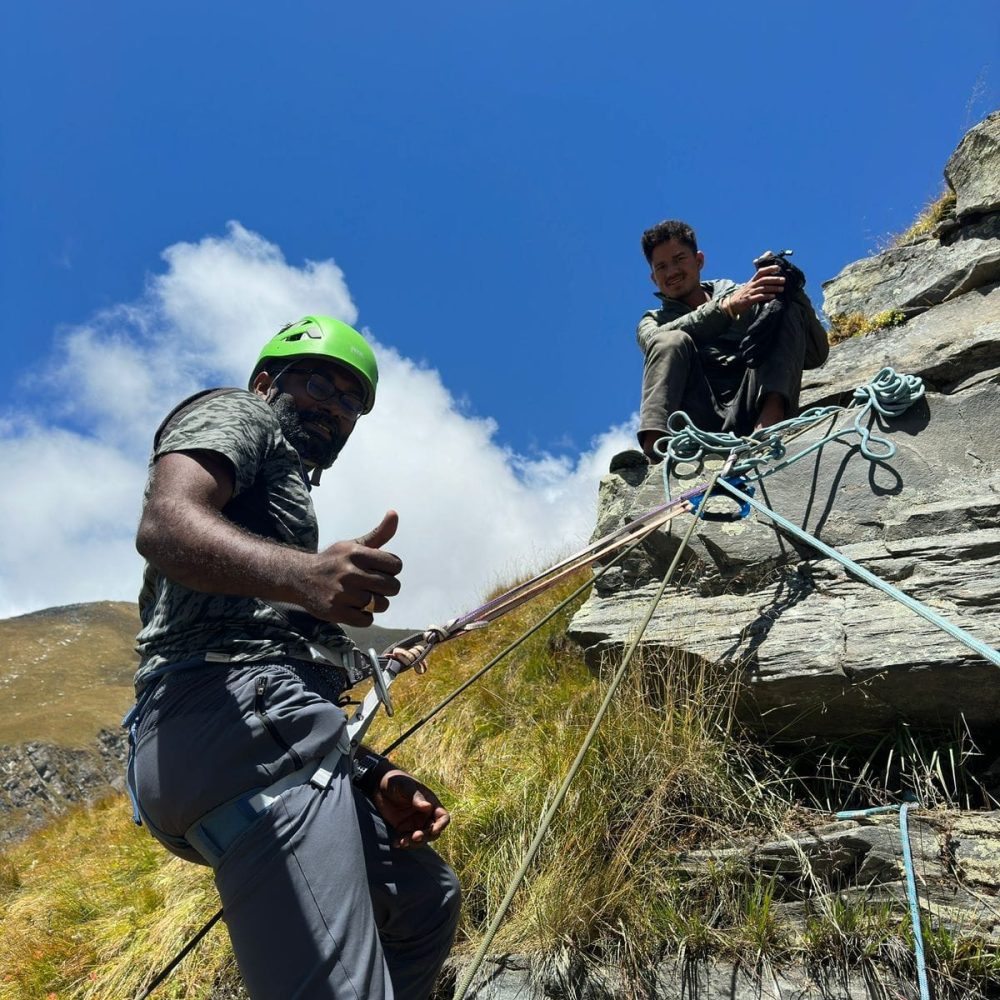
Climbing Black Peak (6,387m) is considered a technically challenging 6,000-meter expedition — suitable for experienced trekkers, amateur mountaineers, or climbers preparing for 7,000m+ peaks.
Physical Fitness Required
Participants should be able to:
- Trek for 6–8 hours a day for 10+ days with a 7–10 kg backpack
- Withstand sub-zero temperatures, wind chill, and high-altitude fatigue
- Perform physically under low oxygen (~50% O2 at summit)
We recommend at least 2–3 months of pre-expedition training: cardio (running, stair climbing, cycling), strength conditioning (legs & core), and some exposure to high altitude if possible.
Technical Requirements
The route includes:
- Crevasse-riddled glacier travel (roped-up movement)
- Snow slopes of 50–70° gradient requiring crampons, fixed rope ascent (jumar), and ice axe use
- A final vertical ice face before the summit (fixed rope + belay)
- Load ferry and gear management above 4,500m
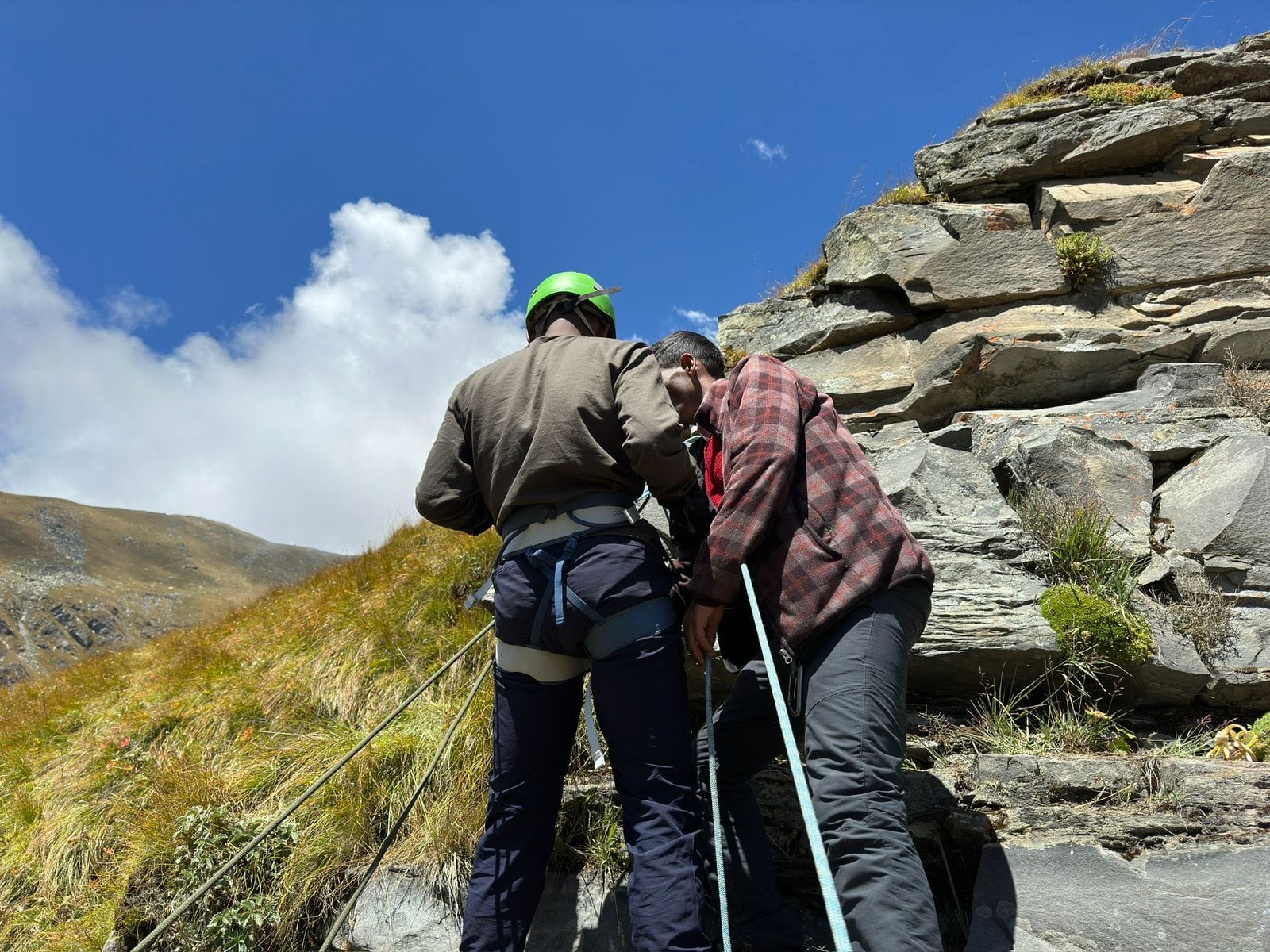
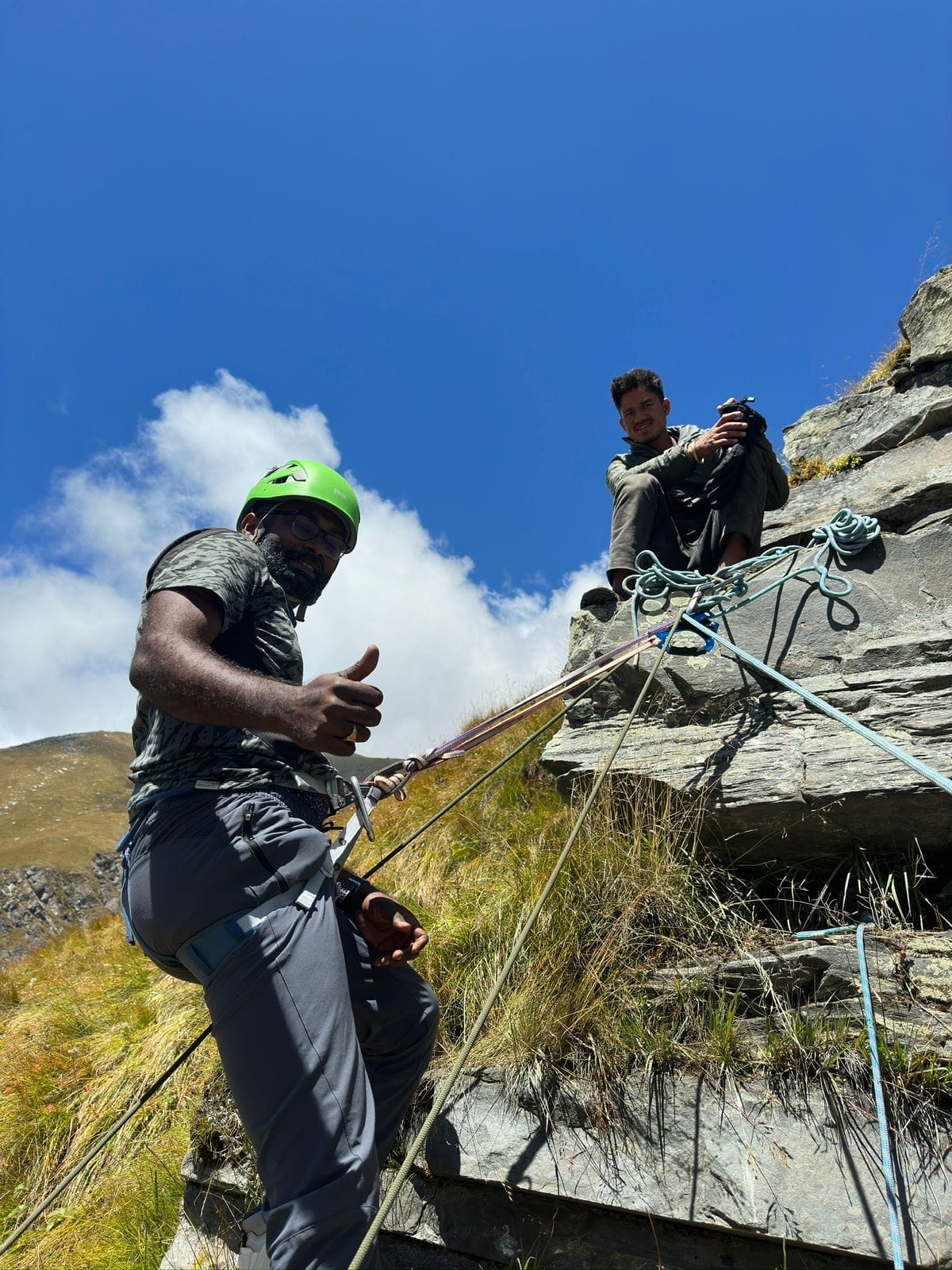
No prior climbing certification is mandatory, but previous experience with gear like harness, crampons, jumar, ice axe is highly recommended. We provide training at Base Camp and Camp 1 before the summit push.
Who Is This Expedition For?
This expedition is for those who are ready to go beyond the basics — to leave behind comfort and predictability and enter the real world of mountaineering.
It’s for:
- Trekkers who’ve already done 5,000m+ high-altitude treks or non/semi technical climbs and are looking to step into the world of technical climbs
- Aspiring 7,000m or 8,000m climbers preparing for peaks like Mt. Nun, Lenin Peak, Ama Dablam, or even Everest
- Global mountaineers who want a quieter, less-commercialized but technically rich 6,000er experience in the Indian Himalayas
- Photographers, documentary makers, and storytellers seeking dramatic terrain, raw Himalayan light, and offbeat access
- Fit adventurers who may be new to mountaineering, but are willing to train, listen, and push their limits under expert supervision
- Solo climbers, international groups, or private teams seeking a custom batch and flexible logistics
This is not a sightseeing trek or a leisurely stroll through the hills. Black Peak is for those who value challenge, endurance, and that indescribable summit moment when everything else falls away — and it’s just you, your breath, and the sky.
Dates Available
DATES |
AVAILABILITY |
|---|---|
September
|
Slots Available
|
October
|
Slots Available
|
Trek Fee: ₹80,000 + 5% GST per person
(This includes everything – comfortable stays, delicious meals, permits, expert guides, and more, as detailed in the Inclusions above.)
To Confirm Your Spot:
Click the Book Now button below to proceed with your booking. You’ll have the option to select your preferred dates and any optional add-ons on the next page.
Something Else In Mind?
We get it — adventures should feel personal. We’re here to co-create a version of this journey that feels right for you.
Start on your preferred dates
Custom inclusions & stay options
Tweak the itinerary or route
Plan a private group experience
Fill out the form or drop us an email at mail@outdoorwhisperer.com with your questions & requirements, and we’ll get back to you as soon as possible. For a quicker response, feel free to reach us directly at +91-8285967537.
Send Us Your Query
Why Outdoor Whisperer?
We do things a bit differently — and proudly so. We don’t chase numbers; we focus on depth, care, and quality. Each trek is meticulously planned, and organized with warmth, care, and an unwavering focus on your safety. From pre-trek online briefings to carefully curated experiences on-ground, we believe the best adventures are the ones that feel like they were made just for you.
Founder-led Journeys
Every batch is personally led by our founding team — not outsourced. We’re deeply involved in your journey, from planning to trail.
Quality Over Quantity
We run fewer batches on purpose. It lets us focus on doing each trek really well, with attention to detail, better care, and stronger group vibes.
Designed With Heart
We thoughtfully craft each batch to feel personal — with small surprises, better pacing, and meaningful touches that make the journey feel your own.
Safety Comes First
From altitude protocols to evacuation readiness, our on-ground team is WFR-certified, highly experienced, and well-versed with Himalayan conditions.
Pre-Trek Online Briefing
Before every departure, we host detailed virtual briefings so you're mentally and logistically prepped for what lies ahead.
Transparent Pricing & Terms
No hidden charges. No unpleasant surprises. We only offer what we’d want for ourselves — quality, integrity, and care.
What To Pack?
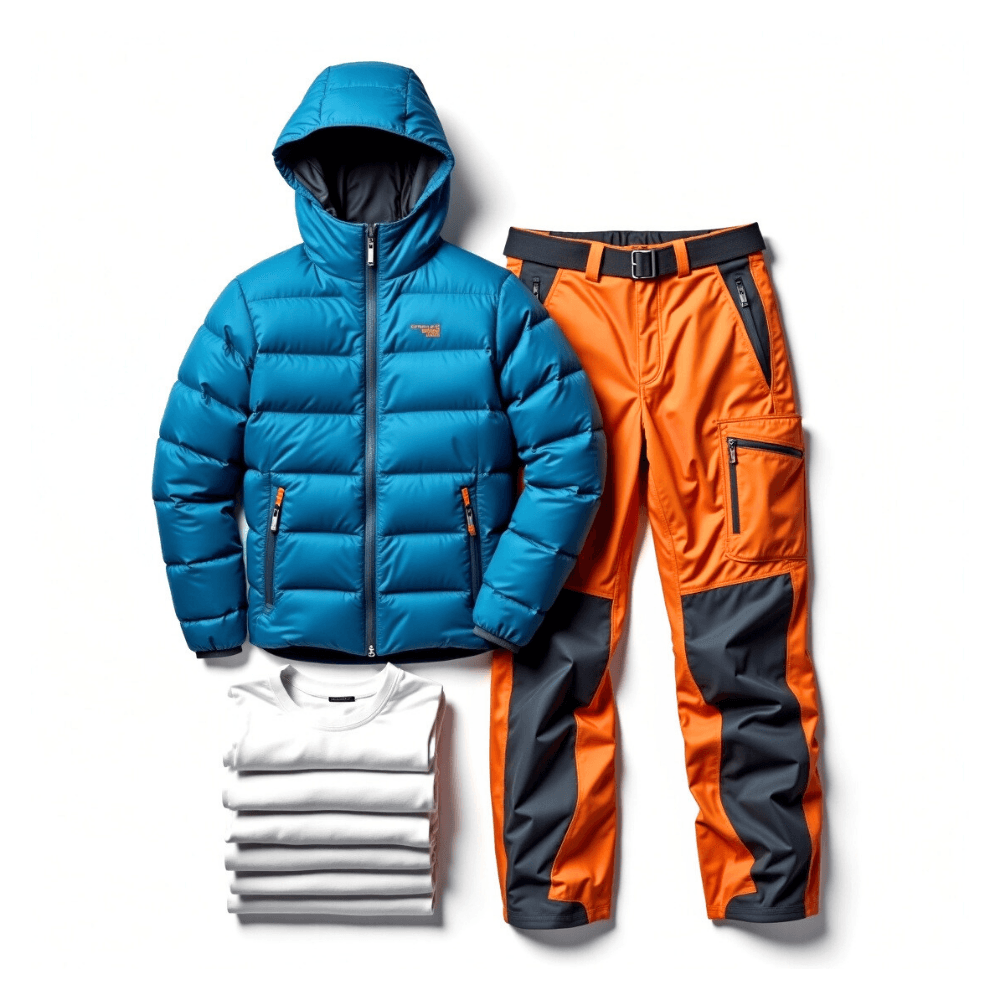
This list includes everything you’ll need from Day 1 in Sankri to Summit Day and return. The weather can range from +20°C in the valley to -20°C near the summit, so each item matters. All climbing gear is provided in the package — but you’ll need your own personal clothing and trekking essentials.
Clothing – Layer Up Smart
Base Layer (Wicking Layer)
- 2 full-sleeve thermal tops (synthetic/merino wool)
- 2 thermal bottoms (base layer leggings)
Mid Layer (Insulating Layer)
- 1 fleece jacket or down sweater (lightweight)
- 1 full-sleeve woolen or polyester sweater
- 1 synthetic or feather-down jacket (for Base Camp and above)
Outer Layer (Shell Layer)
- 1 waterproof windproof jacket (Gore-Tex or similar)
- 1 waterproof windproof pant (Gore-Tex or similar)
Trekking Clothes
- 2 pairs trekking pants (quick-dry)
- 1 pair thermal or softshell pants for high altitude
- 2–3 dri-fit t-shirts (full sleeve preferred for sun protection)
- 1–2 synthetic underwear (avoid cotton)
Gloves & Hand Protection
- 1 pair lightweight inner gloves (wool or fleece)
- 1 pair waterproof insulated gloves/mittens (essential for summit)
- 1 extra liner gloves (optional but useful)
Footwear & Accessories
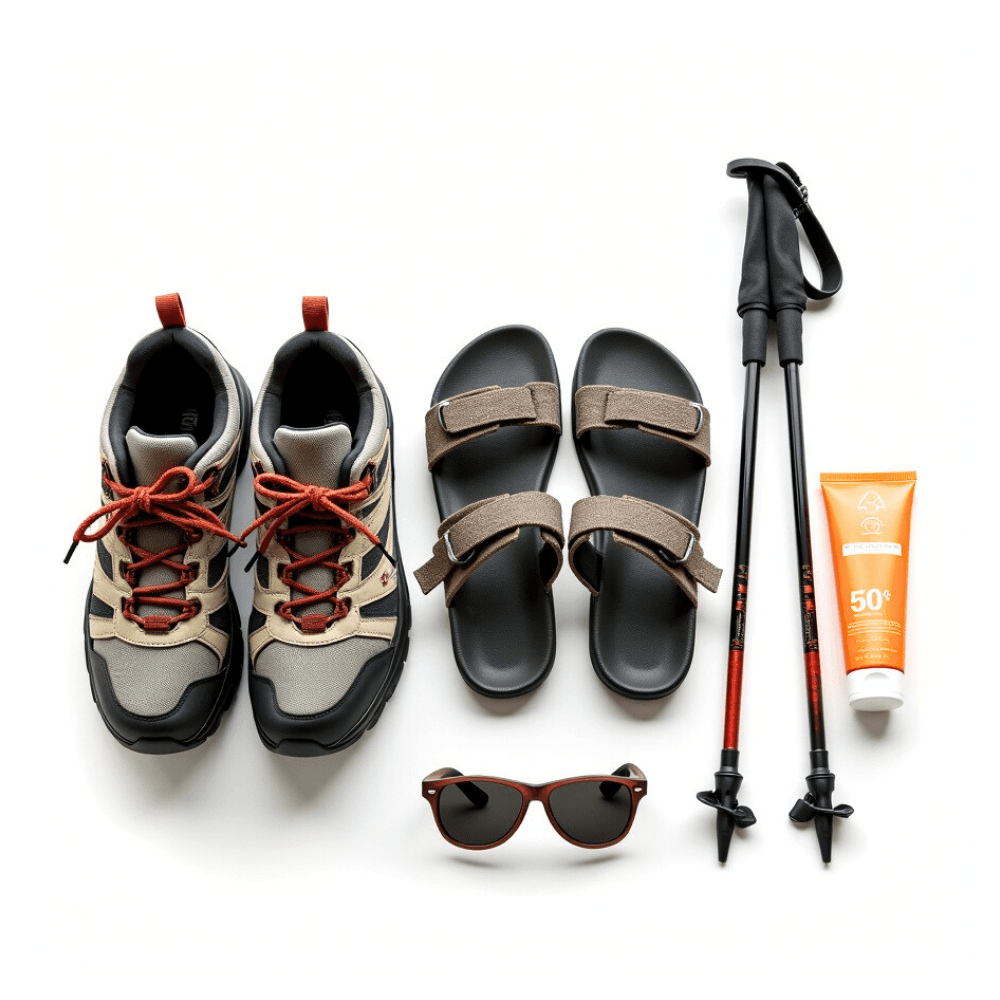
- 1 pair sturdy high-ankle trekking shoes (used/broken in)
- 1 pair expedition climbing boots (provided by us)
- 2–3 pairs merino or woolen trekking socks
- 2 pairs thick high-altitude socks (for summit push)
- 1 pair thin liner socks (for layering)
- 1 pair sandals/slippers (for campsites)
- 1 sun cap / wide-brim hat
- 1 woolen beanie or balaclava
- 1 neck gaiter / buff / fleece scarf
- UV-protection sunglasses (category 3 or 4, glacier glasses recommended)
Gear & Packing Essentials
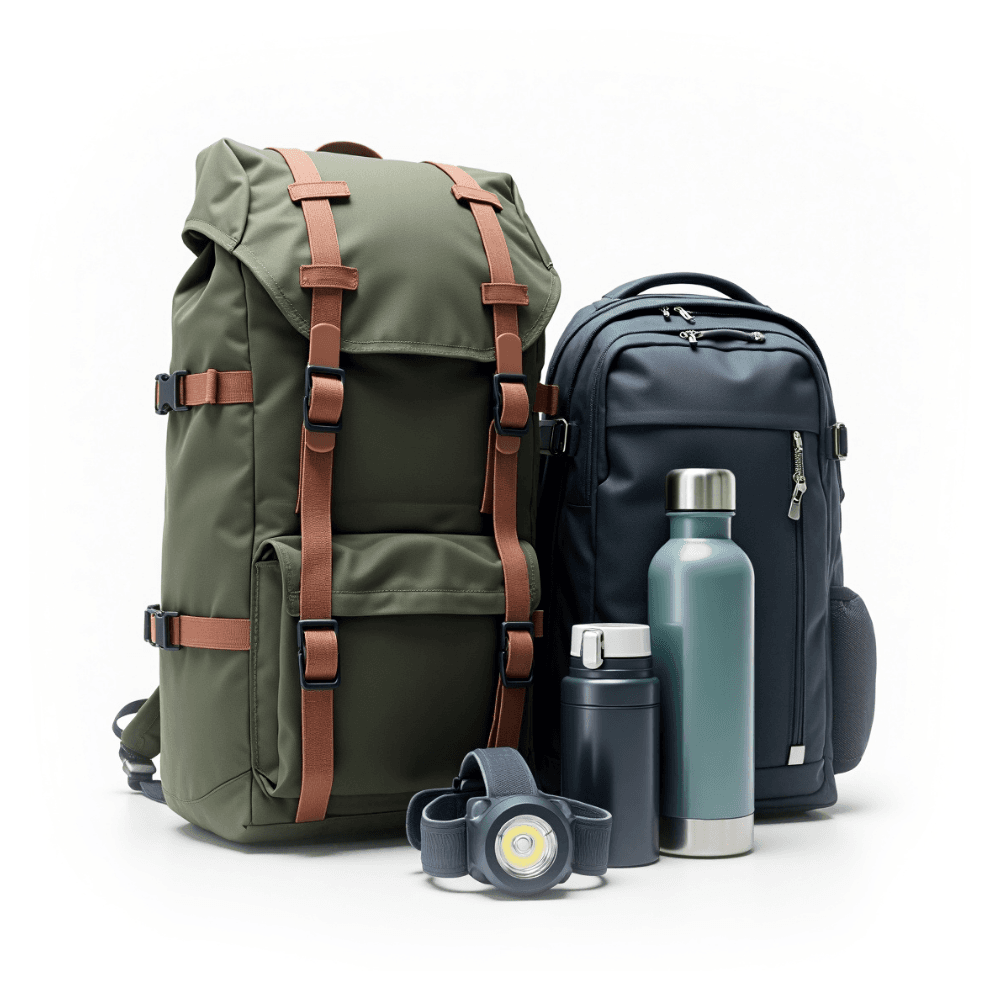
- 50–60L backpack with good back support & rain cover
- Small 20–25L daypack – for optional Chandratal visit or summit day (if carrying own load)
- Headlamp with extra batteries
- Water bottles (2L total capacity) or hydration bladder
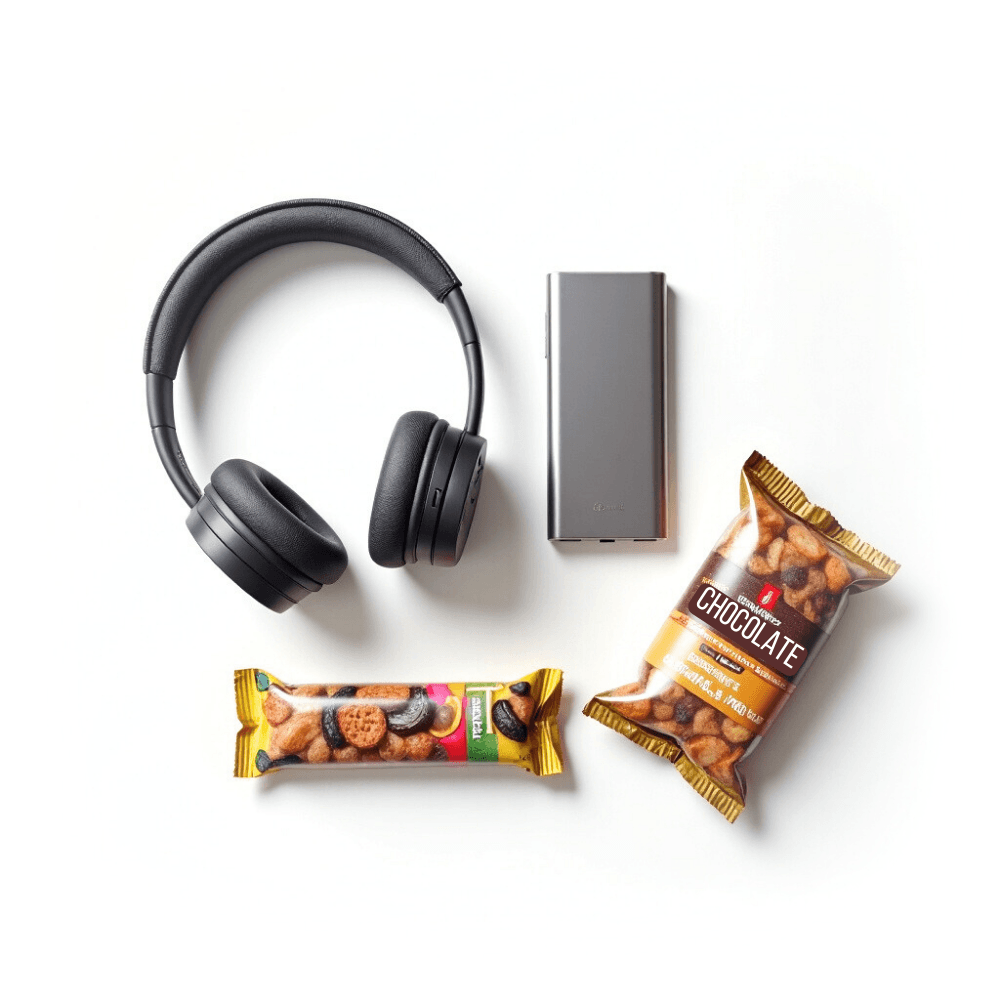
- Power bank + charging cable
- Dry bags or packing cubes – to keep things organized and dry
- Passport-size photos + ID copy (for permits)
- Small lock – for hotel luggage or bag security
- Tiffin box / snack box (for packed lunch)
Cash (for Sankri market or café stops; ATMs not reliable)
NOTE: All cutlery, cups, and utensils are provided by us. No need to carry personal lunchboxes or mugs.
Personal Hygiene & Toiletries
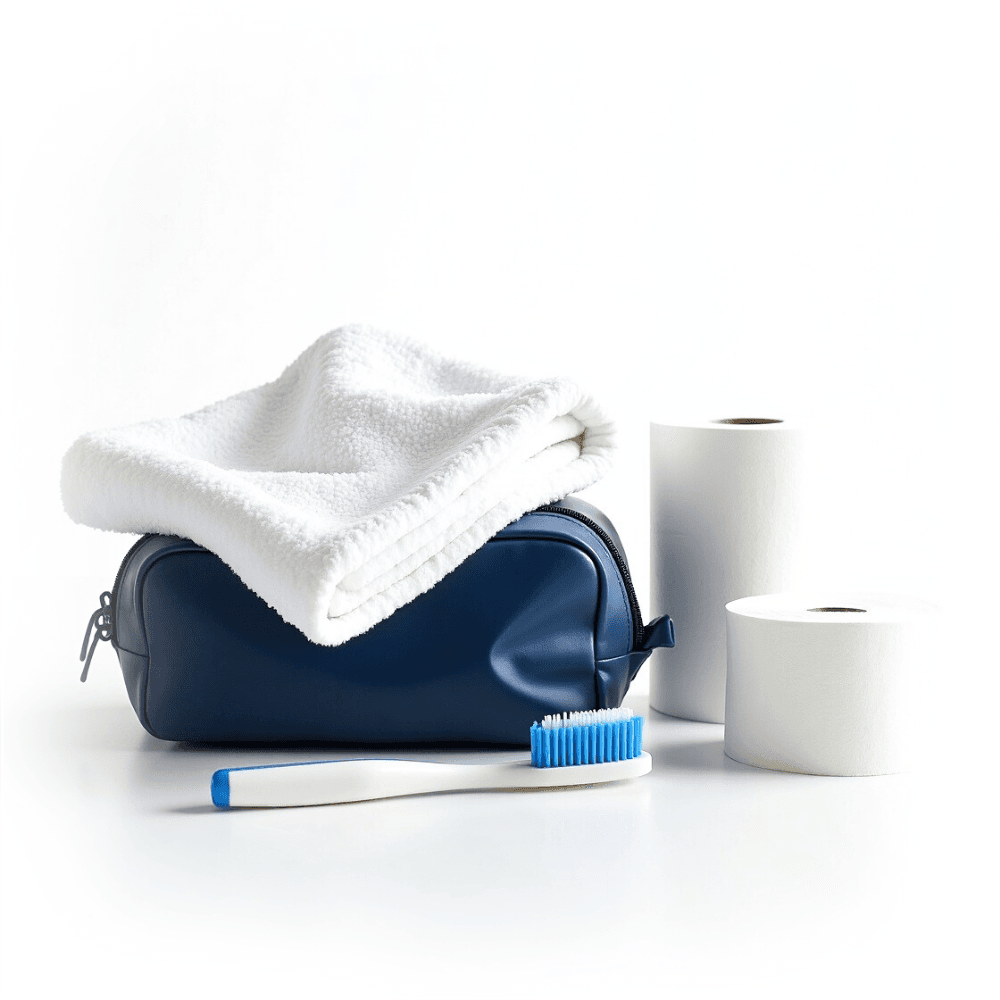
- Toothbrush + toothpaste
- Quick-dry towel or small microfiber towel
- Biodegradable soap or soap strips
- Toilet paper + tissues
- Hand sanitizer + wet wipes
- Nail cutter + comb
- Menstrual hygiene products (if applicable)
- Small pouch for toiletries

Health & Medical Kit
- Diamox (Acetazolamide) – for altitude (consult your doctor)
- Personal medication (for asthma, diabetes, etc.)
- Basic painkillers – Combiflam, Crocin
- Band-aids, blister patches
- Antiseptic ointment
- ORS/Electrolyte sachets
- Anti-diarrheal tablets
- Antihistamines (if you have allergies)
Extras & Good-to-Haves
- Energy bars, dry fruits, OR homemade trail mix
- Notebook + pen (great for journaling!)
- Playing cards or small game for downtime
- Lightweight reading book or Kindle
- Eye mask + earplugs (for light sleepers)
- Camera + spare batteries/memory card
NOTE: Climbing Gear including Mountaineering boots (plastic or insulated double boots), Crampons, Climbing harness, Helmet, Ice axe, Gaiters, Carabiners & safety ropes, Jumar / ascender device, Ropes, anchors, snow stakes & belay devices (group gear) are Provided by Us.
You may bring your own climbing gear if preferred. Please inform us in advance if you choose not to use our gear.
Common Questions
Black Peak is one of the most challenging 6000m+ expeditions in India. It involves steep snow slopes (up to 70°), glacier traverses, fixed rope climbing, and summit-day exposure to extreme weather and altitude. It’s best suited for those who’ve already done high-altitude treks and are now ready to step into real mountaineering.
Yes, some prior experience with high-altitude treks (above 5,000m) is strongly recommended. If you’ve used crampons or done basic technical training, that’s a big plus. However, we also offer basic rope and equipment orientation during the expedition, especially at Base Camp and Camp 1.
There are two climbing windows: May to June (pre-monsoon) and September to mid-October (post-monsoon). The weather is generally more stable, skies clearer, and snow more manageable during these months.
Temperatures at higher camps (Camp 2 and Summit Camp) can drop to -15°C to -20°C, especially at night or during early morning summit pushes. Even at Base Camp, nights are often below freezing. Proper layering and insulation are essential.
Yes, it's a semi-technical to technical climb, especially from Camp 1 onward. You'll be walking on glacier, using crampons, jumaring on fixed ropes, and ascending steep icy sections during the summit push. It’s not a trek — it’s real mountaineering.
You need to be in excellent physical condition. This means 2–3 months of consistent cardio (running, swimming, cycling), strength training, and ideally some exposure to hiking with a 10–12kg backpack. Your body should be ready for multiple days of climbing in low oxygen.
The summit of Black Peak is at 6,387 meters (20,955 feet). You’ll sleep at progressively higher altitudes: 2,560m in Osla, ~3,900m at Base Camp, 4,600m at Camp 1, 5,100m at Camp 2, and finally 5,500m at Summit Camp.
On guided, well-supported expeditions, success rates average 60–70%, depending on weather, fitness, and acclimatization. Our team builds in a buffer day and acclimatization walks to give you the best chance of reaching the top safely.
You’ll start with forests and river trails, then move into meadows and moraine, and eventually tackle snowfields, glaciers, and steep ice slopes. From Day 5 onward, you’re in alpine terrain, and from Camp 1 upward, it’s fully snow/glacier-based climbing.
Expect to walk or climb for 4 to 7 hours per day on most days. On summit day, you’ll climb for 10–12 hours, including a midnight start, steep icy ascents, and return descent. Rest and load ferry days are shorter but still physically demanding.
Mobile signal is available up to Sankri and occasionally at Osla. Beyond that, you’ll be completely off the grid. There’s no internet or mobile signal from Day 3 onward — a rare chance to disconnect and be fully present.
We highly recommend it — especially for foreign climbers. Your insurance should cover high-altitude trekking/mountaineering (up to 6,500m), evacuation, and trip cancellation. For Indian climbers, we offer optional outdoor insurance as an add-on.
We serve vegetarian, nutritious meals – hot, fresh, and tailored for altitude. Think dal-chawal, roti-sabzi, khichdi, poha, soup, pasta, tea/coffee, and energy drinks. At higher camps, meals are simplified but energy-rich to support summit effort.
In Sankri: Local guesthouse with twin-sharing rooms.
On the trail: Alpine tents (twin-sharing) with sub-zero sleeping bags and insulated mats.
At higher camps: Minimalist tent setups, often directly on snow, with toilet tents wherever feasible.
Yes. We provide all essential group and personal climbing gear: mountaineering boots, crampons, harness, helmet, ice axe, ropes, carabiners, gaiters, etc. You don’t need to buy/rent this gear separately unless you want to use your own.
We provide a full expedition-wise packing list (already above). Key categories include: layered clothing, gloves, trekking boots, sunglasses, poles, personal hygiene items, and essential medicines. Keep your pack light but complete.
Yes, we offer limited gear on rent — including down jackets, gloves, poles, and more. Please let us know in advance so we can reserve them for you. Prices vary based on the item.
We set up dry pit or portable toilet tents at each campsite. At higher camps (Camp 2/Summit Camp), you’ll be using snow-dug toilets or minimal setups. Please carry toilet paper and maintain hygiene practices. No flushing toilets beyond Sankri.
You can opt to offload your backpack by pre-booking a porter or mule. This is charged additionally and is available for the entire trek (not on the summit push). Most climbers carry their own gear above Base Camp for safety and acclimatization.
In case of AMS, injury, or exhaustion, our team will initiate emergency descent, administer first aid and oxygen, and coordinate with local porters for evacuation. All related costs (transport, hotel, gear) will be borne by the participant.
Absolutely. Many climbers join solo and become part of a like-minded team. We ensure you’re grouped with others based on pace, experience, and comfort. If you’re looking for private or custom batches, we can arrange that too.
There’s no strict upper age limit, but participants must be in great physical and mental shape. We’ve had climbers in their 50s and even 60s attempt such peaks successfully. Medical fitness and recent high-altitude exposure help determine suitability.
Minimum age is 18 years. In special cases (experienced 16–17-year-olds with prior 5000m+ treks), exceptions can be made after a fitness screening and parental consent.
We provide shared transport from Dehradun Railway Station or ISBT on Day 1. The drive is around 8–10 hours via Mussoorie, Purola, and Mori. The same vehicle brings you back on Day 15.
Jolly Grant Airport (DED) in Dehradun is the nearest. It's well-connected to Delhi and other Indian metros. International climbers can fly into Delhi and take a connecting flight to Dehradun.
Yes. Our itinerary is structured with gradual altitude gain, a rest day at Base Camp, and load ferry days to build acclimatization. We also do health checks using oximeters and closely monitor your condition throughout.
If you’re not offloading your backpack, expect to carry 8–12 kg (includes personal clothes, gear, and water). For summit push days, you’ll carry only essentials, but technical gear like crampons and harness will add some weight.
We recommend at least 8–10 weeks of structured training, including:
- Cardio (running, cycling, stair climbing) – 5 days a week
- Leg & core strength workouts (squats, lunges, planks)
- Long hikes with a loaded backpack (once a week). Climb with a weighted pack and simulate long days to train endurance.
Yes, mild AMS is common at altitudes above 3,500m. Headache, nausea, loss of appetite are early symptoms. We help manage it through hydration, gradual ascent, rest days, Diamox, and careful monitoring. Severe AMS cases are evacuated promptly.
Please consult your doctor before signing up. Share your medical history and current prescriptions with us at the time of registration. Many common conditions (e.g., asthma, mild hypertension) can be managed with planning — but approval depends on the nature and severity.
In lower regions (Sankri to Osla), you might see langurs, Himalayan monals, or barking deer. In alpine zones, marmots, blue sheep, Himalayan foxes, and birds of prey are more common. It’s rare but not impossible to spot bear or leopard tracks.
We follow a strict Leave No Trace policy. All biodegradable and non-biodegradable waste is collected and brought back to Sankri. You’re requested to carry a personal trash pouch and dispose of hygiene items responsibly.
Yes, successful participants receive a Certificate of Completion from Boots & Crampons. For those attempting summits, the certificate includes the peak, route, altitude, and summit status.
We keep group sizes intentionally small: usually 8 to 14 participants. This helps with team management, safety, personalized attention, and better acclimatization pacing.
Only at Sankri or Osla (if staying in a homestay). Once you move beyond, there are no charging facilities. Carry extra batteries or a solar charger for your devices. Keep electronics warm in your sleeping bag to preserve battery life.
Yes — we regularly host climbers from the US, UK, Europe, and Asia. Our team can assist with permits, travel planning, gear rental, airport pickups, and more. We also provide a breakdown of additional charges applicable to foreign nationals.
Aside from standing on top of a 6,387m peak? It’s the raw, untouched beauty of the Ruinsara Valley, the purity of the glacier climb, and the silence of high-altitude wilderness. There are no crowds, no shortcuts — just you, the mountain, and your willpower.
We understand that plans can change, and we try to keep our cancellation policy fair and transparent. Depending on how close to the departure date you cancel, partial refunds are possible, and we also offer options to transfer your booking to a future trip in certain cases.
For the full breakdown of timelines, conditions, and refund details, please check out our complete cancellation policy here: