
Kailash Mansarovar Yatra 2026
A Sacred Journey to the Abode of Shiva (Via Kathmandu)
Altitude
5,630 m
Trip Type
Jeep + Trek
Duration
13 Days
Starts / Ends
Kathmandu
Fee (Indians)
INR 2,50,000
Overview
The Kailash Mansarovar Yatra: A Sacred Pilgrimage Beyond Boundaries
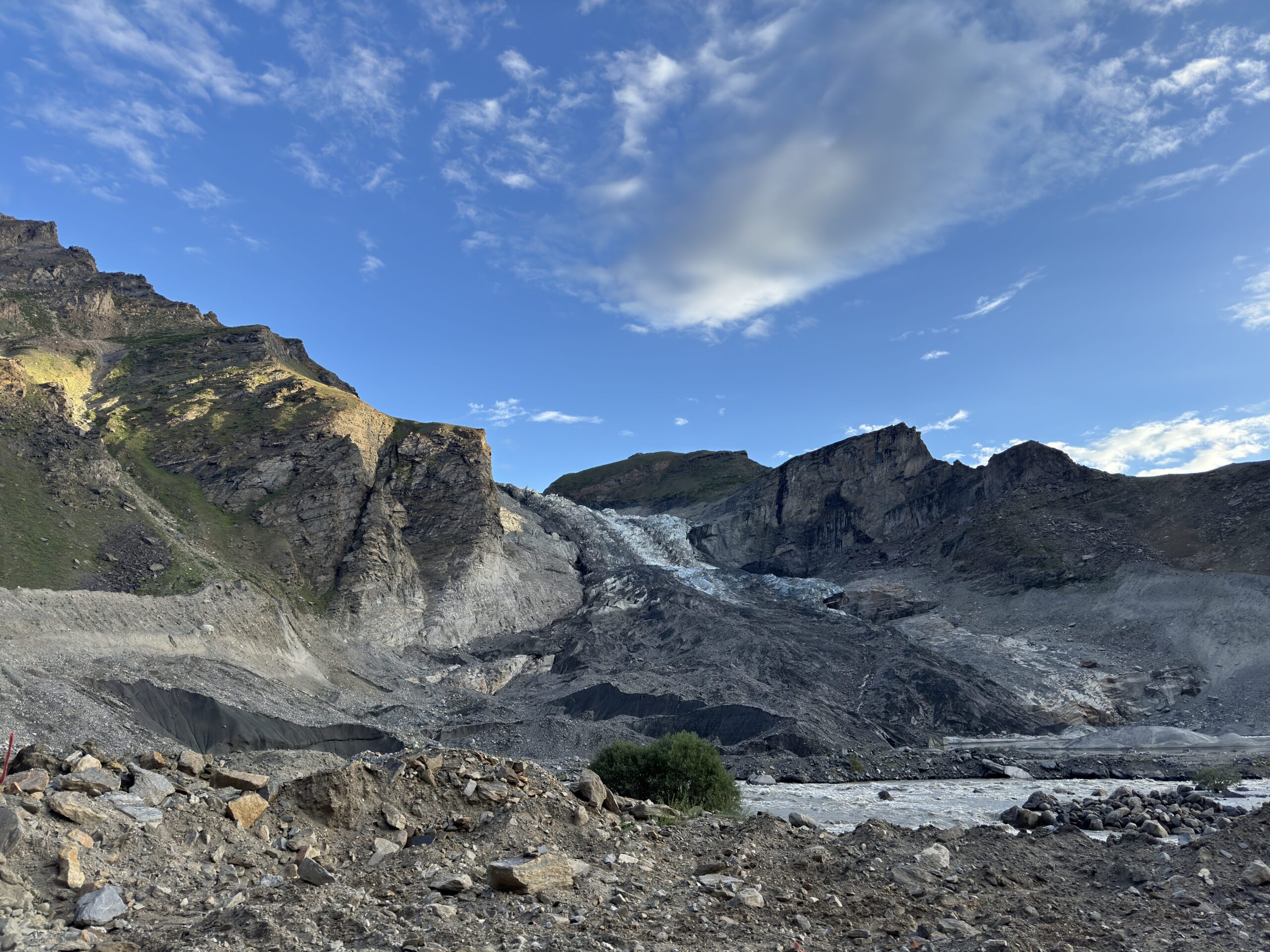
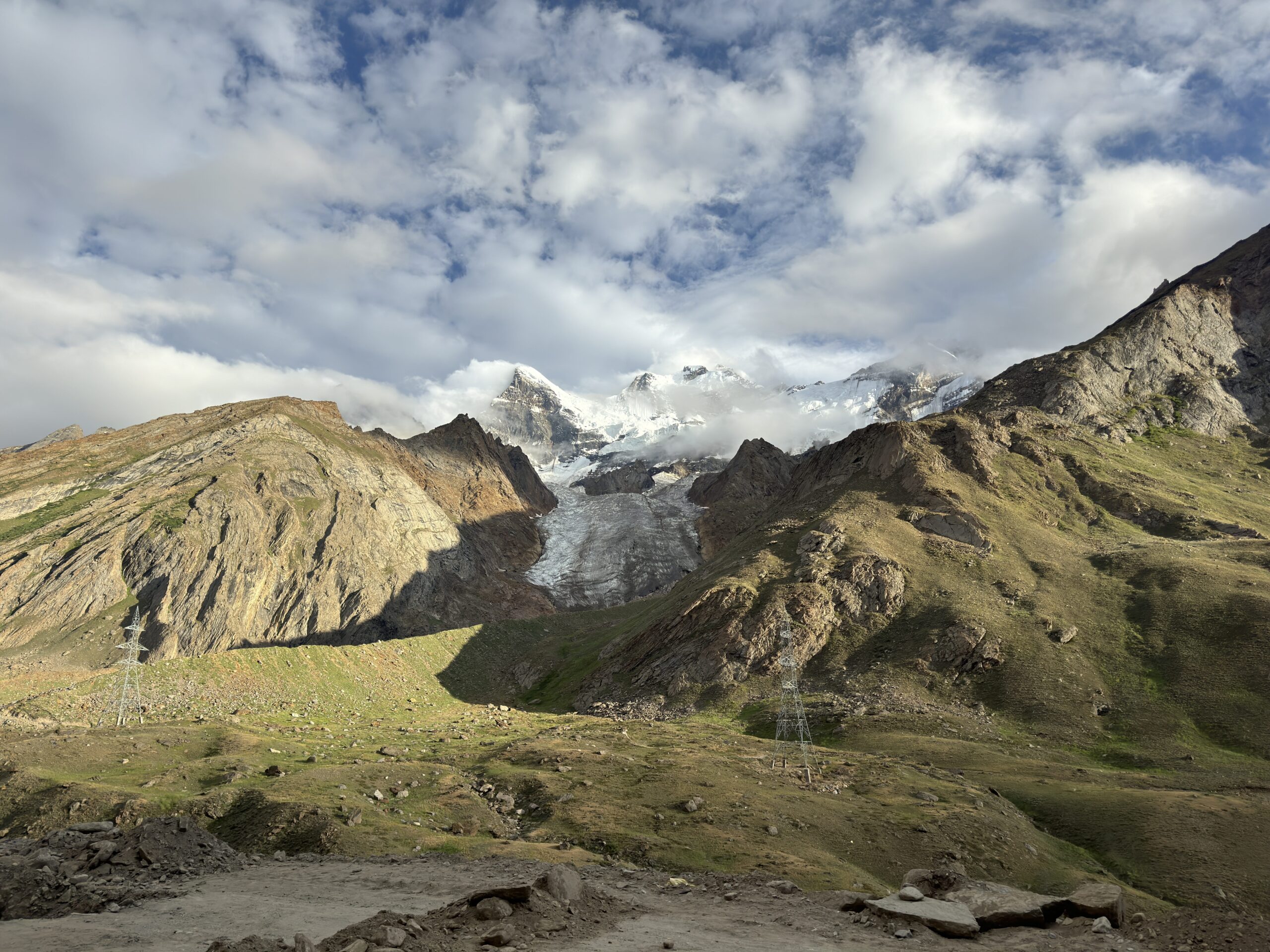
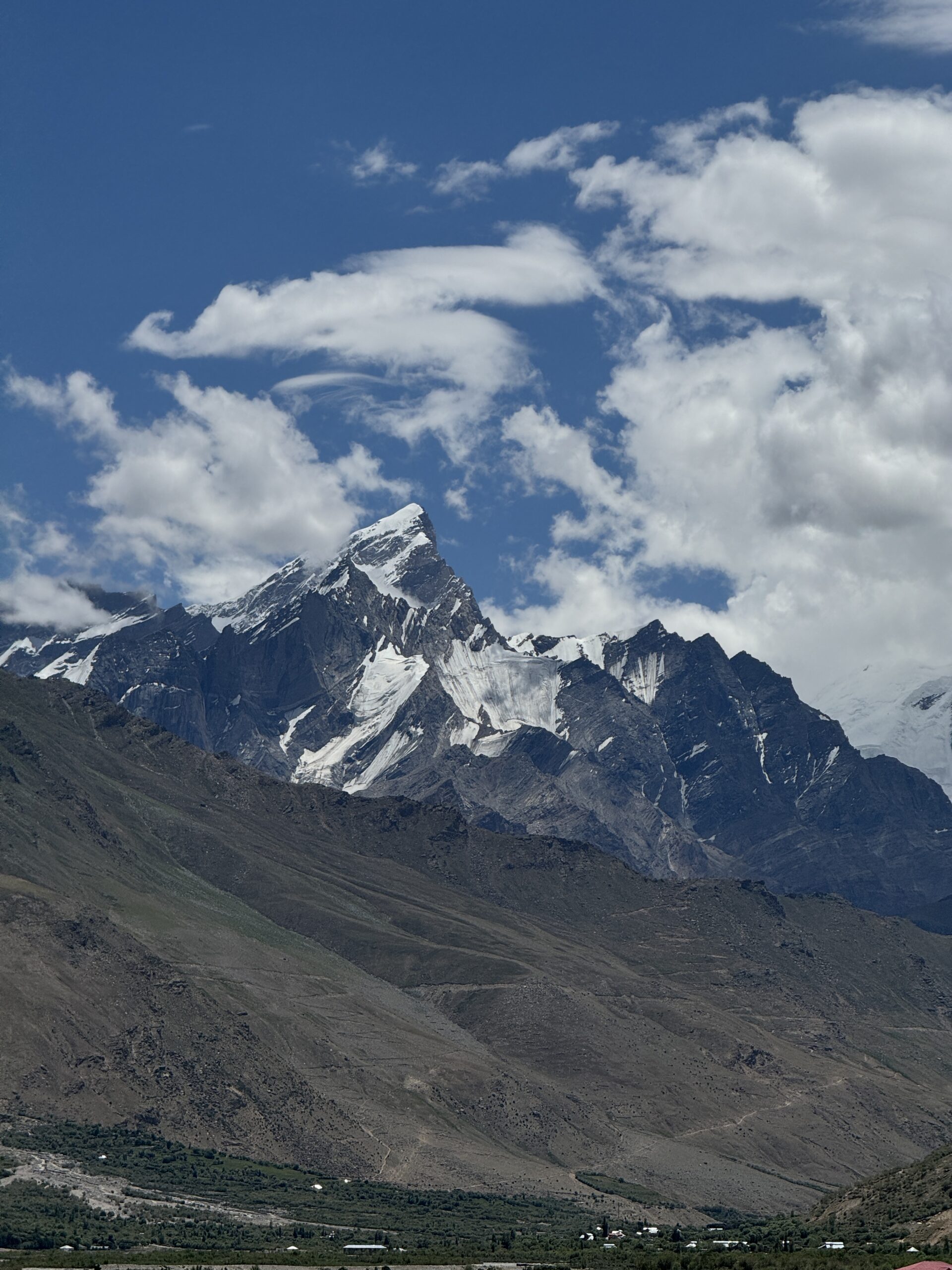
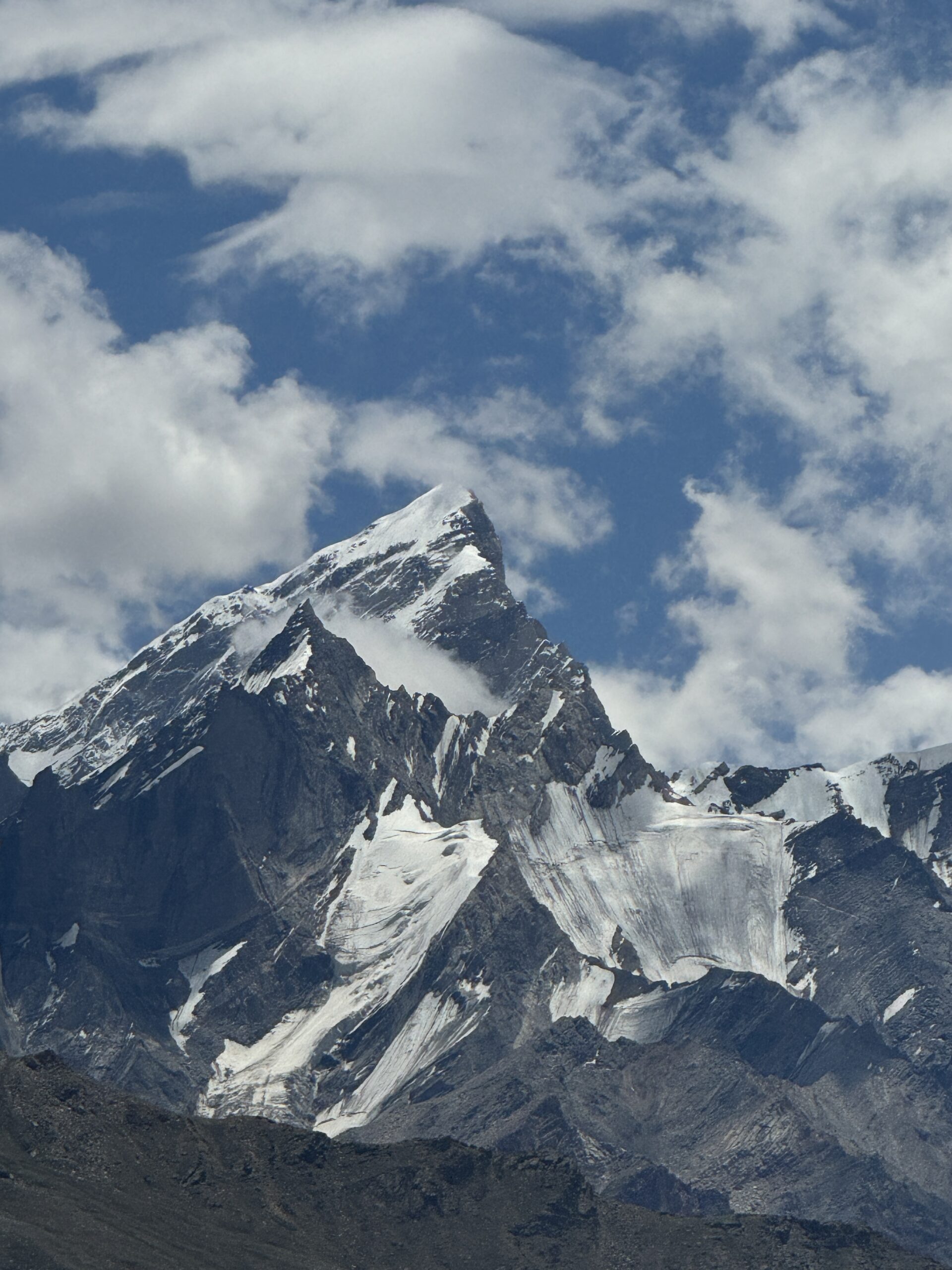
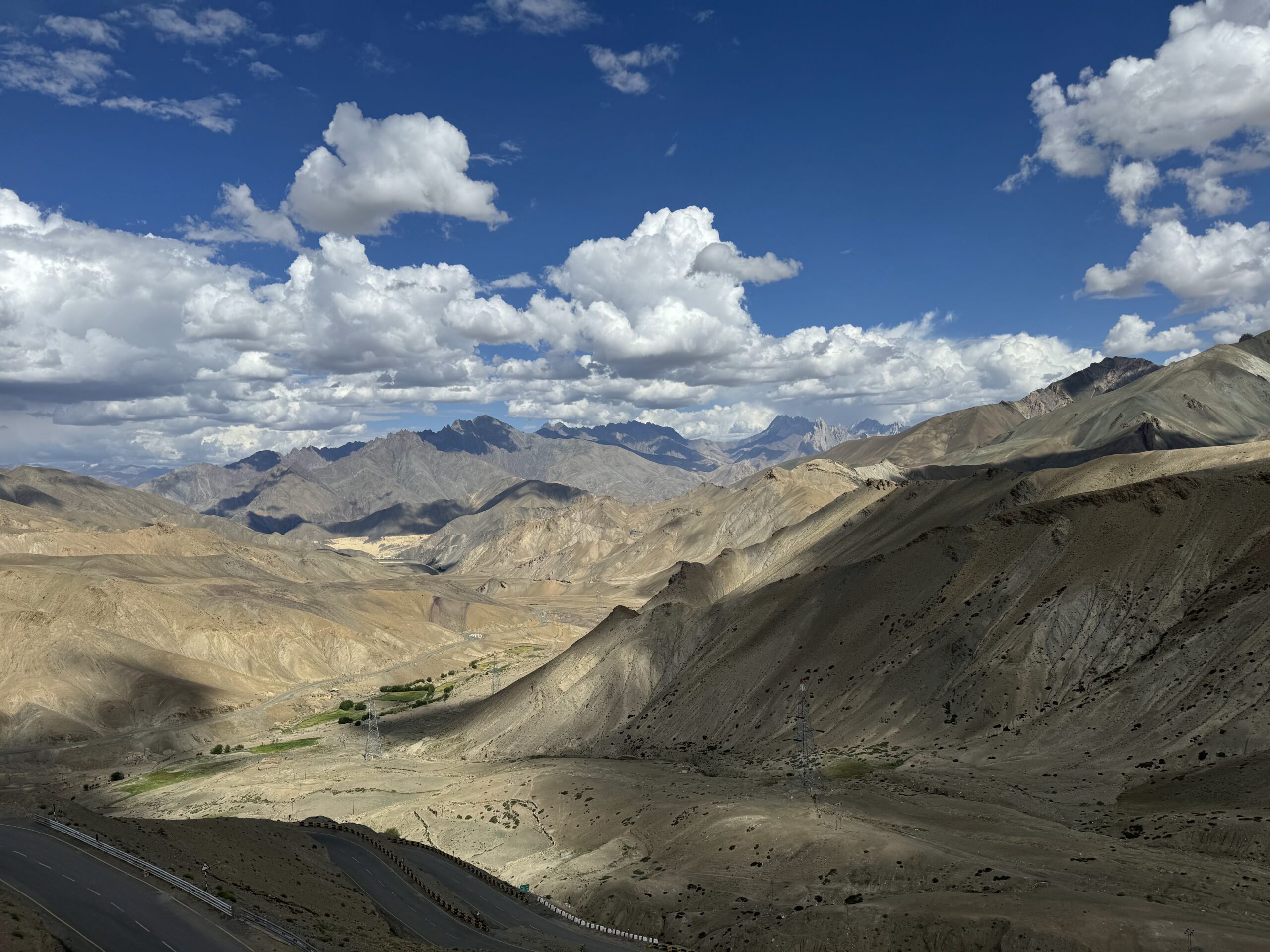
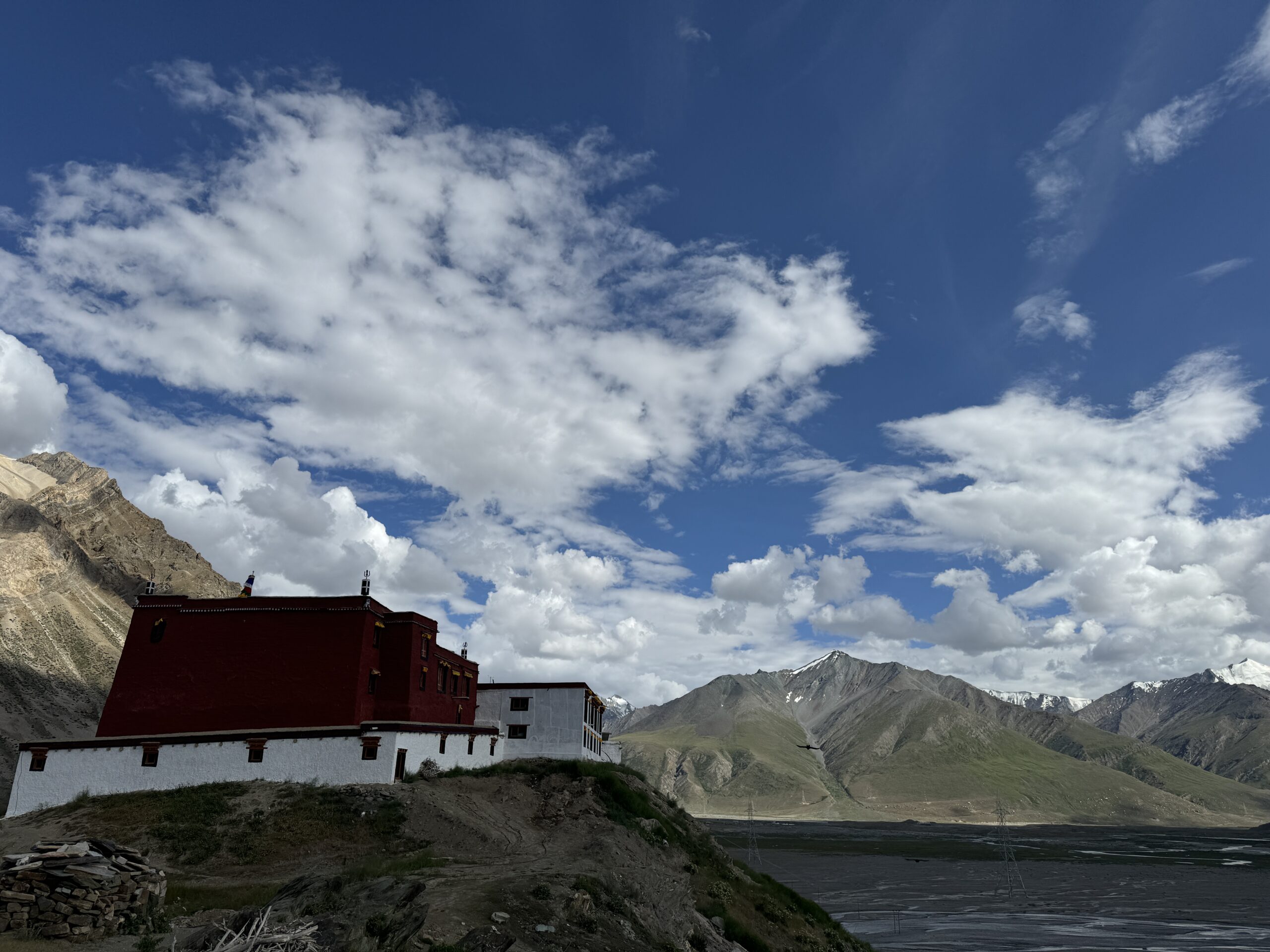
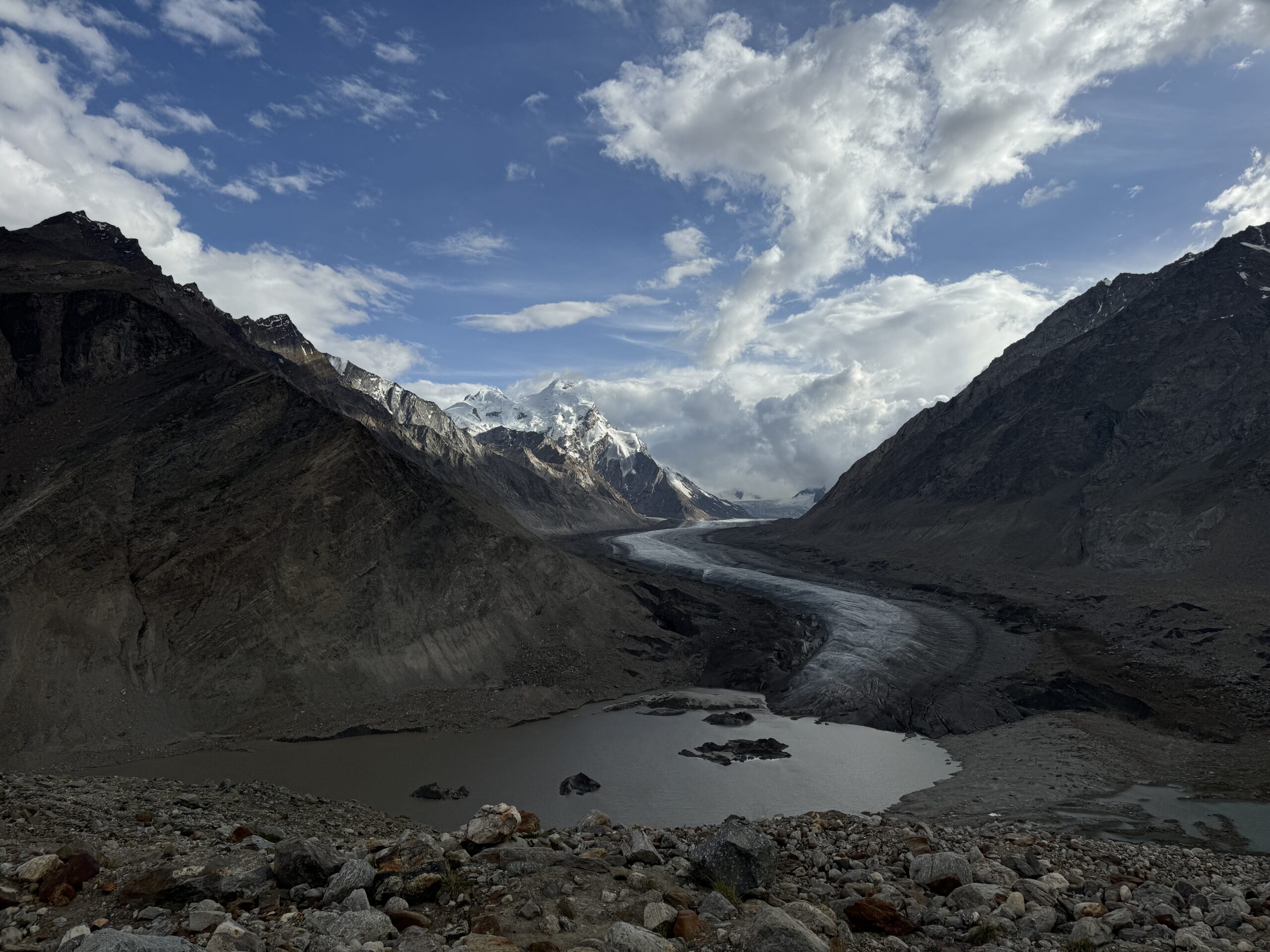
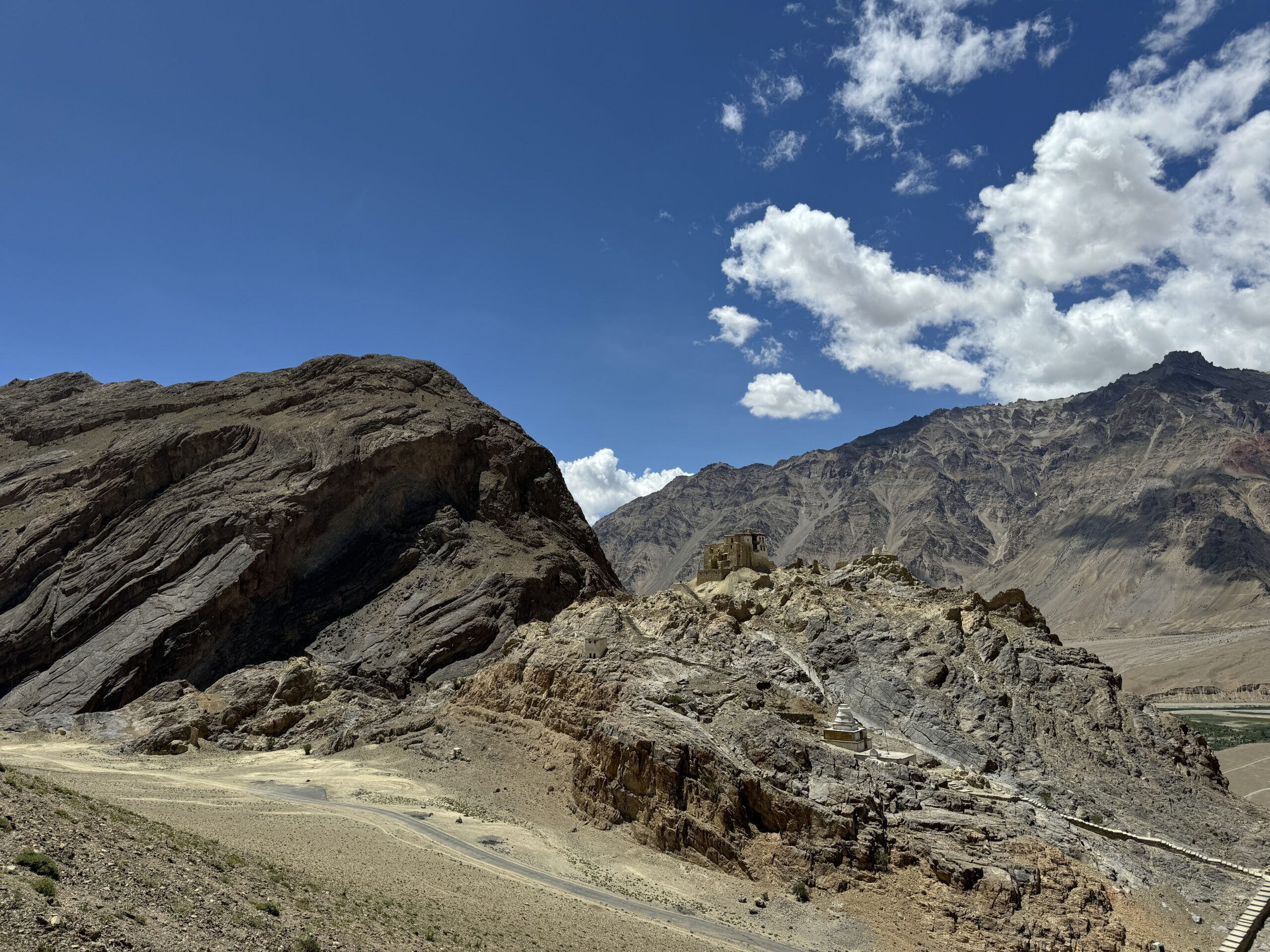
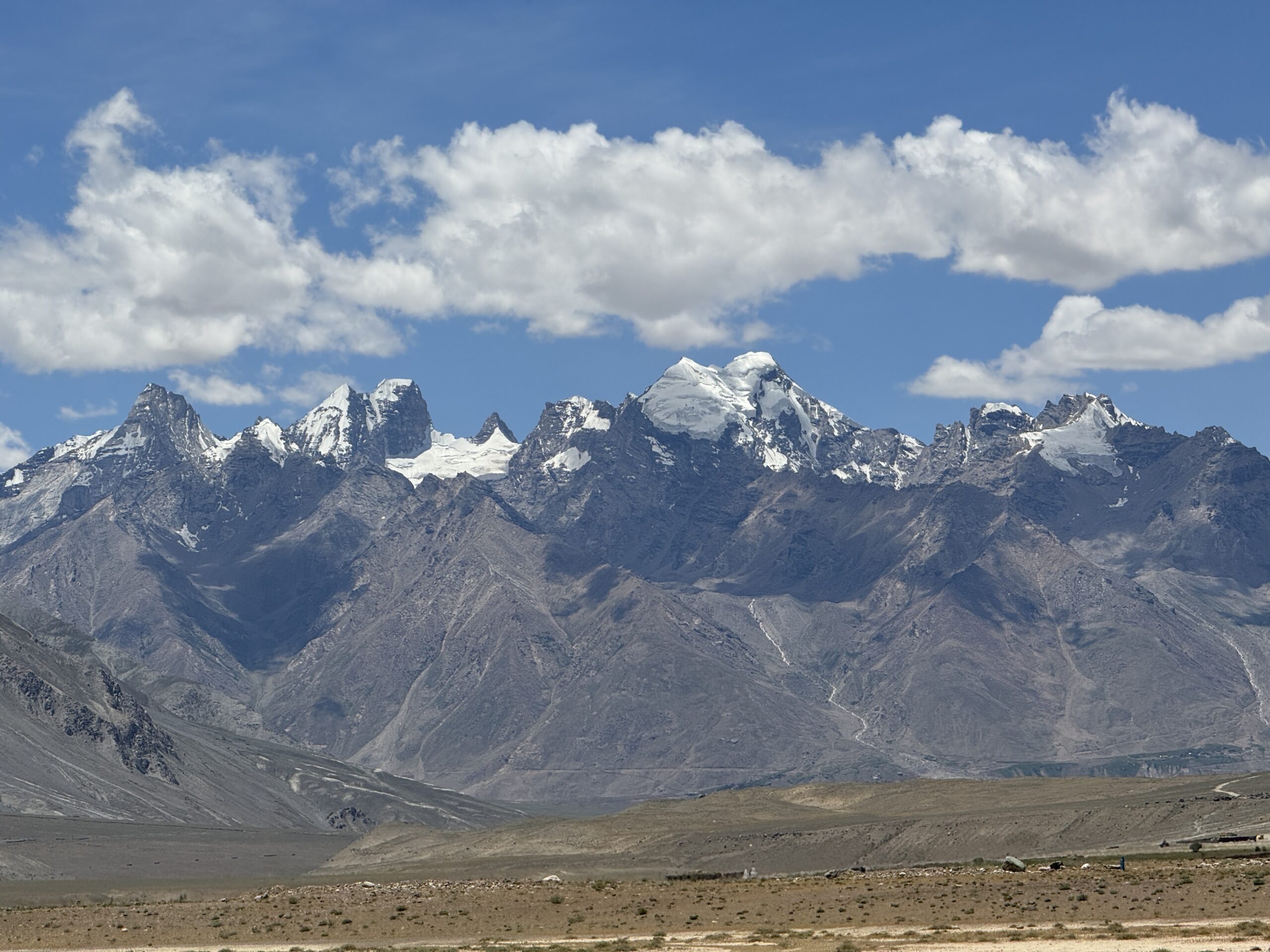
The Kailash Mansarovar Yatra stands as one of the most spiritually profound and physically challenging pilgrimages in the world, drawing thousands of devotees, trekkers, and seekers every year to the remote and mystical highlands of western Tibet. Mount Kailash, a towering, unscaled peak rising to 6,638 meters, holds unparalleled significance across several faiths—Hinduism, Buddhism, Jainism, and Bon. Revered as the cosmic axis mundi, it symbolizes the spiritual center of the universe, where heaven and earth converge and time dissolves into eternity. The adjacent Lake Mansarovar, one of the highest freshwater lakes on earth, is celebrated for its sacred purity and healing powers. Pilgrims who bathe in its pristine waters or perform rituals on its shores believe they are washed clean of their karmic burdens.
READ MORE
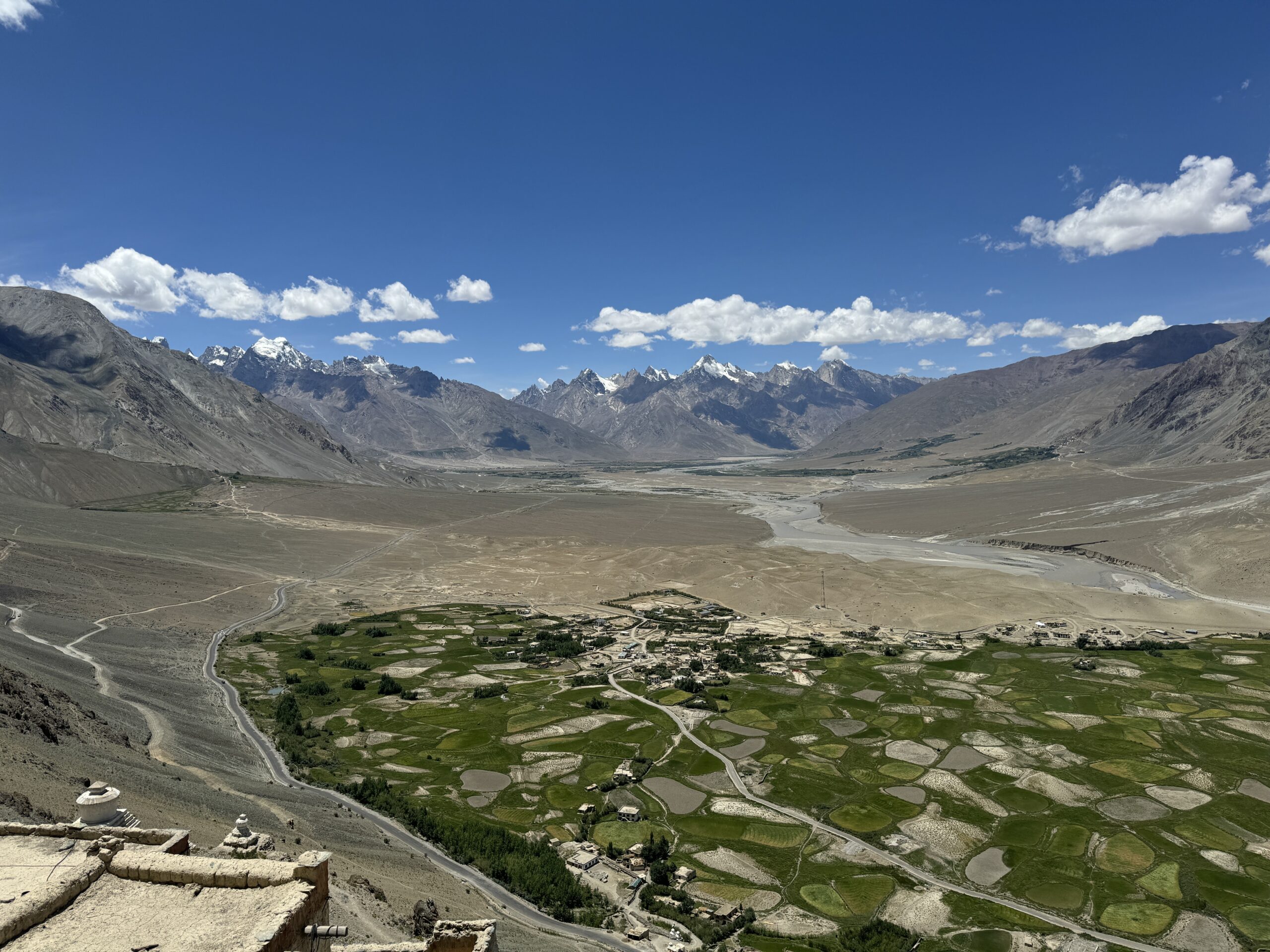
This extraordinary journey is not simply a physical expedition but a deeply transformative spiritual voyage — a sacred quest combining rigorous high-altitude trekking, immersive cultural experiences, and devotional ceremonies. Traversing across rugged Tibetan plateaus, ancient monasteries, and prayer-flag-strewn mountain passes, yatris engage in the revered Kailash Parikrama (circumambulation), a 52 km trek that is believed to purify one’s soul and erase lifetimes of accumulated karma. The pilgrimage challenges not only the body but also the mind and spirit, offering profound moments of reflection, surrender, and renewal in one of the most breathtaking landscapes on the planet.
Given the high-altitude terrain and remote location, the Kailash Mansarovar Yatra demands meticulous preparation, careful acclimatization, and respectful adherence to cultural traditions. The pilgrimage blends adventure with spirituality, making it ideal for travelers seeking a meaningful, once-in-a-lifetime journey that combines physical endurance with sacred significance. Whether you are motivated by faith, a thirst for spiritual awakening, or a desire to witness the sublime beauty of the Himalayas, the Kailash Mansarovar Yatra offers a unique and unforgettable path.


Itinerary
Welcome to Kathmandu, the vibrant gateway to your sacred Kailash journey. Upon arrival, you’ll be warmly received by your expedition team who will introduce themselves and walk you through the exciting days ahead. This day is designed for you to relax from your travels, absorb the city's unique blend of ancient culture and modern energy, and prepare your gear meticulously. Our experts will help you with any last-minute equipment needs, ensuring you are fully equipped for the high-altitude adventure. It’s a day to bond with your fellow travelers, discuss the itinerary in detail, and get mentally ready for the spiritual odyssey.
Altitude: 1,350 m / 4,430 ft
Distance: Minimal city transfer (~6 km)
Duration: 30 minutes drive
Today is dedicated to soaking in the spiritual aura of Kathmandu. The city is rich with sacred sites and ancient temples, where you’ll visit iconic places like Pashupatinath Temple, Boudhanath Stupa, and Swayambhunath (the Monkey Temple). These visits are not only a cultural immersion but also a gentle spiritual primer for the journey ahead. Alongside sightseeing, you will finalize your paperwork, permits, and ensure all logistics are confirmed. The day allows you to acclimatize gently and prepare physically and mentally for the rigorous trek and drive days ahead.
Altitude: 1,350 m / 4,430 ft
Distance covered on sightseeing: Approx. 25 km / 15.5 mi
Duration: 5–6 hours of sightseeing and preparation
This day marks the start of your physical ascent and transition into the Tibetan Plateau. After an early breakfast, you will embark on a scenic 7–8 hour drive to Kerung, the official border town between Nepal and Tibet. The route is a beautiful mix of lush valleys, traditional villages, and winding mountain roads. Crossing the border requires necessary formalities, including passport and permit checks. The altitude rises gradually to prepare you for the high elevations ahead. Upon arrival in Kerung, you will have time to rest and acclimatize before the adventure intensifies.
Altitude on arrival: 2,900 m / 9,514 ft
Distance: 145 km / 90 mi
Duration: 7–8 hours by road
A crucial rest day to allow your body to adjust to the increasing altitude and thinner air. This free day gives you the chance to explore the small town of Kerung, interact with locals, or simply relax. Proper acclimatization helps prevent altitude sickness, ensuring your strength and stamina for the challenging days ahead. Use this time to hydrate well, stretch, and prepare mentally for the journey towards Lake Mansarovar.
Altitude: 2,900 m / 9,514 ft
Distance: No significant travel
Duration: Full day rest
Leaving Kerung, you will traverse the high-altitude Labug-La Pass at 4,450 meters, where panoramic views of snow-capped Himalayan peaks and endless Tibetan plains greet you. The drive continues past the stunning Lake Peku-tso, a pristine turquoise water body often mirrored by the dramatic skies above, offering spectacular photo opportunities and moments of serene reflection. This stretch introduces you to the rugged, spiritual landscape that defines the Kailash region. Arriving in Saga, a small settlement, marks the gateway to the heart of Tibet’s spiritual wilderness.
Altitude: Up to 4,450 m / 14,600 ft
Distance: 295 km / 183 mi
Duration: 7–8 hours drive
Today’s journey brings you to the revered Lake Mansarovar, considered one of the most sacred lakes in Asia. The drive of about 8–9 hours is long but rewarding, offering vast views of the Tibetan plateau, nomadic yak herds, and snow-capped mountains. Upon arrival, you will witness the crystal-clear waters of Mansarovar, reflecting the towering peaks and blue skies. This holy lake is said to purify the soul and is a key spiritual highlight of the Yatra. A traditional puja (prayer ceremony) is held here to bless your journey and invoke safe passage on the coming trek.
Altitude: 4,558 m / 14,954 ft
Distance: 500 km / 311 mi
Duration: 8–9 hours drive
After participating in a morning puja ritual by Lake Mansarovar, you will drive to Darchen, the gateway town to Mount Kailash’s Parikrama (circumambulation) route. The 3–4 hour drive offers more breathtaking landscapes and the chance to absorb the spiritual atmosphere surrounding the lake. Darchen sits at a high altitude, and this town will serve as your base camp for the pilgrimage trek. Spend the afternoon preparing for the physically demanding journey ahead, reviewing gear and resting well.
Altitude: 4,575 m / 15,010 ft
Distance: 110 km / 68 mi
Duration: 3–4 hours drive
You begin the sacred trek, setting out from Darchen to Deharapuk, an important resting spot en route to the formidable Dolma-La Pass. The trek covers approximately 18 km across rugged terrain, high plateaus, and prayer-flag-adorned paths. The gradual ascent allows your body to adapt further to the altitude, while the landscape shifts dramatically, revealing stark mountains and deep valleys. The spiritual energy here is palpable, and the presence of fellow pilgrims creates a powerful sense of camaraderie.
Altitude: 5,000 m / 16,404 ft
Distance: 18 km / 11 mi
Duration: 6–7 hours trekking
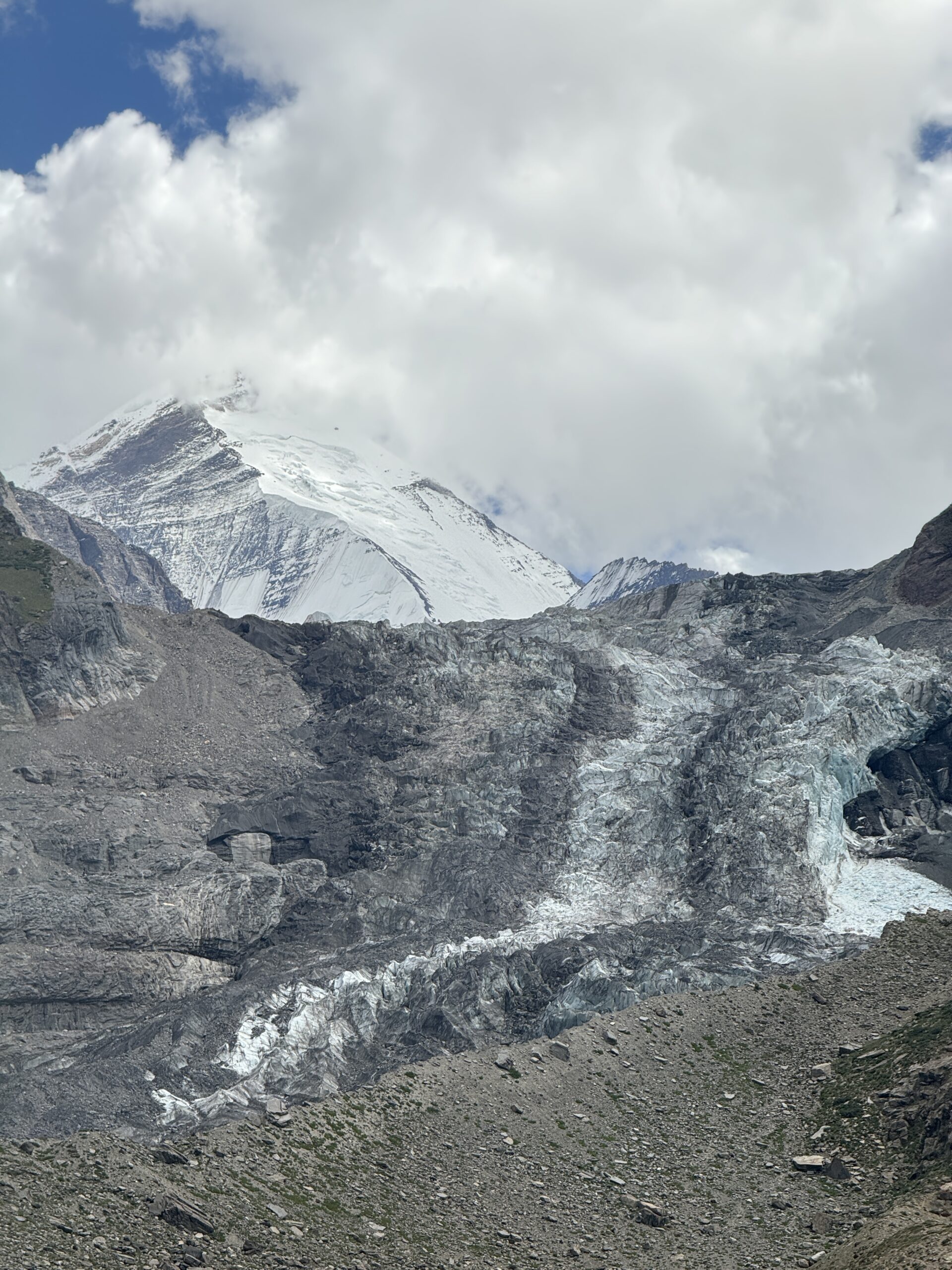
This is the most challenging and awe-inspiring day of the pilgrimage, crossing the Dolma-La Pass at 5,630 meters. The trek spans 22 km and can take 8–9 hours depending on conditions and pace. The pass offers panoramic views of the sacred Mount Kailash and the surrounding Himalayan peaks. The air is thin and the climb steep, requiring careful pacing and strong determination. Reaching the summit is a deeply moving experience, symbolizing spiritual ascent and purification. After descending from the pass, you will continue on the trail toward the next resting point.
Altitude: 5,630 m / 18,471 ft (pass summit)
Distance: 22 km / 13.6 mi
Duration: 8–9 hours trekking
Completing the Kailash Parikrama, you trek back down towards Dongba or nearby settlements. The terrain eases as you descend, offering the chance to reflect on the powerful spiritual journey you have undertaken. The landscapes shift from harsh mountain passes to rolling Tibetan plains, dotted with monasteries and nomadic encampments. Upon completing the trek, you will board vehicles for a long drive, marking the beginning of your return journey.
Altitude: Approximately 4,500 m / 14,764 ft
Distance: Trekked distance plus driving 280 km / 174 mi
Duration: Trek plus 8–9 hours drive
Your journey back through Tibet begins early, with a full day’s drive retracing the route toward Kerung. This day allows you to decompress, absorb the vast Tibetan landscapes one last time, and begin the transition back to Nepalese territory. Scenic valleys, high-altitude deserts, and Tibetan villages provide a last glimpse of this remote and sacred region. Upon arrival in Kerung, rest and prepare for border crossing the next day.
Altitude: 2,900 m / 9,514 ft
Distance: 365 km / 227 mi
Duration: 7–8 hours drive
Crossing from Tibet into Nepal, you will complete the necessary customs and immigration formalities at the Kerung border. Once back in Nepal, enjoy the winding drive to Kathmandu, where you can relax and share stories with your group over a celebratory dinner. This day marks the end of the physically demanding part of the journey but opens a new phase of reflection and cultural reconnection.
Altitude: 1,350 m / 4,430 ft
Distance: 145 km / 90 mi
Duration: 7–8 hours drive
After a final breakfast together, your Kailash Yatra concludes. Depending on your flight schedule, you may have some free time for last-minute shopping or sightseeing in Kathmandu. The team will assist with airport transfers and bid you farewell, sending you off with blessings for a safe onward journey.
Altitude: 1,350 m / 4,430 ft
Distance: Minimal airport transfer (~6 km)
Duration: 30 minutes drive
Routes & Best time
There are three main routes to reach Mount Kailash, each with its own unique challenges and experiences.
The Lipulekh Pass route starts from Uttarakhand, India. It is a traditional pilgrimage path featuring steep, rugged mountain trails. This route involves demanding high-altitude trekking and is popular among Indian pilgrims due to its religious significance. However, it requires good physical fitness and acclimatization.
The Nathu La Pass route in Sikkim, India, offers easier access with more vehicular support, reducing the amount of trekking. It blends convenience with spiritual experience but has limited availability and stricter permit requirements, making it less accessible for some travelers.
The Kathmandu route via Nepal (our preferred route) combines spiritual immersion with gradual acclimatization. Starting with rituals at sacred Kathmandu sites, pilgrims then travel overland into Tibet, enjoying a scenic and culturally rich journey. This route balances comfort and adventure, making it suitable for a wide range of travelers, including first-time high-altitude pilgrims.
Why We Prefer the Kathmandu Route
Our choice of the Kathmandu route is deliberate and thoughtfully designed to maximize both spiritual depth and physical safety. This path offers a harmonious blend of ancient religious rituals and stunning natural landscapes, including an essential Hawan ceremony at Pashupatinath Temple, which spiritually primes the pilgrims before the arduous journey. The gradual altitude gain allows pilgrims to acclimatize gently, minimizing the risk of altitude sickness, a crucial factor given the high elevations of Mount Kailash and Lake Mansarovar.
READ MORE
Moreover, the Kathmandu route immerses travelers in the rich tapestry of Nepali and Tibetan cultures, fostering a deeper understanding of the pilgrimage’s profound religious significance. The overland travel is comfortable yet adventurous, passing through sacred sites, traditional villages, and vast Tibetan plateaus. This route is especially suitable for families, older pilgrims, and those seeking a balanced mix of comfort and authenticity on their spiritual journey.
Months |
Season Desription |
Avg Daytime Temperature |
Avg Nighttime Temperature |
|---|---|---|---|
May-June
|
Clear skies, cold but dry; ideal to avoid monsoon rains. Snow-capped peaks create a divine landscape.
|
10°C - 15°C
|
-5°C - 0°C
|
July-August
|
Monsoon season with occasional rain and lush green surroundings. Lake Mansarovar appears at its most vibrant.
|
15°C - 18°C
|
0°C - 5°C
|
September
|
Post-monsoon clarity; fewer crowds, crisp skies, and cooler temperatures. Perfect for quiet reflection.
|
10°C - 14°C
|
-2°C - 2°C
|
Inclusions
Private airport transfers in Kathmandu (both arrival and departure)
3 nights’ stay in a premium 5-star hotel in Kathmandu (twin/double sharing), with daily breakfast
Hotel stays in Kerung, Saga, and Darchen (twin/double sharing rooms with basic amenities)
Guesthouse accommodations in Mansarovar, Dirapuk, and Zutulpuk (dormitory-style, shared with fellow yatris)
All ground transportation from Kathmandu to the Tibet border and back via private coach or 4×4, as per terrain
Tibet Travel Permit and Chinese Group Visa (we take care of the entire process)
All required entry passes for monasteries, checkpoints, and restricted zones in Tibet
12 breakfasts, 11 lunches, and 12 dinners during the Yatra (pure vegetarian)
Guided sightseeing in Kathmandu, including entrance fees for Pashupatinath, Boudhanath, and other sacred sites
Special Pooja & Pashupatinath Rudra Abhishek before Yatra departure
Special Pooja at Lake Mansarovar — a once-in-a-lifetime spiritual moment
Completion Certificate to honor your Kailash Parikrama
Experienced Nepali Yatra guide (fluent in English and Hindi) accompanying you throughout
Local Tibetan guide for the Tibet leg — fluent in English, with deep cultural knowledge
All guides’ accommodation, meals, permits, and salaries included
All government taxes, local levies, and fees included — no hidden charges
- Waterproof duffle bag for personal gear during the trip
Exclusions
International airfare to and from Kathmandu
Travel & medical insurance (highly recommended, especially for high-altitude coverage)
Personal expenses such as beverages, snacks, laundry, SIM cards, bar bills, and tipping
Optional pony, porter, or yak hire during the Kailash Kora (available locally at extra cost)
Any additional hotel nights in Kathmandu outside the set itinerary
Costs arising from early departure, missed itinerary segments, or personal deviation from the group
Emergency evacuation, rescue operations, or medical treatment in case of altitude sickness or personal health issues
Unforeseen expenses due to natural calamities, political unrest, border closures, or itinerary changes beyond our control
Optional Expenses
Daypack porter hire during the Parikrama
Dedicated yak for personal luggage beyond standard duffel allowance
Single room upgrade (available in Kathmandu and select Tibet hotels)
Hot water for bathing at guesthouses (if available)
Room heater or electric blanket (available in Saga/Kerung at extra cost)
Rental or purchase of trekking gear in Kathmandu (e.g., trekking poles, poncho, gloves)
Personal ritual items like copper vessels, offering kits, incense, etc.
Purchase of SIM card in Tibet (if available)
- Extra snacks, energy bars, or drinks not part of group meals
Souvenirs, woollens, spiritual tokens, or local handicrafts from monasteries or Tibetan markets
Tips or dakshina at monasteries or to priests during rituals (voluntary)
Important Travel Information
Practical guidance to help you prepare for the unique conditions in Nepal, Tibet, and along the Kailash route. From communication to currency, this section covers the logistical details every yatri should know before departure.
Visa & Permit Requirements
Chinese Group Visa: Required to enter Tibet via Nepal. Your tour operator will arrange this after you arrive in Kathmandu. Your original passport is needed for 3–4 days while the visa is processed.
Tibet Travel Permit: Mandatory for all non-Chinese visitors entering Tibet. It will be arranged with your group visa.
Nepal Visa: On-arrival visa available at Kathmandu airport for most international travelers. Indian citizens do not need a visa for Nepal.
Passport must be valid for at least 6 months beyond your date of entry.
Mobile Network, SIM Cards & Internet Access
Nepal: Local SIM cards (like Ncell or NTC) are easily available. Internet access is widely available in Kathmandu.
Tibet: Chinese SIMs are difficult to obtain for foreigners and require local ID. Network access becomes limited once you cross the border.
Roaming: Most international and Indian SIMs do not work in Tibet.
Internet Restrictions: Apps like WhatsApp, Gmail, Google, Instagram, and many Western websites are blocked in China. Download a reliable VPN before entering Tibet if you need access to these platforms.
Electricity & Charging
Voltage: 220V AC
Plug Types: Type A (flat pin), Type C (round pin), and Type I (three-pin angled). Carry a universal adapter.
Charging Points: May be limited at guesthouses and rest stops in Tibet. A power bank and/or small extension board is recommended.
Currency, Payments & ATMs
Nepal: Currency is the Nepalese Rupee (NPR). Exchange foreign currency at the airport or licensed money changers in Kathmandu.
Tibet (China): Currency is the Chinese Yuan (CNY). Exchange your cash in Kathmandu before entering Tibet.
ATMs: Available in Kathmandu and Saga. Beyond Saga, they are rare and unreliable. Carry sufficient cash.
Digital Payments: Credit/debit cards, UPI, and Google Pay do not work in Tibet. All expenses must be paid in cash once across the border.
Local Customs & Cultural Sensitivity
Always walk clockwise (kora) around temples and Mount Kailash.
Avoid pointing feet toward religious objects or sitting with feet extended at puja sites.
Do not photograph monks or local people without permission.
Do not bring or display images of the Dalai Lama or political material.
Dress modestly, and be mindful of your tone and behavior in spiritual spaces.
Flights, Border Crossing & Entry Protocol
The Yatra includes an overland journey from Kathmandu to the Nepal–Tibet border at Kerung. No flights into Tibet are used on this route.
Chinese immigration is strict. Do not carry:
Religious books or texts
Maps showing disputed borders
Photos of the Dalai Lama
Drones, satellite phones, or binoculars
Your group visa and Tibet travel permit will be handled by your guide and submitted at the border on your behalf. Allow extra time for checks and formalities.
Dates Available
DATES |
AVAILABILITY |
|---|---|
June 2026
|
Slots Available
|
Custom
|
Slots Available
|
Trip Price For Indians: ₹2,50,000 + 5% GST per person (minimum 5 participants required)
For Non-Indian Passport & OCI Card Holders: USD 3650 + 5% GST per person (minimum 5 participants required)
This cost covers all the services listed above in the Inclusions section — including your vehicle, accommodations, meals, guide, permits, and more.
The price is designed to offer maximum value for a premium yet accessible Kailash Mansarovar Yatra experience, blending comfort, culture, and light adventure in one seamless itinerary.
To Confirm Your Spot:
Click the Book Now button below to proceed with your booking.
Something Else In Mind?
We get it — every journey should feel personal. We’re here to co-create a version that feels right for you.
Start on your preferred dates
Custom inclusions & stay options
Tweak the itinerary
Plan a private group experience
Fill out the form or drop us an email at mail@outdoorwhisperer.com with your questions & requirements, and we’ll get back to you as soon as possible. For a quicker response, feel free to reach us directly at +91-8285967537.
Send Us Your Query
Why Outdoor Whisperer?
We do things a bit differently — and proudly so. We don’t chase numbers; we focus on depth, care, and quality. Each journey is meticulously planned, and organized with warmth, care, and an unwavering focus on your safety. From pre-trip online briefings to carefully curated experiences on-ground, we believe the best adventures are the ones that feel like they were made just for you.
Founder-Led with Expert Team
The pilgrimage is personally led by our founders alongside a highly experienced team and trusted local guides, supported by a dedicated ground crew to ensure a seamless and authentic journey.
Quality Over Quantity
We run only a limited number of Yatras each season, allowing us to focus on delivering a deeply meaningful experience with personal care and attention to every pilgrim.
Heartfelt, Thoughtful Planning
Every itinerary is crafted to balance spiritual immersion, proper acclimatization, and comfortable pacing — creating a journey that respects both body and soul.
Safety as Our Top Priority
With strict altitude protocols, emergency plans, and a WFR-certified team, your health and well-being are protected every step of the way.
Pre-Yatra Briefings and Continuous Support
From detailed pre-trip briefings to continuous on-ground support, we prepare you mentally and physically, answering your questions and building confidence for this profound pilgrimage.
Transparent Pricing & Clear Communication
We believe in honesty and clarity — no hidden fees or surprises, just straightforward pricing and open, supportive communication.
What To Pack?
Packing & Gear Checklist for Kailash Mansarovar Yatra
What you carry can make or break your Yatra experience. Here’s a thoughtfully curated checklist of everything you’ll need — organized into categories to make packing simple and stress-free.
Clothing (Layer for Changing Conditions)
Thermal base layers (2 pairs – top & bottom)
Full-sleeve t-shirts (quick-dry, 2–3)
Insulated jacket or down jacket (provided in package)
Fleece or softshell jacket (1)
Windproof & waterproof outer shell jacket
Trekking pants (2–3; at least one waterproof)
Warm innerwear (wool or merino for evenings)
Lightweight pants or track pants for camp
Warm cap/beanie + sun cap or hat with neck protection
Woolen gloves + waterproof gloves
Cotton undergarments (3–4 pairs)
Scarf or balaclava (for cold/wind/dust protection)
Footwear
High-ankle trekking shoes (well broken-in)
Waterproof sandals or slippers (for camp or inside guesthouses)
Woolen socks (2 pairs) + trekking socks (2–3 pairs)
Toiletries & Personal Hygiene
Toothbrush, toothpaste, biodegradable soap
Wet wipes / face wipes (highly recommended)
Quick-dry travel towel
Lip balm with SPF
Sunscreen (SPF 40+)
Toilet paper rolls / pocket tissue packs
Hand sanitizer
Moisturizer (non-scented, hydrating)
Compact mirror, comb, sanitary products (if applicable)
Medicines & First Aid
Diamox (for altitude – only if prescribed)
Paracetamol, Ibuprofen
ORS / electrolyte sachets
Antacid, anti-diarrheal tablets
Nasal spray / saline drops
Band-aids, antiseptic cream, cotton
Personal prescription medication (with extra doses)
Digital thermometer (optional)
Pain relief balm or spray
Crepe bandage or knee support (if needed)
Bags
Duffle bag (waterproof; provided by us in package)
30–40L Daypack (for personal use during trek)
Rain cover for backpack
Small waterproof pouches (for electronics/documents)
Packing cubes or zip-locks for organizing gear
Miscellaneous Essentials
Sunglasses with UV protection (must-have in snow/ice)
Headlamp or flashlight with extra batteries
Water bottles (2 x 1L) or hydration bladder
Thermos flask (for warm liquids)
Power bank (with at least 10,000 mAh capacity)
Universal adapter & charging cables
Dry snacks (energy bars, nuts, ORS, glucose)
Lightweight notebook & pen (optional)
Basic sewing kit / safety pins
Documents & ID
Passport (original + 3 photocopies)
Passport-size photos (at least 4–6 copies)
Adhar Card or other ID (for Indian nationals)
Medical fitness certificate
Travel insurance (printout + soft copy)
Visa & permit copies (printouts as backup)
Keep all documents in a waterproof ziplock or pouch in your daypack at all times.
Spiritual & Ritual Items (Optional but meaningful)
Rudraksha beads or mala
Small copper vessel for Jal from Lake Mansarovar
Puja samagri (if bringing your own)
Lightweight mat or shawl for meditation/sitting
Offering items (if you wish to perform personal rituals)
Health, Safety & Altitude Information
The Kailash Mansarovar Yatra takes you above 5,500 meters, making altitude awareness and basic health preparation essential. Here’s what you need to know:
Altitude & Acclimatization
The journey rises gradually from Kathmandu (1,350 m) to Dolma-La Pass (5,630 m).
Our route includes built-in acclimatization days to reduce risk of AMS (Acute Mountain Sickness).
Common symptoms: headache, breathlessness, fatigue, nausea — usually mild and manageable with rest.
Key Safety Guidelines
Hydrate well — 3–4 liters of water daily is essential.
Pace yourself — walk slowly, especially during the Parikrama.
Avoid alcohol and smoking at high altitudes.
Light training before the trip (walking, stairs, breathing exercises) is helpful.
Medication & Support
Basic first aid and pulse oximeter checks are done regularly by our team.
Oxygen support is available at key locations in Tibet.
Emergency Protocol
In case of serious altitude illness, descent by vehicle evacuation is the only option in Tibet (no helicopter rescue).
Travel insurance with high-altitude medical coverage is strongly advised.
Medical Fitness & Eligibility
A doctor-certified fitness certificate is required to join.
Not suitable for those with serious heart, lung, uncontrolled diabetes, or recent major surgery.
Age limit: typically 15 to 70 years, subject to fitness.
Common Questions
The Kailash Mansarovar Yatra is a 13-day spiritual pilgrimage, starting and ending in Kathmandu, Nepal. The journey includes visits to iconic spiritual landmarks like Pashupatinath Temple, Lake Mansarovar, and Mount Kailash, along with a 3-day Outer Parikrama (Kora) of the mountain. These 13 days include rest and acclimatization stops, extensive overland travel through Tibet, guided rituals, and sacred trekking—designed for both spiritual depth and physical safety.
The highest point of the Yatra is Dolma-La Pass, which rises to an altitude of 5,630 meters (18,471 ft). This is crossed on Day 2 of the Parikrama and is the most physically demanding part of the trek, both in terms of elevation and terrain. It’s essential to prepare well for this segment due to the thin air and cold conditions.
We are taking the Overland Route via the Kerung Border (Nepal-Tibet), which is considered safer and more reliable than the older Nathu La and Lipulekh routes. Starting from Kathmandu, we cross into Tibet via Kerung, then travel overland through Saga, Lake Mansarovar, and Darchen, before beginning the 3-day Kora of Mount Kailash.
The Outer Parikrama of Mount Kailash spans approximately 52 kilometers and is completed over 3 days on foot.
Day 1: Darchen to Dirapuk (18 km)
Day 2: Dirapuk to Zutulpuk via Dolma-La Pass (22 km)
Day 3: Zutulpuk to Darchen (12 km)
The trek is challenging due to high altitude and rocky terrain, but it is also spiritually rewarding and visually stunning.
Yes, the Parikrama is optional and can be skipped for health or personal reasons. If you choose to opt out, you’ll stay in Darchen, the base village of the Kailash Kora. Please inform us at least 30 days in advance so that alternate accommodation can be arranged. Emergency exit options (via pony or vehicle) are also available mid-Kora in case of sudden health issues.
Yes, Charan Sparsh is possible on the day you trek to Dirapuk, where the north face of Mount Kailash is visible up close. Depending on weather and your physical capacity, you may get close enough to touch or prostrate near the base rock of the mountain. However, climbing the mountain is strictly prohibited as it is considered sacred by multiple religions.
The Outer Kora is part of the main Yatra itinerary. The Inner Kora (a more rigorous and spiritually intense route) is optional and can be attempted from Darchen only if weather permits and you are physically capable. Additional charges apply, and permissions may be required.
Direct bathing in the lake is prohibited by Chinese regulations to preserve its sanctity and ecology. However, pilgrims are allowed to collect water in copper vessels or bottles and perform ceremonial ablutions or rituals on the lake’s shore. Puja rituals and meditation are allowed and encouraged at sunrise or sunset.
The terrain includes rocky trails, moraine fields, glacial streams, and steep mountain passes. Most of the Kora is at altitudes above 4,800 meters, with Dolma-La being the highest point. The second day of the Kora is the toughest due to the combination of steep ascents and descents in low-oxygen conditions. Trekking poles and good shoes are essential.
Roads range from well-paved highways to rugged gravel paths, especially in remote areas like Mansarovar and Dirapuk. Vehicles used are selected for high-altitude reliability and comfort. Expect long travel hours (6–9 hours per day) during driving days. Roads are generally safe but can be affected by landslides or snow, requiring flexibility in itinerary.
No, the Chinese visa is not included. Our team will facilitate the group visa process in Kathmandu, which usually takes 3 working days. You’ll need to arrive with your original passport and photographs.
Hiring a pony or porter is optional, but highly recommended if you are unsure of your stamina at high altitudes. Charges are:
Pony: Approx. USD 250–350 for the full Kora
Porter: Approx. USD 150–200
(Note: The pony man cannot double as a porter without additional charge.)
No. However, a high-quality down jacket and sleeping bag are availabel on rental for use during the trip. These are returned at the end of the Yatra.
You will not be eligible for a refund, but we will arrange for your stay in Darchen with meals and basic amenities, provided we are informed at least 30 days in advance.
Extra nights at Dirapuk (if needed due to weather or fatigue) cost USD 50/night, which includes food and shared accommodation.
Tipping is optional but customary in Nepal and Tibet. A general guideline is:
Nepali/Tibetan guide: USD 40–50
Cook/Driver: USD 20–30
Porters: USD 10–20
Tips are pooled and appreciated as a gesture of gratitude.
Carry Chinese Yuan (RMB) or USD (which can be exchanged at Lhasa or in Kathmandu).
Credit cards/UPI/ATM access are not reliable in Tibet
Carry sufficient cash for personal expenses and emergencies
SIM, ponies, porters, and tips are paid in cash only
You don’t need to be an athlete, but you must be physically fit and medically stable. The Kailash Parikrama involves walking at altitudes above 5,000 meters, so even basic tasks can feel strenuous. You should be able to:
Walk 10–15 km a day on uneven terrain
Climb gentle slopes for hours without exhaustion
Tolerate cold, dry weather with limited oxygen
Regular cardio (brisk walking, stair climbing), strength training, and short treks are strongly recommended before the Yatra.
Begin training 1–3 months before the Yatra
Do daily 30–45 min brisk walks or hill climbs
Practice trekking with a backpack to build endurance
Sleep at 2,000–3,000m elevation for 1–2 days if possible
Avoid alcohol, stay hydrated, and eat light during the trip
Acclimatization days are built into the itinerary (in Kerung) to help your body adjust before the trek begins.
Yes, travel insurance is compulsory for this Yatra. Your policy should cover:
High-altitude medical care and evacuation
Trip cancellations and delays
Personal injury or illness
Loss of baggage and documents
Emergency rescue (including helicopter)
Proof of insurance must be submitted before your trip begins.
Yes, but only in specific towns:
Available in: Kerung, Saga, Darchen (basic to moderate care)
Not available in: Mansarovar, Dirapuk, Zutulpuk
We carry basic medical kits and oxygen cylinders. Participants must carry their own prescribed medicines and altitude-related drugs (e.g., Diamox, ORS, etc.).
Yes, a fitness certificate is mandatory, especially if you are over 60 years old or have pre-existing health conditions.
The certificate should state that you are fit for high-altitude trekking above 5,000 meters. You must submit this at least 15 days before departure.
Only after medical clearance. Those with:
Uncontrolled diabetes
Heart problems
Severe asthma or COPD
Recent strokes or surgeries
...are strongly advised not to join, as high altitude can worsen such conditions. Always consult your doctor and share full details with us.
Yes. Each participant receives a waterproof duffle bag to store gear carried during the Yatra. You’ll also need a small daypack (backpack) for personal items during drives and treks.
Yes, trekking shops in Kathmandu offer gear rentals (jackets, poles, sleeping bags). However:
We provide jackets, sleeping bags, and poles
Personal gear like shoes, gloves, and base layers should be purchased and broken in well in advance
You can carry up to 12–15 kg in your main duffel bag.
A 5–7 kg daypack is useful for carrying snacks, water, rainwear, and small valuables. Excess luggage can be left in Kathmandu at the hotel.
Essential medicines include:
Diamox (for acclimatization)
Paracetamol or Ibuprofen
Cough and cold medication
Anti-diarrheal and antacids
ORS (electrolytes)
Your regular medications (with spares)
Band-aids, antiseptic, and basic first aid
Consult your doctor at least 2 weeks before departure for guidance.
Hot water is limited and irregular, especially in guesthouses (Dirapuk, Zutulpuk).
Room heaters are rare or not functional due to electricity constraints at high altitudes.
Carry wet wipes, warm sleeping layers, and a thermos for comfort.
You can buy a Chinese SIM card (China Unicom/Mobile) at the airport or major cities. However:
Social apps like WhatsApp, Instagram, YouTube, Gmail are blocked
Internet is slow or unreliable in remote areas
VPNs often don’t work
It's best to inform family you’ll be largely offline except in Saga or Darchen.
Yes, you may carry sacred Jal (water) from Lake Mansarovar in a bottle or copper vessel for puja at home. Many pilgrims also sanctify it with Rudraksha or chant mantras while collecting it.
Yes, you are welcome to bring your own copper kalash, incense, diya, ghee, or rudraksha. Our guides will assist in setting up a puja spot near the lake, especially during sunrise or sunset.
Yes. A special Hawan and Rudra Abhishek is organized at Pashupatinath Temple in Kathmandu, led by experienced priests. It purifies your intention and invokes blessings before departure.
No. Chinese authorities strictly prohibit carrying:
Religious texts (e.g., Bhagavad Gita, Quran, Bible)
Photos or images of the Dalai Lama or other exiled leaders
Political maps or flags
Such items may be confiscated at the border. Carry only basic devotional items like rudraksha mala, copper lota, or prayer beads.
Walk clockwise around sacred sites (never anti-clockwise)
Remove shoes and hats before entering temples
Dress modestly (cover shoulders and knees)
Do not touch or climb on statues or chortens
Ask before taking photos, especially of monks
Maintain silence or speak softly during puja
Respect for the land, people, and beliefs is a crucial part of this pilgrimage.
We understand that plans can change, and we try to keep our cancellation policy fair and transparent. Depending on how close to the departure date you cancel, partial refunds are possible, and we also offer options to transfer your booking to a future trip in certain cases.
For the full breakdown of timelines, conditions, and refund details, please check out our complete cancellation policy here: