
Valley Of Flowers
Where Every Step is Lined with Wonder and Wildflowers
Altitude
4300 Meters
Difficulty
Easy
Duration
6 Days
Location
Uttarakhand
Fee
INR 11,500
Overview
READ MORE
VALLEY OF FLOWERS TREK HIGHLIGHTS
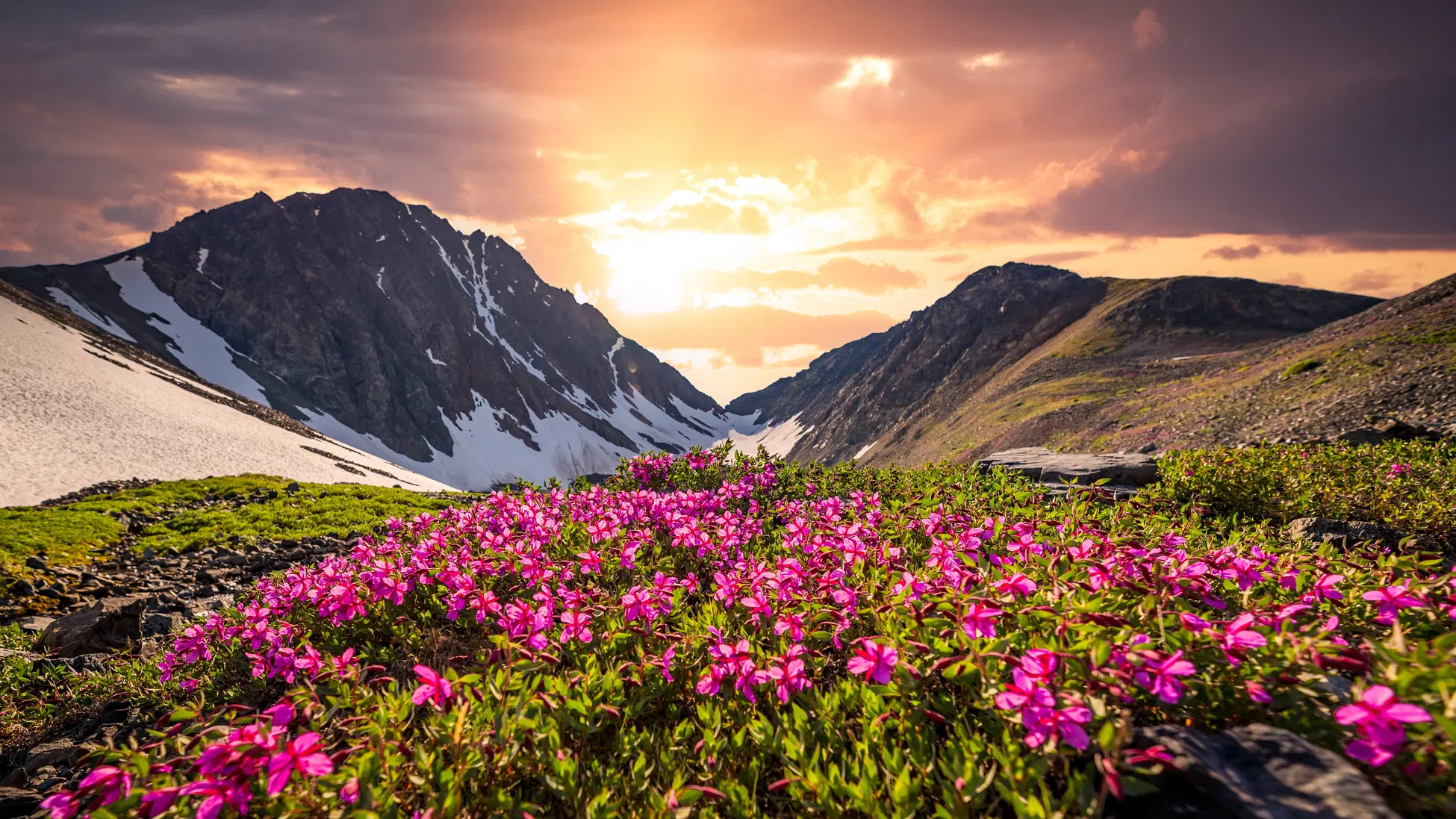
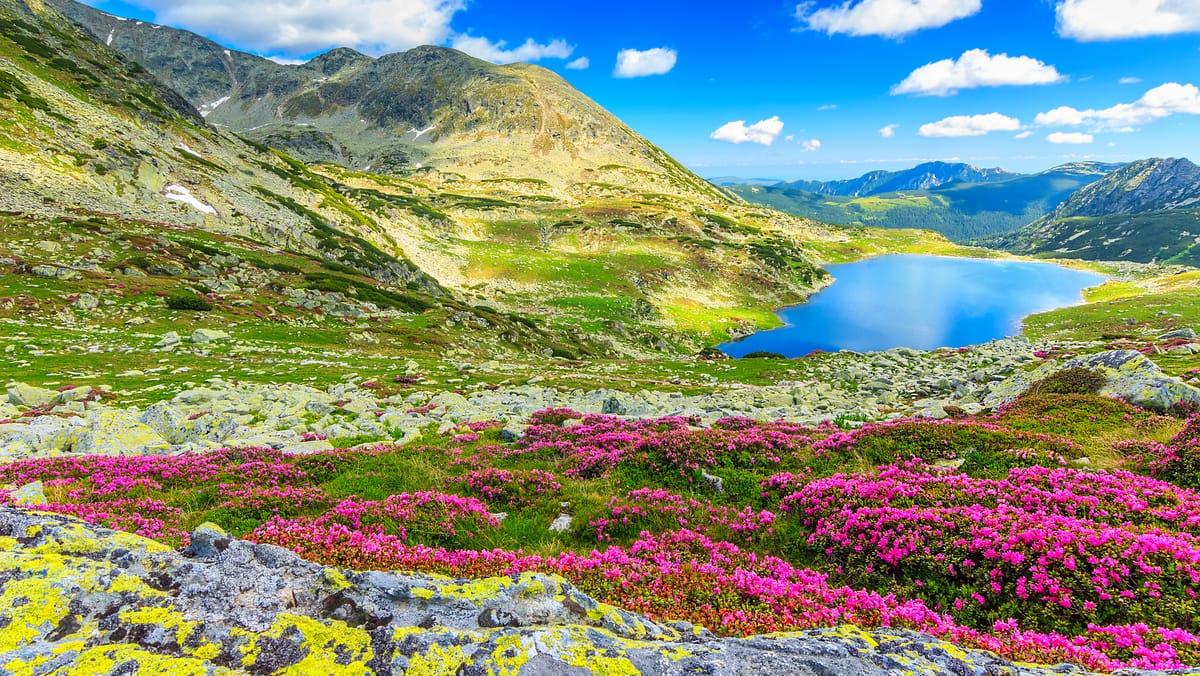
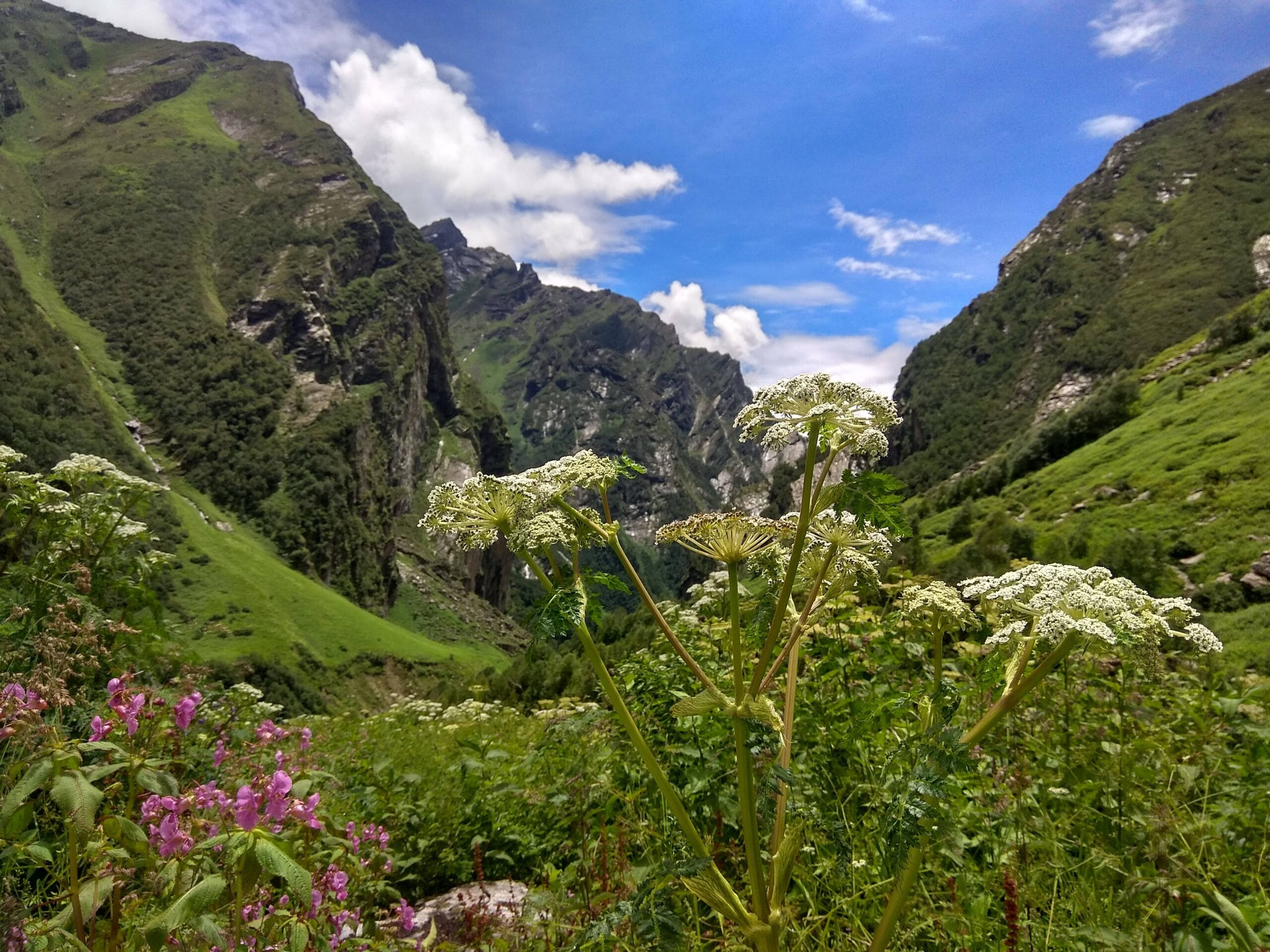
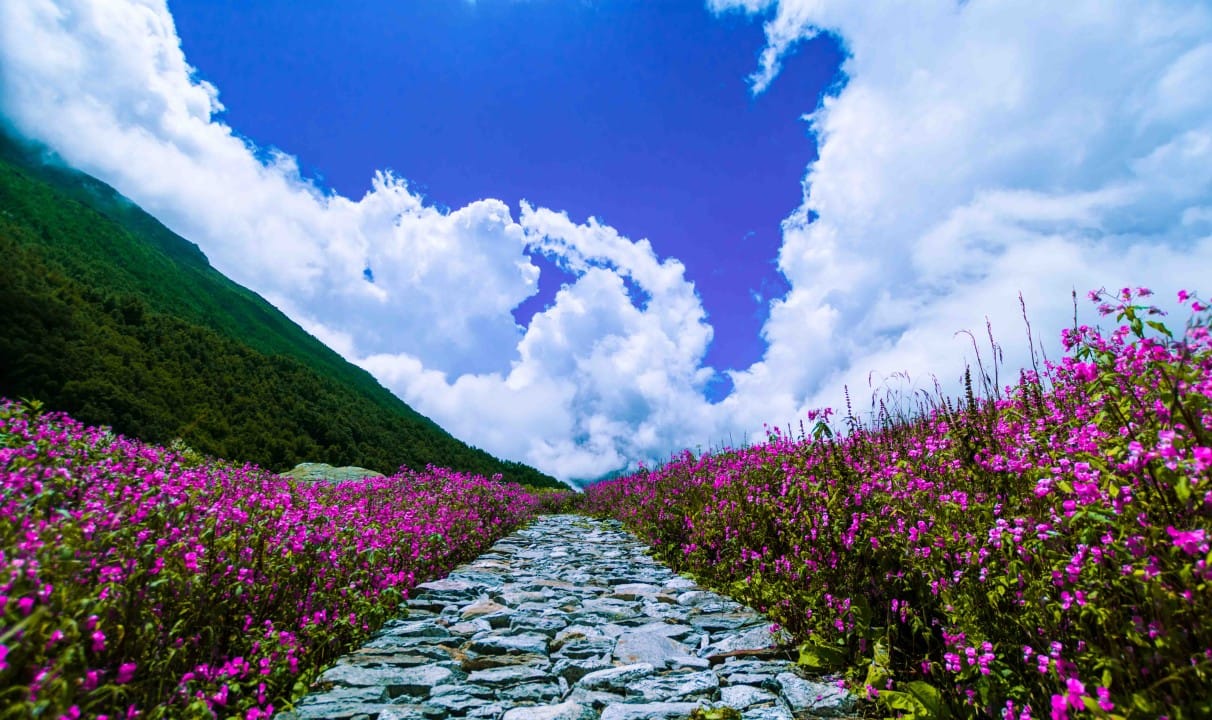
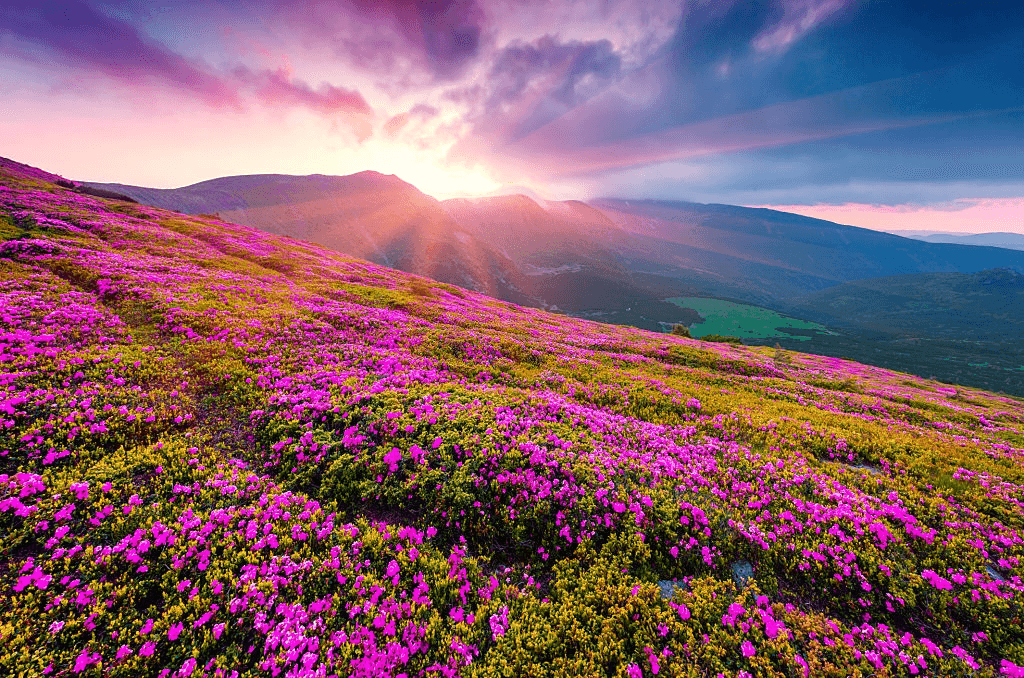
The Valley in Bloom: Witness over 500 species of wildflowers in their peak bloom—each one thriving in a wild, untouched Himalayan sanctuary.
A UNESCO World Heritage Site: Explore one of the most celebrated high-altitude meadows in the world, protected for its rare biodiversity.
Gentle Gradients, Big Rewards: A non-technical, moderate trek with well-defined trails—ideal for fit beginners and first-time Himalayan explorers.
Cultural Immersion at Ghangaria: Stay in a centuries-old pilgrim village and share stories with fellow seekers headed to Hemkund Sahib.
The Journey to Hemkund Sahib (Optional): Climb further to 4,329 m to visit the iconic Sikh shrine set beside a glacial lake.
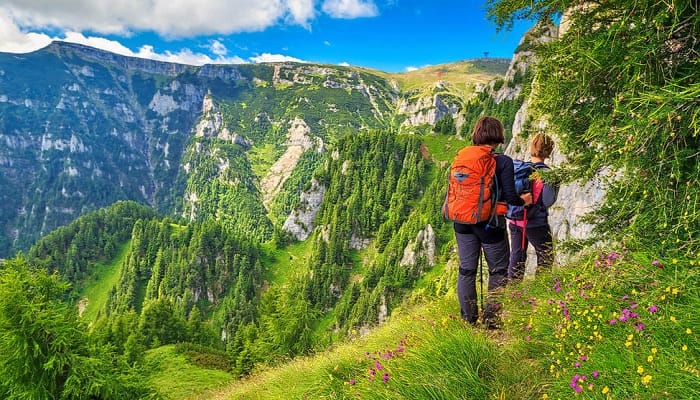
Photography Heaven: Frame wide alpine vistas, rare Himalayan flowers, misty ridgelines, and curious local wildlife in every direction.
Rain-Washed Landscapes: Trek during the monsoon to experience the valley at its most lush and vibrant—a rare exception to off-season trekking norms.
Natural Mindfulness: This trail offers moments of deep stillness—perfect for reflection, sketching, or simply being present in wild, sacred space.
Itinerary
Your trek begins with an early morning drive from Rishikesh. As the vehicle climbs into the Garhwal Himalayas, the air cools and the terrain shifts dramatically—from plains to pine-clad slopes and mountain gorges. The route winds along the sacred Alaknanda River, passing through Devprayag, Rudraprayag, and Joshimath, each with its own myth and magic.
By evening, you reach Govindghat (1,828 m)—a buzzing pilgrim stopover and the base for your trek. Check into your lodge, stretch your legs, and attend a detailed trek briefing. You’ll feel the shift already: thinner air, clearer skies, and the distant rumble of the river that will accompany much of your journey.
🛣️ Drive Distance: 280 km
⏱️ Duration: 10–12 hours (by road)
🗻 Elevation: 1,828 m
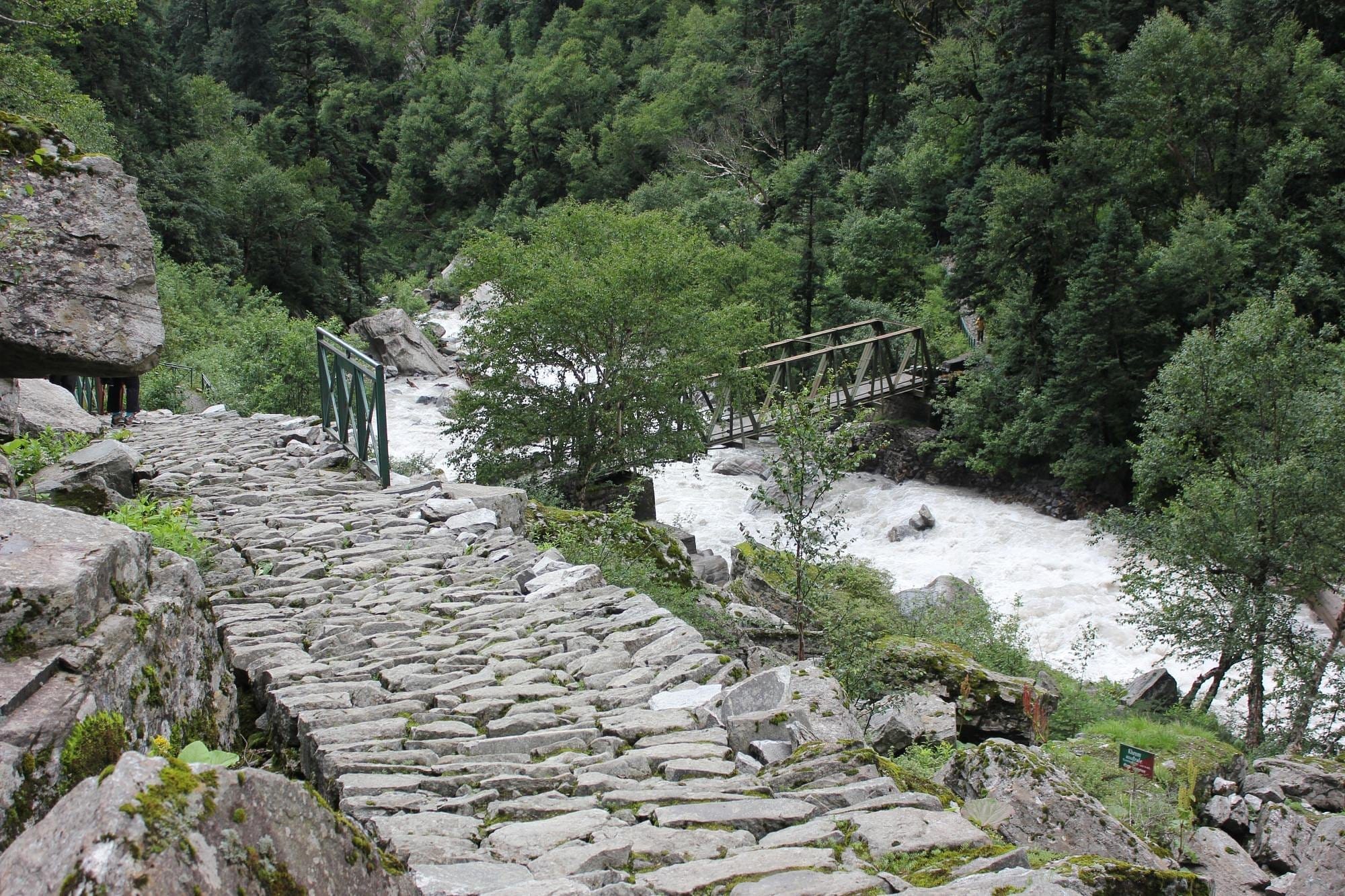
After breakfast, a short 4 km drive from Govindghat brings you to Pulna (2,000 m)—the actual starting point of your trek. From here, the trail ascends gradually along the Pushpawati River. You’ll cross charming wooden bridges, walk under pine and birch canopies, and pass dhabas where you can rest with a chai. The trail is a mix of stone-paved steps and forest walkways, with gradual switchbacks through lush, oxygen-rich terrain.
By mid to late afternoon, you’ll reach Ghangaria (2,920 m)—a peaceful mountain hamlet nestled at the confluence of the Lakshman Ganga and Pushpawati rivers. This small village will serve as your base for the next two days. Settle into your guesthouse and rest—tomorrow, you enter the heart of the valley.
🚶 Trek Distance: ~10 km
⏱️ Duration: 5–6 hours
⬆️ Elevation Gain: ~920 m
🏔️ Max Altitude: 2,920 m
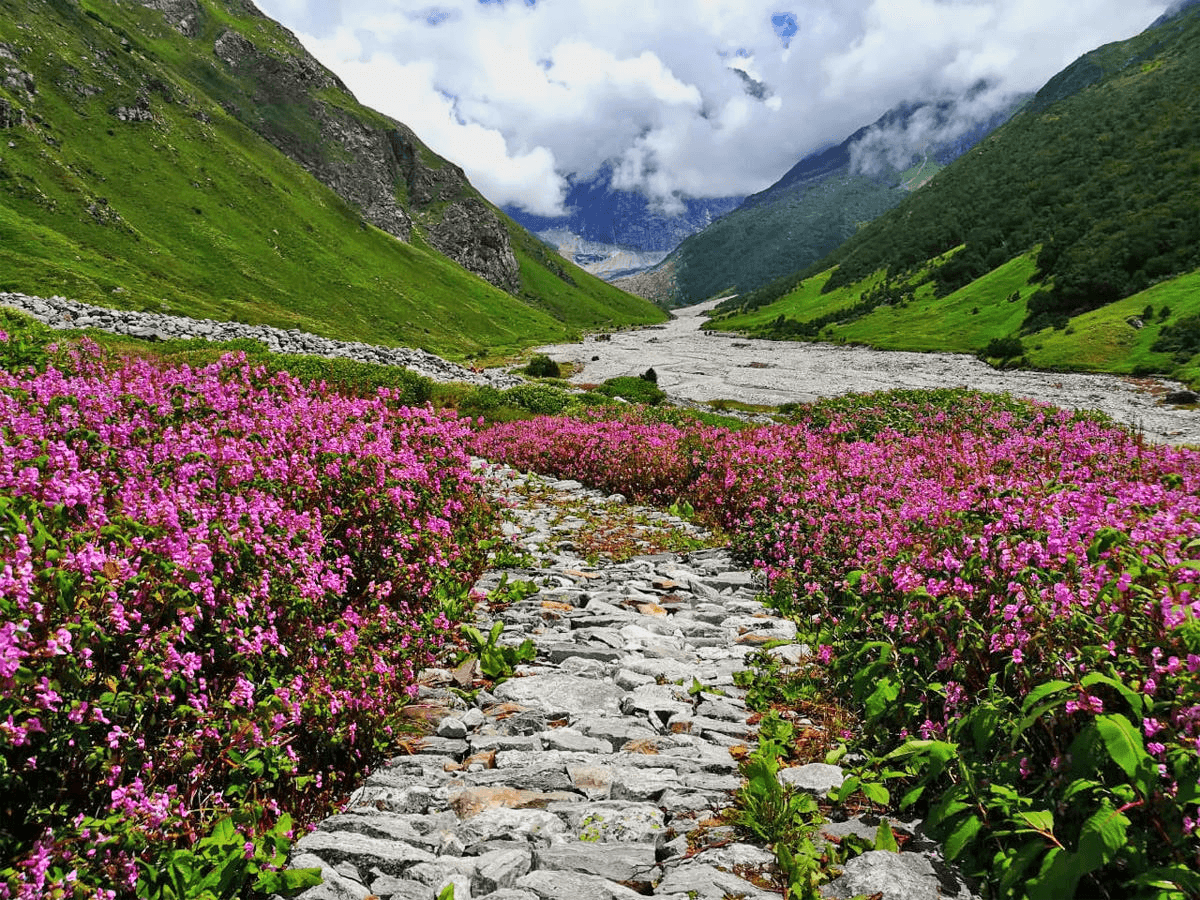
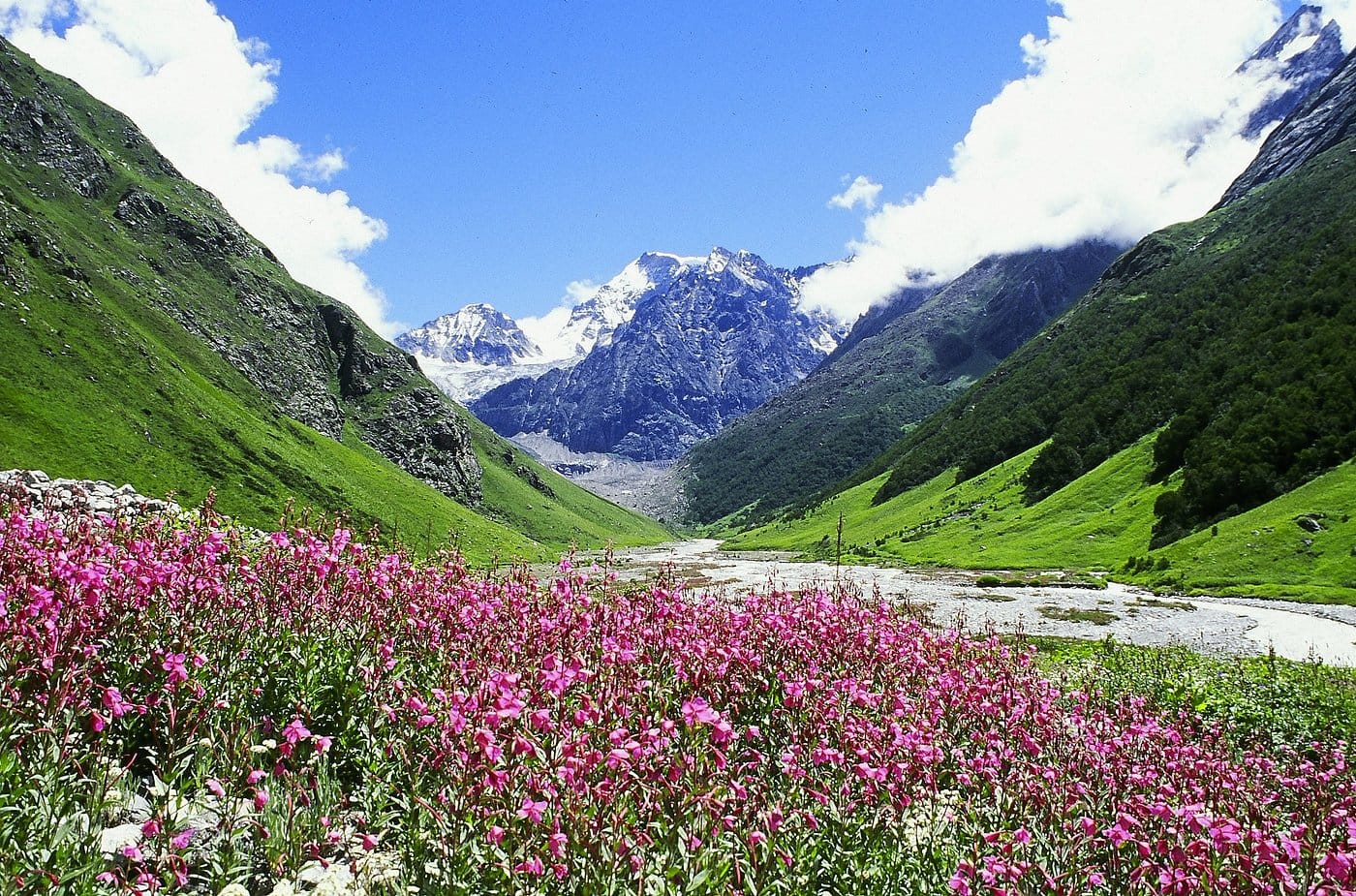
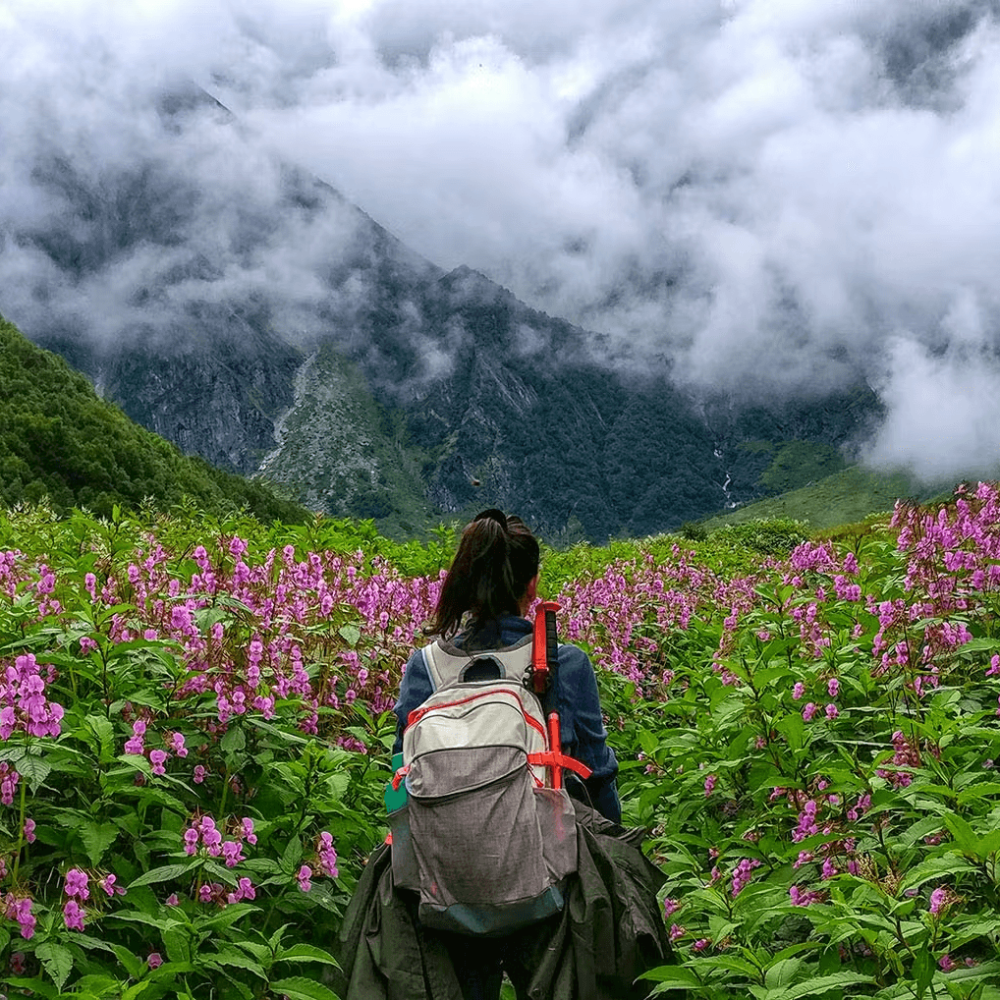
Today is the crown jewel of your journey. After an early breakfast, set out with a light daypack toward the legendary Valley of Flowers National Park. The trail rises through pine forests and opens into a vast alpine valley that feels otherworldly—where rivers cut across flower-laden meadows, and clouds drift lazily between high granite cliffs.
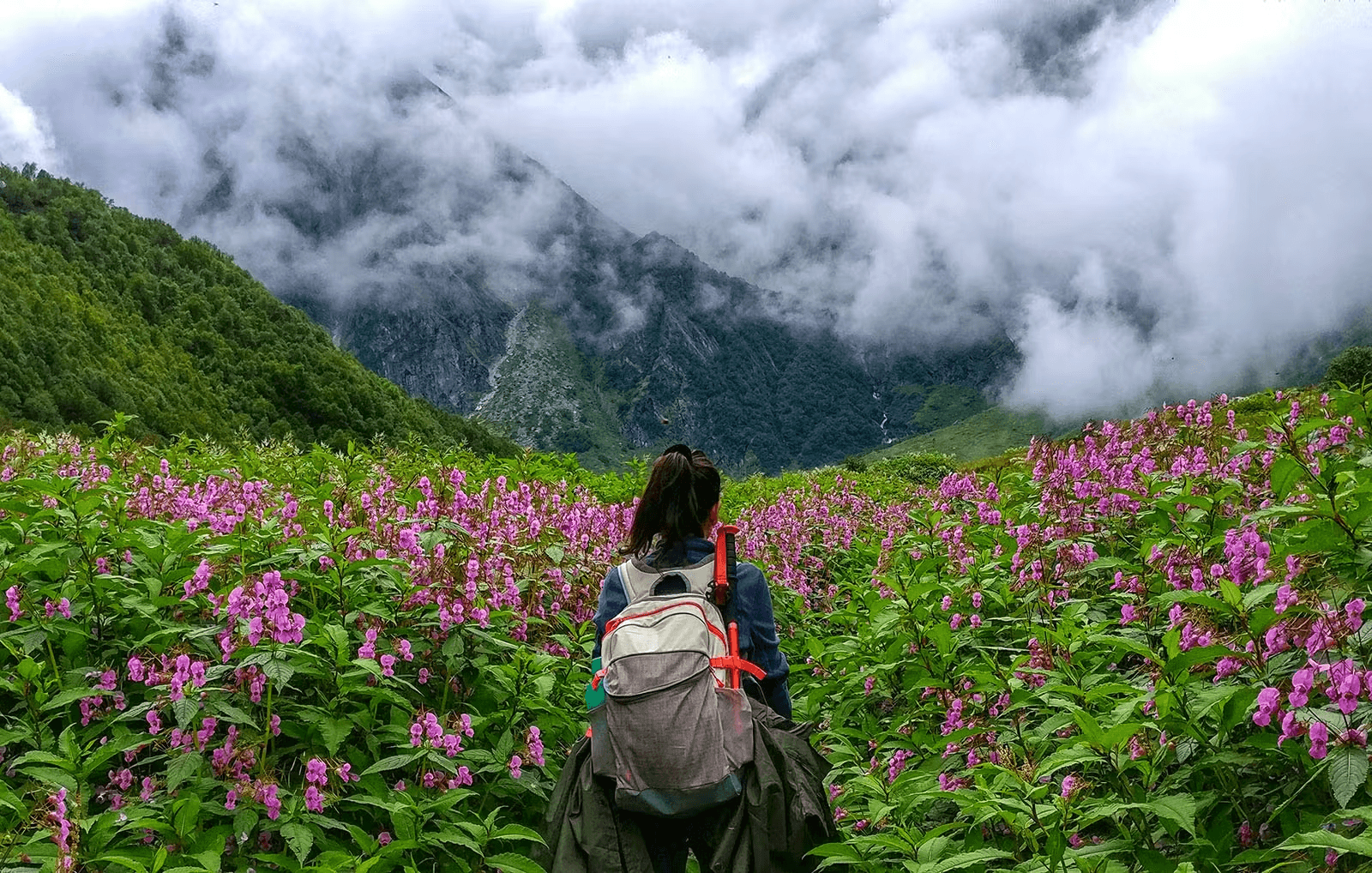
As you walk deeper into the valley, the flora intensifies: Himalayan blue poppies, primulas, cobra lilies, and hundreds of other species burst into bloom depending on the time of the season. Butterflies and bees hum in harmony. Take your time—walk mindfully, pause for photos, or simply sit and take in the grandeur. The deeper you go, the fewer people you'll see.
Return to Ghangaria by afternoon, carrying back something no photograph can capture: a deep sense of awe.
🚶 Trek Distance: ~8 km (round trip)
⏱️ Duration: 5–6 hours
⬆️ Elevation Gain: ~740 m
🏔️ Max Altitude: ~3,660 m
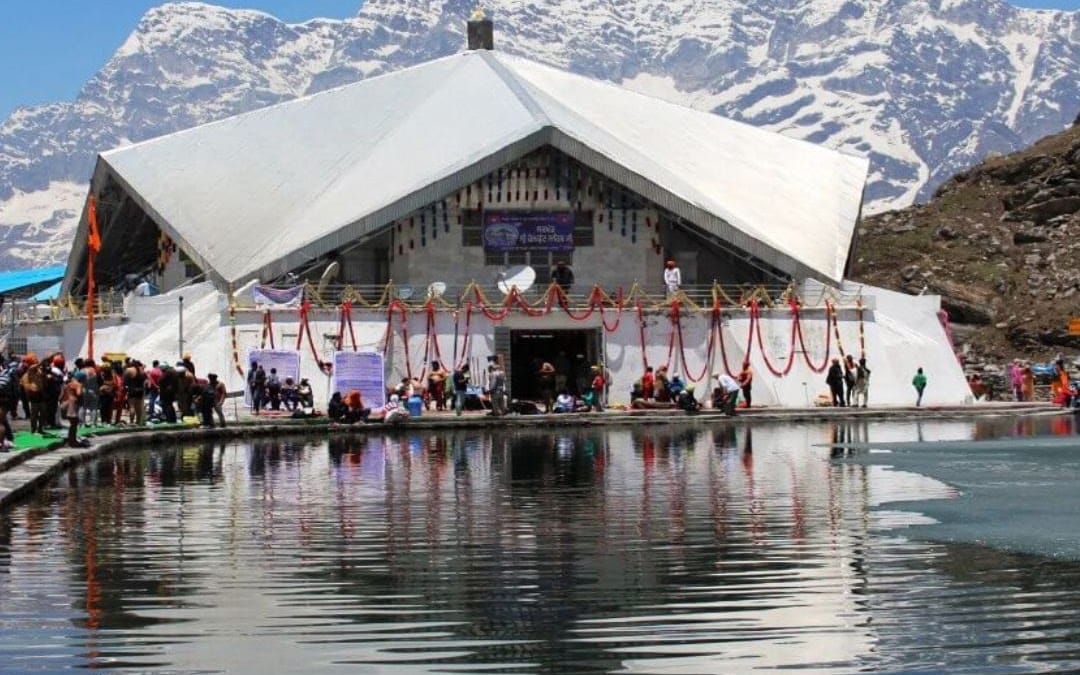
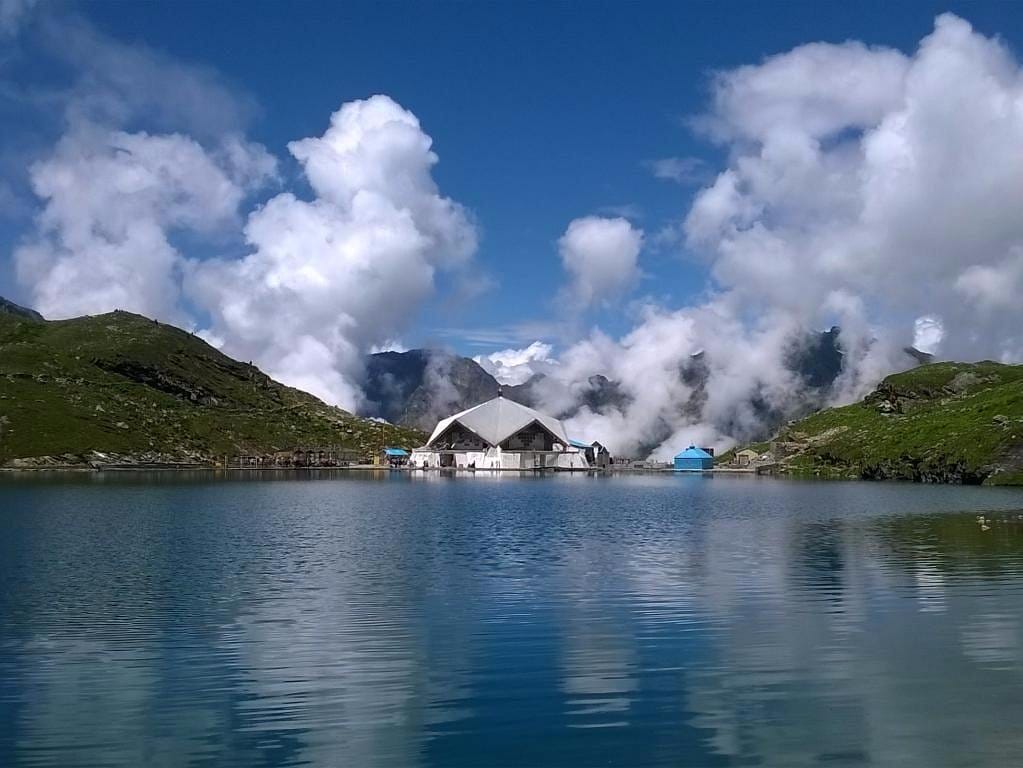
This day is flexible. For those with energy and spiritual curiosity, an early start will take you on a steep but rewarding ascent to Hemkund Sahib (4,329 m), the highest Gurudwara in the world. The trail is a mix of rocky paths and stone steps, lined with Brahma Kamal—the state flower of Uttarakhand that blooms only at these altitudes.
At the top, the serene glacial lake reflecting the stone-clad Gurudwara is an image that stays with you for life. It’s a place of quiet, clean air, and collective reverence. Spend time here, sip the langar tea, and return to Ghangaria slowly.
Alternatively, spend the day resting, journaling, or exploring local trails around the village.
🚶 Trek Distance: ~12 km (round trip)
⏱️ Duration: 6–7 hours
⬆️ Elevation Gain: ~1,400 m
🏔️ Max Altitude: ~4,329 m
After a peaceful breakfast in the crisp morning air, begin your descent toward Pulna, retracing the same scenic trail along the Pushpawati River. You’ll move through forested corridors, cross footbridges, and pass small dhabas now familiar from the ascent. The mood is lighter, more reflective.
Once in Pulna, a short drive returns you to Govindghat, where you’ll check in for the night. The evening is free to relax, explore, or simply enjoy your final Himalayan sunset.
🚶 Trek Distance: ~10 km
⏱️ Duration: 3–4 hours
⬇️ Elevation Loss: ~920 m
🏔️ Max Altitude: 2,920 m → 1,828 m
After an early breakfast, board your vehicle back to Rishikesh. The journey down is scenic and meditative—a chance to absorb everything the past few days have offered. Expect to reach Rishikesh by evening, with your trek completed and the Valley of Flowers etched permanently in memory.
🛣️ Drive Distance: ~270 km
⏱️ Duration: 10–11 hours
🎯 Trip Ends: Rishikesh
Inclusions
All Vegetarian Meals on Trek: Wholesome and hygienic vegetarian food, served hot: breakfast, lunch, evening snacks, and dinner — starting from Day 1 dinner to Day 5 breakfast.
Accommodation Throughout the Trek: Comfortable hotel stays at Joshimath and Ghangaria on triple or quad sharing basis. Clean, sanitized, and ideal for restful nights at altitude.
Experienced Team & Local Support: Certified trek leader, professional guides, and an experienced support team that knows the trail, terrain, and weather.
Essential Medical Support: Oximeter, basic first-aid kit, and oxygen cylinders carried by the team for altitude-related safety.
Hygiene & Clean Camp Protocols: All lodges and campsites maintained for hygiene, sanitation, and comfort — your health and safety is a top priority.
- Permits and Fees: All necessary forest entry permits and camping charges.
Exclusions
Meals During Transit: Meals during the journey to and from the base camp.
Personal Expenses: Tips, laundry, phone calls, bottled water, and other personal expenses.
Personal Trekking Gear: Trekking shoes, jackets, poles, and other personal equipment.
Insurance: Travel and personal insurance.
Emergency Expenses: Costs arising due to unforeseen circumstances like landslides, roadblocks, or medical evacuations.
Additional Expenses
Transportation: Shared Tempo Traveller or similar vehicle from Rishikesh to Govindghat and return – ₹2,000 per person (round trip).
Backpack Offloading: If you’d like to trek hands-free, you can offload your backpack – ₹1,000 for the entire trek.
Gear Rentals (on request): Trekking poles, rain jackets, gaiters, and other essential items available for rent – ₹100–₹300 per item/day.
Miscellaneous: Personal expenses, tips, and any additional snacks or beverages.
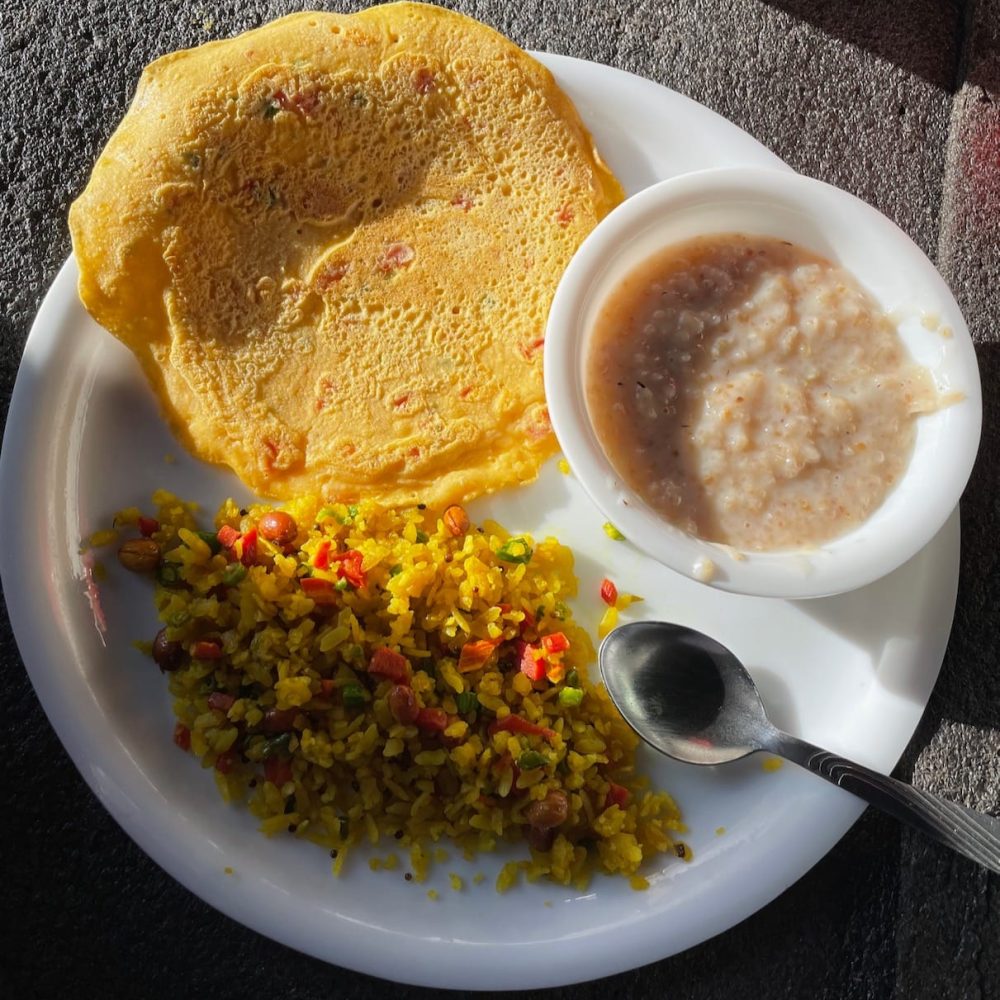
Food & Cuisine
Food on the Valley of Flowers trek is simple, nourishing, and deeply satisfying—made fresh in mountain kitchens by locals who know exactly what your body needs at altitude. Meals are vegetarian, served hot, and paced across the day to maintain your energy through rain, elevation, and effort.
Breakfasts often include warm parathas, poha, upma, or porridge with tea—hearty yet easy on the stomach. Lunch and dinner typically consist of dal, rice, chapati, sabzi, and sometimes local specialties prepared with care. Expect warm soups, stews, or even maggie noodles for post-trek comfort.
Evening snacks are a mountain ritual. A plate of pakoras or a bowl of noodles with hot chai tastes different when you’ve just returned from a meadow of wildflowers.
Hydration is central to staying healthy on this trek. You’ll be encouraged to sip water regularly, and hot water refills or ORS are commonly available at campsites or lodges. Food is kept light and clean—easy to digest, low on spice, and high on energy. No frills. Just fuel for discovery—with a side of Himalayan humility.
Accommodation
Accommodation on the Valley of Flowers trek offers a balance of simplicity, safety, and alpine charm. Your journey begins with a comfortable hotel stay in Govindghat or Joshimath, where you can rest from the long drive and soak in the early mountain energy.
From there, you’ll stay in lodges or guesthouses in Ghangaria, the alpine village that serves as your base for exploring the valley and Hemkund Sahib. Rooms are on triple/quad sharing basis, basic but clean—with cozy bedding, attached washrooms in some cases, and hot meals served indoors.
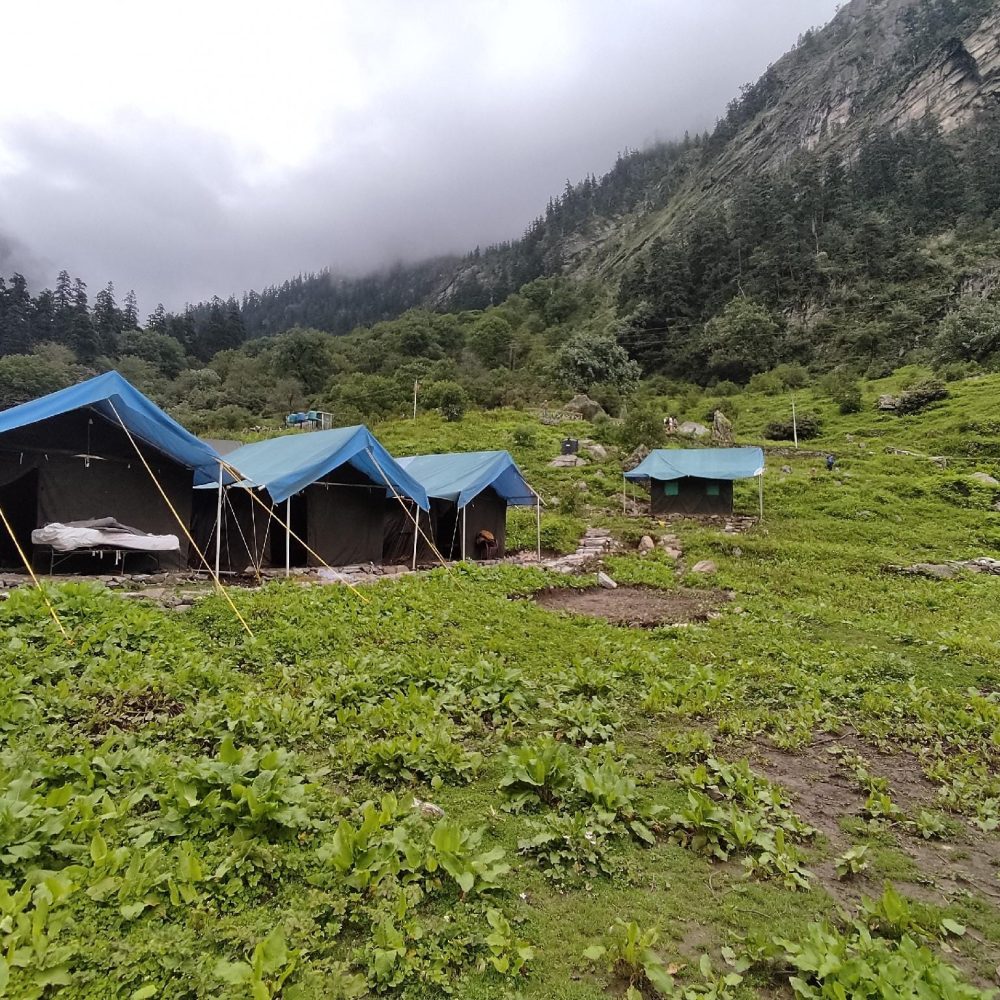
Unlike high-altitude tented expeditions, this trek keeps you in sheltered, permanent structures—ideal for the monsoon season when the valley is in bloom. You’ll find common dining spaces, electricity (for charging essentials), and hot water available at most accommodations.
There are no luxury frills—but you gain something more lasting: the joy of drying boots by the fire, sleeping to the sound of the river, and waking to mist curling through pine forests. With every passing day, comfort starts meaning something else entirely.
Fitness & Difficulty
The Valley of Flowers trek is ideal for first-time trekkers who are reasonably fit and motivated. With a highest altitude of 3,660 m, the trail gives you time to acclimatize gradually while exploring both biodiversity and cultural depth.
Daily distances range from 8 to 12 km, depending on whether you visit Hemkund Sahib. The path is non-technical, well-paved in most sections, and doesn’t require ropes or snow gear. You’ll encounter stone steps, gentle gradients, and a few steeper patches—especially if you opt for the Hemkund Sahib climb.
The trail offers a combination of forest walking, river crossings via bridges, and panoramic alpine sections. Because most nights are spent at around 2,900 m, you acclimatize steadily without the harsh effects of higher expeditions.
That said, stamina still matters. A month of brisk walking, stair-climbing, or light jogging before the trek can go a long way. The key is consistent movement over 4–6 hours each day with a daypack.
If you can walk 6–8 km a day with a small backpack and recover overnight, you’re ready for this trail. What it asks of you is not heroism—but presence. The valley doesn’t rush. Neither should you.
Dates Available
DATES |
AVAILABILITY |
|---|---|
12 July
|
Slots Available
|
20 July
|
Slots Available
|
Trek Fee: ₹11,500 + 5% GST per person
(This includes everything – comfortable stays, delicious meals, permits, expert guides, and more, as detailed in the Inclusions above.)
To Confirm Your Spot:
Click the Book Now button below to proceed with your booking. You’ll have the option to select your preferred dates and any optional add-ons on the next page.
Something Else In Mind?
We get it — adventures should feel personal. We’re here to co-create a version of this journey that feels right for you.
Start on your preferred dates
Custom inclusions & stay options
Tweak the itinerary or route
Plan a private group experience
Fill out the form or drop us an email at mail@outdoorwhisperer.com with your questions & requirements, and we’ll get back to you as soon as possible. For a quicker response, feel free to reach us directly at +91-8285967537.
Send Us Your Query
Why Outdoor Whisperer?
We do things a bit differently — and proudly so. We don’t chase numbers; we focus on depth, care, and quality. Each trek is meticulously planned, and organized with warmth, care, and an unwavering focus on your safety. From pre-trek online briefings to carefully curated experiences on-ground, we believe the best adventures are the ones that feel like they were made just for you.
Founder-led Journeys
Every batch is personally led by our founding team — not outsourced. We’re deeply involved in your journey, from planning to trail.
Quality Over Quantity
We run fewer batches on purpose. It lets us focus on doing each trek really well, with attention to detail, better care, and stronger group vibes.
Designed With Heart
We thoughtfully craft each batch to feel personal — with small surprises, better pacing, and meaningful touches that make the journey feel your own.
Safety Comes First
From altitude protocols to evacuation readiness, our on-ground team is WFR-certified, highly experienced, and well-versed with Himalayan conditions.
Pre-Trek Online Briefing
Before every departure, we host detailed virtual briefings so you're mentally and logistically prepped for what lies ahead.
Transparent Pricing & Terms
No hidden charges. No unpleasant surprises. We only offer what we’d want for ourselves — quality, integrity, and care.
What To Pack?
Things to Pack for Valley of Flowers Trek
The Valley of Flowers trek takes you through a mix of forests, meadows, wet slopes, and cold terrain — so packing smart is the key to staying warm, dry, and comfortable throughout the journey.
Dress in layers, choose lightweight materials, and avoid overpacking — everything should fit neatly into a single rucksack.
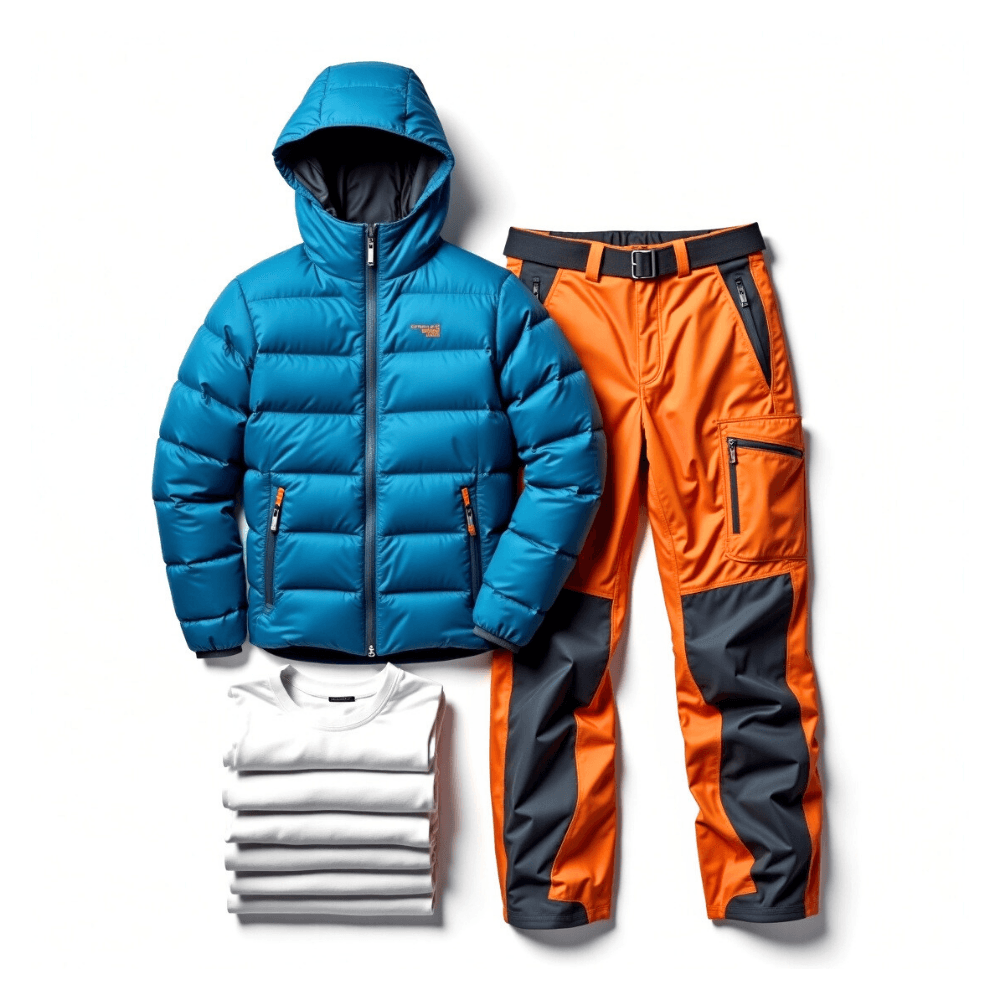
Clothing – Layer Up Smart
- 3 full-sleeve quick-dry trekking t-shirts
- 1 light fleece / woolen pullover
- 1 down jacket / padded jacket (sufficient warmth for sub-zero nights)
- 1 waterproof shell jacket or poncho
- 2 pairs trekking pants (at least one quick-dry; avoid jeans)
- 1 set thermal inners (top & bottom)
- 4–5 pairs of warm trekking socks (mix of wool + synthetic)
- Woolen cap / beanie + sun cap or wide-brimmed hat
- Buff or scarf (for dust, sun, and wind protection)
- Waterproof gloves + fleece inner gloves
- Undergarments (quick-dry preferred)
Footwear & Accessories
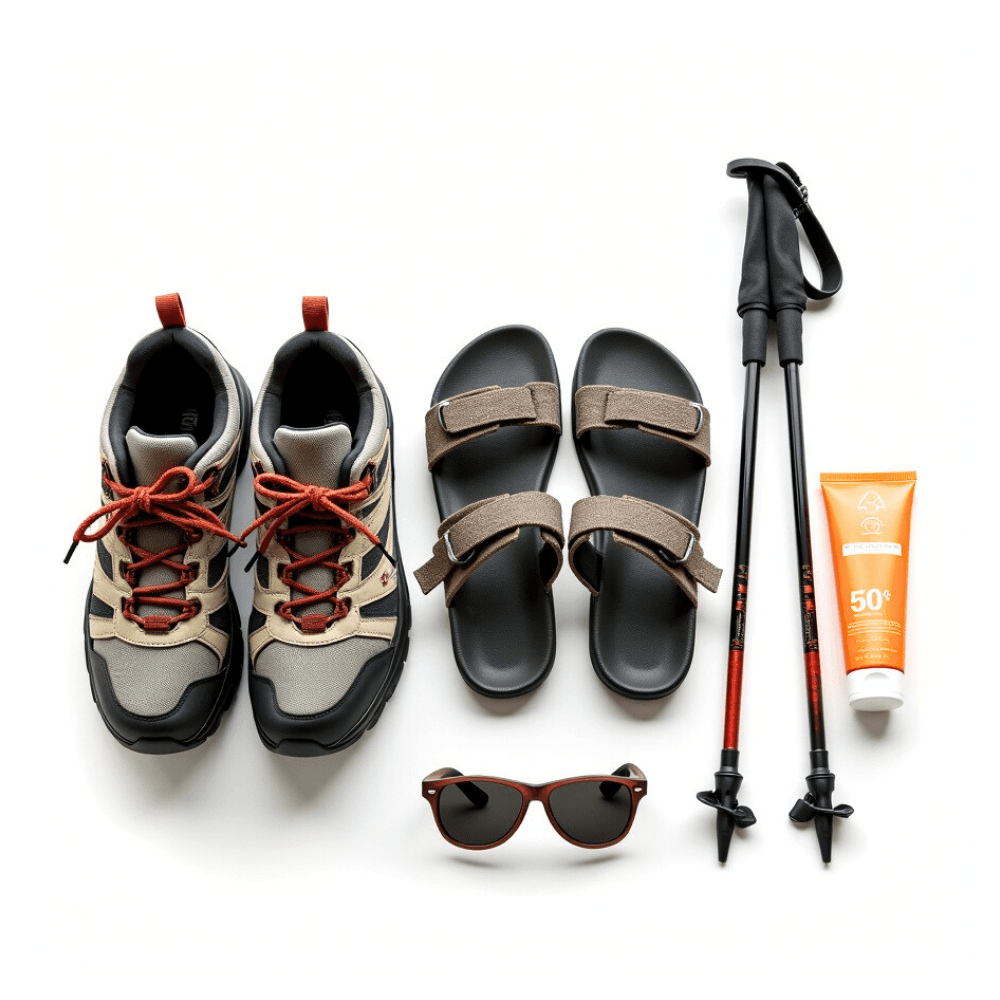
Waterproof, high-ankle trekking shoes with good grip
Floaters/slippers – for campsite use
Gaiters (optional, based on snow conditions)
Trekking poles (highly recommended for descent and stability)
UV-protected sunglasses – must-have for snow days
Sunscreen SPF 50+
Lip balm with SPF + Moisturizer
Gear & Packing Essentials
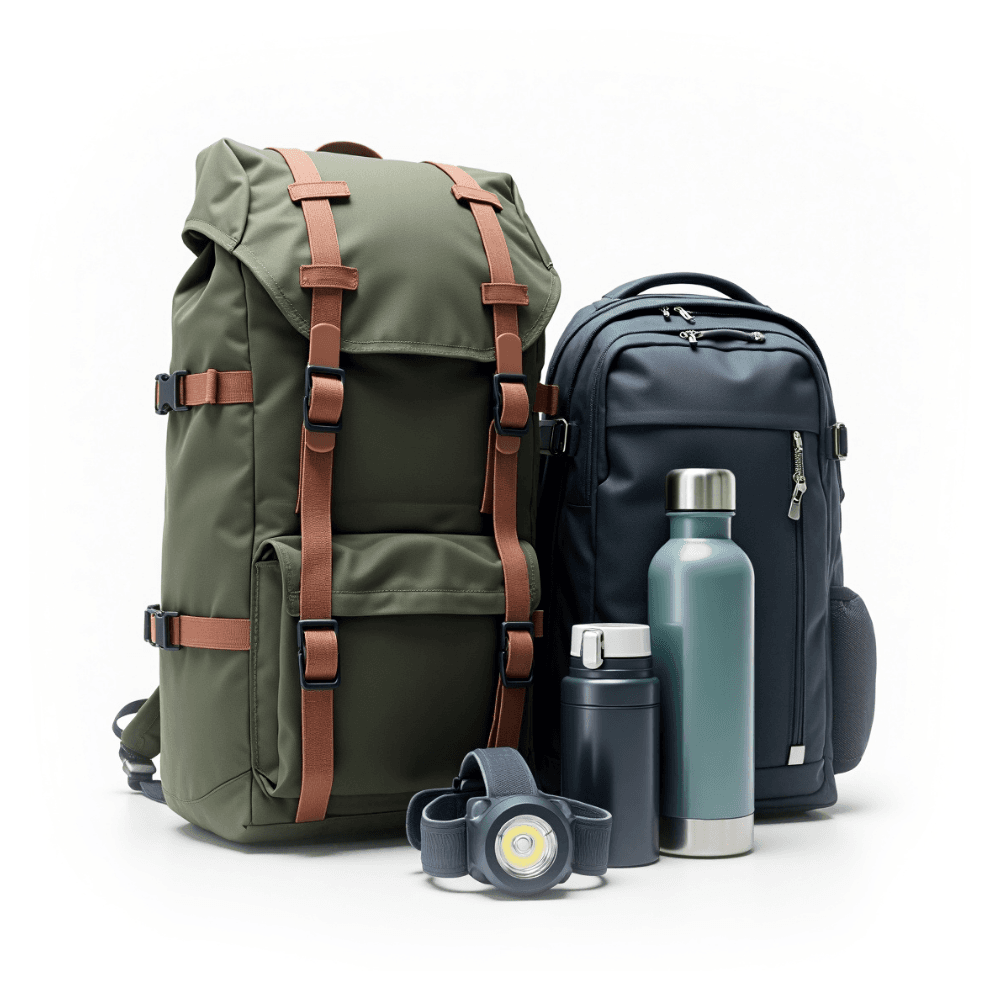
50–60L backpack with good back support & rain cover
Small 20–25L daypack – for optional Chandratal visit or summit day (if carrying own load)
Headlamp with extra batteries
Water bottles (2L total capacity) or hydration bladder
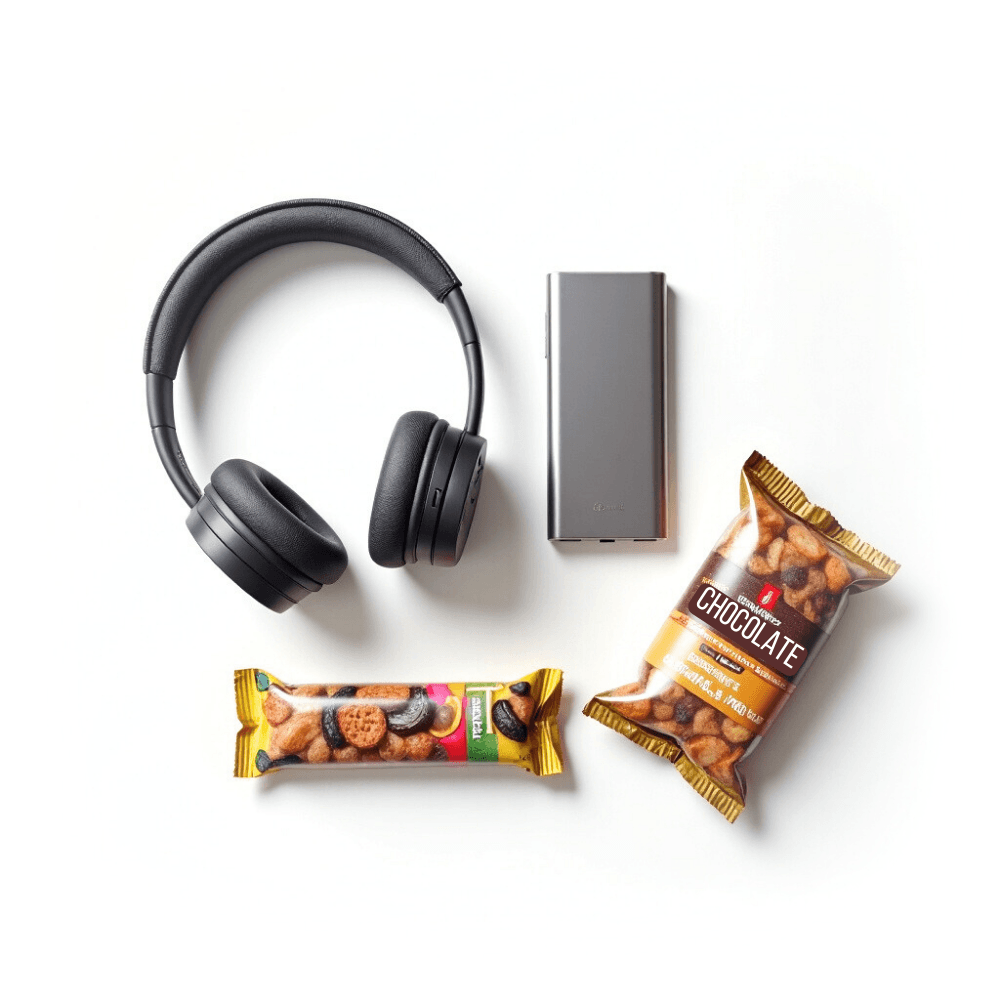
Power bank + charging cable
Dry bags or packing cubes – to keep things organized and dry
Passport-size photos + ID copy (for permits)
Small lock – for hotel luggage or bag security
- Tiffin box / snack box (for packed lunch)
- Cash (for Sankri market or café stops; ATMs not reliable)
NOTE: All cutlery, cups, and utensils are provided by us. No need to carry personal lunchboxes or mugs.
Personal Hygiene & Toiletries
Toothbrush + toothpaste
Quick-dry towel or small microfiber towel
Biodegradable soap or soap strips
Toilet paper + tissues
Hand sanitizer + wet wipes
Nail cutter + comb
Menstrual hygiene products (if applicable)
Small pouch for toiletries


Health & Medical Kit
Diamox (Acetazolamide) – for altitude (consult your doctor)
Personal medication (for asthma, diabetes, etc.)
Basic painkillers – Combiflam, Crocin
Band-aids, blister patches
Antiseptic ointment
ORS/Electrolyte sachets
Anti-diarrheal tablets
Antihistamines (if you have allergies)
Extras & Good-to-Haves
Energy bars, dry fruits, OR homemade trail mix
Notebook + pen (great for journaling!)
Playing cards or small game for downtime
Lightweight reading book or Kindle
Eye mask + earplugs (for light sleepers)
Camera + spare batteries/memory card
Climbing Gear? Not Required!
This is a trekking expedition — no personal climbing gear needed. All group logistics like tents, sleeping bags, and kitchen setup are provided by us. You only need to bring your personal gear and wearables.
Common Questions
The Valley is open from June 1 to October 31, with mid-July through August offering peak floral bloom. During this window, the valley explodes with color—Himalayan blue poppies, primulas, cobra lilies, orchids, and more—depending on seasonal variations. Flowering begins in June and may taper off by late September.
Yes, all visitors—Indian and foreign—must carry a valid entry permit. These should be booked online in advance, then collected at Govindghat or Ghangaria. Daily fees apply: ₹200 for Indian adults, ₹800 for foreigners, with concessions for students and seniors. Camera/video permits are extra.
Typically, pilgrims enter the valley from 7 AM to 2 PM, and all visitors must exit by 5 PM, ensuring safety before evening light fades. Timings may slightly vary based on year. Transport to Govindghat/Ghangaria is timed to align with these windows.
Most trekkers depart Rishikesh early morning for the 8–9 hour scenic drive to Govindghat (~270 km). Shared taxis, tempo travellers, and private cars are common. Roads ascend through Devprayag, Rudraprayag, and Joshimath. Public buses are available but less flexible than private transport.
Accommodation includes double/triple-sharing mountain lodges in Govindghat and Ghangaria—no tented camps. Lodges are basic but clean, with shared bathrooms, hot water, charging points, and cozy bedding. Expect simple comfort, not luxury.
Vegetarian meals are served hot and fresh by local cooks. Breakfasts may feature parathas, poha, or porridge; lunch and dinner include dal, rice, chapati, sabzi, soups, and sometimes local dishes like mandua roti. Evenings bring snacks like pakoras or maggie and chai. Hydration is emphasized—hot water, water refills, and ORS are available.
This trek is non-technical and marked well—ideal for beginners and moderate-trek enthusiasts. Trekking boots, fitness, and acclimatization matter more than technical skill. However, the optional Hemkund Sahib day involves steeper climbs and longer distances.
Most trekkers adjust well, as nights are spent at a moderate 2,900 m in Ghangaria. Mild symptoms—headache, nausea—can occur. Guides carry oximeters and oxygen cylinders. Staying hydrated, eating well, and ascending at a steady pace drastically reduces risk.
Aim for cardiovascular fitness: 4–6 hour walking or trekking simulations carrying a 5–7 kg pack. Stair climbing, jogging, or cycling are excellent prep, practiced regularly at least a month before departure. Cumulative daily effort matters more than one-time exertion.
Yes—as long as they walk consistently, acclimatize well, and maintain moderate fitness. Families with children (7+) and older trekkers (60+) have completed the journey comfortably when pacing themselves and resting frequently.
Govindghat to Ghangaria: ~10 km, 920 m ascent
Ghangaria to Valley of Flowers: ~8 km round-trip, 740 m ascent
Optional Hemkund Sahib: ~12 km round-trip, 1,400 m ascent
Ghangaria back to Govindghat: ~10 km, descent of 920 m
Expect well-paved trails until Ghangaria, followed by alpine grasslands, stone river-crossings, and mud in the monsoon. Some sections may be slippery or rocky, but the route is well-maintained.
4–6 hours each day is typical. The Hemkund Sahib day can stretch to 7–8 hours due to elevation gain and longer distance.
Yes—local porters or mules can carry personal luggage for an additional fee. Lodge and kitchen supplies are managed by the trek team by default.
Mobile connectivity is limited—BSNL and Idea networks sometimes work in Govindghat and Ghangaria. Expect no internet or phone signal deeper on the trails.
Sightings of musk deer, Himalayan monal (Danphe), snow leopard tracks, and blue sheep are possible, mainly around Ghangaria and above. Frequent birdlife includes thrushes, whistling bluebirds, and mountain finches.
Yes—unlike many areas, the flowers bloom fully in July and August when the valley is most accessible. Trails can be wet; rain gear and gaiters are vital.
The optional Hemkund Sahib route involves a significant altitude jump. Trek only if you’re medically fit, properly acclimatized, and feeling strong. Everyone travels at their own pace; guides monitor health closely.
No clinics en-route. Guides carry first-aid kits, oximeters, and oxygen. Nearest access to medical help is in Joshimath—trek teams have emergency protocols.
Layered clothing (base layer, mid-layer, waterproof outer shell), insulated jacket, thermal socks, waterproof boots, gaiters, and poncho or rain suit are essential. Nights can dip below 5 °C even in summer. Quick-dry materials keep you comfortable.
Yes—pit and portable toilets are available at Ghangaria lodges and at Hemkund Sahib. Between these spots, basic drop-toilet points exist. Guides provide biodegradable bags where needed.
Strongly recommended. Make sure it covers high-altitude trekking and emergency evacuation (e.g., helicopter).
Monsoon season can cause trail or road closures. Guides have back-up routes and contingency plans. Delays, rescheduling, or rerouting is rare but possible.
There may be lingering snow patches above Ghangaria early in the season (June-July). With rains, trails might be wet but rarely icy. No technical snow gear is required unless you opt for Hemkund during shoulder seasons.
Tipping is appreciated but entirely voluntary. Standard practice in the region is ₹300–500 per guide or team member depending on service and group size.
No; breakfast is included in Govindghat before departure. Food during transit (Days 1 and 6) is not included—but stops are made at local dhabas.
Most trekkers take 1–2 days of light activity after return—yoga, leisurely hikes, or city exploration in Rishikesh. Always listen to your body—it’s perfectly normal to feel fatigue or soreness for a day or two after a high-altitude trek.
We understand that plans can change, and we try to keep our cancellation policy fair and transparent. Depending on how close to the departure date you cancel, partial refunds are possible, and we also offer options to transfer your booking to a future trip in certain cases.
For the full breakdown of timelines, conditions, and refund details, please check out our complete cancellation policy here: