
Kuari Pass
A Himalayan Tapestry of Snow, Forests & Panoramic Peaks
Altitude
3,815 Meters
Difficulty
Easy
Duration
6 Days
Location
Uttarakhand
Fee
INR 12,500
Overview
READ MORE
KUARI PASS TREK HIGHLIGHTS
Panoramic Himalayan Views:
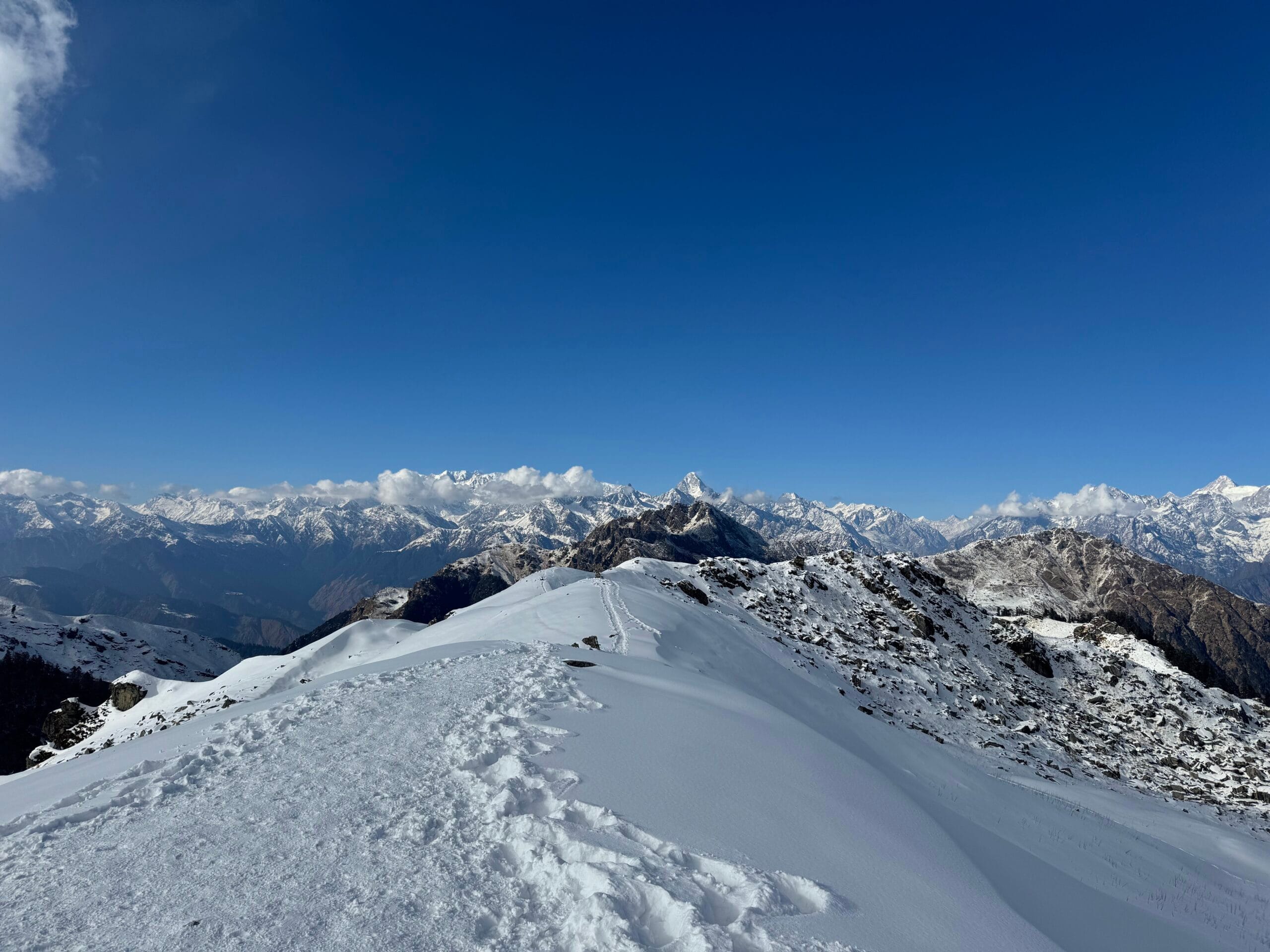
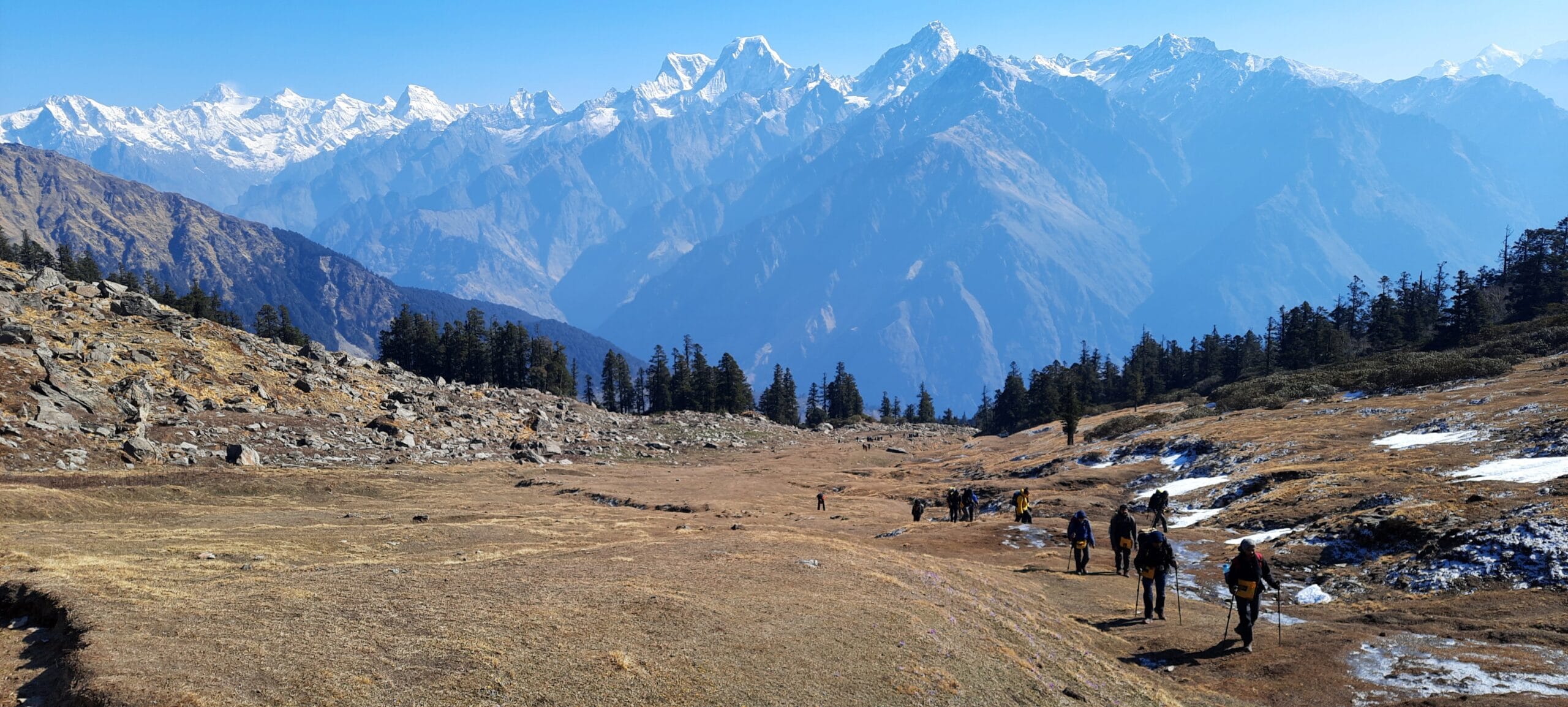
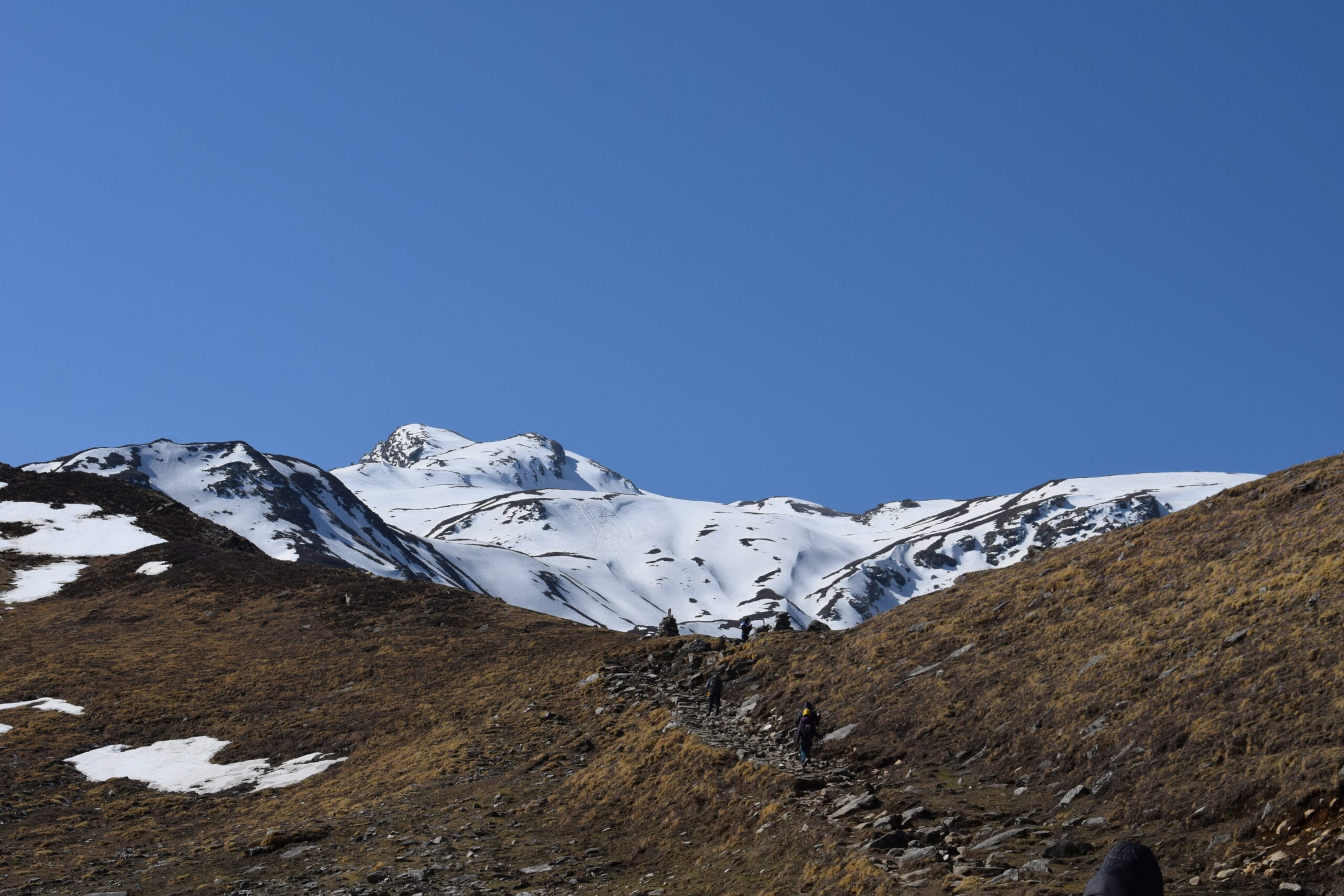
Witness a stunning 180°–360° canvas of Garhwal’s giants — including Nanda Devi, Dronagiri, Hathi-Ghoda, Kamet, and Trishul — all in one frame.The Legendary Lord Curzon Trail:
Walk a historic route once explored by British Viceroy Lord Curzon — now a favorite among Indian and international trekkers alike.Perfect Snow Trek for Beginners:
A rare trek that offers snowy wonderlands and alpine beauty without the steep difficulty — ideal for first-timers, families, and casual hikers.Forests that Turn into Snowfields:
Journey through ancient oak and rhododendron forests that gradually give way to snow-covered meadows and open ridgelines.Alpine Campsites with Starry Skies:
Camp at breathtaking locations like Tali and Khullara, where night skies are crystal clear and mornings open up to golden Himalayan sunrises.A Quick Escape with Grand Rewards:
In under a week, Kuari delivers the drama and beauty of a much longer Himalayan expedition — perfect for short travel windows.Charming Villages & Pahadi Hospitality:
Experience the warmth of Uttarakhand’s mountain communities and their simple, soul-nourishing way of life.Best of Every Terrain — In One Trail:
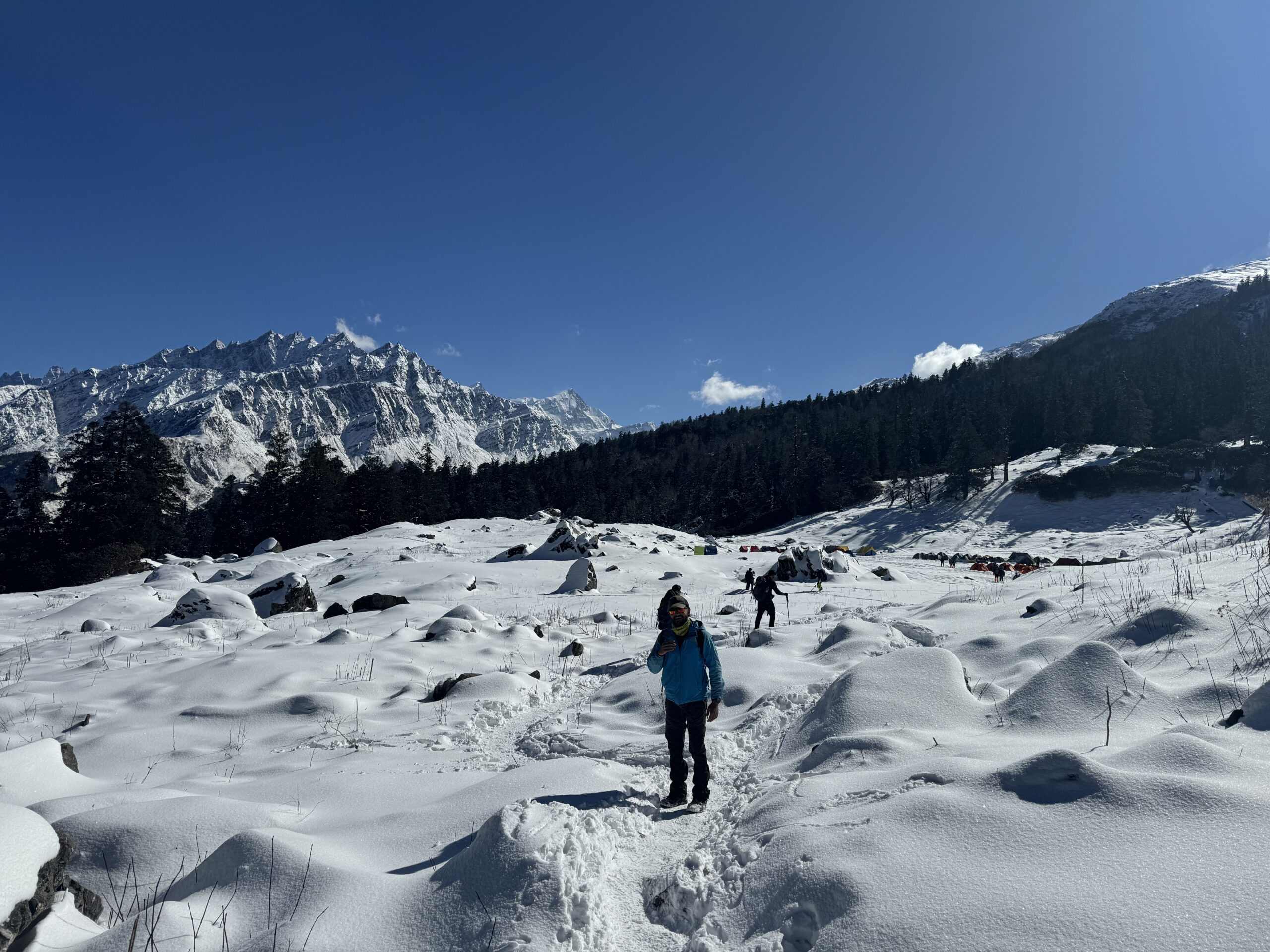
From terraced farmland and dense woods to high-altitude meadows and snow-kissed passes, Kuari is like trekking through a living postcard.Gorson Bugyal & Open Ridge Walks:
Walk through the vast, undulating Gorson Bugyal — a high-altitude grassland blanketed in snow during winter, glowing green in spring.Sunsets Over Nanda Devi:
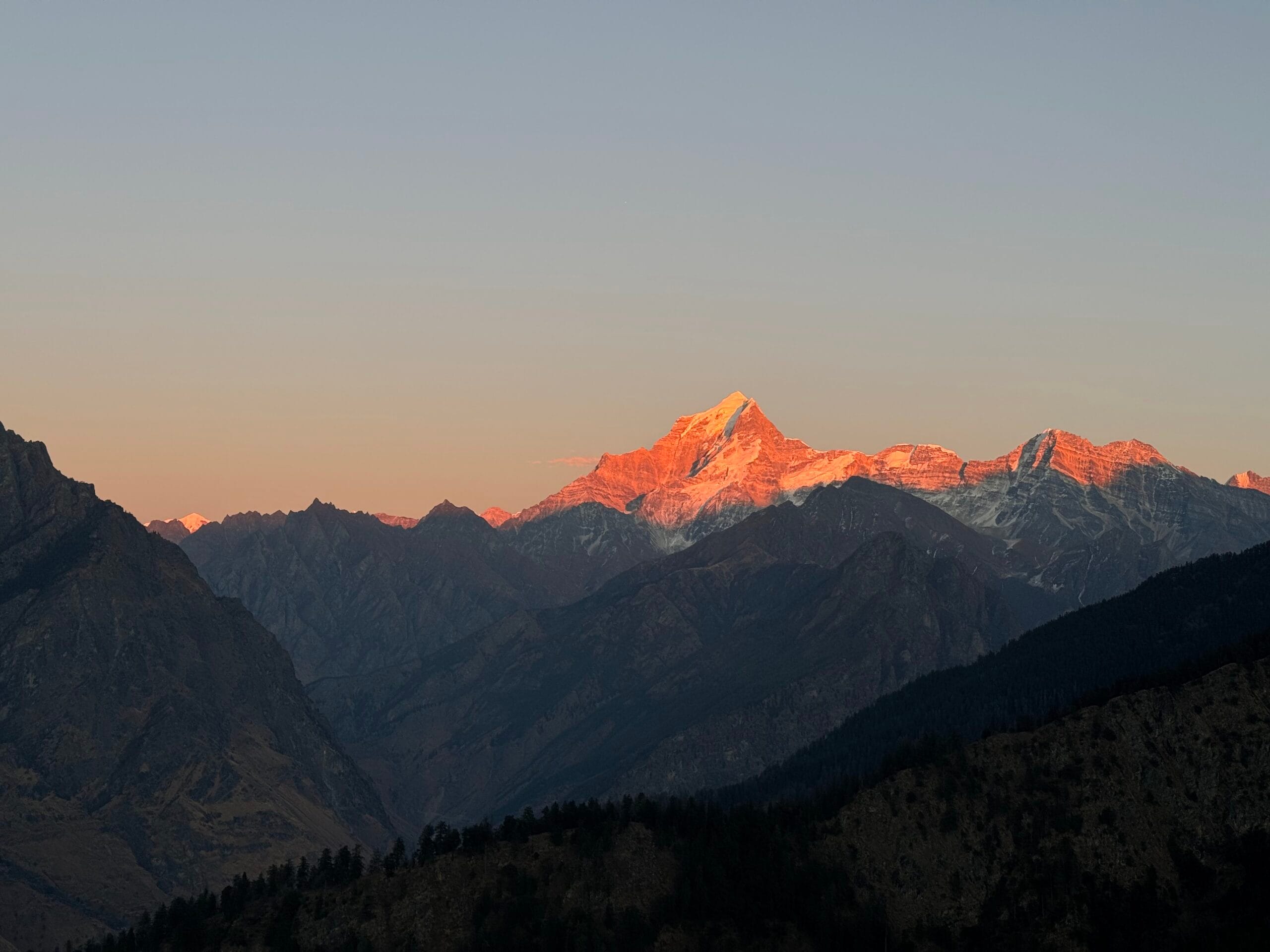
End your days with surreal sunsets painting the icy peaks orange and pink — especially magical on clear winter evenings.
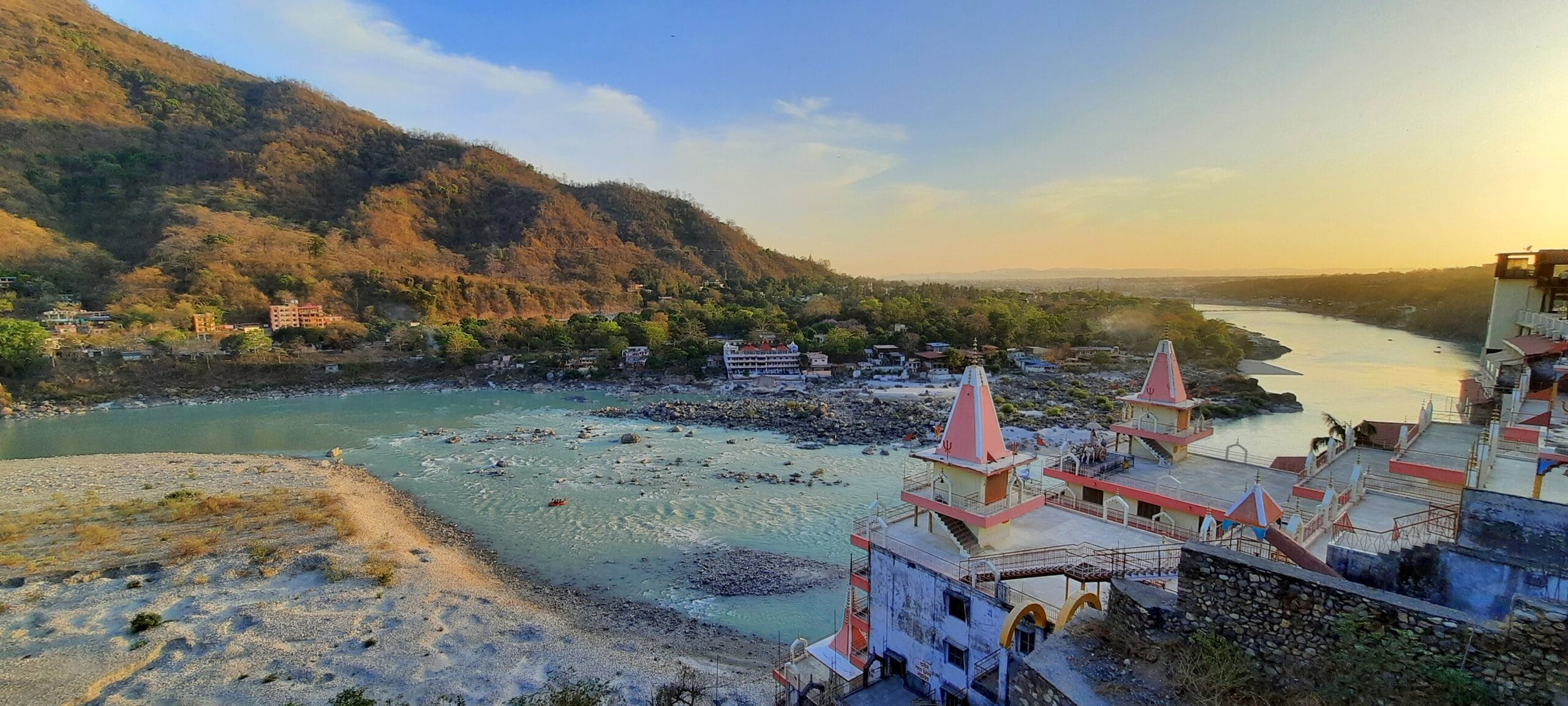
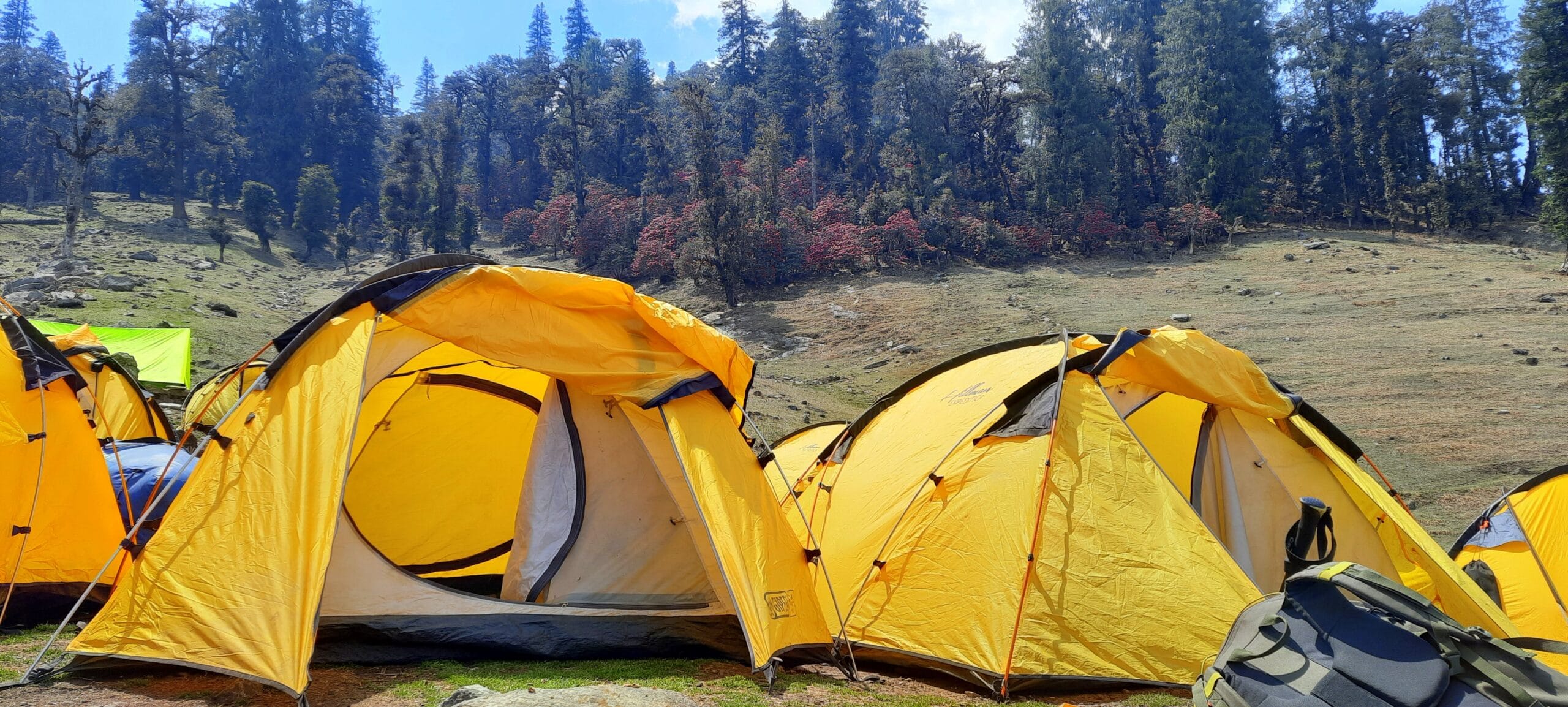
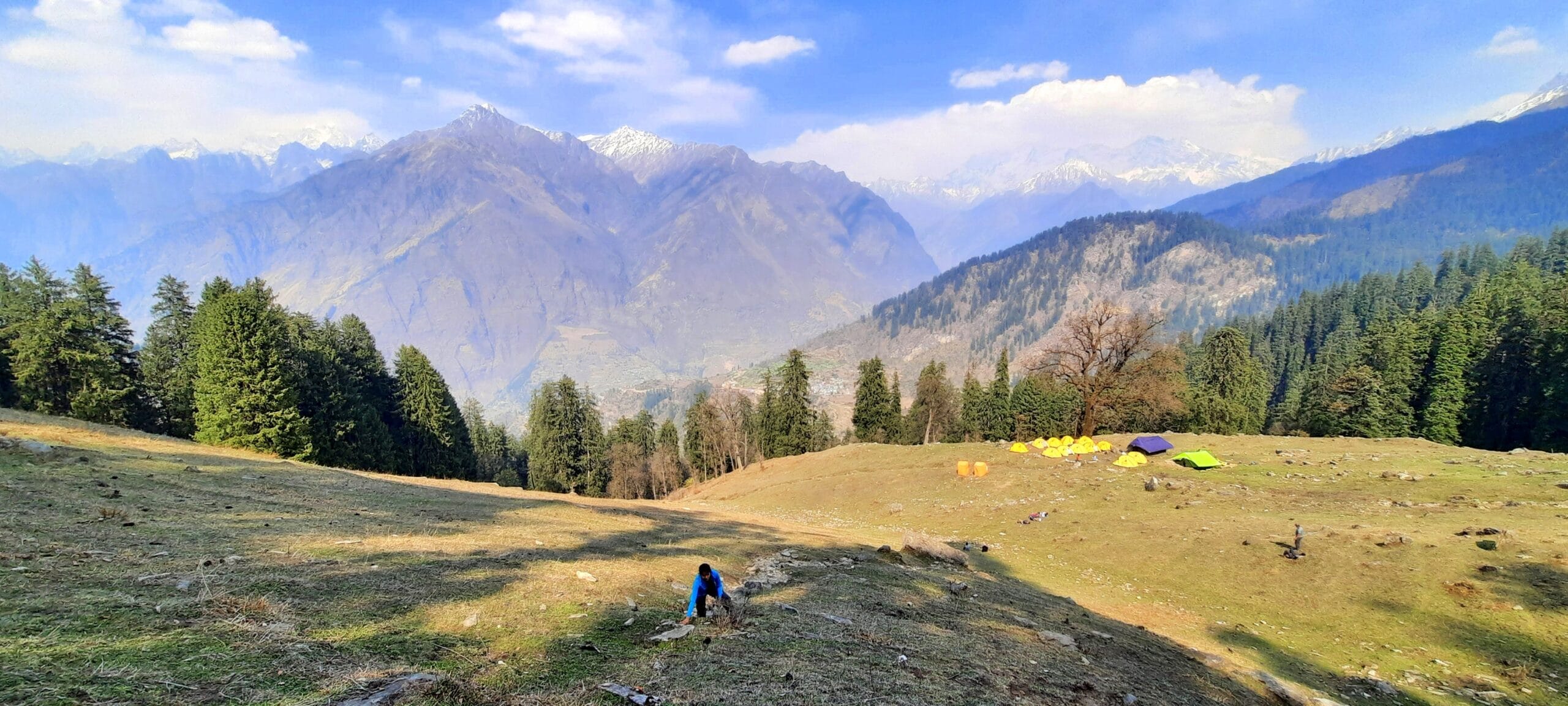
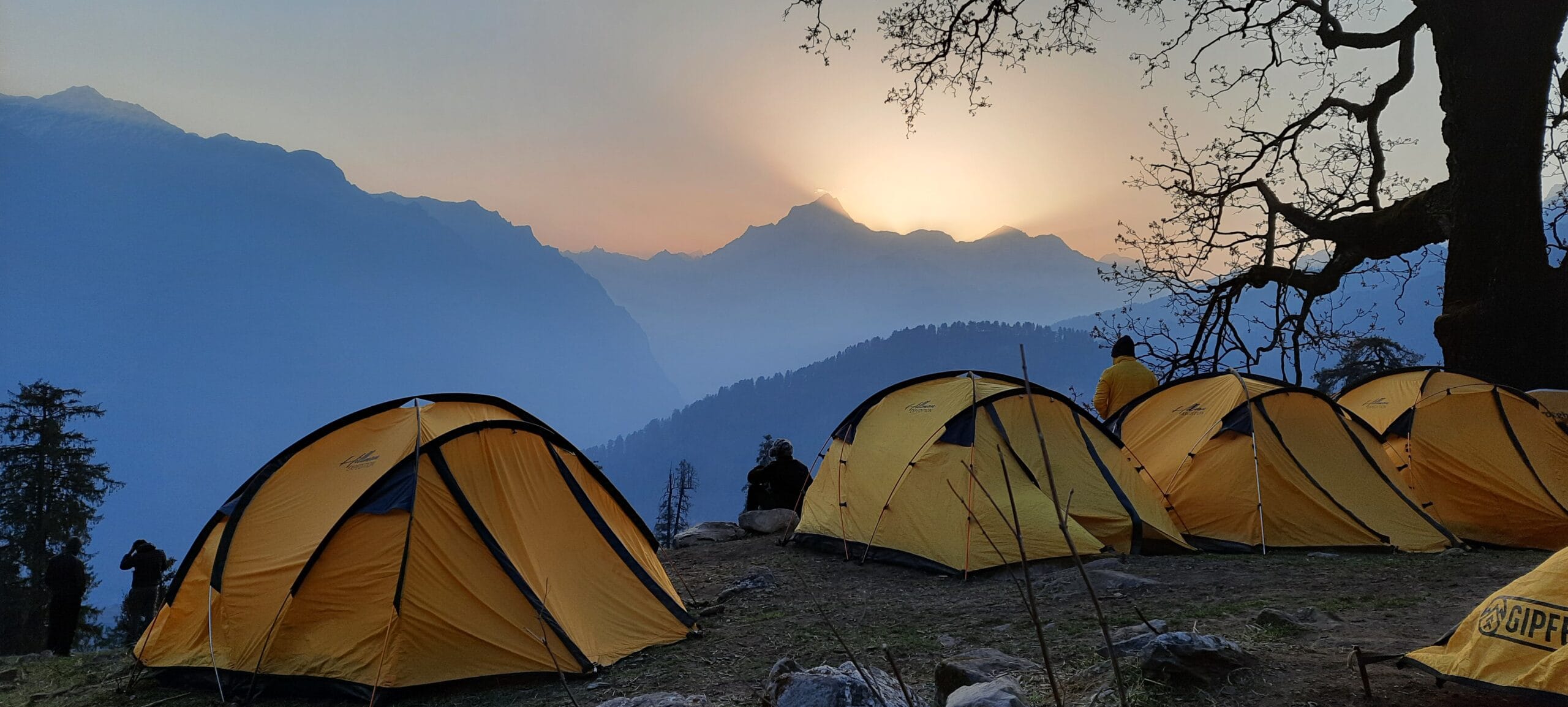
Itinerary
Your journey begins from the holy town of Rishikesh — the gateway to the Garhwal Himalayas. As you leave behind the city buzz, the road meanders alongside the Ganga and later the Alaknanda River, passing through the sacred confluences of Devprayag, Rudraprayag, and Karnaprayag. These Prayags hold deep spiritual significance and are also marvels of nature where rivers like Bhagirathi, Mandakini, and Pindar meet the mighty Alaknanda.
This drive is not just a commute — it’s a slow immersion into the mountains. You’ll notice the air getting thinner and cooler as you gain altitude, and the vegetation shifting from tropical greens to Himalayan pine. By late afternoon or evening, you’ll reach Joshimath, a vibrant mountain town and your base for the trek. Check in to your hotel/guesthouse and relax. A trek briefing and gear check happens in the evening.
Altitude: Rishikesh (340m) to Joshimath (2,000m)
Distance: 255 km | Duration: 9–10 hours
Altitude Gain: +1,660m
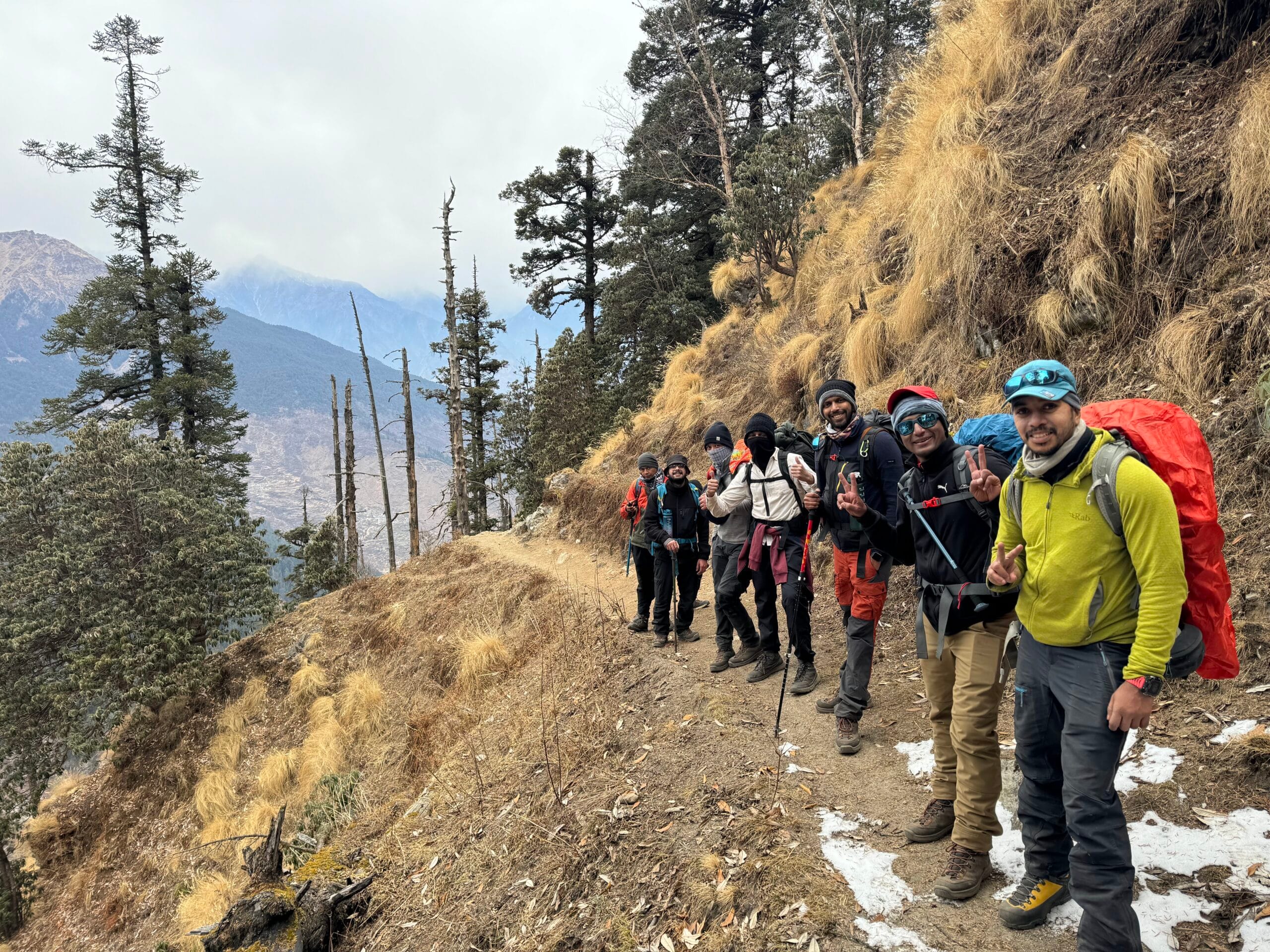
After an early breakfast, a short drive takes you to Dhak village, the starting point of your trek. The trail kicks off with a climb that cuts through traditional mountain homes, terraced fields, and old-world Garhwali life. As you ascend, the terrain shifts from dusty mountain paths to forest trails, with bursts of rhododendrons if you're trekking in spring.
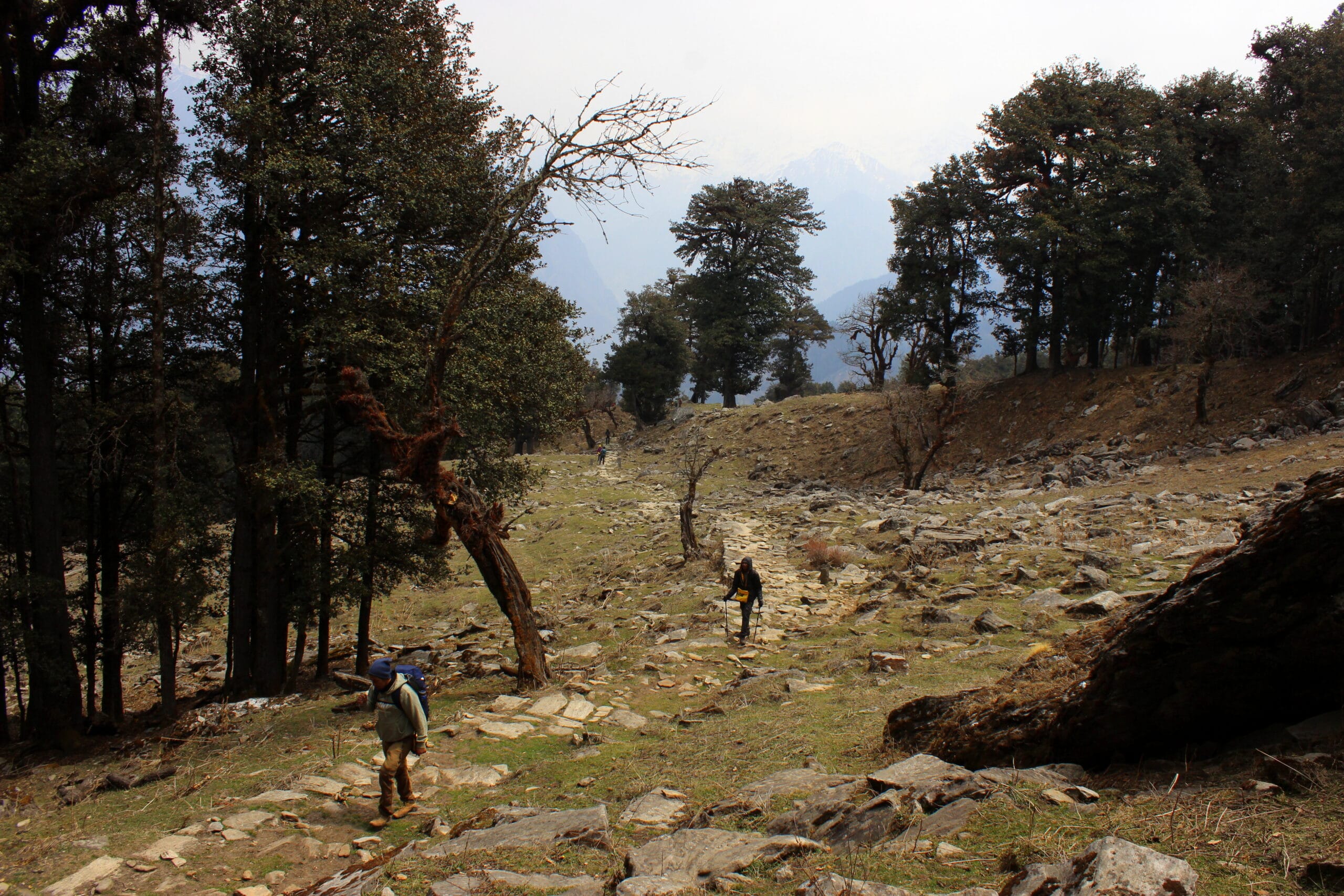
After a few hours of hiking, you’ll enter dense oak and pine forests that wrap around you with cool shade and the sound of chirping birds. The final stretch brings you to Gulling, a serene forest-side campsite with front-row views of Dronagiri and surrounding snow-clad peaks. Tents are pitched in a clearing surrounded by trees — perfect for a peaceful evening under the stars.
Altitude: Dhak (2,100m) to Gulling (2,800m)
Trek Distance: 5 km | Duration: 3–4 hours
Altitude Gain: +700m
This day is all about forest magic and mountain glimpses. As you leave Gulling behind, the trail becomes even more scenic — winding through a thick forest of oak, maple, and rhododendron. The gradual ascent gives you time to soak in the silence of the woods, the sound of snow crunching beneath your feet (in winter), and the occasional opening that reveals Dronagiri’s towering presence.
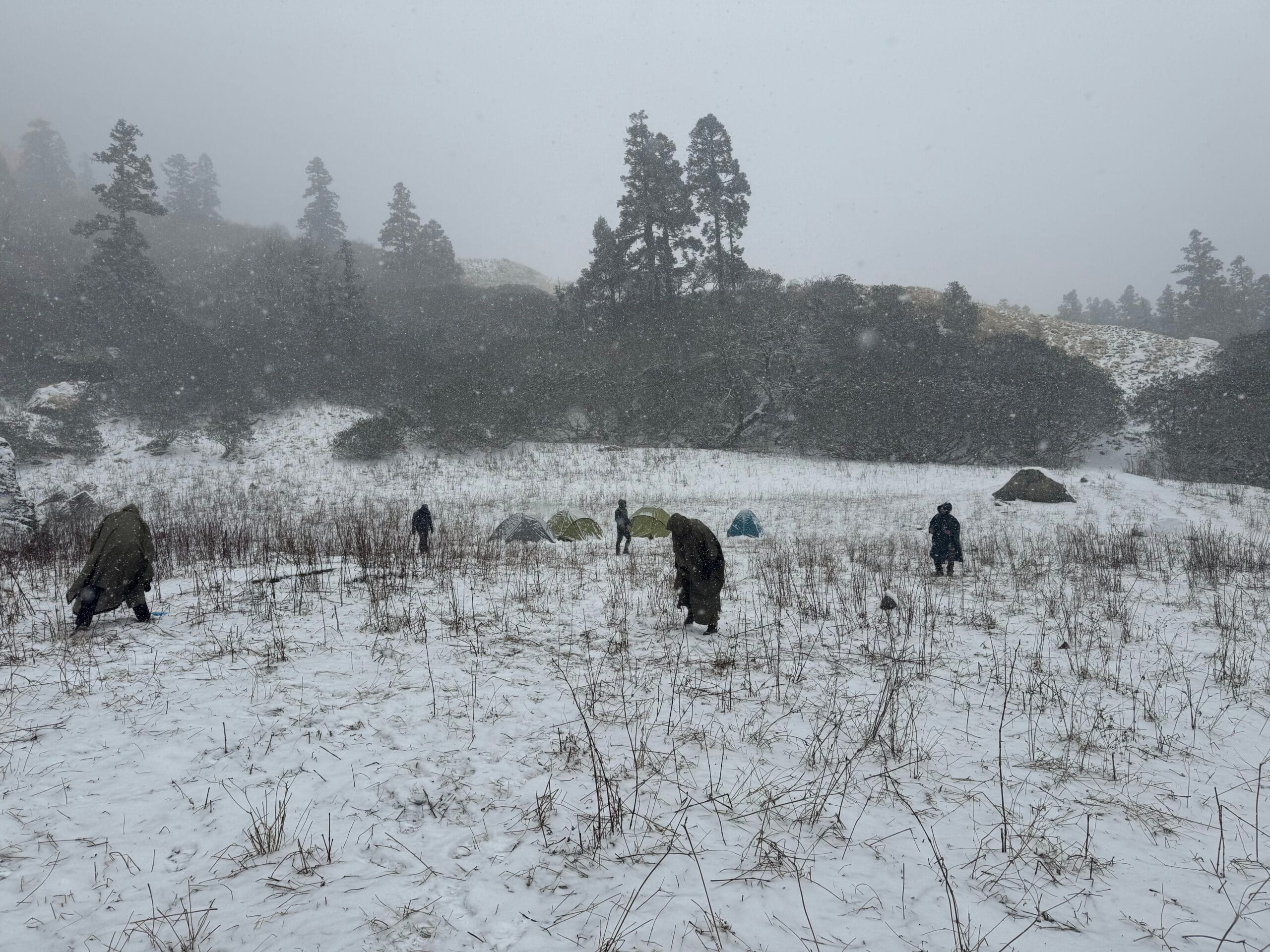
Soon, the tree line begins to fade and you're greeted by the expansive meadow of Khullara — your campsite for the night. In winter, this meadow turns into a snowfield with soft undulating mounds that catch the golden glow of the sunset. Camp here feels surreal, with vast open skies, unobstructed views, and a serene vibe that trekkers fall in love with.
Altitude: Gulling (2,800m) to Khullara (3,350m)
Trek Distance: 4.5 km | Duration: 3–4 hours
Altitude Gain: +550m
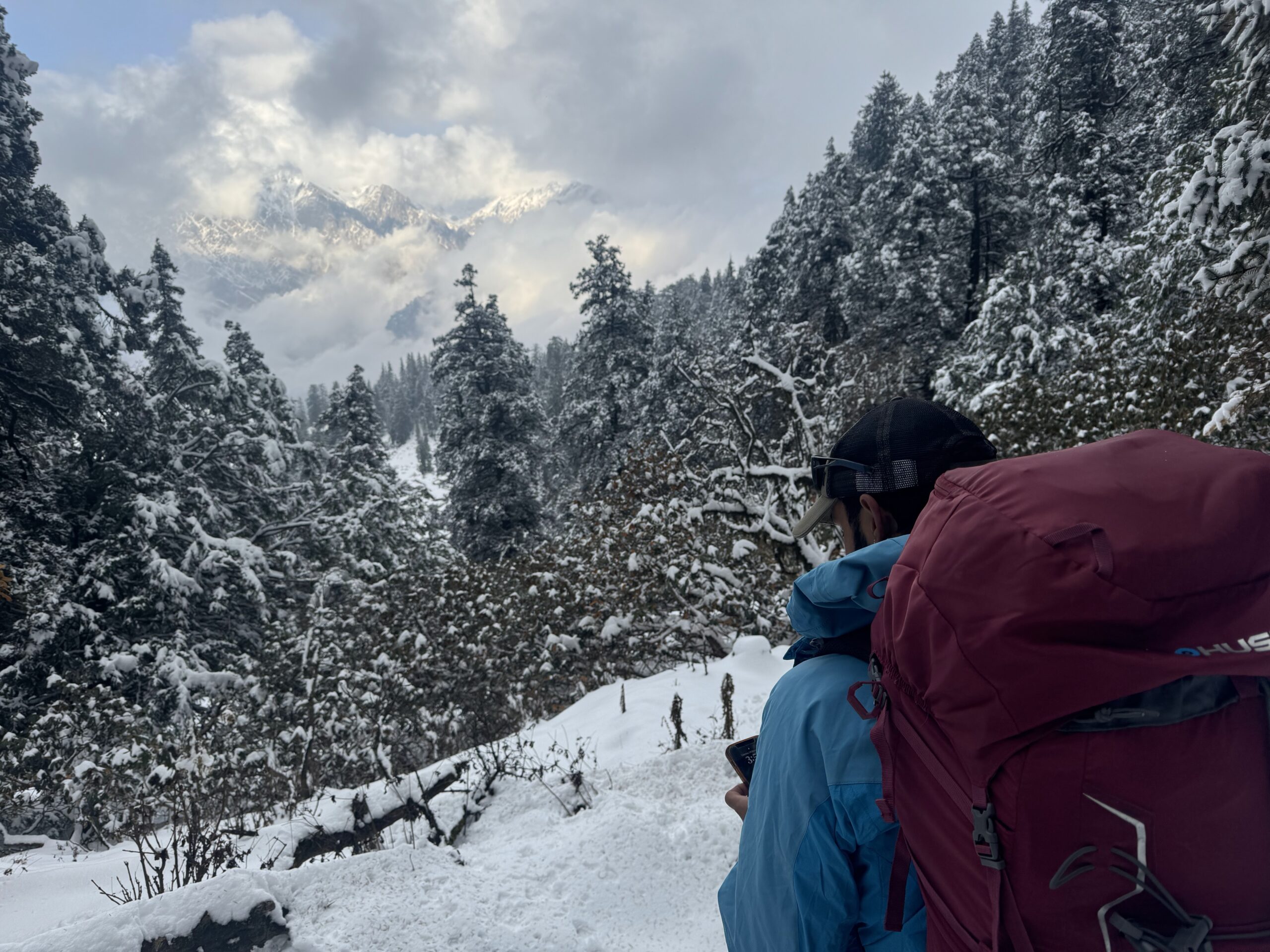
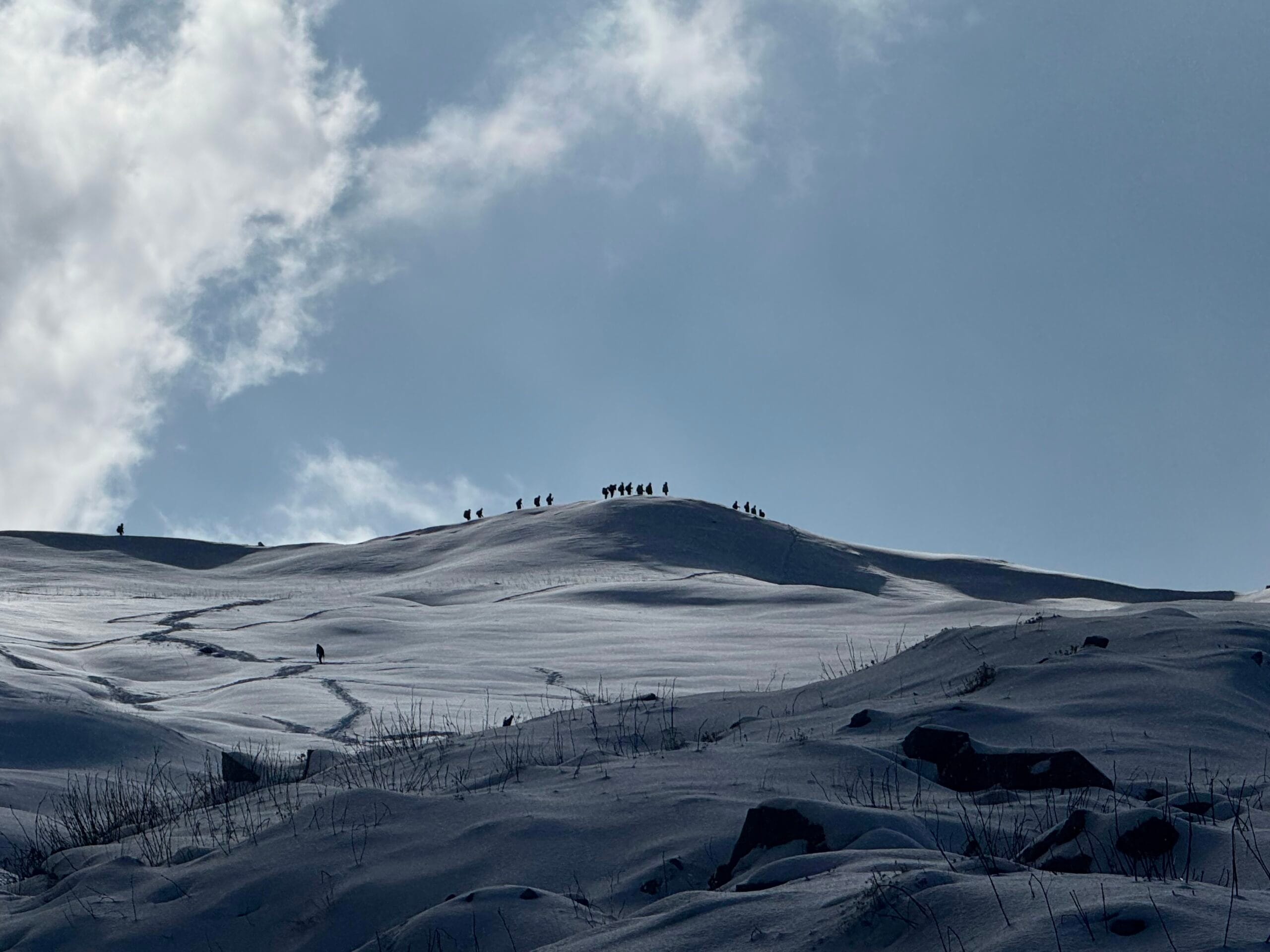
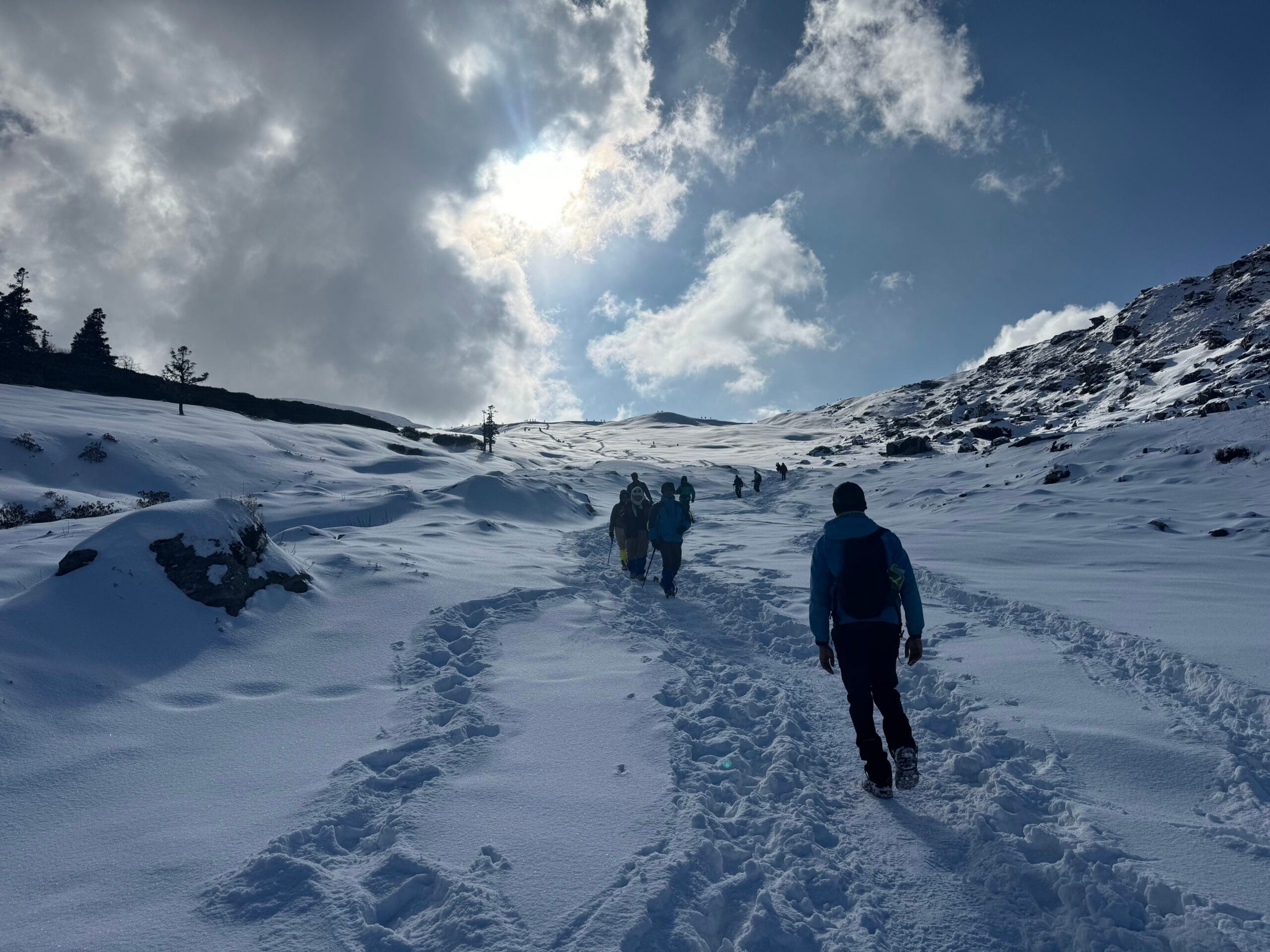
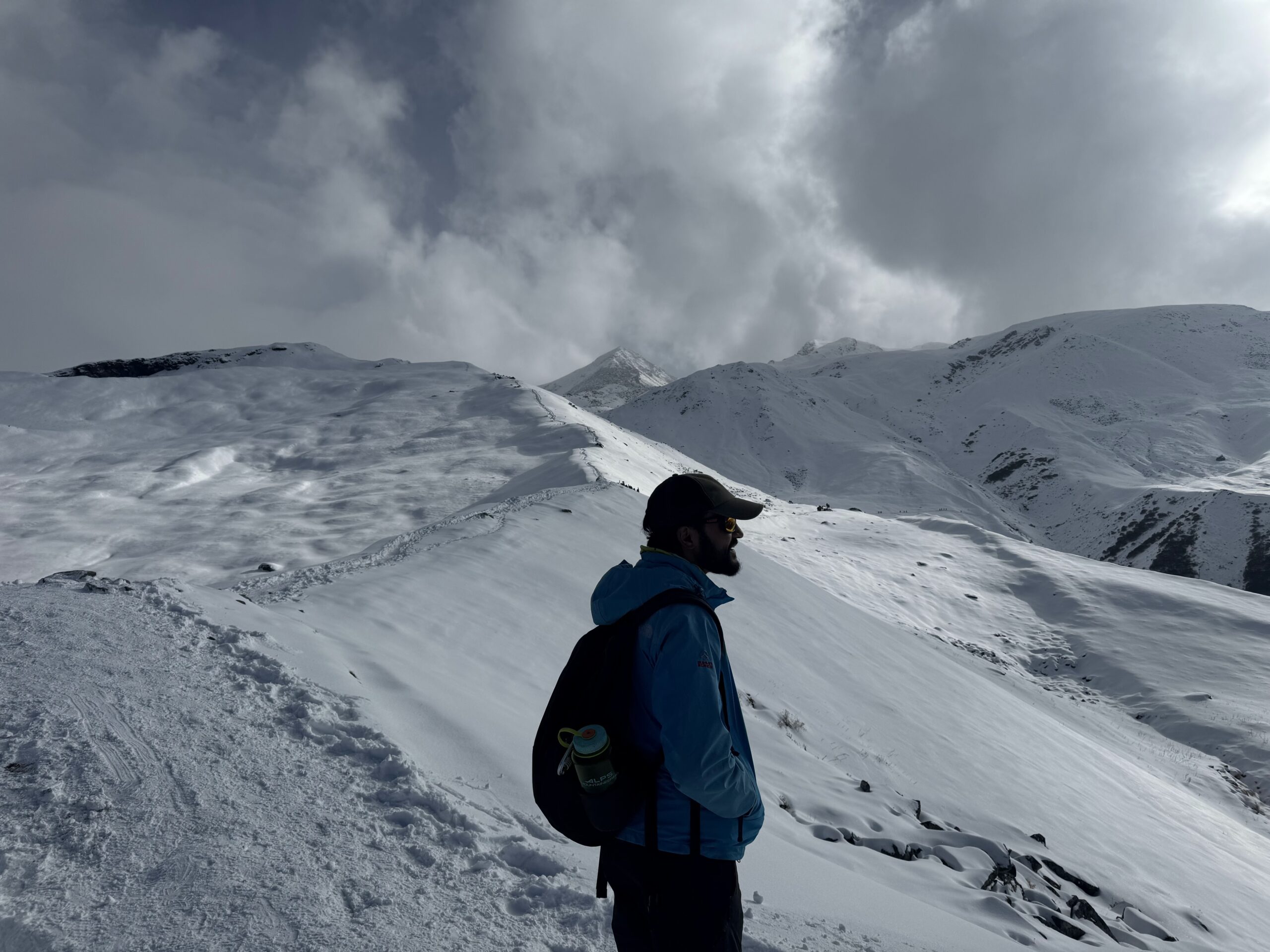
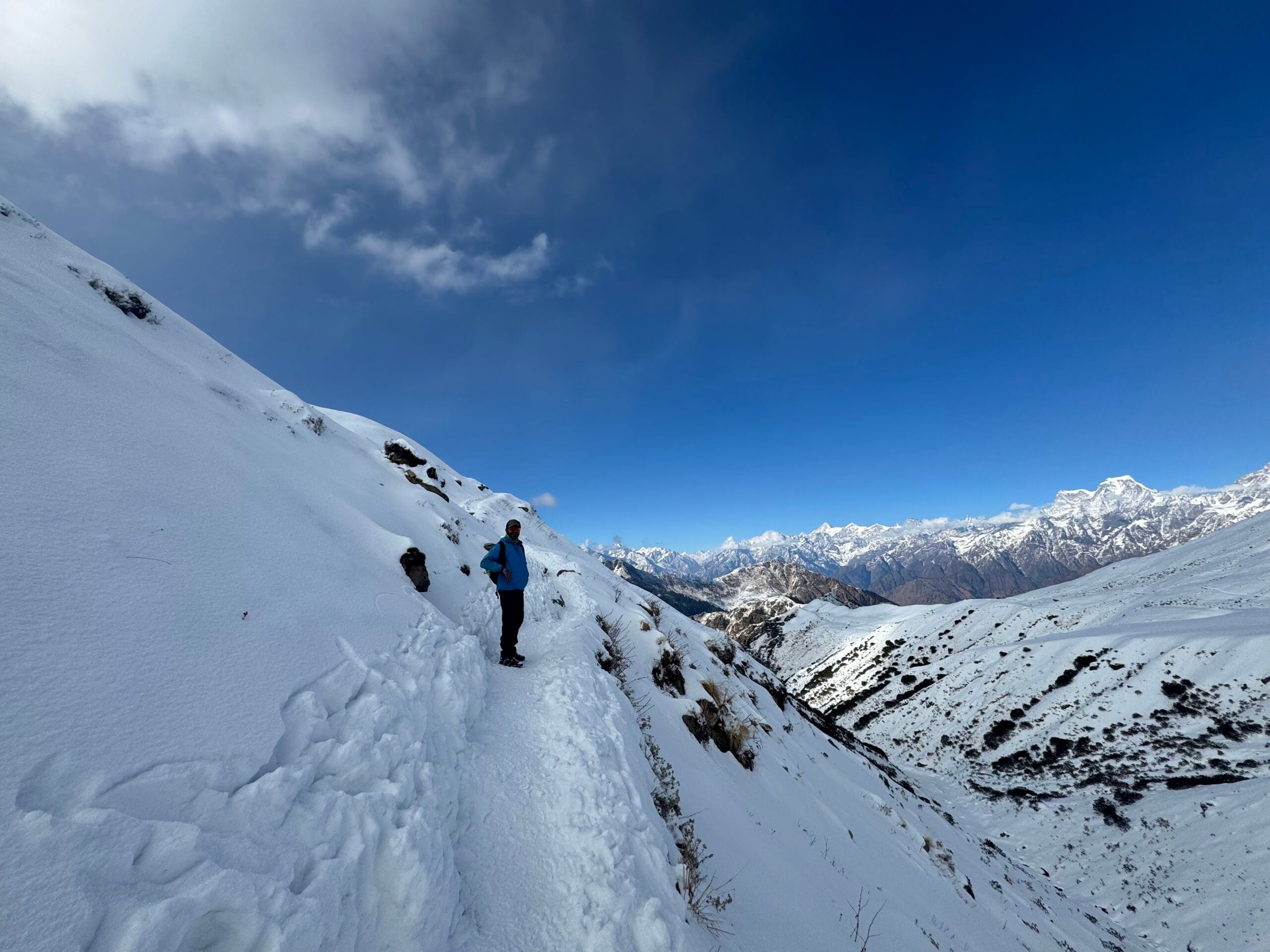
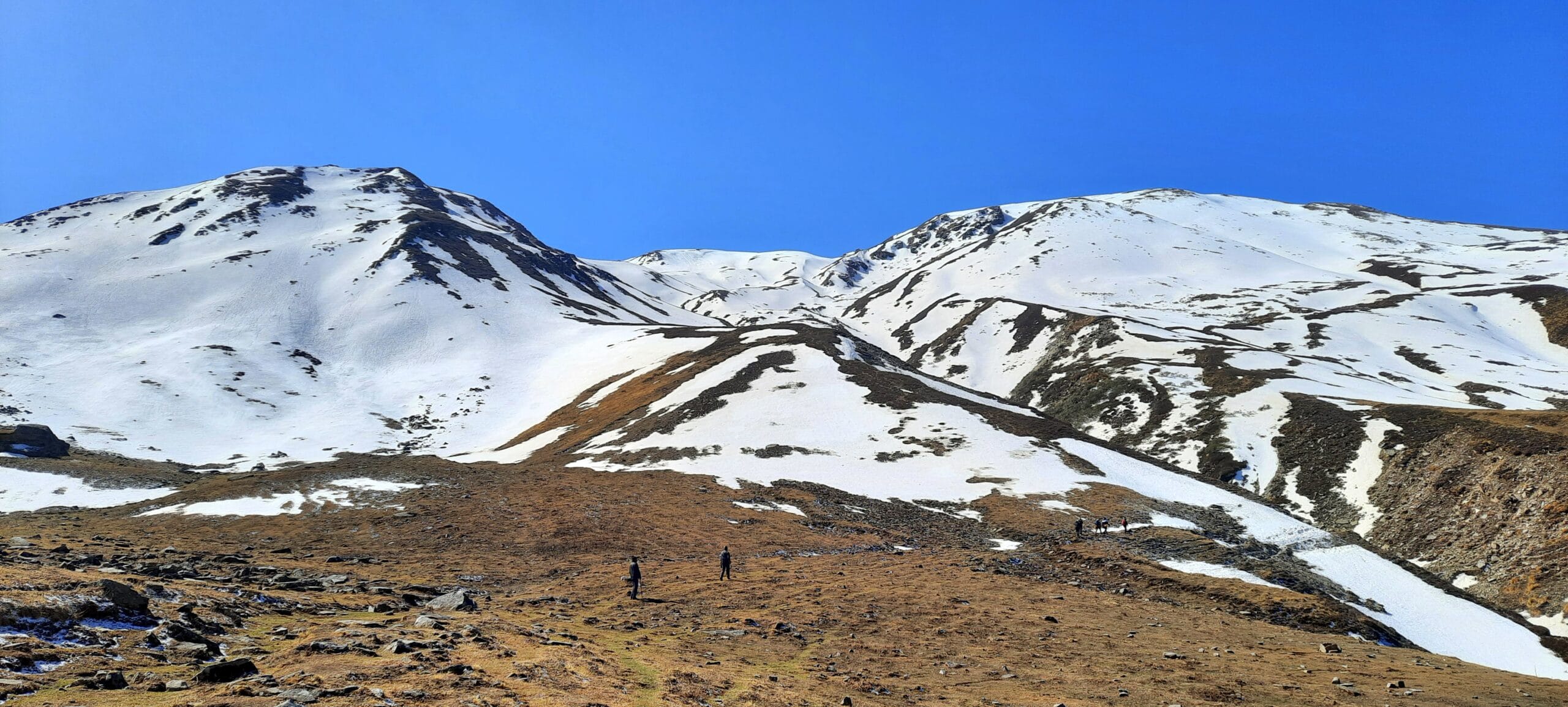
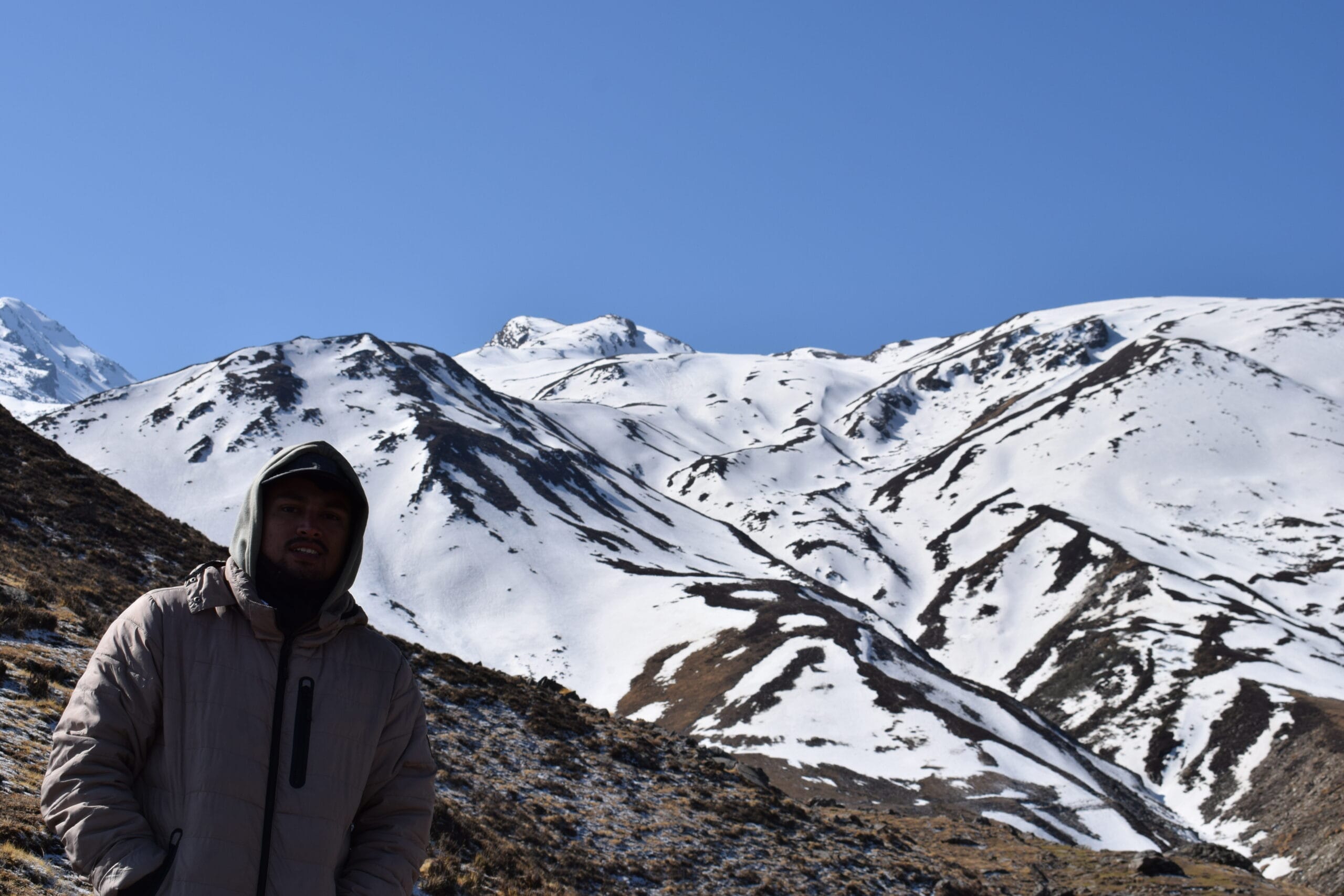
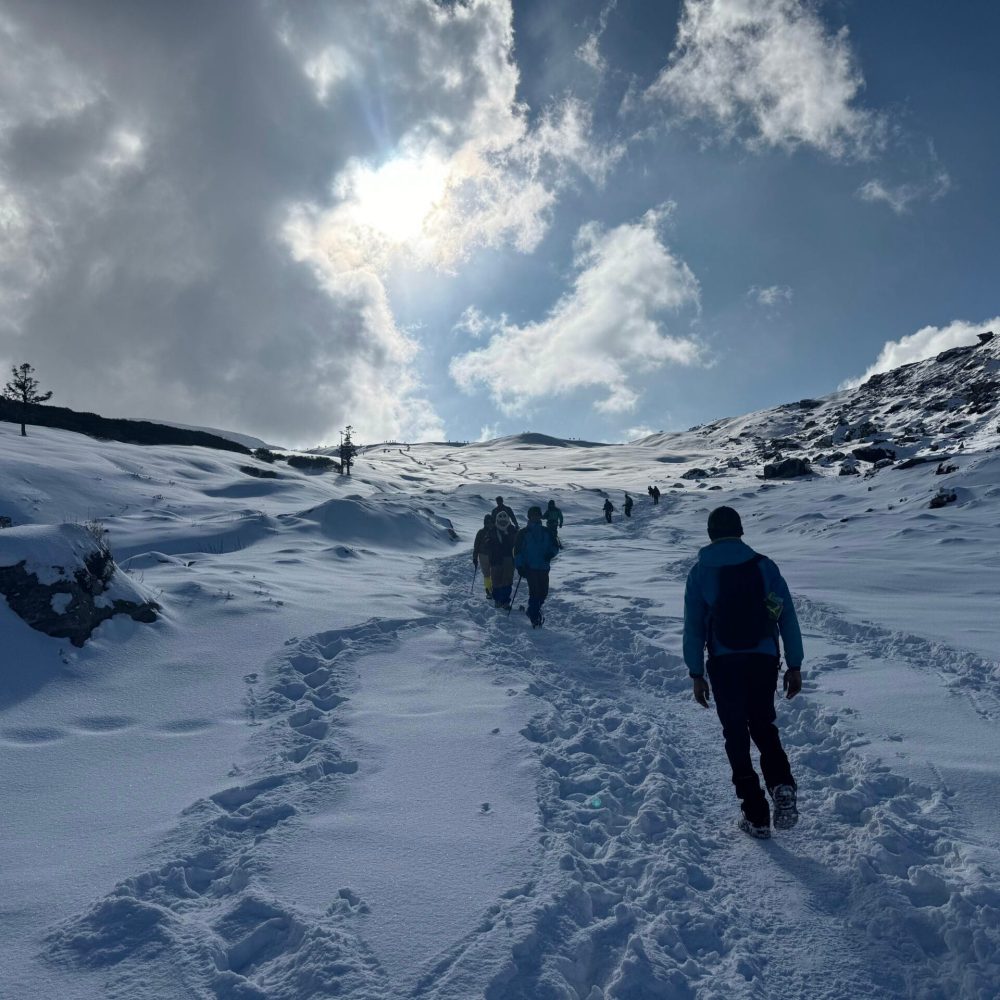
This is the highlight day of your Kuari Pass adventure — the summit push. You start early, ascending gently through snow-laden trails and exposed ridgelines with magnificent views on either side. As you climb higher, the forests fall away and you're surrounded by snowfields, mountain wind, and the vastness of the Garhwal Himalayas. The final approach to Kuari Pass is gradual but long, and the views get better with every step.
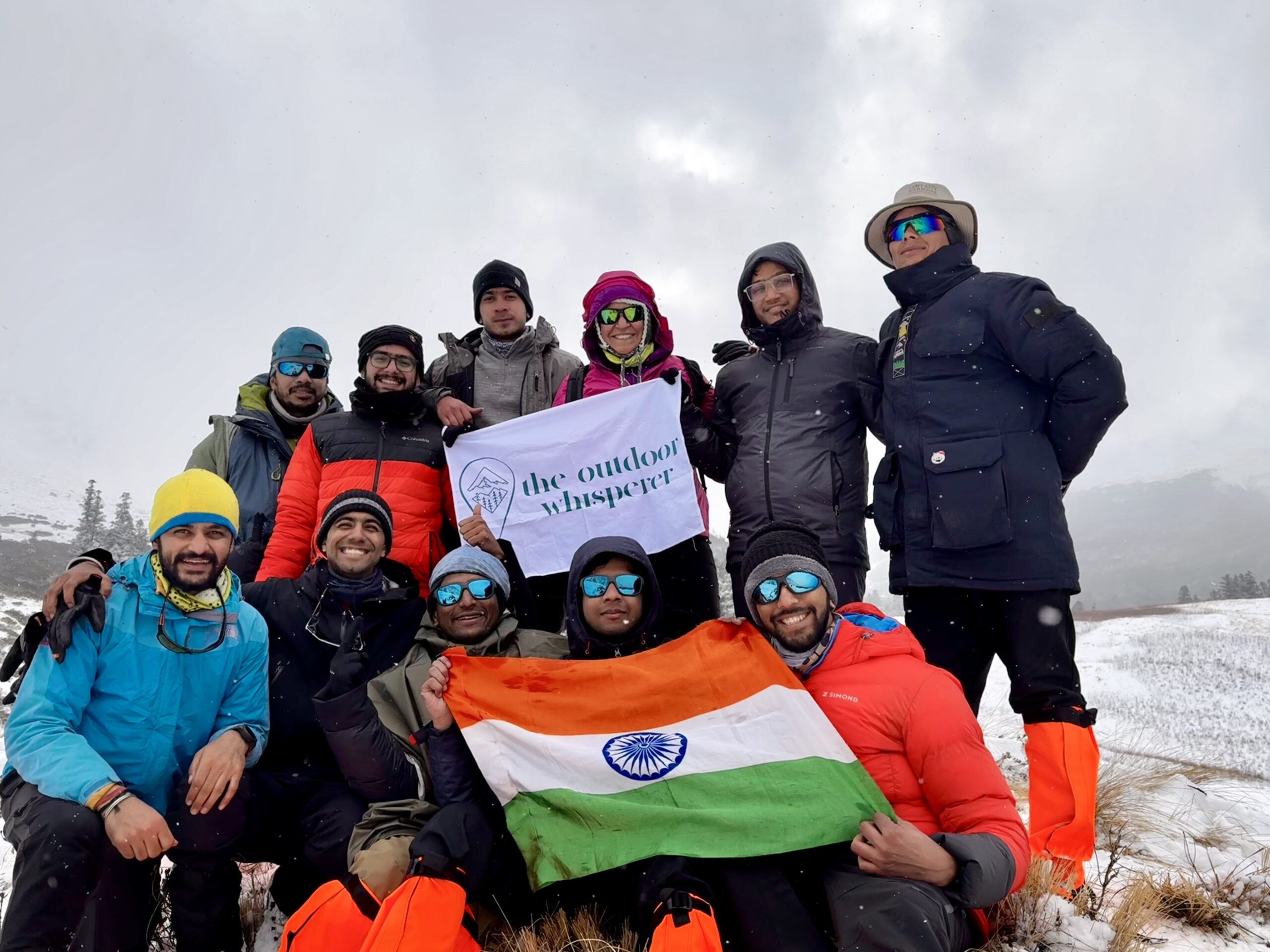
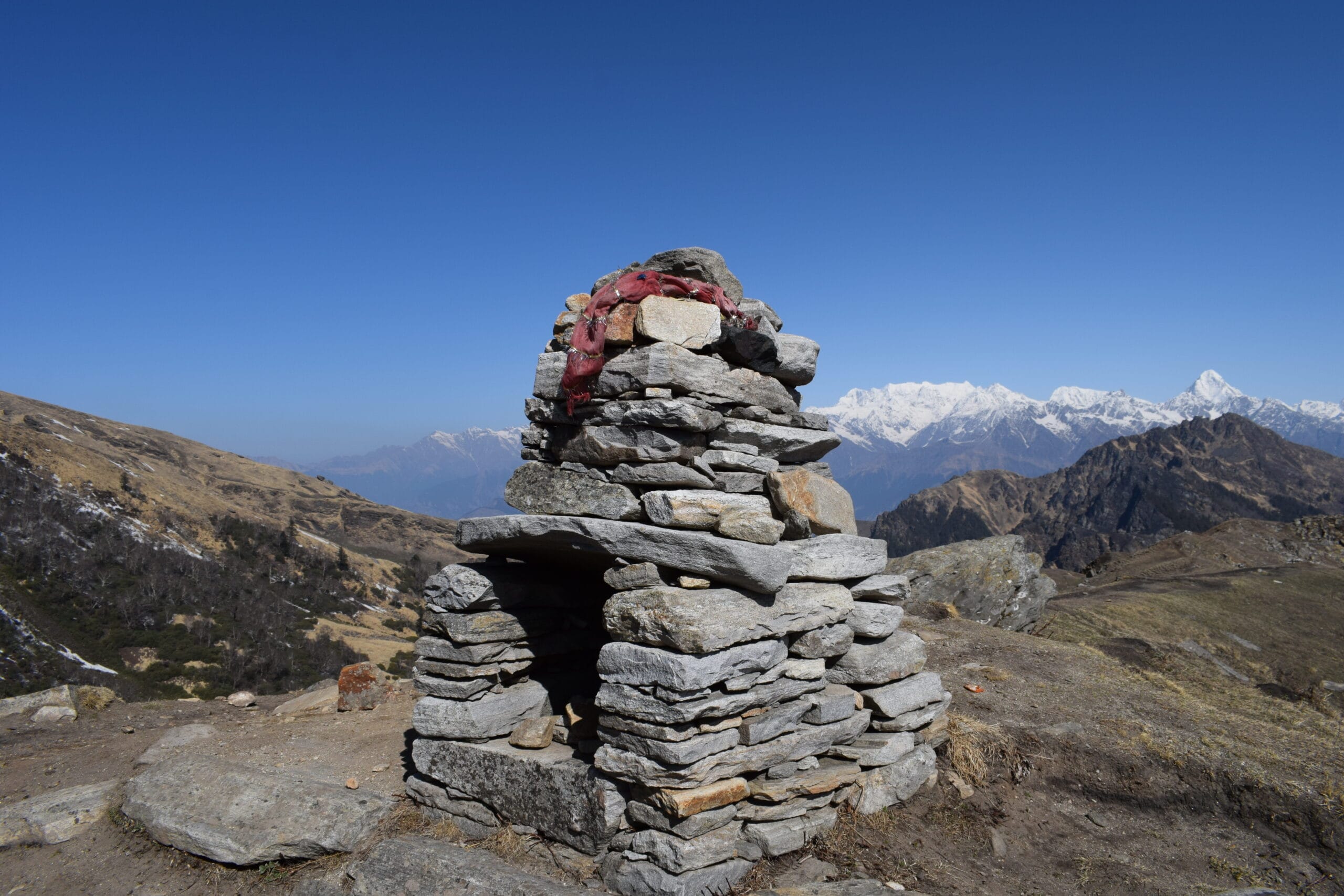
Once you reach the pass, take a moment to breathe in the grandeur — a sweeping 360-degree view of Himalayan giants like Nanda Devi, Chaukhamba, Neelkanth, Kamet, Hathi Ghoda, and more. The horizon is a canvas of snow and sky. After celebrating the summit with your team, you begin the descent back to Khullara for a warm dinner and rest. This is a long and rewarding day — physically demanding, but emotionally elevating.
Altitude: Khullara (3,350m) → Kuari Pass (3,815m) → back to Khullara (3,350m)
Trek Distance: 10–11 km (round trip) | Duration: 7–8 hours
Altitude Gain: +465m | Altitude Loss: -465m
Time to descend. Retracing your steps through the forest trail, you’ll notice the route feels entirely different now — more familiar and nostalgic. The descent gives you a chance to take it slow, interact with locals in passing villages, and reflect on the incredible journey you've just completed.
Once you reach Dhak, your vehicle awaits to take you back to Joshimath. After days in the wilderness, a warm bed and hot food in town will feel like luxury. Evening is yours to rest, roam, or connect with fellow trekkers over stories from the trail.
Altitude: Khullara (3,350m) → Dhak (2,100m) → Drive to Joshimath (2,000m)
Trek Distance: 9 km | Trek Duration: 4–5 hours | Drive: 45 mins
Altitude Loss: -1,250m
You’ll wake up for one last view of the Himalayan peaks, and then begin the return drive to Rishikesh. Though the trek is over, the sights, smells, and silences of the mountains will linger long after. You’ll retrace the winding route along the Alaknanda River and descend into the foothills, arriving in Rishikesh by evening.
Trip ends here — but the mountains are always calling.
Altitude: Joshimath (2,000m) to Rishikesh (340m)
Distance: 255 km | Duration: 9–10 hours
Altitude Loss: -1,660m
Inclusions
- Accommodation in Joshimath on Day 1 and Day 5 (twin/triple sharing).
- Dome tent stay during trek nights on twin sharing basis.
- Vegetarian meals from Day 2 breakfast to Day 5 lunch during the trek.
- Experienced trek leader and support team with basic medical training.
- Common trekking gear: tents, sleeping bags, sleeping mats, toilet tents, dining tent.
- Safety gear: oxygen cylinder, oximeter, and basic first-aid kit.
- Forest entry fees, camping charges, and trekking permits.
- Microspikes and gaiters during winter snow conditions (if required).
Exclusions
- Transportation between Rishikesh and Joshimath (can be arranged on request at additional cost).
- Meals in Rishikesh and Joshimath (Day 1, Day 5 dinner, and Day 6 meals not included).
- Personal trekking gear like shoes, poles, jackets, gloves, etc.
- Backpack offloading charges for personal rucksack (optional service).
- Personal porter for individual use (available on request at extra cost).
- Travel insurance, high-altitude medical insurance, or emergency evacuation charges.
- Tips, bottled water, snacks, personal expenses, and anything not mentioned in inclusions.
- Medical Checkup Fee of INR 300 at Joshimath Govt. Hospital (mandatory before trek).
Additional Expenses
- Backpack offloading: ₹1,800 for the entire trek, max 10kg.
- Transportation between Rishikesh and Joshimath (Round trip) – ₹2,500
- Hotel with Breakfast in Rishikesh (twin sharing, before/after the trek): ₹2,000
- Extra hotel night in Joshimath (pre/post trek): ₹800–₹1,200 per person depending on room type.
- Private vehicle upgrade for transportation available on request at extra charge.
- If you need to rent trekking gear like shoes, jackets, poles, or headlamps, please get in touch — we’ll help arrange it for an additional rental fee.
Food & Cuisine
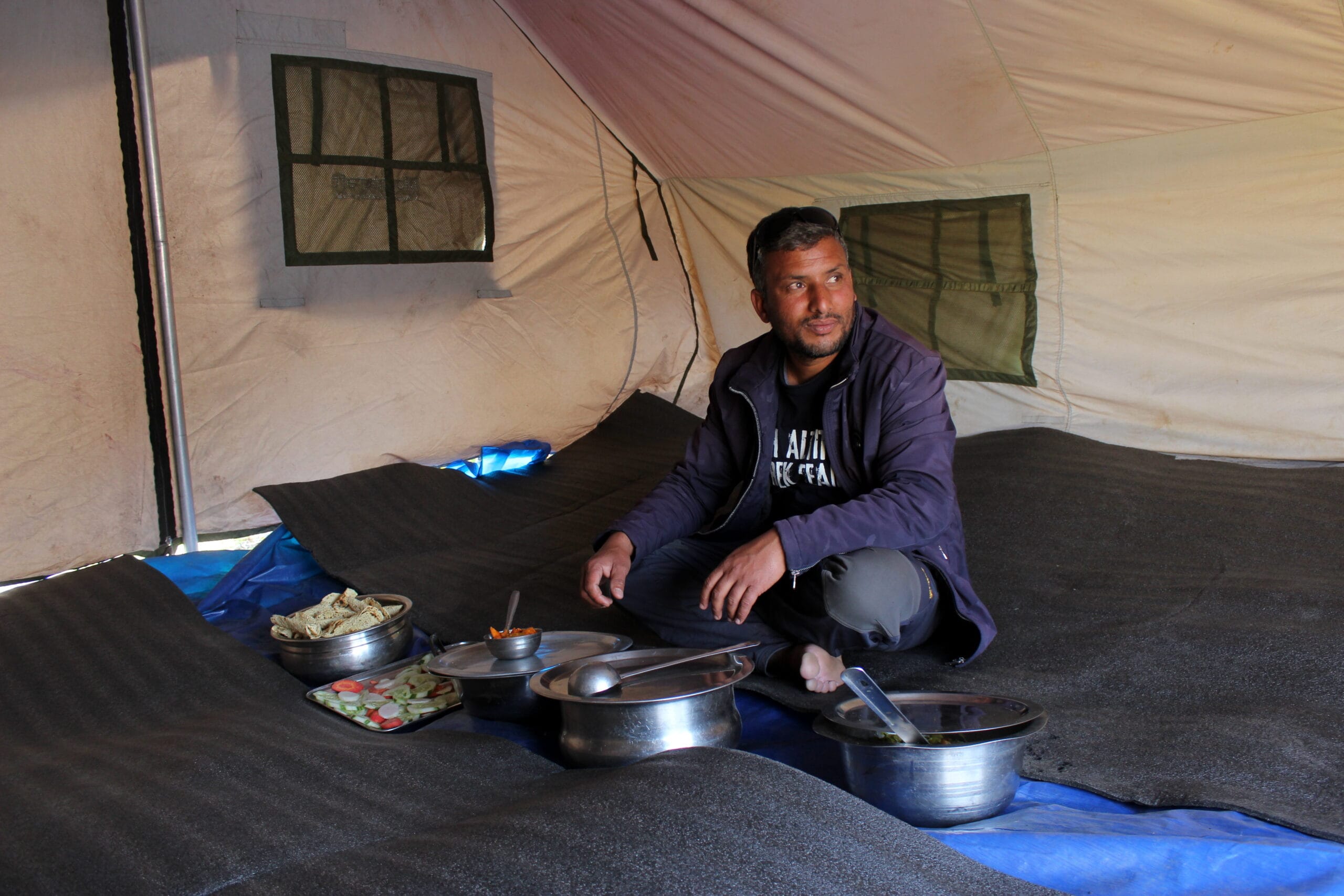
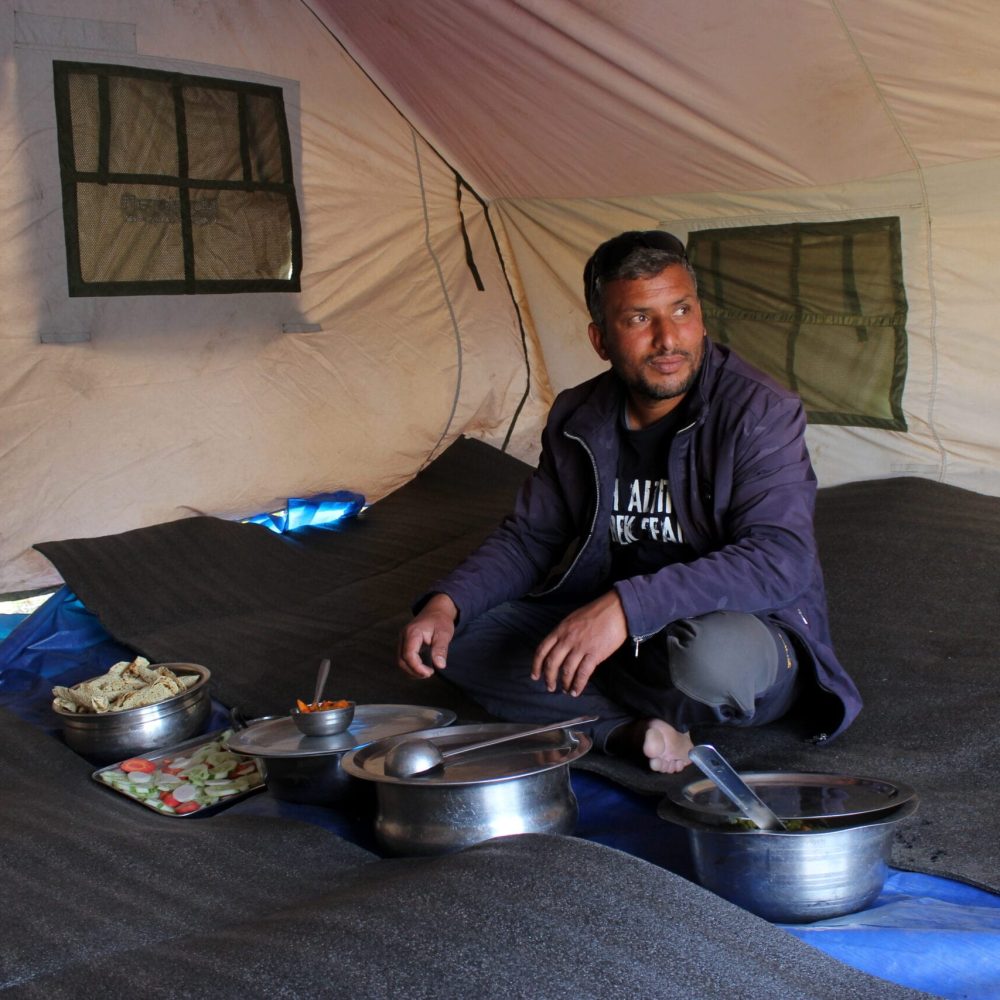
Expect freshly prepared, wholesome vegetarian meals throughout the trek. From warm parathas and poha for breakfast to comforting rice-dal-sabzi combos and hearty evening soups, our meals are planned to be both nutritious and satisfying. You’ll also be served tea/snacks and a sweet dish on most days.
We avoid packaged/processed food as much as possible and prioritize warm, home-style cooking using local ingredients. Meals include comforting options like khichdi, pasta, veg pulao, pakoras, halwa, and more — keeping both taste and energy in mind. If you have specific dietary restrictions or preferences, do let us know in advance — we’ll try our best to accommodate them on the trail.
Accommodation
Joshimath Stay (Day 1 & Day 5):
You’ll be staying in a clean and comfortable guesthouse or hotel on a twin-sharing basis. Hot water and attached washrooms are usually available, depending on the property. If you plan to arrive a day early or extend your stay in Joshimath, let us know — we can assist with additional bookings.
Camping During the Trek (Day 2 to Day 4):
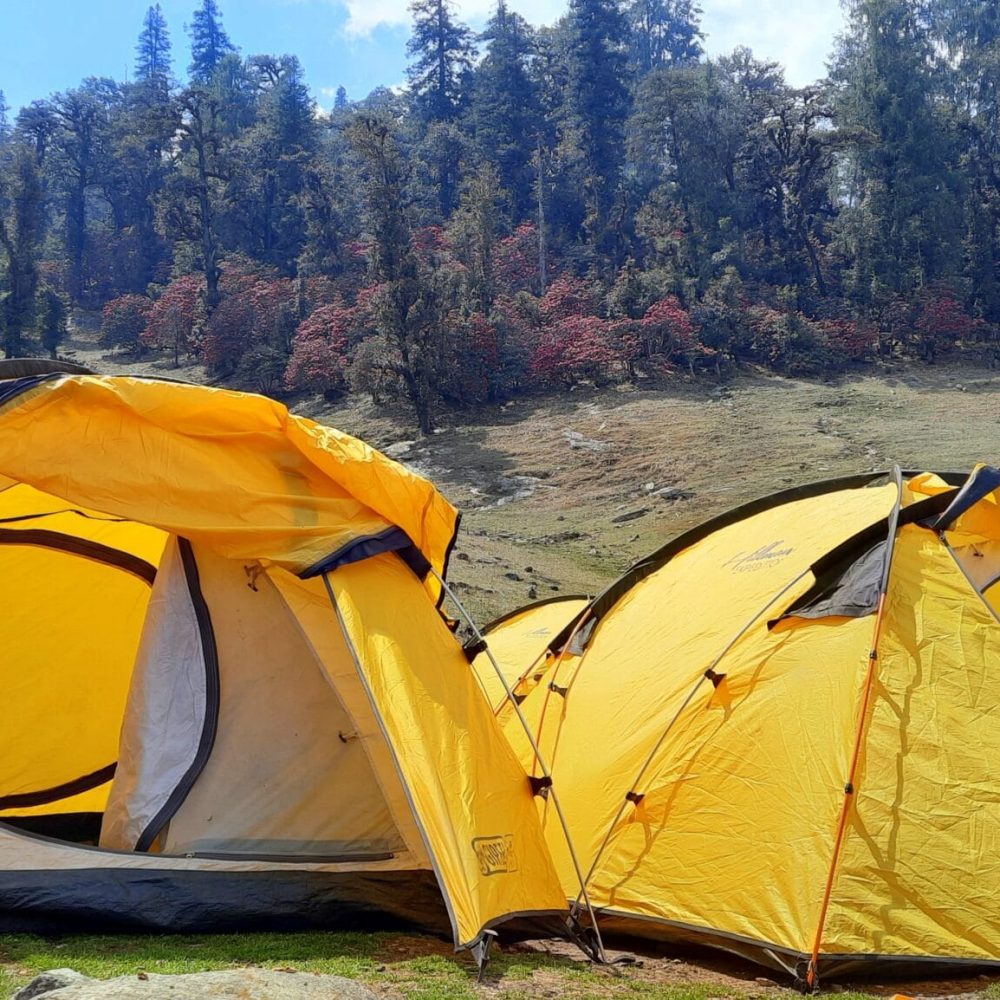
Tents are pitched on twin-sharing basis, and we provide sleeping bags rated for sub-zero temperatures along with insulated foam mats. A separate dining tent and toilet tents will also be set up at each campsite. Campsites are chosen for their scenic beauty and safety. Expect temperatures to drop below freezing at night during winter months — we provide adequate insulation and warm sleeping gear to keep you comfortable.
Fitness & Difficulty
The Kuari Pass Trek is graded as Easy to Moderate, making it a great choice for beginners looking to experience the Himalayas. The daily distances are comfortable, the trails are well-marked, and the altitude gain is gradual. The only demanding day is the summit push to Kuari Pass, which involves a long walk but no technical climbing.
That said, basic physical fitness is still essential. Being able to walk 6–7 km daily with a backpack, climb stairs without exhaustion, and maintain steady breathing in cold conditions will enhance your experience significantly. A month of brisk walking, stair climbing, or jogging 3–4 times a week can help you enjoy the trek without strain. While altitude-related symptoms are rare due to the gradual ascent, we monitor health daily using oximeters and encourage proper hydration and pacing.
Dates Available
DATES |
AVAILABILITY |
|---|---|
January
|
Slots Available
|
February
|
Slots Available
|
March
|
Slots Available
|
Trek Fee: ₹12,500 + 5% GST per person
(This includes everything – comfortable stays, delicious meals, permits, expert guides, and more, as detailed in the Inclusions above.)
To Confirm Your Spot:
Click the Book Now button below to proceed with your booking. You’ll have the option to select your preferred dates and any optional add-ons on the next page.
Something Else In Mind?
We get it — adventures should feel personal. We’re here to co-create a version of this journey that feels right for you.
Start on your preferred dates
Custom inclusions & stay options
Tweak the itinerary or route
Plan a private group experience
Fill out the form or drop us an email at mail@outdoorwhisperer.com with your questions & requirements, and we’ll get back to you as soon as possible. For a quicker response, feel free to reach us directly at +91-8285967537.
Send Us Your Query
Why Outdoor Whisperer?
We do things a bit differently — and proudly so. We don’t chase numbers; we focus on depth, care, and quality. Each trek is meticulously planned, and organized with warmth, care, and an unwavering focus on your safety. From pre-trek online briefings to carefully curated experiences on-ground, we believe the best adventures are the ones that feel like they were made just for you.
Founder-led Journeys
Every batch is personally led by our founding team — not outsourced. We’re deeply involved in your journey, from planning to trail.
Quality Over Quantity
We run fewer batches on purpose. It lets us focus on doing each trek really well, with attention to detail, better care, and stronger group vibes.
Designed With Heart
We thoughtfully craft each batch to feel personal — with small surprises, better pacing, and meaningful touches that make the journey feel your own.
Safety Comes First
From altitude protocols to evacuation readiness, our on-ground team is WFR-certified, highly experienced, and well-versed with Himalayan conditions.
Pre-Trek Online Briefing
Before every departure, we host detailed virtual briefings so you're mentally and logistically prepped for what lies ahead.
Transparent Pricing & Terms
No hidden charges. No unpleasant surprises. We only offer what we’d want for ourselves — quality, integrity, and care.
What To Pack?
Clothing – Layer Up Smart
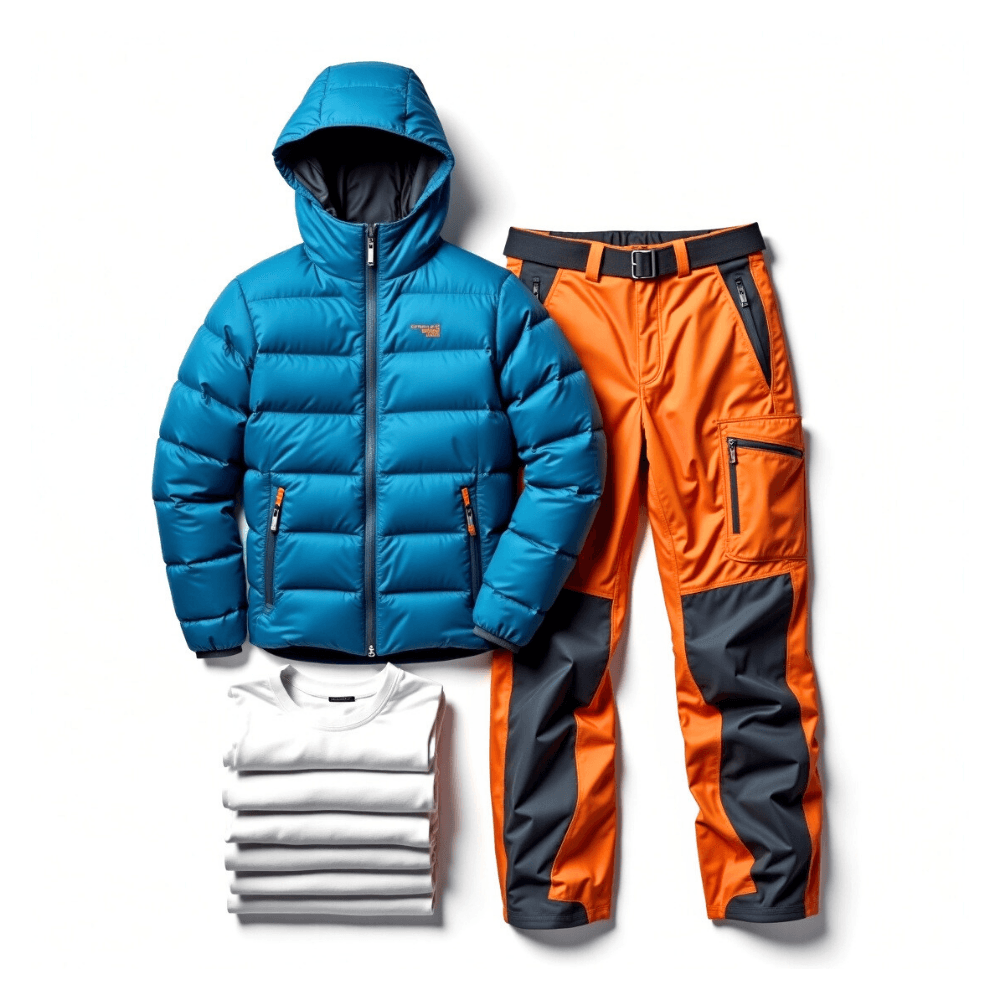
- 3 full-sleeve quick-dry trekking t-shirts
- 1 light fleece / woolen pullover
- 1 down jacket / padded jacket (sufficient warmth for sub-zero nights)
- 1 waterproof shell jacket or poncho
- 2 pairs trekking pants (at least one quick-dry; avoid jeans)
- 1 set thermal inners (top & bottom)
- 4–5 pairs of warm trekking socks (mix of wool + synthetic)
- Woolen cap / beanie + sun cap or wide-brimmed hat
- Buff or scarf (for dust, sun, and wind protection)
- Waterproof gloves + fleece inner gloves
- Undergarments (quick-dry preferred)
Footwear & Accessories
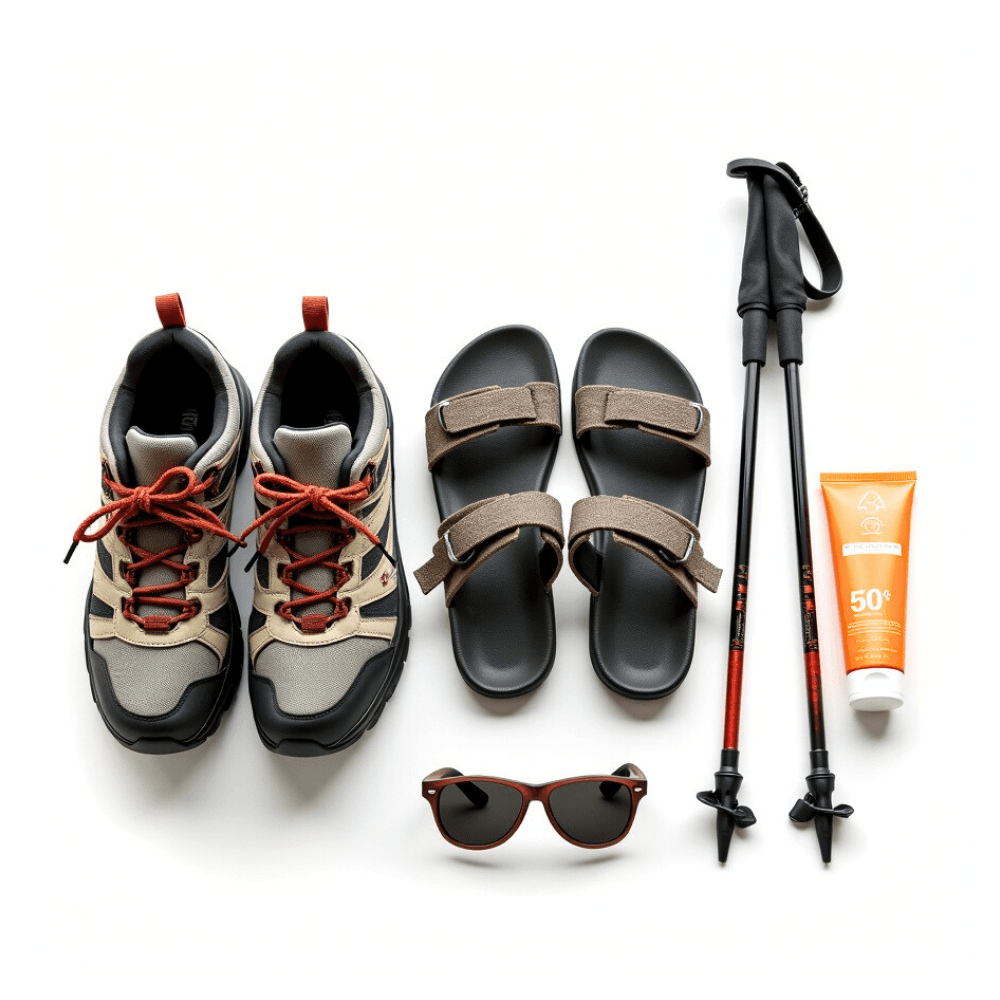
- Waterproof, high-ankle trekking shoes with good grip
- Floaters/slippers – for campsite use
- Gaiters (optional, based on snow conditions)
- Trekking poles (highly recommended for descent and stability)
- UV-protected sunglasses – must-have for snow days
- Sunscreen SPF 50+
- Lip balm with SPF + Moisturizer
Gear & Packing Essentials
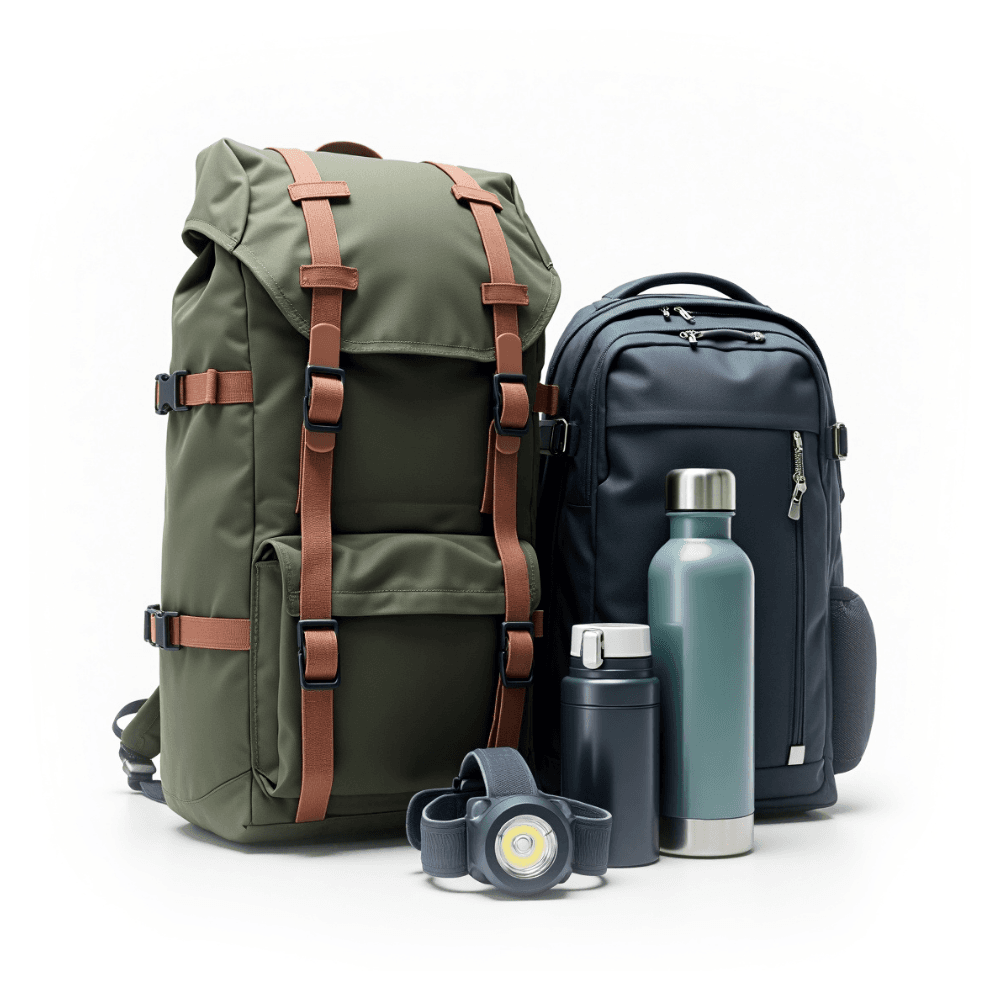
- 50–60L backpack with good back support & rain cover
- Small 20–25L daypack – for optional Chandratal visit or summit day (if carrying own load)
- Headlamp with extra batteries
- Water bottles (2L total capacity) or hydration bladder
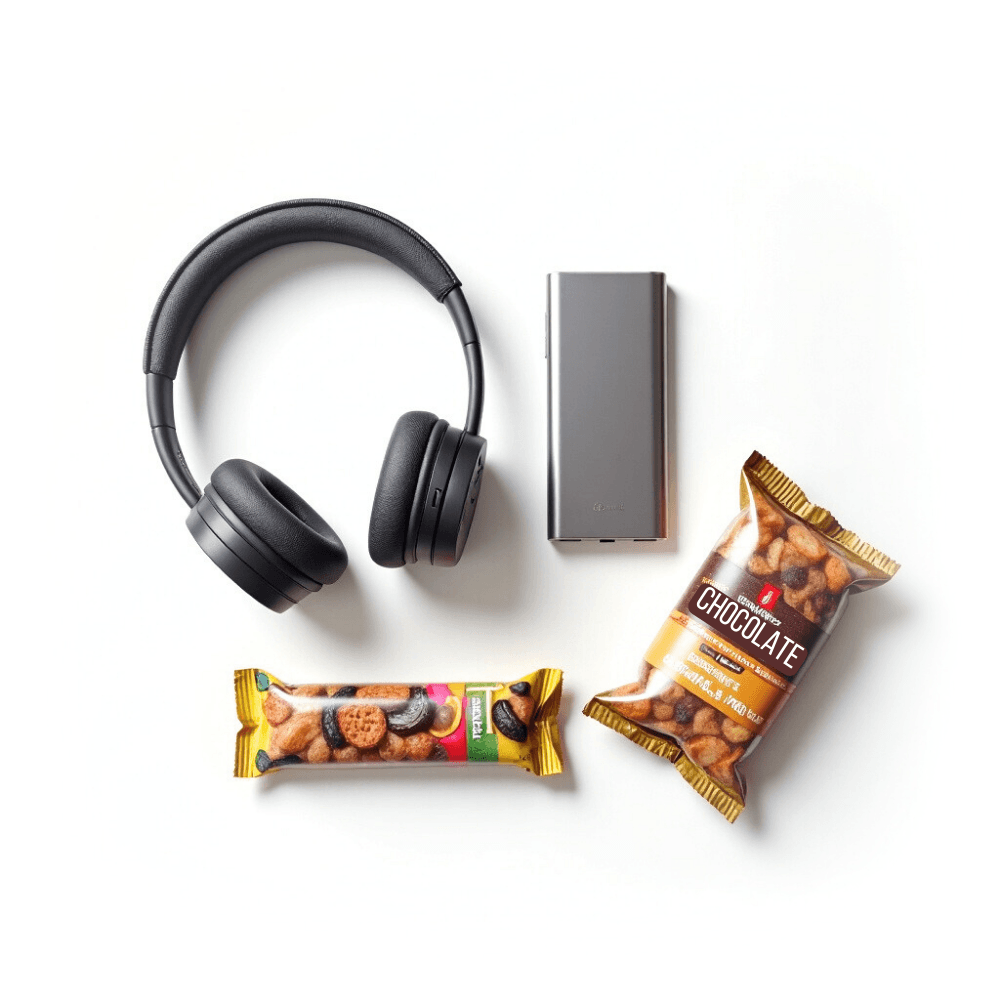
- Power bank + charging cable
- Dry bags or packing cubes – to keep things organized and dry
- Passport-size photos + ID copy (for permits)
- Small lock – for hotel luggage or bag security
- Tiffin box / snack box (for packed lunch)
Cash (for Sankri market or café stops; ATMs not reliable) - NOTE: All cutlery, cups, and utensils are provided by us. No need to carry personal lunchboxes or mugs.
Personal Hygiene & Toiletries
- Toothbrush + toothpaste
- Quick-dry towel or small microfiber towel
- Biodegradable soap or soap strips
- Toilet paper + tissues
- Hand sanitizer + wet wipes
- Nail cutter + comb
- Menstrual hygiene products (if applicable)
- Small pouch for toiletries


Health & Medical Kit
- Diamox (Acetazolamide) – for altitude (consult your doctor)
- Personal medication (for asthma, diabetes, etc.)
- Basic painkillers – Combiflam, Crocin
- Band-aids, blister patches
- Antiseptic ointment
- ORS/Electrolyte sachets
- Anti-diarrheal tablets
- Antihistamines (if you have allergies)
Extras & Good-to-Haves
- Energy bars, dry fruits, OR homemade trail mix
- Notebook + pen (great for journaling!)
- Playing cards or small game for downtime
- Lightweight reading book or Kindle
- Eye mask + earplugs (for light sleepers)
- Camera + spare batteries/memory card
Climbing Gear? Not Required!
This is a trekking expedition — no personal climbing gear needed. All group logistics like tents, sleeping bags, and kitchen setup are provided by us. You only need to bring your personal gear and wearables.
Common Questions
Yes, absolutely. Kuari Pass is one of the most beginner-friendly Himalayan treks in India. The trail is well-laid, the altitude gain is gradual, and the daily walking distances are very manageable. If you're reasonably fit and mentally prepared, this is a perfect first Himalayan adventure.
The highest point is Kuari Pass at 3,815 meters (12,516 feet). We gain altitude gradually over a few days, and the trail allows your body to acclimatize well. This makes it very safe even for those trekking at altitude for the first time.
Daily walking distance varies between 4 km to 10 km. The summit day is the longest, around 10–11 km round trip, but the rest of the days are fairly short and relaxed, giving you time to enjoy the scenery and pace yourself.
It depends on the season. In winter (Dec to March), nights can dip to -10°C, especially at Khullara campsite. Daytime stays between 0°C and 10°C. In spring and autumn, temperatures are milder, but warm layers are still essential.
Yes, during winter months (late Dec to March), the trail is usually snow-covered from Khullara onwards. Snow adds a magical element to this trek and makes the summit day especially memorable. In spring or early autumn, the trail is snow-free but incredibly scenic.
You don’t need to be an athlete, but some basic stamina is important. If you can walk 6–7 km comfortably, climb stairs without panting, and do light workouts 3–4 times a week for a month before the trek, you'll manage just fine.
Yes, chances of AMS are very low on Kuari Pass due to the moderate altitude and slow pace. We also monitor your vitals daily using an oximeter, and our leaders are trained to handle any symptoms proactively.
We serve hot, nutritious vegetarian meals — usually North Indian-style — including dal, rice, sabzi, chapati, breakfast items like poha or parathas, snacks like pakoras, soup, and an occasional sweet dish. Meals are simple but delicious, and prepared fresh at camp.
Yes. We provide clean, filtered drinking water at all campsites. You're encouraged to carry your own reusable water bottle or hydration pack and avoid plastic bottles.
In Joshimath, you’ll stay at a comfortable guesthouse or hotel on twin-sharing basis. On the trek, we stay in twin-sharing dome tents with warm sleeping bags and mats provided. Toilet tents and a dining tent will also be set up at each campsite.
Mobile network is available in Joshimath for most major providers. Once the trek starts from Dhak, the signal quickly fades. The trail and campsites are generally off-grid, which is part of the charm.
Our trek leaders are trained in wilderness first-aid and carry oxygen cylinders and medical kits. Minor issues are handled on the spot, and if necessary, we arrange descent and transport to the nearest medical help. Emergency costs, if any, are to be borne by the trekker.
Group sizes usually range between 10 to 20 people — a good mix of solo travelers, couples, and small friend groups. It's big enough to enjoy a fun group vibe but small enough to ensure personalized attention.
Yes. We frequently host solo women trekkers, and safety is always a top priority. Our team is trained, responsible, and respectful. We also ensure women trekkers are comfortably and safely paired for tent sharing.
Yes, we provide an official certificate of completion from Outdoor Whisperer once you successfully complete the trek and return to Joshimath.
Yes, we can arrange personal trekking gear like jackets, shoes, poles, or headlamps on rent. Let us know your requirements in advance and we’ll sort it out for you at an additional rental fee.
Yes. If you choose to offload your backpack, the weight should not exceed 10 kg. We recommend you carry a small daypack with water, snacks, and essentials even if your main bag is offloaded.
At campsites, we set up separate toilet tents with a basic but clean setup — dry pits and biodegradable waste management. While on the trail, you’ll have to manage in the open as per mountain norms.
That’s totally possible. Just let us know and we can assist you with extra night bookings at the same guesthouse, subject to availability.
No, transport between Rishikesh and Joshimath is not included in the trek fee, but we can arrange shared or private vehicles at an additional cost for you and your group.
Charging points are available in Joshimath only. There’s no electricity once the trek begins. We recommend carrying a power bank (at least 10,000 mAh) to keep your phone or camera running.
Rishikesh is well connected by road and rail. You can take a train to Haridwar (closest major station), followed by a short taxi or bus ride. Buses and taxis also run from Delhi regularly.
Yes, all trekkers are required to undergo a basic medical checkup at Joshimath Govt. Hospital before the trek begins. There is a nominal fee of ₹300 payable directly there.
Yes, if they’re reasonably fit. We've had kids as young as 12 and adults over 60 successfully complete this trek. It's all about proper pacing, pre-trek preparation, and staying positive.
Yes. While everything is covered during the trek, it’s good to carry ₹1,500–₹2,000 in cash for any personal expenses, snacks, tips, or emergencies. There are ATMs in Rishikesh and Joshimath, but they can run out of cash — best to withdraw in advance.
Not at all. Kuari Pass is perfect for beginners. Many of our trekkers are first-timers. As long as you're willing to walk and follow your leader’s instructions, you're all set.
There are two great windows — December to March for snow and April to June or September to November for clear skies and blooming forests. Each season has its charm, depending on whether you want snow or spring colors.
It’s a popular winter trek, so some crowd is expected in peak season (December/January), but we plan our batches to avoid overcrowded camps and offer a comfortable, immersive experience.
Mountain weather is unpredictable. If there's heavy snowfall, we may modify the itinerary or turn back if needed for safety. Our team will always put your safety first and keep you informed in real-time.
We understand that plans can change, and we try to keep our cancellation policy fair and transparent. Depending on how close to the departure date you cancel, partial refunds are possible, and we also offer options to transfer your booking to a future trip in certain cases.
For the full breakdown of timelines, conditions, and refund details, please check out our complete cancellation policy here: