
Annapurna Base Camp
Terraced farms, alpine forests, waterfalls & snowy peaks — all in one trek
Altitude
4310 Meters
Difficulty
Moderate
Duration
10 Days
Location
Nepal
Fee
INR 55,000
Overview
Read More
ANNAPURNA BASE CAMP TREK HIGHLIGHTS
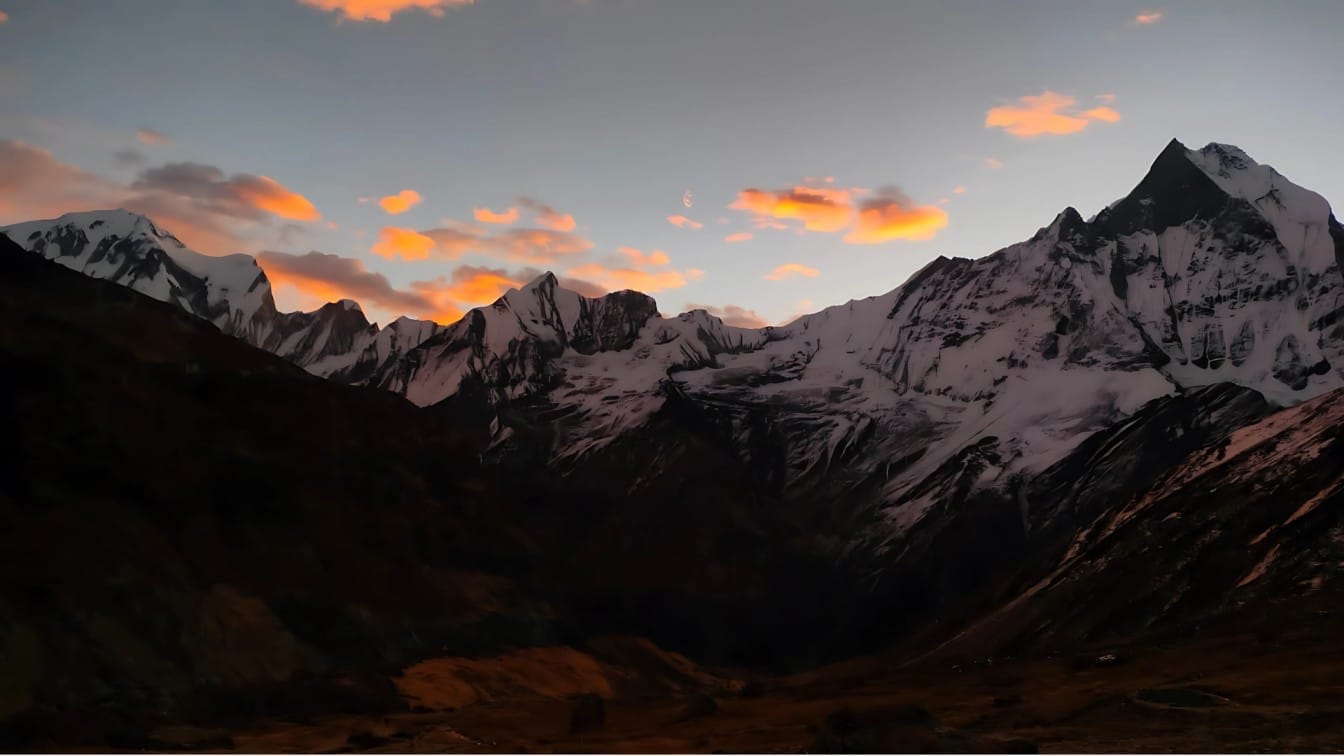
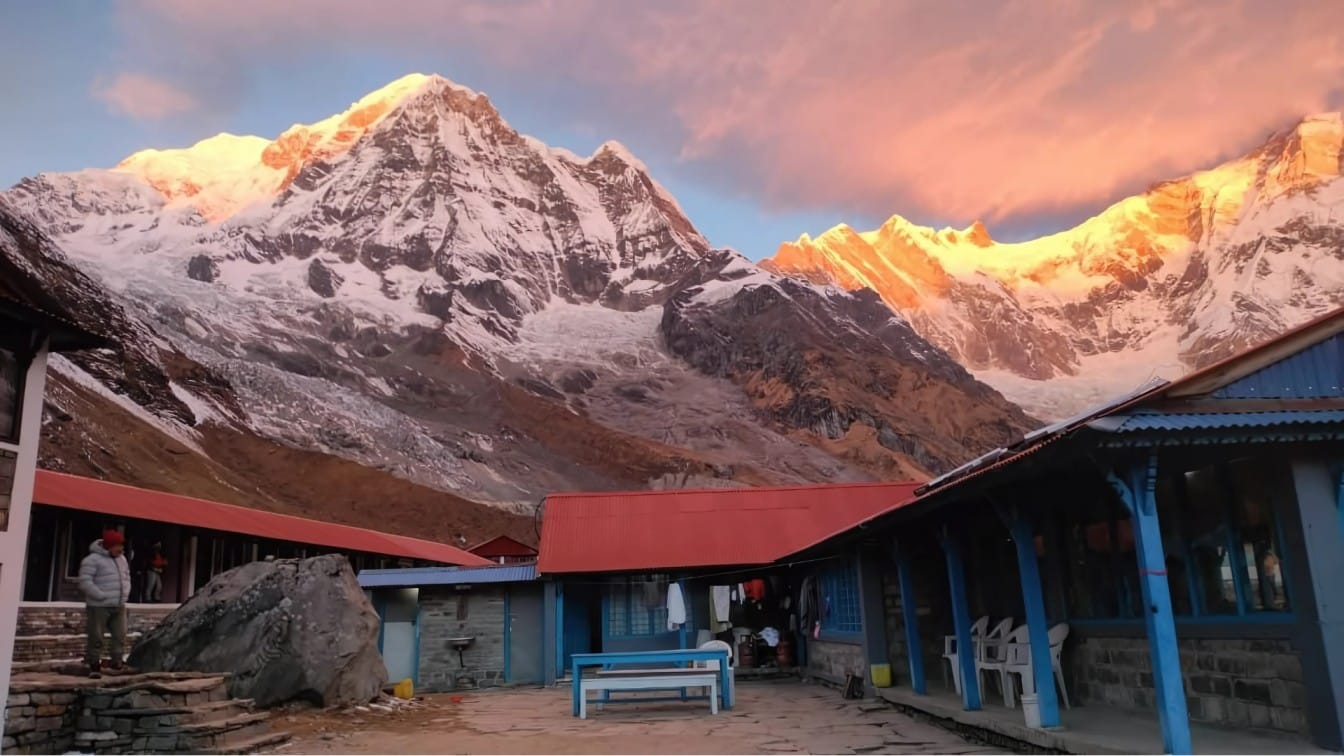
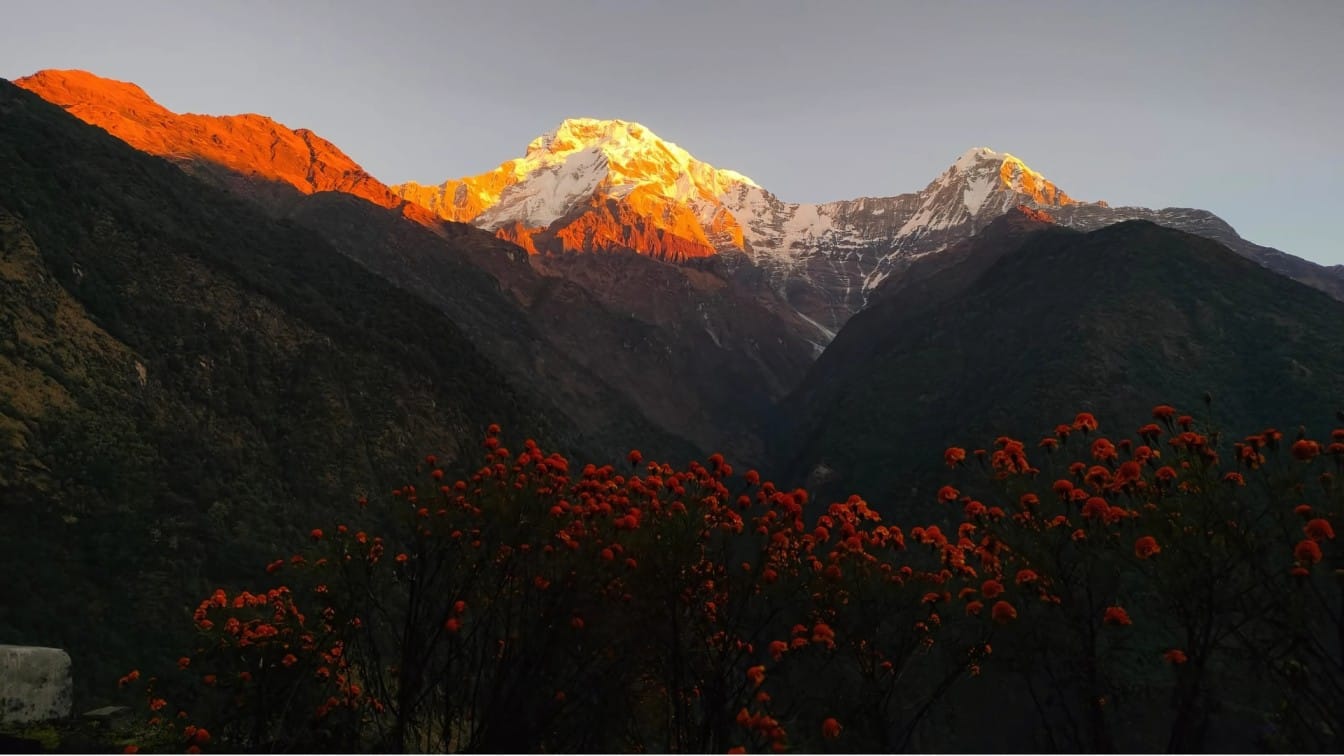
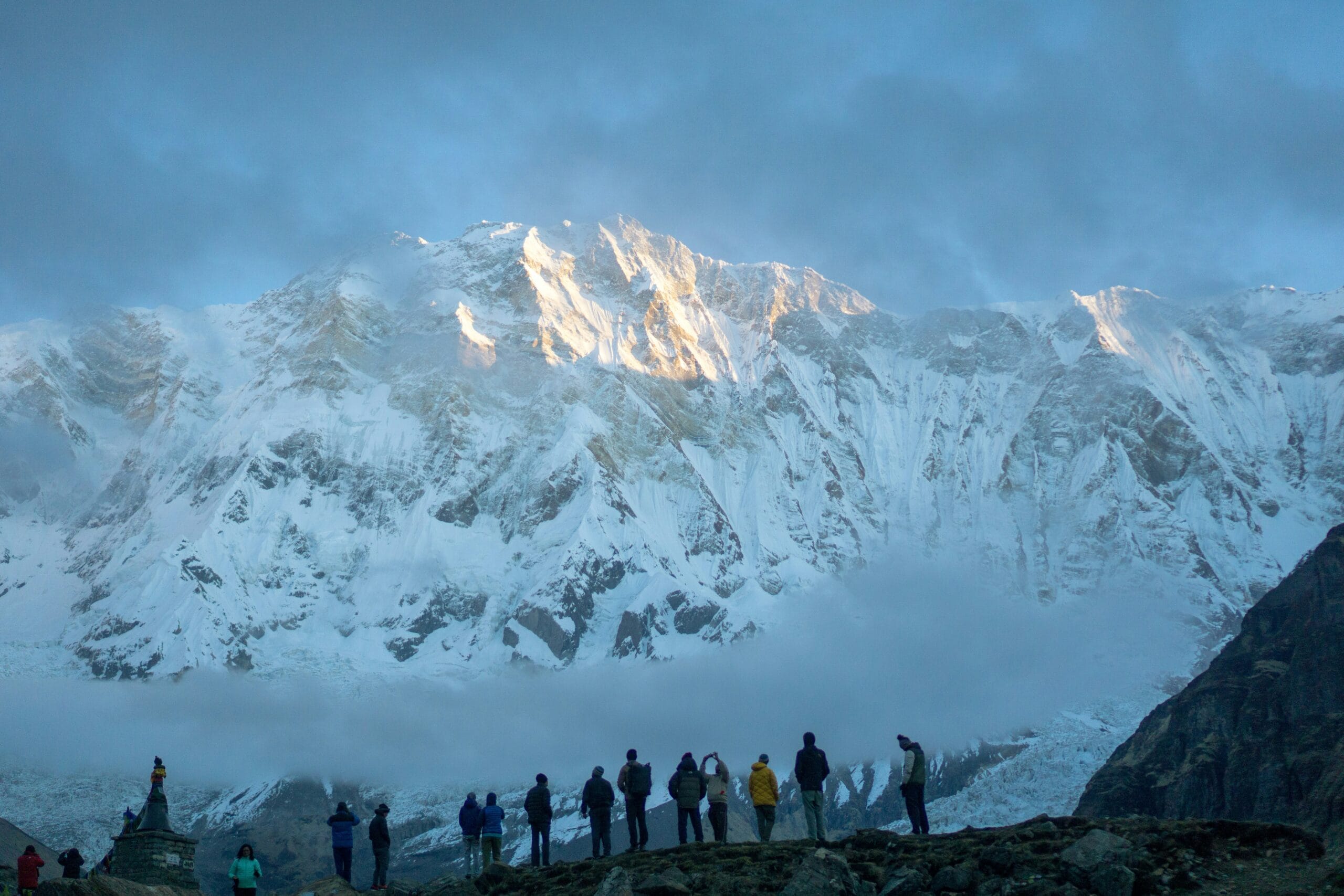
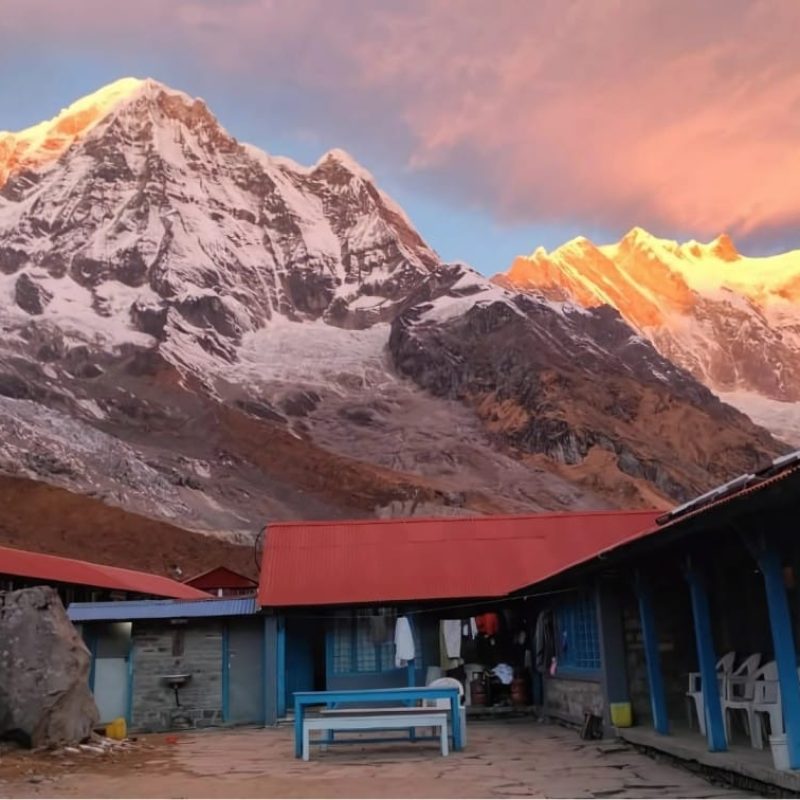
Annapurna Base Camp Sunrise: Golden light bathes Himalayan peaks in a 360° snowy amphitheater.
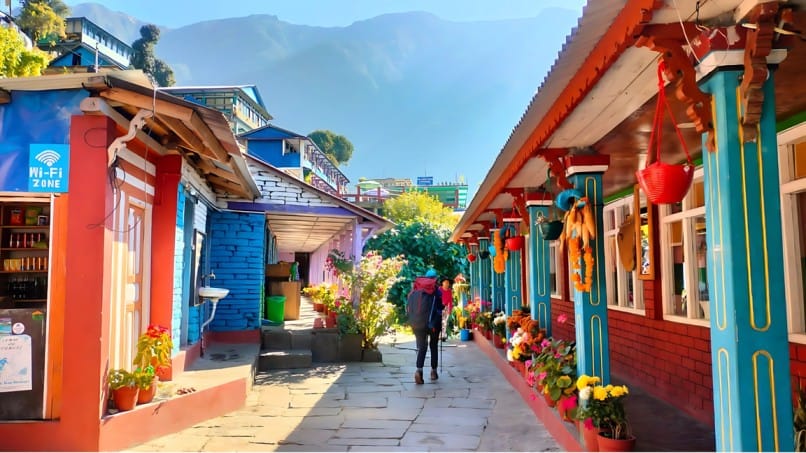
Ghandruk Cultural Welcome: Charming Gurung village with stone paths, heritage homes, and mountain views.
Diverse Terrain in One Trek: Forests, rivers, glaciers, and alpine meadows blend into one route.
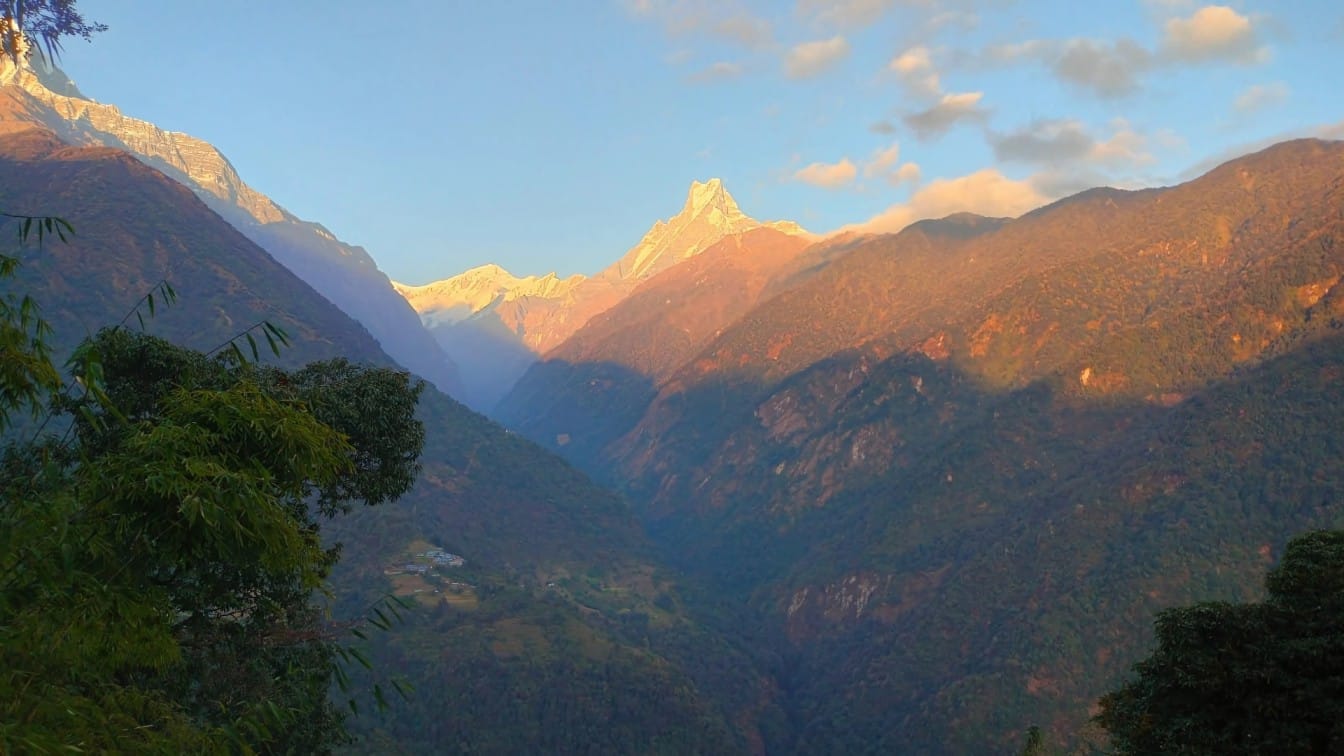
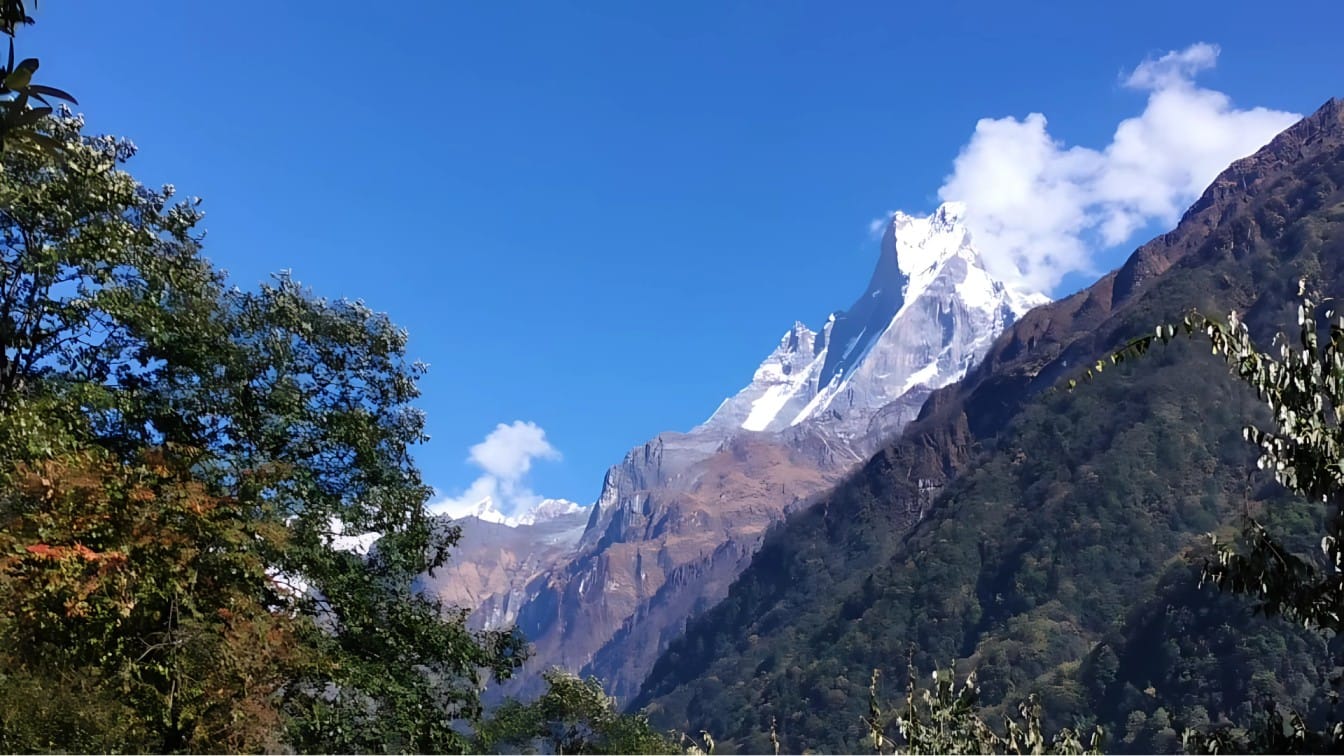
Machapuchare Base Camp Stop: Trek beneath Nepal’s sacred, unclimbed Fishtail Peak.
Forest Trails and Waterfalls: Walk through jungles echoing with birdsong and rushing water.
Natural Hot Springs at Jhinu: Riverside soak with views after days on the trail.
Ideal Acclimatization Route: Gradual altitude gain ensures safer, more comfortable trekking.
Compact Yet Rewarding Trek: Big Himalayan payoff in just 10 immersive days.
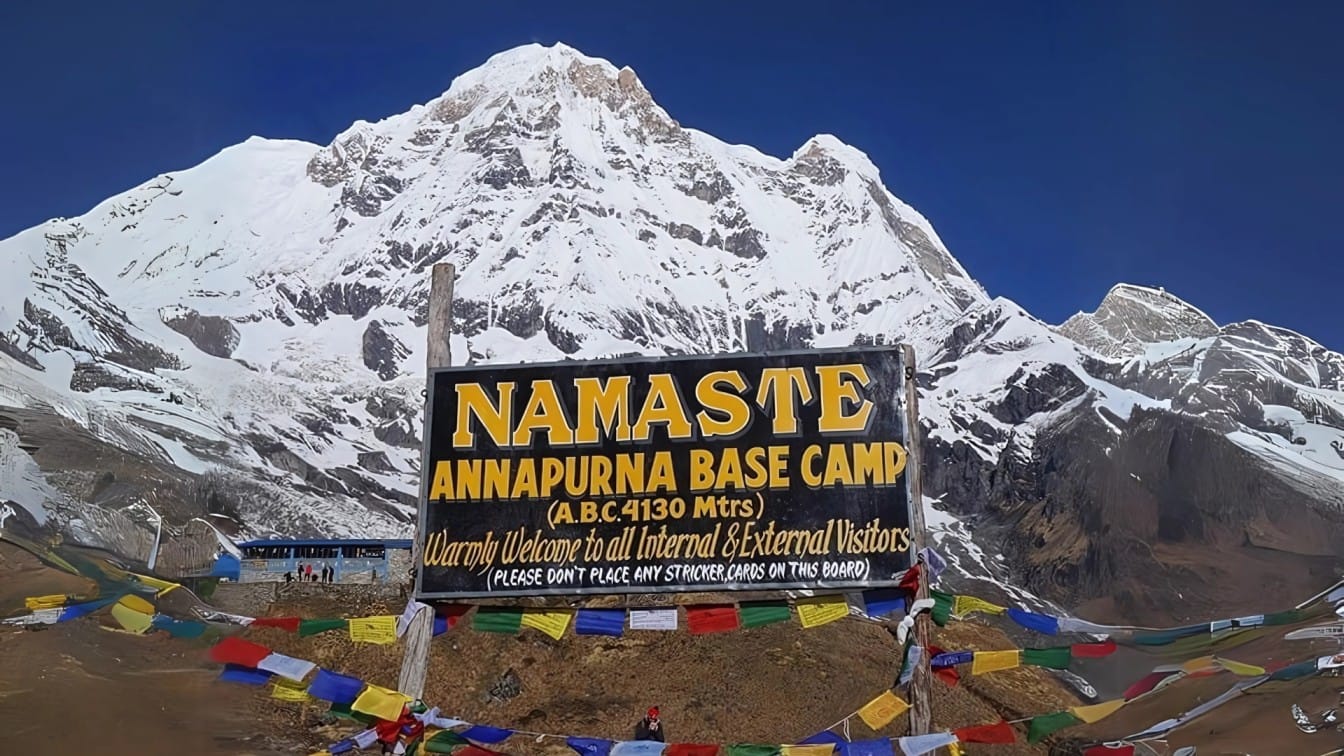
Close-Up with Annapurna I: Stand beneath the world’s 10th highest mountain.
Pokhara Start & End: Begin and end your journey in lakeside mountain charm.
Itinerary
Scenic lakeside arrival, cultural charm, and final trek prep.
Pokhara isn’t just a gateway to the Annapurnas — it’s a Himalayan sanctuary in its own right. Set against the serene backdrop of Phewa Lake and guarded by the iconic Machapuchare (Fishtail Peak), the city welcomes you with a laid-back vibe and stunning mountain views.
Check into a cozy hotel in the Lakeside area, where you'll find rooftop cafes, bakeries, gear shops, and lakefront walking paths. Today is all about settling in, soaking up the tranquil energy, and preparing for the trek ahead. Enjoy a boat ride, grab a local meal, or browse for last-minute essentials. In the evening, meet your trek leader and fellow travelers for a comprehensive briefing covering the route, altitude acclimatization, safety protocols, and what lies ahead.
Begin your trek through lush foothills and arrive at a picturesque Gurung village.
After an early breakfast, we drive for about 2 hours from Pokhara to Nayapul, the official starting point of our trek. The journey winds through fertile valleys, rivers, and traditional settlements.
From Nayapul, we hit the trail along the Modi Khola, gradually ascending through terraced fields and scattered teahouses. The trek is scenic and filled with first glimpses of Himalayan grandeur.
By afternoon, we reach Ghandruk — a traditional Gurung village known for its slate-roofed houses, warm hospitality, and panoramic views of Annapurna South, Hiunchuli, and Machapuchare. Settle into a teahouse, enjoy local dal-bhat, and catch the sunset lighting up the peaks.
Trek Distance: ~9 km | Trek Time: 5–6 hrs | Elevation Gain: ~870 m
Forest trails, terraced fields, and incredible Himalayan vistas.
We begin the day with a brief descent, followed by a steady climb through rhododendron forests and agricultural landscapes. The trail undulates, offering sweeping views of Annapurna South and the sacred Machapuchare.
After a few hours, we reach Chhomrong — a scenic village perched on a ridge, often bathed in golden light. It’s the last permanent settlement en route to the Annapurna Base Camp, with well-equipped teahouses and epic views. Spend the evening relaxing and preparing for steeper climbs ahead.
Trek Distance: ~10 km | Trek Time: 5–6 hrs | Elevation Gain: ~230 m
A suspension bridge, bamboo forests, and waterfall-laced trails.
Today’s trail begins with a descent down hundreds of stone steps to the Chhomrong River, followed by a suspension bridge crossing. From there, we ascend steeply through forests of oak, bamboo, and rhododendron.
The path winds through deep gorges and misty undergrowth, occasionally offering glimpses of waterfalls and wildlife. We arrive in Bamboo by late afternoon — a tranquil stop nestled in the woods, surrounded by greenery and mountain silence.
Trek Distance: ~9 km | Trek Time: 5–6 hrs | Elevation Gain: ~140 m
Higher altitudes, thinner air, and shifting landscapes.
As we gain altitude, the forests start thinning and the scenery turns more alpine. We pass through Dovan and Himalaya — two small teahouse settlements tucked against massive cliffs.
The final stretch to Deurali involves a moderate climb beside the icy Modi Khola river and through avalanche-prone areas (your guide will ensure safe timing and conditions). Deurali itself is a dramatic setting, surrounded by rock walls and snow-fed streams.
Trek Distance: ~8 km | Trek Time: 4–5 hrs | Elevation Gain: ~890 m
The final ascent to the heart of the Annapurnas.
We begin early today, trekking through alpine meadows and glacial moraines. Passing Machapuchare Base Camp (MBC), the views begin to open dramatically — revealing the Annapurna massif in all its grandeur.
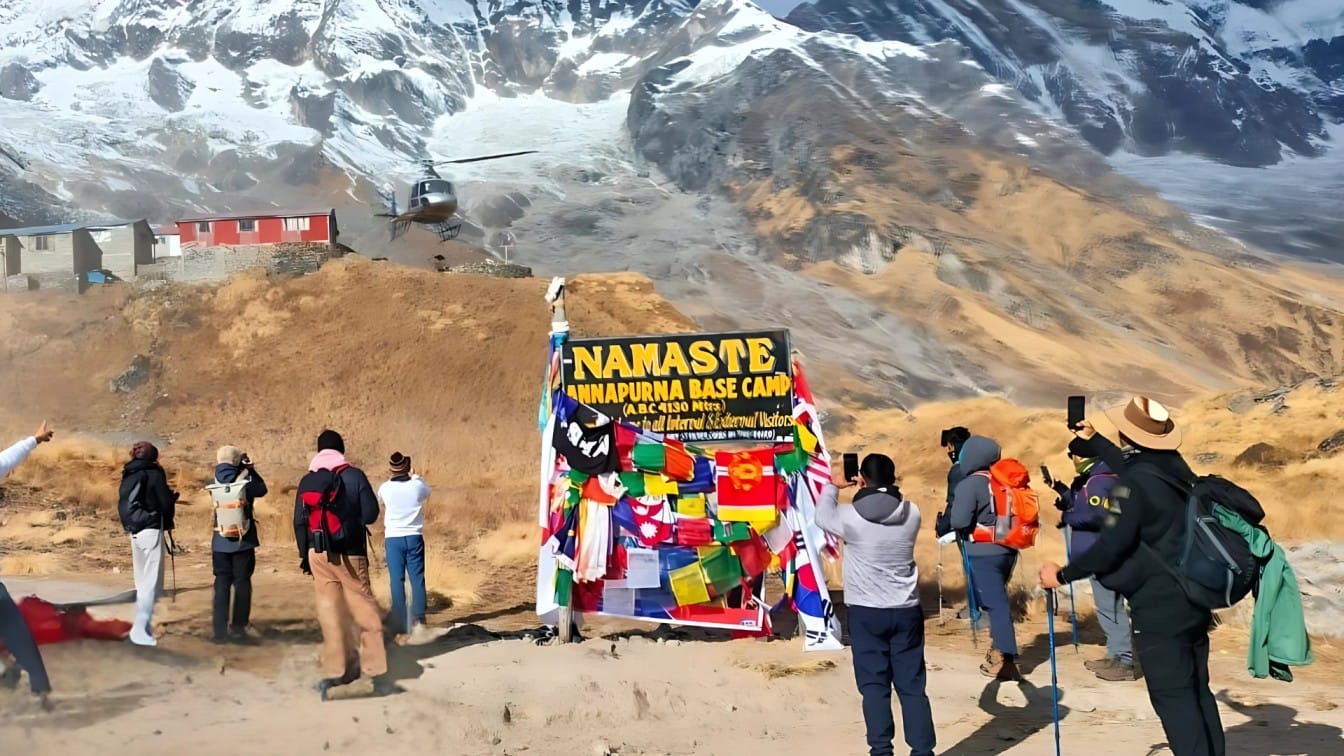
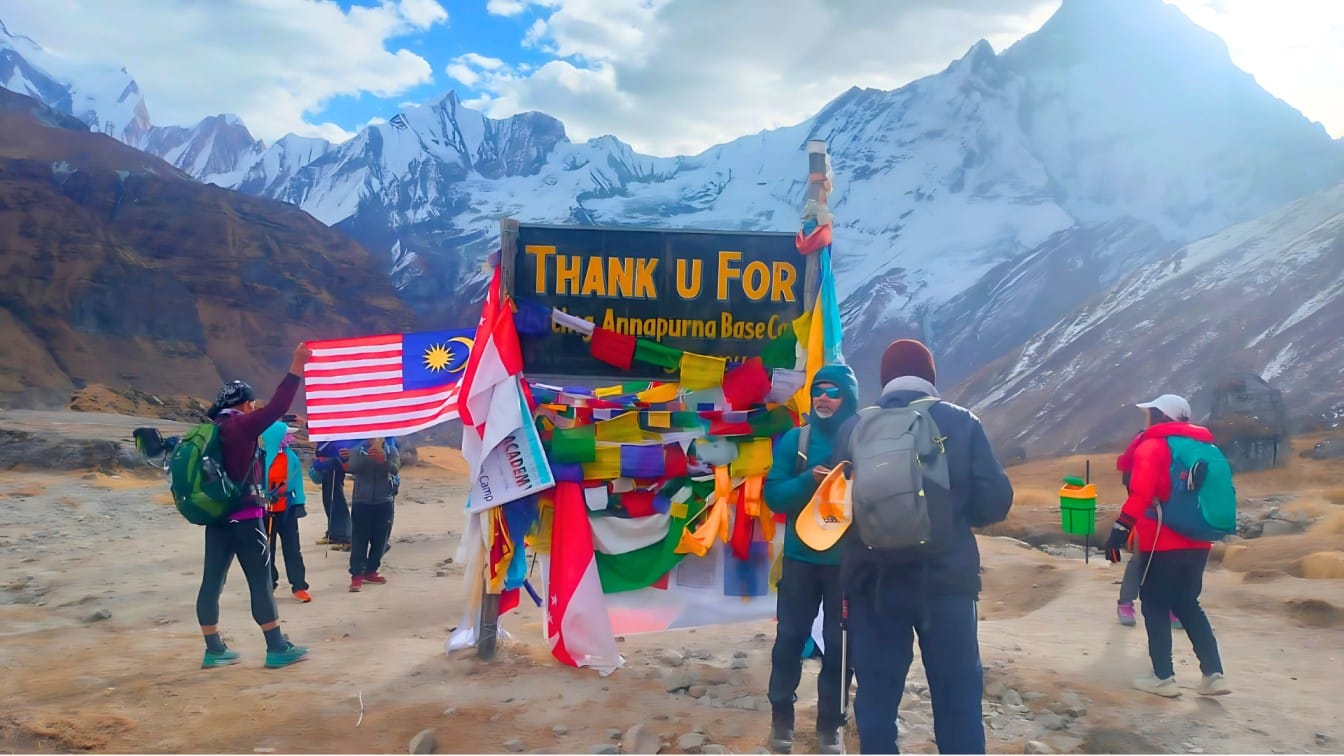
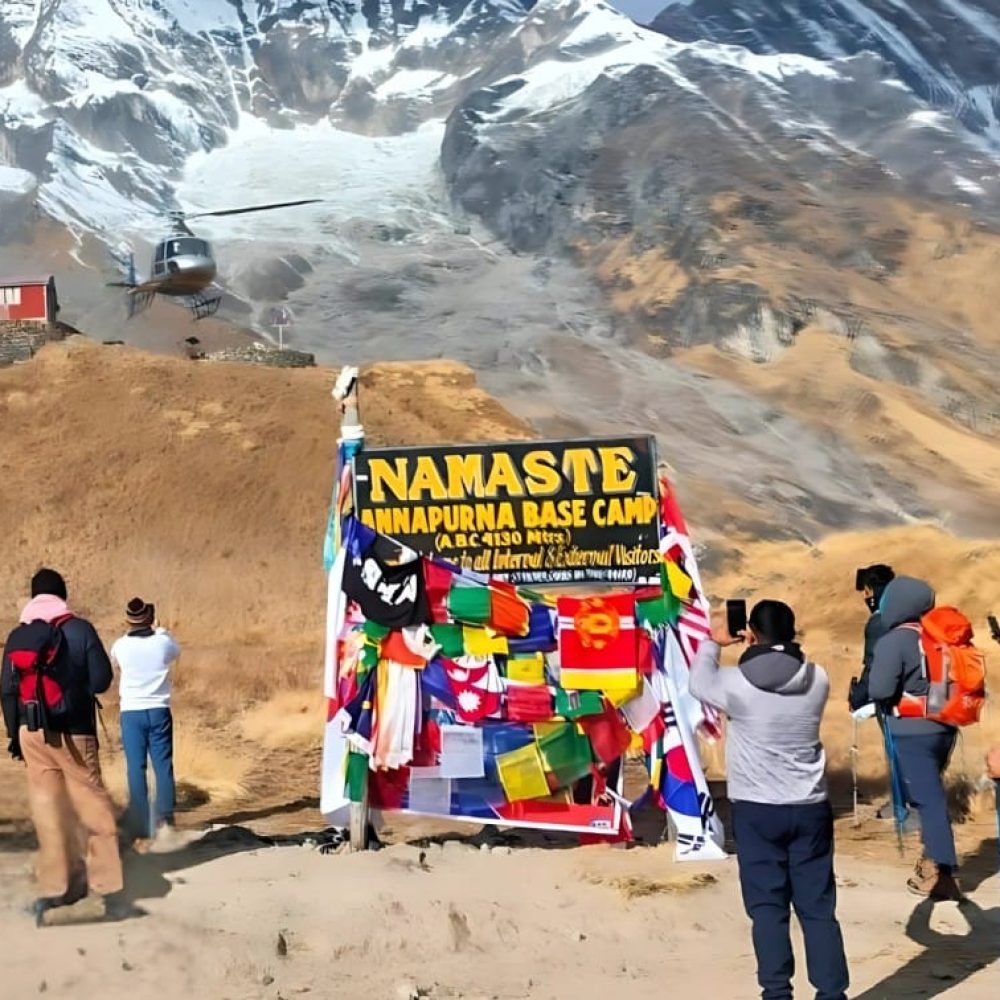
From MBC, it’s a gentle but steady climb to ABC. Upon arrival, you’re surrounded on all sides by towering peaks — including Annapurna I (8,091 m), Annapurna South, Hiunchuli, and more. The 360-degree Himalayan amphitheater is one of the most iconic viewpoints in Nepal. Spend the rest of the day soaking it all in — you’ve earned this.
Trek Distance: ~7 km | Trek Time: 5–6 hrs | Elevation Gain: ~930 m
Sunrise over the Annapurna Sanctuary and a long descent.
Wake up early to catch sunrise over the snow-clad giants — a surreal, soul-stirring moment. After breakfast at base camp, we retrace our steps back down through MBC, Deurali, Himalaya, and Dovan.
As we descend, the air gets thicker, the forest returns, and so does the warmth. We reach Bamboo by late afternoon — a quiet forest-side stop to rest after the big descent.
Trek Distance: ~15 km | Trek Time: 6–7 hrs | Elevation Loss: ~1,820 m
Forest descent and a rewarding dip in natural hot springs.
We climb briefly back up to Chhomrong before descending steeply to Jhinu Danda — a cozy village famed for its natural hot springs. The final stretch to Jhinu includes more forested trails, waterfalls, and stone stairways.
Once at Jhinu, you can head down to the riverbank (20 mins) to soak in the warm springs — a well-earned treat for sore legs and tired backs.
Trek Distance: ~8 km | Trek Time: 5–6 hrs | Elevation Loss: ~530 m
Final walk, heartfelt goodbyes, and a return to lakeside comforts.
On our last trekking day, we descend from Jhinu Danda to Nayapul. The trail takes us past terraced hills, small farms, and the familiar sound of the Modi Khola river.
Once we reach Nayapul, a private vehicle takes us back to Pokhara (~2 hrs). Back in town, we check into our hotel and reunite with soft beds, hot showers, and celebratory food. You’ve officially completed the Annapurna Base Camp Trek — take pride in every step.
Trek Distance: ~7 km | Trek Time: 4–5 hrs | Drive: ~2 hrs
Sleep in, stroll along the lake, or keep the adventure going.
This is your final day in Pokhara — unless you choose to stay longer. Depending on your travel plans, you can depart by flight, road, or choose to extend your stay.
Pokhara has much to offer: paragliding, zip-lining, boating, cafes, bookstores, and Tibetan monasteries. Or just rest and soak in the peaceful vibe of the Himalayas one last time before heading out.
Inclusions
- 2 nights stay in a good hotel in Pokhra with breakfast included
- Best available teahouse accommodation during the trek (twin-sharing)
- All meals on the trek: Breakfast, Lunch & Dinner (open menu, one item per meal. You can order more at your own cost.)
- Tea/Coffee in Morning and Evening
- All ground transportation: Pokhara to Nayapul and back
- All required permits: Annapurna Conservation Area Permit (ACAP) and TIMS card
- Indian Trek Leader with Govt Licensed, Hindi – English speaking Guides & porters
- Good Guide to Trekker ratio. 1 assistant guide for groups of 5 or more
- Experienced porters/yaks for carrying common expedition equipment and trekkers’ duffel bags / rucksack (1 porter per 2 trekkers)
- First aid kit carried by the guide
- Basic oxygen cylinders at teahouses, and oximeter for altitude monitoring
- Insurance for guides and porters
- Certificate of Completion
Exclusions
- International flights to/from Nepal
- Lunches and dinners in Pokhara
- Personal trekking gear (shoes, down jacket, sleeping bag, etc.)
- Bottled water, boiled water, tea/coffee (from machine), and other beverages during trek
- Alcoholic drinks and packed snacks
- Wi-Fi charges, hot shower, battery charging at tea houses
- Tips for guides, porters, and local staff (customary and appreciated)
- Personal expenses including phone calls, laundry, souvenirs, etc.
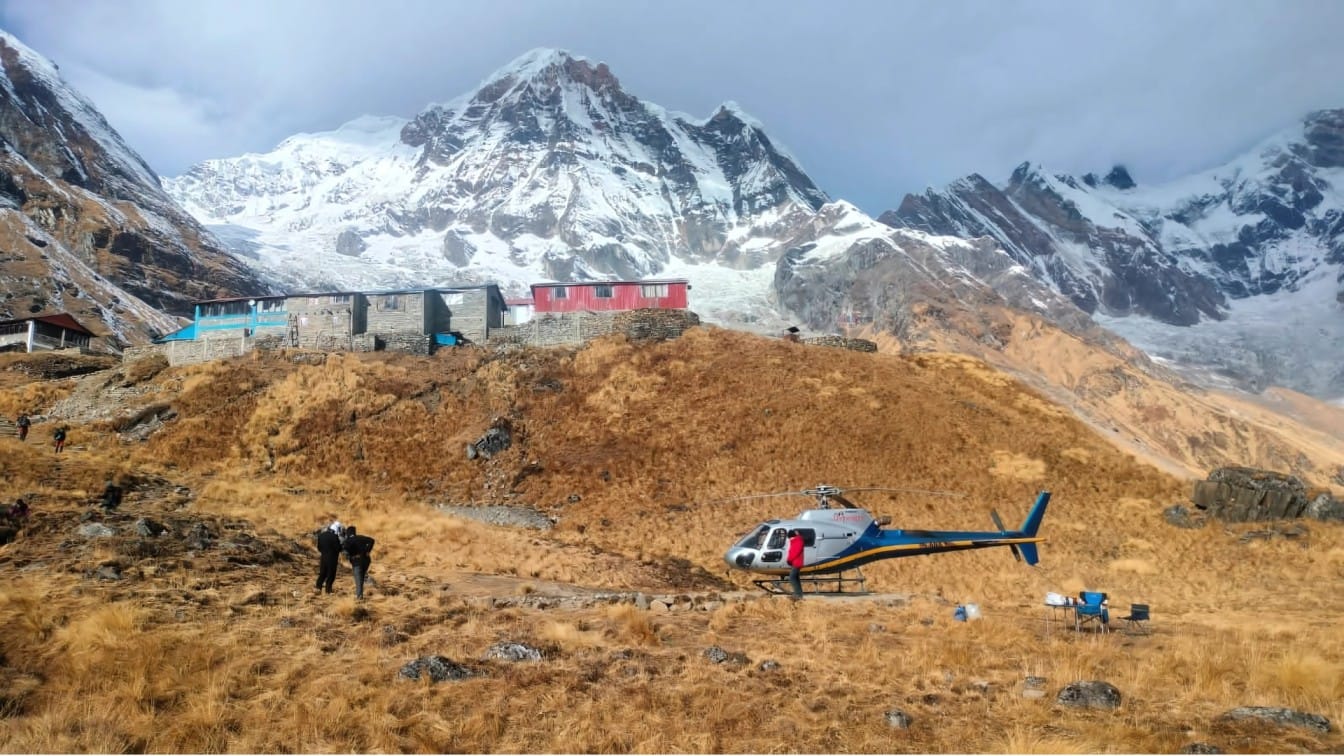
- Emergency evacuation, helicopter rescue or hospitalisation costs
- Travel insurance covering high-altitude trekking and emergencies (highly recommended)
- Expenses caused by any delays in trek/flight due to natural calamities, weather conditions, or airline schedules
- Anything not specifically mentioned in the inclusions
Additional Expenses
Kathmandu Add-On Package: For a seamless Kathmandu-to-Kathmandu experience, we offer
- Hotel Stay in Kathmandu (Bed & Breakfast): Approx. USD 75 per night
- Airport Pickup & Drop: Complimentary
Kathmandu to Pokhara Transfers:
- Flight (25 min) – USD 130 (one-way)
- Tourist Bus (7 hrs) – USD 30 (one-way)
- Private Vehicle (6 hrs) – USD 120–150 (per vehicle, one-way)
Attached Bathrooms in Teahouses: USD 90 for the entire trek (subject to availability)
Hotel Room in Pokhra: USD 50/room (Single/Double sharing)
Single Room Supplement:
- Kathmandu/Pokhara: USD 30–40 per night
- On Trek: Available at select teahouses (inquire for rates)
Food & Cuisine
Food on the Annapurna Base Camp trek is surprisingly diverse and nourishing. Every teahouse along the trail serves up fresh, hot meals designed to keep trekkers energized throughout the journey. Expect a mix of Nepali staples and popular international comfort foods, all adapted for high-altitude digestion.
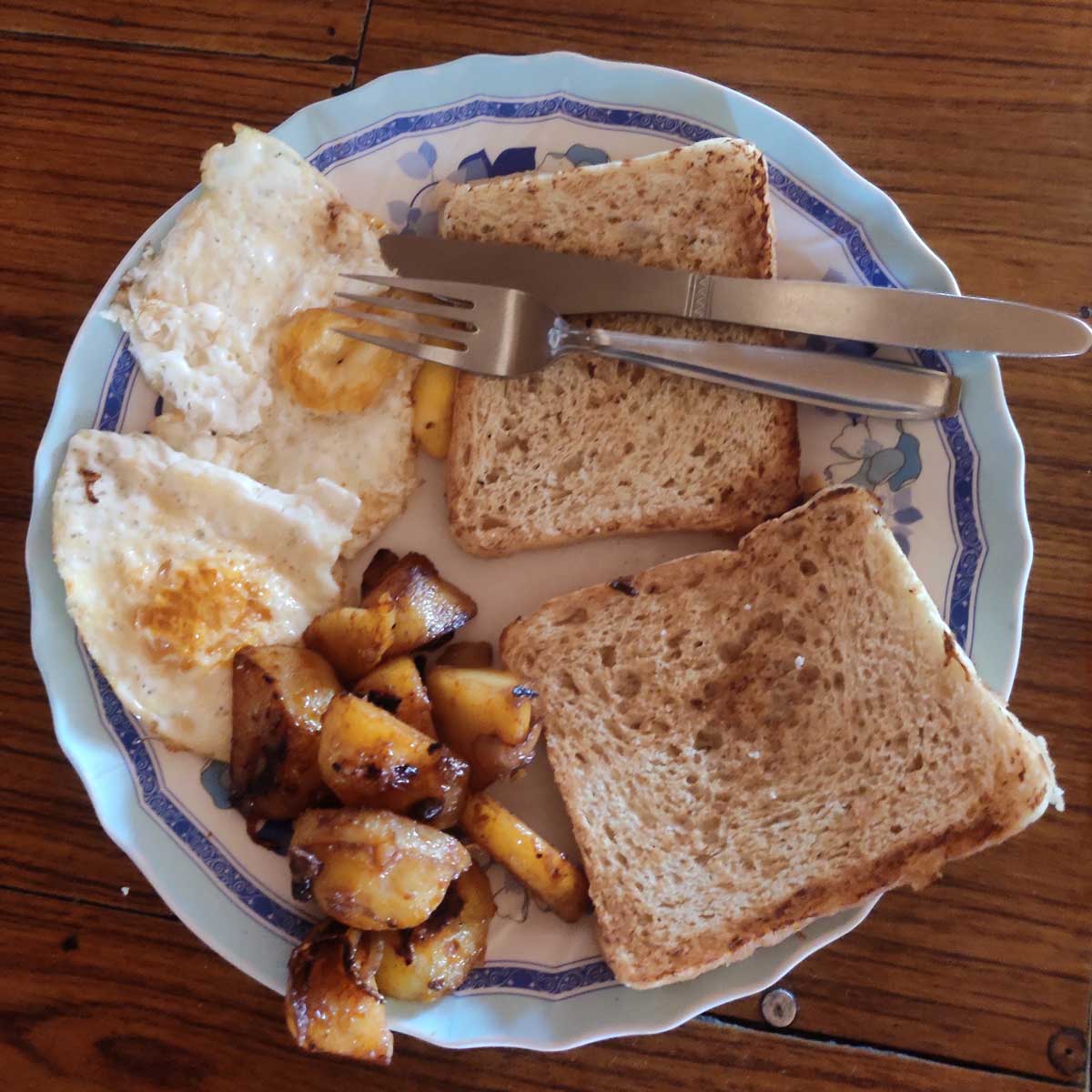
The most popular dish is the classic dal bhat — lentil soup, rice, vegetables, and pickles — an all-you-can-eat powerhouse meal. Other common options include fried rice, chowmein, pancakes, eggs, Tibetan bread, soups, pastas, and momos (Nepali dumplings). Breakfasts are usually a mix of porridge, chapati with jam/honey, or boiled eggs with toast.
Most teahouses provide an open menu system where you can pick one dish per meal (included in your package). You can order additional items at your own cost. Teahouses also offer tea, instant coffee, hot chocolate, and sometimes fresh ginger-lemon-honey tea.
🍽️ Pro Tip: Avoid meat above Chhomrong — refrigeration is unreliable and freshness can’t be guaranteed. Stick to hot, cooked vegetarian food to stay safe and healthy.
Accommodation
Accommodation is in cozy mountain teahouses — local family-run lodges that provide basic but comfortable rooms. Most rooms are twin-sharing with simple wooden beds, mattresses, pillows, and blankets. At higher altitudes, the facilities become more minimal, and shared bathrooms are common.
Dining halls are the heart of each teahouse — heated with a central stove where trekkers gather to eat, warm up, and share stories. Don’t expect luxury, but do expect warm hospitality, cleanliness, and million-dollar views.
Hot showers are available at most stops below Deurali for an extra charge. Charging and Wi-Fi are available at select locations, also paid.
Carry a good-quality sleeping bag, especially above Bamboo, as nights can drop below freezing.
Fitness & Difficulty
The Annapurna Base Camp trek is rated moderate, which makes it perfect for fit first-timers and experienced trekkers alike. The highest altitude is 4,130 m at ABC, with a steady ascent spread over 6 days to allow for acclimatization.
You’ll be trekking for 5 to 7 hours daily, with some steep climbs, stair sections (notably to Chhomrong and Jhinu), and long descents on the return. There’s no technical climbing involved, but the altitude and physical demand require decent preparation.
Recommended Prep:
- Daily 5–8 km walks/jogs for 4–6 weeks prior
- Leg and core strength training
- Stair workouts with a loaded backpack
- Breathing and cardio-focused exercises
While not as high as Everest Base Camp, ABC still demands respect. Good fitness, a positive mindset, and proper pacing are key to enjoying the trek fully.
Dates Available
DATES |
AVAILABILITY |
|---|---|
21 September
|
Slots Available
|
8 October
|
Slots Available
|
Trek Fee: ₹55,000 + 5% GST per person
(This includes everything – comfortable stays, delicious meals, permits, expert guides, and more, as detailed in the Inclusions above.)
To Confirm Your Spot:
Click the Book Now button below to proceed with your booking. You’ll have the option to select your preferred dates and any optional add-ons on the next page.
Something Else In Mind?
We get it — adventures should feel personal. We’re here to co-create a version of this journey that feels right for you.
Start on your preferred dates
Custom inclusions & stay options
Tweak the itinerary or route
Plan a private group experience
Fill out the form or drop us an email at mail@outdoorwhisperer.com with your questions & requirements, and we’ll get back to you as soon as possible. For a quicker response, feel free to reach us directly at +91-8285967537.
Send Us Your Query
Why Outdoor Whisperer?
We do things a bit differently — and proudly so. We don’t chase numbers; we focus on depth, care, and quality. Each trek is meticulously planned, and organized with warmth, care, and an unwavering focus on your safety. From pre-trek online briefings to carefully curated experiences on-ground, we believe the best adventures are the ones that feel like they were made just for you.
Founder-led Journeys
Every batch is personally led by our founding team — not outsourced. We’re deeply involved in your journey, from planning to trail.
Quality Over Quantity
We run fewer batches on purpose. It lets us focus on doing each trek really well, with attention to detail, better care, and stronger group vibes.
Designed With Heart
We thoughtfully craft each batch to feel personal — with small surprises, better pacing, and meaningful touches that make the journey feel your own.
Safety Comes First
From altitude protocols to evacuation readiness, our on-ground team is WFR-certified, highly experienced, and well-versed with Himalayan conditions.
Pre-Trek Online Briefing
Before every departure, we host detailed virtual briefings so you're mentally and logistically prepped for what lies ahead.
Transparent Pricing & Terms
No hidden charges. No unpleasant surprises. We only offer what we’d want for ourselves — quality, integrity, and care.
What To Pack?
Things to Pack for the Annapurna Base Camp Trek
Packing for the Annapurna Base Camp trek requires careful thought, as you’ll experience everything from lush forests to high-altitude terrain. To ensure comfort and safety, it’s essential to bring the right gear for varying weather and challenging conditions. This guide will help you prepare with a comprehensive list of must-have items, ensuring you’re ready for the adventure ahead.
Clothing – Layer Up Smart
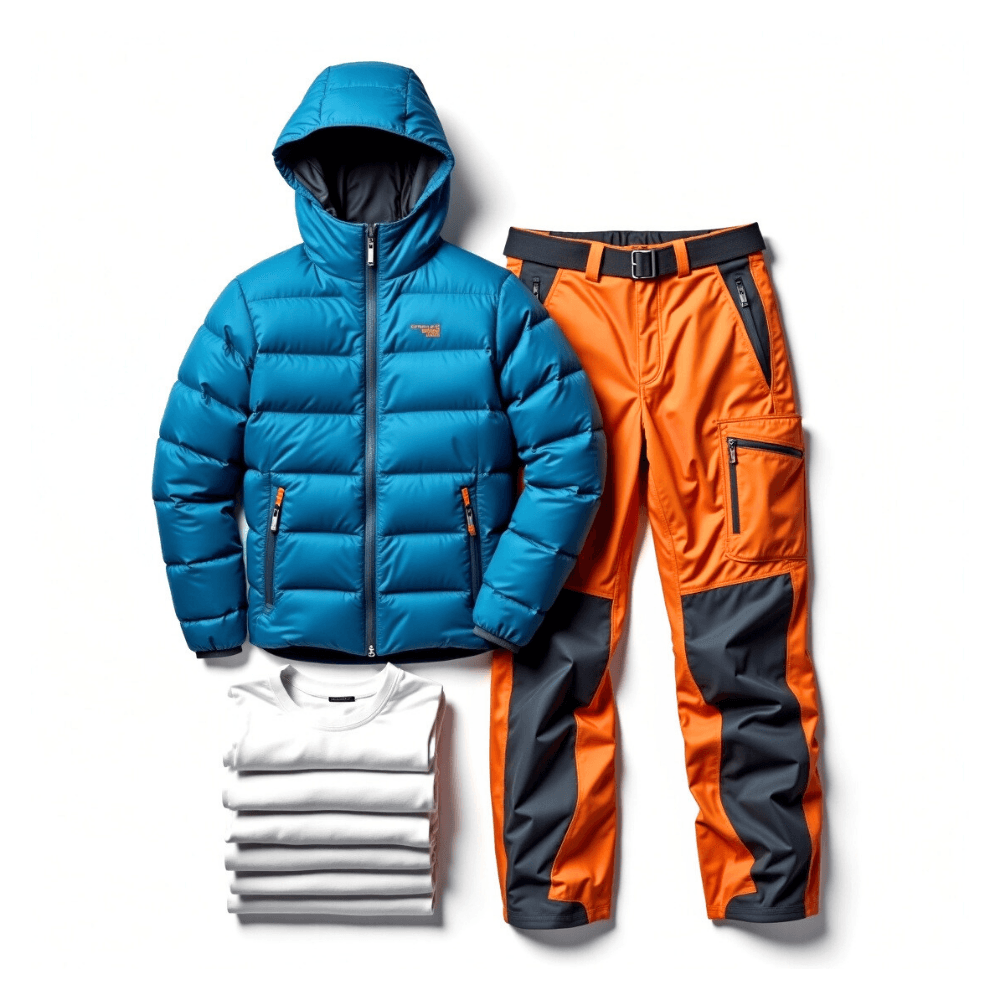
You’ll need to dress for changing temperatures, from warm days to freezing nights.
- 2–3 moisture-wicking base layer t-shirts (quick dry)
- 1 full sleeve shirt (for sun protection)
- 1 thermal base layer (top & bottom)
- 1 fleece jacket or wool sweater
- 1 down jacket (high altitude essential)
- 1 windproof/waterproof shell jacket
- 2 trekking pants (quick dry)
- 1 warm trekking tight or thermal bottom
- Innerwear (3–4 pairs)
- Trekking socks (synthetic + woolen blend)
- Warm hat/beanie and sun cap
- Buff/scarf for dust/wind
- Lightweight inner gloves + insulated/warm gloves
Footwear & Accessories
Tough trails need tough gear — comfort here is non-negotiable.
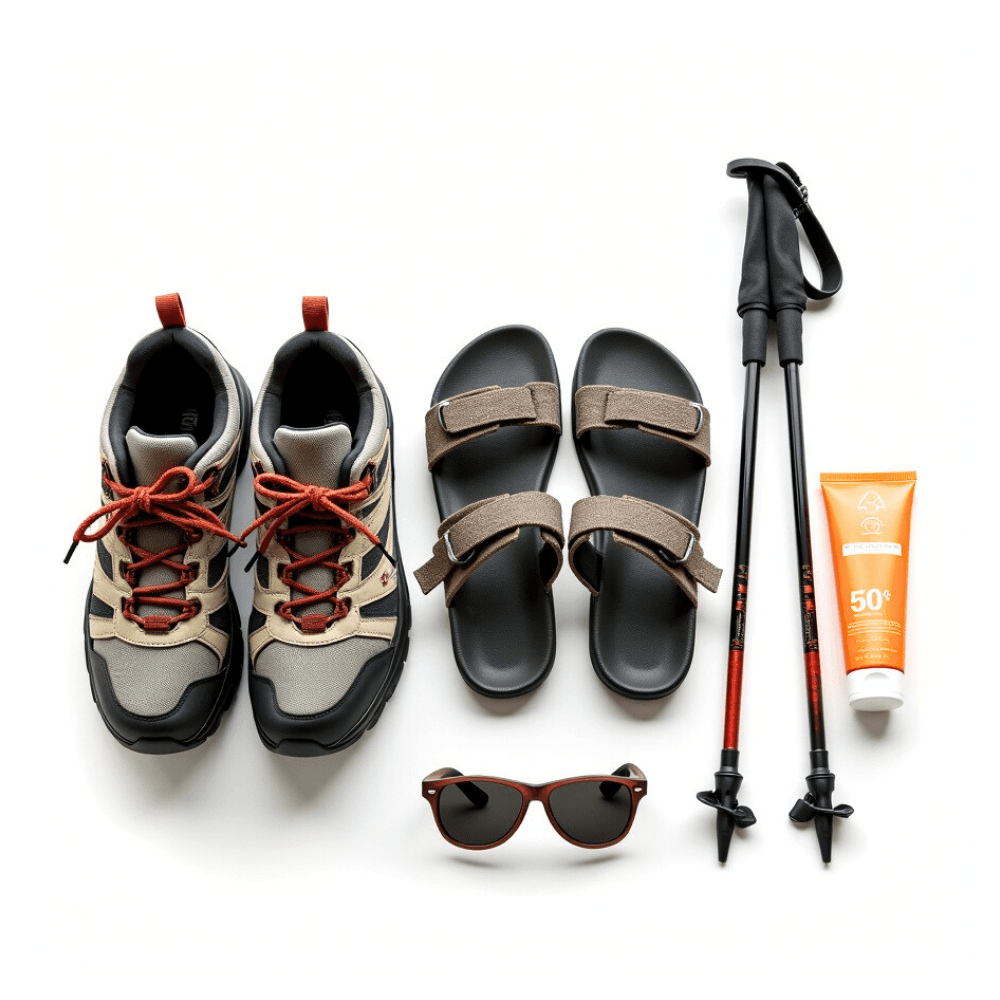
- High-ankle waterproof trekking boots (well broken-in)
- Camp shoes or slippers (for teahouse evenings)
- Gaiters (optional, for snow/slush protection)
- Trekking poles (highly recommended)
- UV-protected sunglasses (category 3 or higher)
- Sunscreen (SPF 50+)
- Lip balm with SPF
- Moisturizer (non-greasy, fast absorbing)
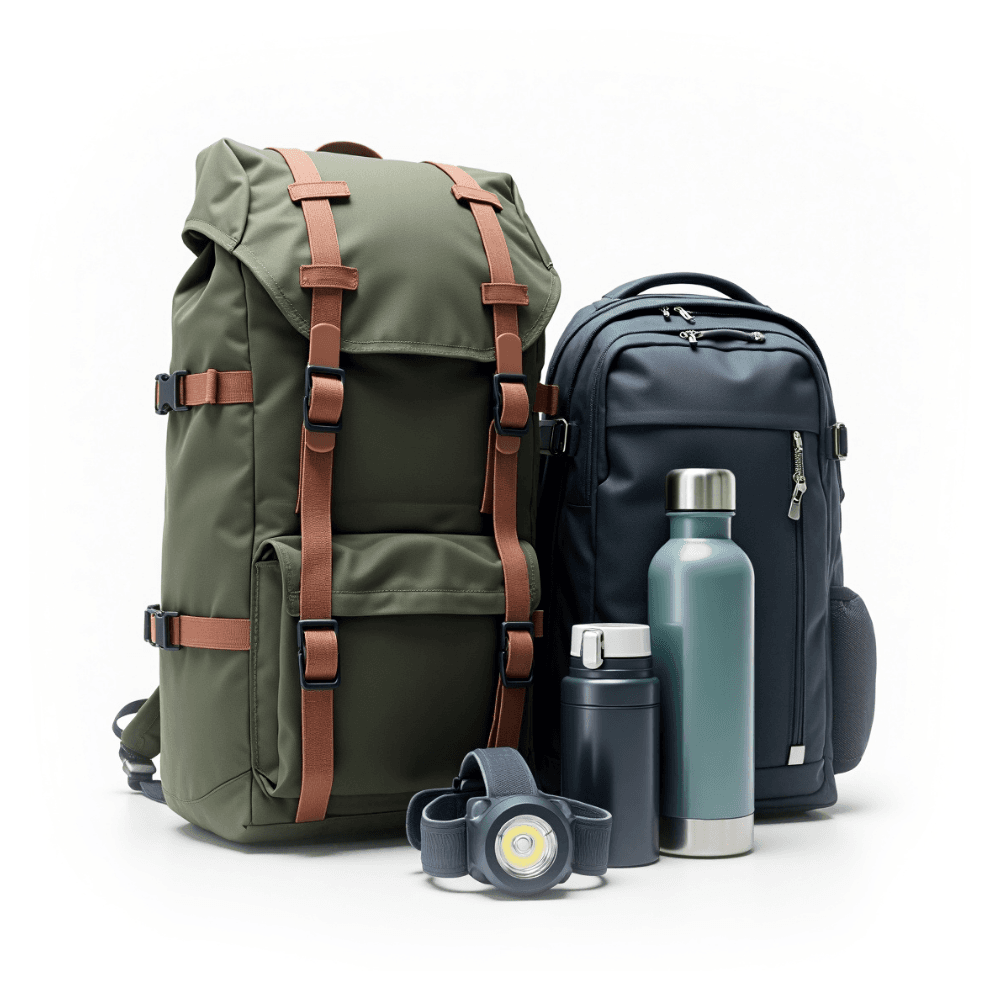
Gear & Packing Essentials
Stay organized, mobile, and weather-ready.
- 50–60L backpack or large duffel bag
- Daypack (25–30L with rain cover, for daily use)
- Dry bags or packing cubes for organizing
- Headlamp with spare batteries
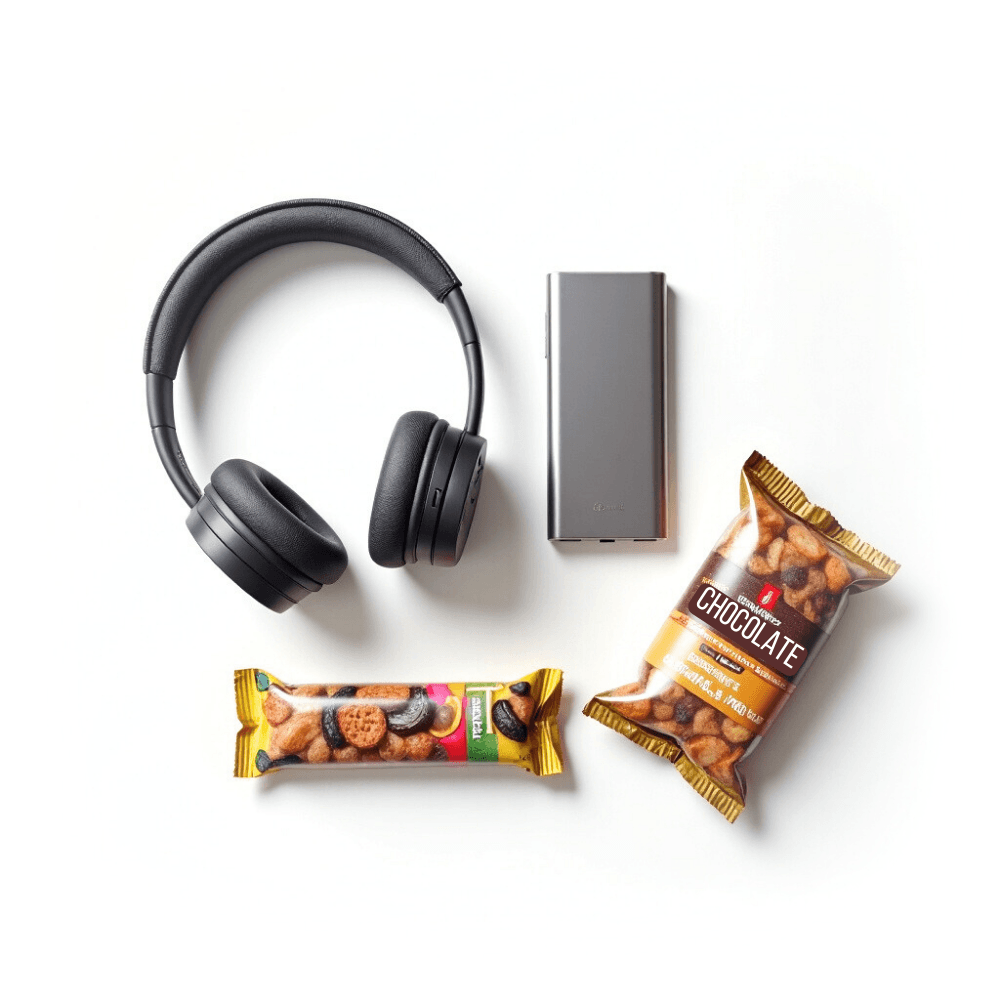
- Power bank (10,000 mAh or more)
- Reusable water bottles (2L total capacity) or hydration bladder
- Lightweight thermos flask (optional for warm drinks)
- Small lock for duffel/daypack
- Copies of passport, visa, and ID
Personal Hygiene & Toiletries
Simple, efficient, and eco-friendly.
- Toothbrush & toothpaste
- Biodegradable soap & shampoo (travel size)
- Quick-dry microfiber towel
- Wet wipes & hand sanitizer
- Toilet paper/tissues
- Sanitary pads/tampons (if applicable)
- Nail cutter & small comb/hairbrush


Health & Medical Kit
While we carry a first aid kit, we recommend packing a small one for yourself too — just the basics you might need.
- Diamox (consult doctor before usage)
- Painkillers (Combiflam or similar)
- Band-aids/blister patches
- Antiseptic cream
- Electrolyte/ORS sachets
- Anti-diarrhea tablets (optional)
- Any prescribed/personal medication
Extras & Good-to-Haves
Little things that go a long way.
- Snacks (energy bars, trail mix, chocolates)
- Notebook & pen (for journaling or reflections)
- Book or Kindle
- Playing cards or light travel games
- Earplugs & sleep mask (especially useful in shared rooms)
- Camera + spare batteries/memory cards
Pro Tip: Keep daily essentials in your daypack. Porters carry your duffel and may reach later than you at the teahouse.
Common Questions
The best time is during spring (March to May) and autumn (September to November). Spring brings blooming rhododendrons, while autumn offers clear skies and stable weather. These seasons are ideal for mountain views and safe trekking conditions.
It’s considered a moderate-level trek. There are no technical climbs, but the trek involves long days of walking (5–7 hours) and altitude up to 4,130 meters. It’s suitable for fit beginners as well as experienced trekkers.
It’s the only Himalayan trek where you walk into a natural amphitheater of 7000–8000m peaks. It offers a blend of rich culture, natural hot springs, glacial valleys, and relatively easier altitude profile than EBC.
No, but it helps. Many first-timers successfully complete the ABC trek. Focus on building endurance and leg strength before the trip.
You’ll walk about 8–15 km per day, taking 5–7 hours on average. The longest day is the descent from ABC to Bamboo (~14 km).
Expect fresh vegetarian meals like dal bhat, chowmein, pancakes, soups, porridge, and momos. Breakfasts include eggs, toast, or Tibetan bread. One meal item per meal is included. Meat is best avoided after Chhomrong due to lack of refrigeration.
Tap water must be treated. Bring purification tablets, filters, or use a bottle with built-in UV or filtration. Boiled water is available for ~NPR 100–200/liter.
Local teahouses — basic but clean lodges with twin-sharing rooms and common toilets. Some offer hot showers (extra charge) and heated dining halls.
Yes. Teahouse blankets may not be enough at higher altitudes. A -10°C rated sleeping bag is strongly recommended.
Yes. A licensed guide is required by law in most trekking regions, including Annapurna. Porters (1:2 ratio) carry your duffel bag. You carry a light daypack.
Yes, you’ll need ACAP (Annapurna Conservation Area Permit) & TIMS card (Trekkers’ Information Management System) Both are arranged by us.
It can happen but is less frequent than on EBC. Symptoms include headache, nausea, and dizziness. Hydration, rest, and slow ascent are key.
Yes. Our local teams are trained and supportive. ABC is a popular route with good infrastructure and a friendly atmosphere.
Moderate. Daily cardio, leg strength training, and stair workouts help. Try to build up to walking 7–10 km with a backpack before the trek.
Yes, in most teahouses. Charging is paid (~NPR 100–300 per hour). Carry a power bank (10,000+ mAh) and keep devices warm to preserve battery.
Yes, most teahouses up to Deurali offer paid Wi-Fi (NPR 300–600). Speed varies and gets weaker as you go higher.
You’ll have NCELL signal till Bamboo. Beyond that, connectivity is patchy or unavailable.
Hot showers are available (NPR 300–500). Above 3,000 m, it’s better to use wipes and stay dry to avoid cold-related issues.
Wi-Fi, hot showers, device charging, snacks, and tips. Carry NPR 25,000–30,000 in cash (INR accepted in some places, but not all).
At ABC, nights can drop to -10°C or colder. Days are sunny but chilly above 3,000 m. Pack in layers.
Yes. You can rent jackets, sleeping bags, poles, and more. Ensure gear is good quality and tested before departure.
Most teahouses have shared squat toilets; some offer Western-style. Bring your own toilet paper and hand sanitizer.
- Passport (original + 2 copies)
- Nepal visa
- Insurance papers
- Passport photos (2–4)
Your guide will assess the situation, provide first aid, and if needed, arrange helicopter evacuation to Pokhra or Kathmandu. We stay connected via local networks or satellite phones. Travel insurance must cover this cost.
Expect additional costs for:
- Wi-Fi: NPR 300–600 per day
- Charging: NPR 100–300 per device
- Hot showers: NPR 300–600
- Snacks, bottled water, or soft drinks
- Laundry: NPR 300–500 per piece
Tipping (NPR 800–1,200 per staff for the trek)
We understand that plans can change, and we try to keep our cancellation policy fair and transparent. Depending on how close to the departure date you cancel, partial refunds are possible, and we also offer options to transfer your booking to a future trip in certain cases.
For the full breakdown of timelines, conditions, and refund details, please check out our complete cancellation policy here: